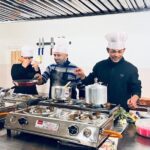
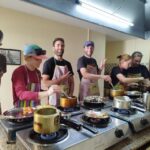
Momos are fun because you make them. This 2.5-hour momo cooking class in Kathmandu turns one of Nepal’s favorite foods into an actual hands-on skill, from kneading dough to folding dumplings in a local home kitchen.
I especially like the step-by-step approach: you learn the process (dough, filling, folding, cooking) instead of just watching. I also like that you don’t rush off after cooking—you sit down with the host and family to eat what you made and chat like you’re part of the household.
One big consideration: this experience is not recommended if you have gluten allergies, since dough-based dumplings mean cross-contact risk.
In This Review
- Key things to know before you go
- Why Kathmandu’s Momo Class Feels Like a Real Home Visit
- The 2.5-Hour Flow: From Dough Kneading to Cooking
- 1) Welcome and getting set up in the kitchen
- 2) Kneading the dough (the texture lesson)
- 3) Preparing the ingredients for filling
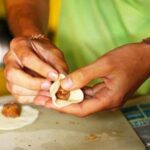
- 4) Folding the momos (where your hands finally learn)
- 5) Cooking the momos
- Choosing Chicken, Buffalo, or Veg: What You’ll Actually Make
- Sitting Down With the Host Family: The Meal and Conversation Part
- Price and Logistics: What You Get for $35 in Kathmandu
- Who This Works Best For (and Who Should Skip It)
- Tips to Get Better Dumplings (and a Better Time)
- Watch the dough stage closely
- Take your folding seriously, then stop overthinking
- Ask questions when your hands pause
- Go hungry for your own momo dinner
- Should You Book the Momo Cooking Class With I. Experience Nepal?
- FAQ
- How long is the momo cooking class?
- How much does the class cost?
- Where does the experience start?
- Where does it end?
- Is this a private activity?
- Will I make momos myself?
- What types of momos are included?
- Is a mobile ticket used?
- Is it near public transportation?
- Is it suitable for gluten allergies?
- FAQ
- Is free cancellation available?
- Do I get a confirmation after booking?
Key things to know before you go
- Hands-on from start to finish: Knead, fill, fold, and cook your own momos.
- A home-kitchen experience in Kathmandu: You’ll work in your host’s kitchen, not a showroom.
- Veg and non-veg options: Plan for veg momos or choice of chicken and buffalo styles.
- You eat together afterward: The class ends with a shared meal and conversation.
- Private group setting: It’s set up for only your group, so it feels personal.
Why Kathmandu’s Momo Class Feels Like a Real Home Visit
Kathmandu has plenty of places to eat momos. This class is different because it shows you how Nepalis actually make them at home. You’ll be welcomed into a friendly atmosphere in a humble residence, and that matters more than people expect. In a kitchen like this, you learn by doing—and you learn what questions to ask while your hands are already busy.
The setting also keeps it practical. You don’t need special gear. You just need the willingness to get a little flour on your fingers and pay attention to the dough and folding technique. If you’ve ever wondered why one person’s momo texture seems silky while another’s turns rubbery, this is where that mystery starts to make sense.
You’ll also be in a private tour/activity format, meaning it’s only your group. That’s a big deal in a cooking class. You get more back-and-forth with the local host and (if a translator is included for your group) you can still ask questions without feeling like you’re competing with a crowd.
One more plus: the meeting point is very central—People’s Dental College & Hospital at Sorakhutte Chowk—so you’re not stuck navigating a half-hidden location. It’s near public transportation, which helps if you’re mixing this with other Kathmandu plans.
You can also read our reviews of more tours and experiences in Kathmandu.
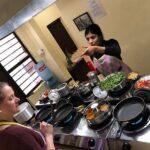
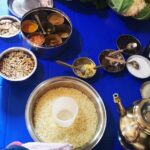
The 2.5-Hour Flow: From Dough Kneading to Cooking
This class is built around a clear rhythm: make, fold, cook, then enjoy. Plan on about 2 hours 30 minutes total, and expect the work to be steady but not frantic. Cooking classes go two ways—either you taste and learn nothing, or you work like you’re preparing for a dumpling Olympics. This one sits in the middle.
Here’s how the session usually unfolds, in the order that makes the most sense:
1) Welcome and getting set up in the kitchen
You start at Sorakhutte Chowk, then head to your host’s kitchen. You’ll get oriented and begin with the core skill: the momo dough. Even if you’ve never folded anything in your life, you’ll be guided through it.
2) Kneading the dough (the texture lesson)
Kneading isn’t busywork. It’s where the momo’s bite starts. The dough should become elastic enough to fold without tearing, yet workable enough to shape. You’ll practice the dough stage with local teaching, and you’ll quickly see why dough consistency is the backbone of dumpling success.
If you’ve only ever eaten momos and assumed they were magic, this part removes the magic. You learn that good dumplings come from real technique, not just luck.
3) Preparing the ingredients for filling
Next comes the filling prep. The host walks you through ingredient prep so you understand what goes where and how it affects flavor and texture. This is also the moment you’ll appreciate why momos are popular across Nepal: the filling isn’t complicated, but the balance is.
You’ll end up with ready-to-fill components that make the next stage much easier—because stuffing is all about portion and control.

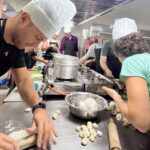
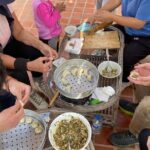
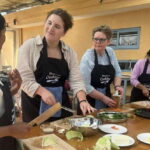
4) Folding the momos (where your hands finally learn)
Folding is the showpiece. It’s also where people get nervous. But in a hands-on class, nervous usually turns into focus fast. You’ll learn the folding method step-by-step, and you’ll practice until you can make dumplings that seal properly.
This is also a great moment for questions. Ask what your host looks for—thickness of dough, how tightly to seal, and how to avoid leaks.
5) Cooking the momos
After folding, you’ll cook your dumplings. That part turns theory into food. You’ll see how your folding holds up and how the dough texture changes during cooking.
Even if you don’t get perfect shapes every time, you’ll still learn the key idea: technique affects the final bite.
Choosing Chicken, Buffalo, or Veg: What You’ll Actually Make
Momos in Nepal come in many styles, and this class focuses on the ones most common in everyday eating: chicken, buff (buffalo), and veg momos. Your group will do either veg and non-veg, depending on what you choose or what the session includes.
Why does this matter for you? Because you’ll learn how filling style changes your dumpling workflow. Different fillings can feel different in texture and portioning, which affects how you fold.
If you’re vegetarian, veg momos keep the class fully practical—no “skipping” the important parts. You still knead dough, fold, and cook. If you’re not vegetarian, chicken and buffalo options give you that classic Nepal momo experience that most people come seeking when they land in Kathmandu.
One practical note: the listing doesn’t say you’ll make every variety in one sitting. So I suggest you arrive with a clear preference—veg, chicken, buffalo, or a mix—so you’re not deciding mid-class when your hands are already elbow-deep in dough.
Sitting Down With the Host Family: The Meal and Conversation Part
The best part of this kind of cooking class is rarely the stove. It’s what happens after you finish: you sit with the host and family to enjoy the momos and talk.
This is where the value shows up. The $35 price isn’t just for learning dumpling mechanics. It’s also for being fed by the people who taught you, in a setting that feels ordinary—in other words, real. You’re not just buying a ticket. You’re getting a glimpse of family food culture.
You’ll also get a natural chance to ask everyday questions: what Nepali dumplings are like at home, what people order most often, and how they think about flavor. If you’re traveling solo, that conversation is a surprisingly easy way to connect. If you’re traveling with family, it helps turn the cooking into a shared story you’ll actually remember.
One review experience that matches what this class sets out to do: the instructor was friendly and patient, which makes the class workable for a mixed group including kids. Cooking with family-style energy is usually more fun than a formal class where everyone stays silent.
Price and Logistics: What You Get for $35 in Kathmandu
$35 might feel small or big depending on your travel style, so here’s the way I’d judge it. You’re paying for:
- 2.5 hours of hands-on instruction in dough, filling, folding, and cooking
- Access to a local host’s kitchen (not a generic facility)
- A shared moment to eat what you made with the family
- A setup that’s private for your group
For Kathmandu, that’s solid value because you’re learning a repeatable skill. If you cook momos later at home, the class becomes a souvenir you actually use.
As for getting there, your start point is clear: People’s Dental College & Hospital, Sorakhutte Sorakhutte Chowk area in Kathmandu (44600). The activity ends back at the meeting point, so you’re not left figuring out your next leg when you’re already thinking about dinner.
Also keep in mind: some groups may be met by a guide for a short transfer to the home kitchen. But the listed meeting point is your reliable anchor.
Bring comfortable clothes. You’re working with dough. You may not want your best shirt anywhere near flour.
Who This Works Best For (and Who Should Skip It)
This class is ideal if you want more than a meal. You should book it if you like:
- Learning food techniques you can repeat
- Eating what you cooked with local people
- An activity that’s fun even if you’re new to cooking
It also seems to fit families well. The teaching style described here is patient and beginner-friendly, which matters when kids want to help but don’t have the patience of seasoned chefs.
Who should skip it? If you have gluten allergies, this is not recommended. Dumplings are dough-driven, and the risk is real enough that you shouldn’t gamble.
If you’re traveling with very strict dietary rules beyond gluten, you’ll want to clarify ahead of time what options are available. The class clearly mentions veg and non-veg, plus chicken and buffalo styles, so at least the core choices are defined.
Tips to Get Better Dumplings (and a Better Time)
You don’t need cooking experience. You just need a good attitude and a few practical habits.
Watch the dough stage closely
The dough is the foundation. When you knead, focus on how it changes under your hands—elastic, smooth, and workable. If it feels stiff or sticky, pay attention to what the host does next time around.
Take your folding seriously, then stop overthinking
Folding is where most people get tense. Instead of chasing perfection, aim for a good seal and consistent thickness. You’ll likely make a few uneven dumplings at first. That’s normal. The goal is to learn the technique so you can improve.
Ask questions when your hands pause
Don’t wait until the end. If you’re unsure about thickness, portion, or sealing, ask right then. In a small, private group setup, you’ll usually get a straight answer.
Go hungry for your own momo dinner
You’ll end up eating the momos you prepared. That means you should plan your day so you’re ready for food, not stuffed from lunch. Kathmandu can tempt you with snacks on every corner, so timing helps.
Should You Book the Momo Cooking Class With I. Experience Nepal?
I think you should book this if you want an authentic Kathmandu experience that’s not just sightseeing with a snack stop. The combination of hands-on momo making and eating together with the host family makes it feel personal and memorable. It’s also a good first-cooking-class choice because the focus stays on core steps: kneading, filling prep, folding, cooking, then sharing the results.
I would not book it if gluten allergies are part of your trip. That’s the one clear “no” from the information provided.
If you’re debating between another food tour and this class, consider what you want to carry home. A momo meal is great. A momo skill is better—and this class teaches you the process in a way you can actually use again later.
FAQ
How long is the momo cooking class?
It’s about 2 hours 30 minutes.
How much does the class cost?
The price is $35.00 per person.
Where does the experience start?
The meeting point is People’s Dental College & Hospital, Sorakhutte Sorakhutte Chowk, Kathmandu 44600, Nepal.
Where does it end?
It ends back at the same meeting point.
Is this a private activity?
Yes. Only your group participates.
Will I make momos myself?
Yes. You’ll learn the full process including kneading dough, preparing ingredients, folding momos, and cooking them.
What types of momos are included?
The class includes both veg and non-veg momos, with types mentioned as chicken and buff (buffalo) in addition to veg.
Is a mobile ticket used?
Yes, it includes a mobile ticket.
Is it near public transportation?
Yes, the meeting point is near public transportation.
Is it suitable for gluten allergies?
It is not recommended for travelers with gluten allergies.
FAQ
Is free cancellation available?
Yes, free cancellation is available up to 24 hours before the experience start time for a full refund.
Do I get a confirmation after booking?
Confirmation is received at the time of booking.