REVIEW · MARRAKESH
Marrakech: Moroccan Cooking Class with a Local Family
Book on GetYourGuide →Operated by Cooking class with chef Fatima · Bookable on GetYourGuide
A Marrakech meal you can make by hand.
This Moroccan cooking class puts you in an authentic house inside the Medina, where you learn the ingredients, cook in a real family setting, and eat what you made. Expect a hands-on flow led by Chef Fatima or Yasser, plus conversation that goes beyond food.
I especially love the hands-on cooking format and how the instructors keep everyone involved, from simple prep to actually shaping and cooking the dishes. I also love the spice and ingredient coaching, including practical guidance on what to buy and how to choose it in the souks, and the fact that you leave with recipes.
One consideration: transport isn’t included, and this class is built around the cooking itself rather than a long afternoon market walk. If you’re hoping to spend most of your time wandering the souks, you may need to plan that separately.
In This Review
- Key highlights to look forward to
- Why This Marrakech Moroccan Cooking Class Feels Like Real Life
- Getting There: Meeting Point in the Medina (and Why It Matters)
- The Spice Lesson: How Moroccan Flavor Starts Before the Stove
- The Cooking House Experience: Tea, Family Conversation, and Real Rhythm
- What You’ll Cook: Starter, Main Dish, and Dessert
- Starter: Moroccan salads or briwat
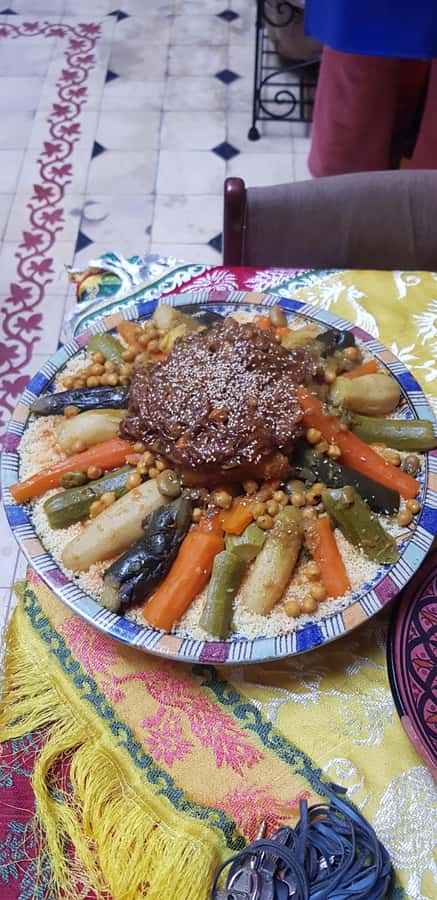
- Main dish: Tajine, couscous, or tanjya
- Dessert: The sweet finish you’ll actually understand
- Eating Together: The Part That Makes It Worth the Time
- Vegetarian, Vegan, and Allergies: How Flexible It Really Is
- What You Get Back Home: Recipes, PDFs, and Videos
- Price and Value: $33 for 4 Hours of Hands-On Cooking
- Timing, Weather, and Comfort Tips
- Who This Marrakech Cooking Class Suits Best
- Should You Book This Marrakech Cooking Class or Skip It?
- FAQ
- How long is the Moroccan cooking class in Marrakech?
- What is the price per person?
- Where do I meet the chef or greeter?
- What’s included in the price?
- Can I join if I’m vegetarian, vegan, or have allergies?
- Do I need transport to get there?
Key highlights to look forward to
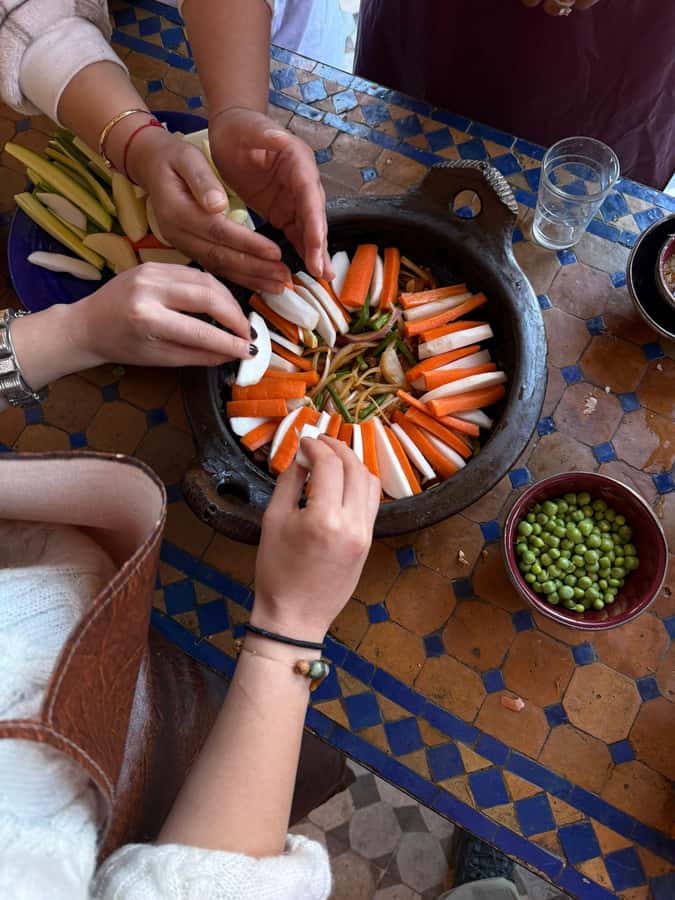
- Chef-led, family-style cooking in an authentic Moroccan house
- Spice coaching that helps you shop smarter in the souks
- You cook the meal, not just watch, with starter, main, and dessert
- All dietary needs welcomed, including vegetarian and vegan
- Take-home recipes and instructions (PDFs/videos) for cooking later
- A great meal outcome, often described as the best in Marrakech
Why This Marrakech Moroccan Cooking Class Feels Like Real Life
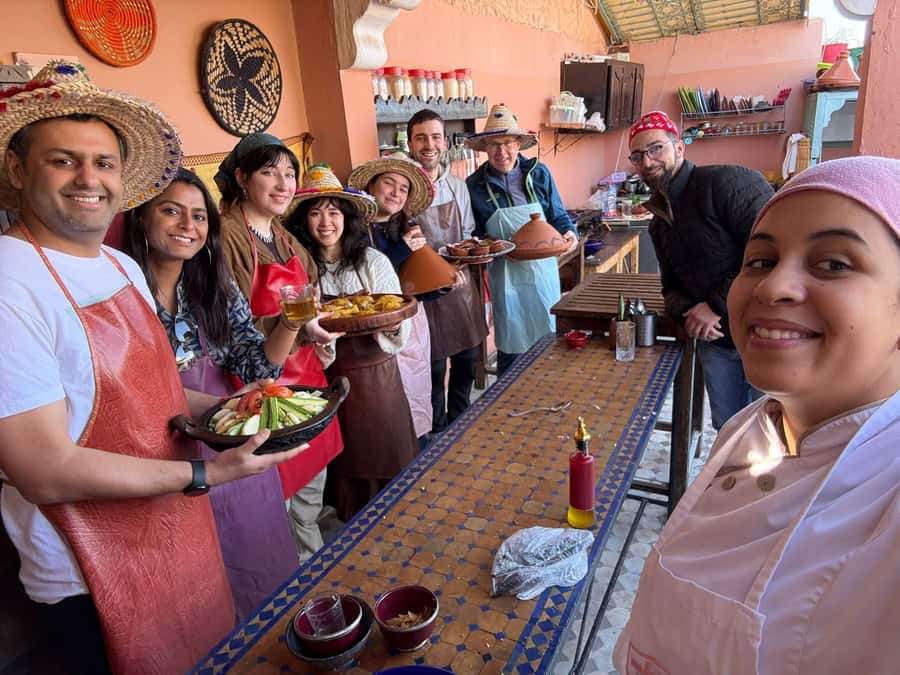
Marrakech can feel like a lot at once. Loud squares, fast hawkers, and menus that look similar until you taste them. This cooking class slows everything down and hands you the real “how” behind Moroccan flavor.
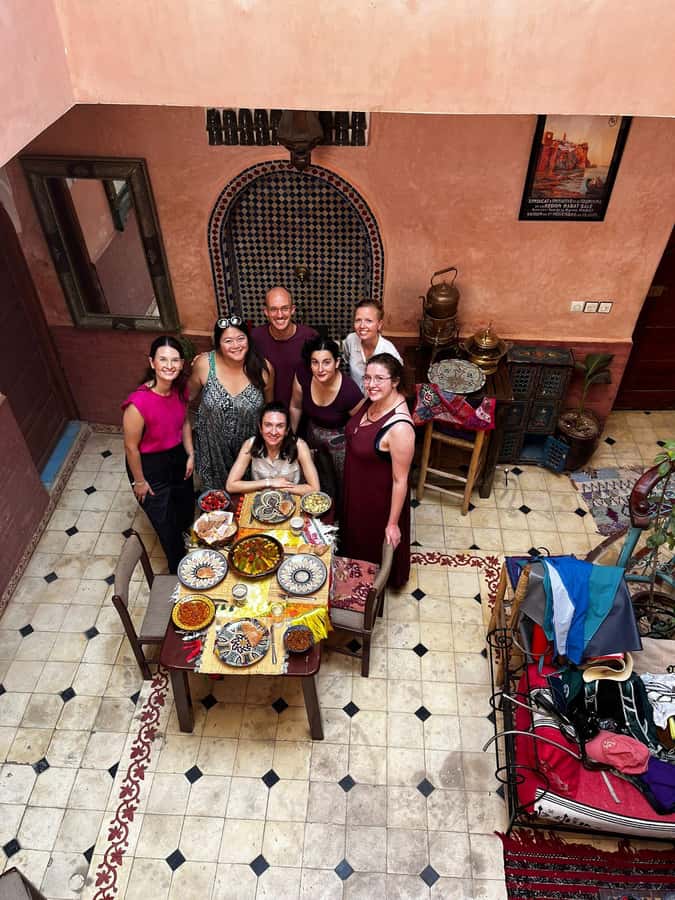
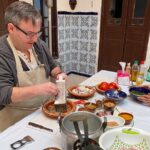
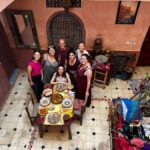
The setting matters. You’re not cooking in a hotel kitchen. You’re welcomed into a home in the Medina, where tea and conversation come first, and the chef’s family tone makes it feel normal to be there.
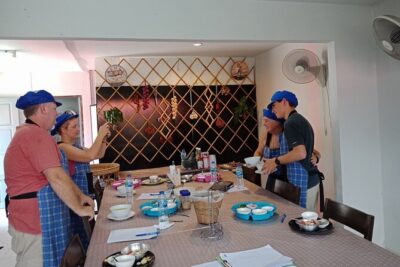
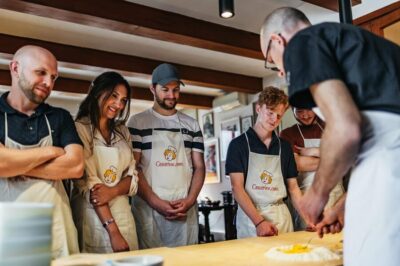
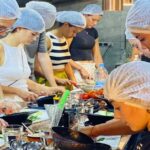
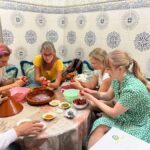
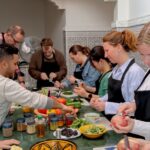
You’ll also notice the teaching style. Chef Fatima and Yasser are both active in the room, and the class is designed so you do something at each stage, not just stand around. The vibe is friendly but focused, like a good meal shared with people who really care about getting it right.
You can also read our reviews of more tours and experiences in Marrakesh.
Getting There: Meeting Point in the Medina (and Why It Matters)
You meet at the front of Andalusia Restaurant, next to Mohamed 5 Highschool. That’s useful because it gives you a clear landmark when you’re navigating Medina lanes that can feel like a maze.
Plan to arrive a little early. The Medina can be confusing the first time, and you want time to find the exact spot before the class starts. Also, build the mindset that you’ll be on foot for a bit; this is part of the experience, even if transport isn’t provided.
If your schedule is tight, it helps to know what you’re not getting. There’s no listed transport included, so you’ll want to sort out your own ride from your riad or hotel. Once you’re there, though, everything else is handled: drinks, equipment, and the full cooking flow.
The Spice Lesson: How Moroccan Flavor Starts Before the Stove
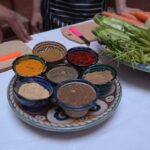
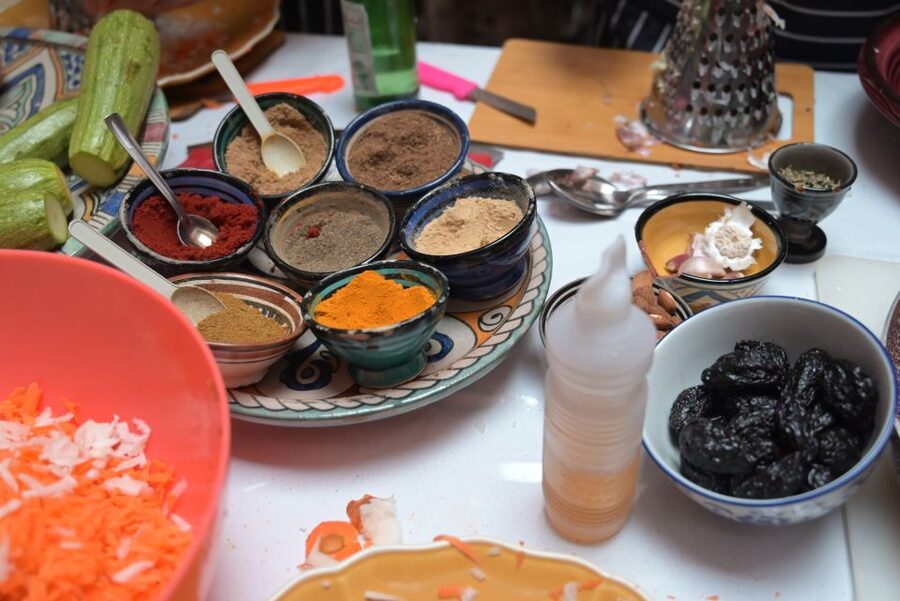
One of the best parts is the early focus on spices and ingredients. You’ll learn what you’re tasting, where it shows up in Moroccan cooking, and how to think about balancing flavors. That’s not just trivia. It’s the difference between copying a recipe and understanding why it works.
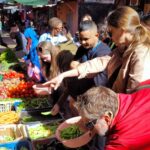
The chef breaks down spices you’ll notice in Moroccan dishes, so you can shop with confidence in the souks later. Some people go home with a tajine and a bag of spices that never quite tastes right. This kind of intro helps you buy smarter and use the spices in the right spirit, not just by guesswork.
You’ll also hear practical guidance that can save money. A recurring theme is avoiding being overcharged and learning what good quality looks like. If you’re planning to buy saffron, paprika-like blends, preserved lemon, cumin, or ras el hanout, this class gives you a better shot at getting value.
The Cooking House Experience: Tea, Family Conversation, and Real Rhythm
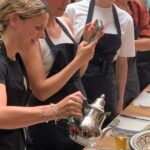
Before you start cooking, you’re greeted with Moroccan tea, coffee, or juice. Then the chef’s family chats with you, and the room shifts into that relaxed, welcoming pace Moroccan hospitality is known for.
This part is more than nice atmosphere. It helps you relax so you can actually learn. When you’re not rushing, you notice details like how spices smell when toasted, or how textures change as a sauce reduces. Those are the moments you’d miss in a rushed demo.
The instructors also manage the group well. People have talked about how the chef and assistants make sure everyone gets a turn, including families with kids and people of different ages. That means beginners feel guided, and confident cooks still get things to try.
If you’re sensitive to heat or cooking pace, keep in mind that some prep work may be handled by assistants. For example, some classes keep the messier tasks light so you can focus on hands-on techniques at the stations where you’ll get the most learning.
What You’ll Cook: Starter, Main Dish, and Dessert
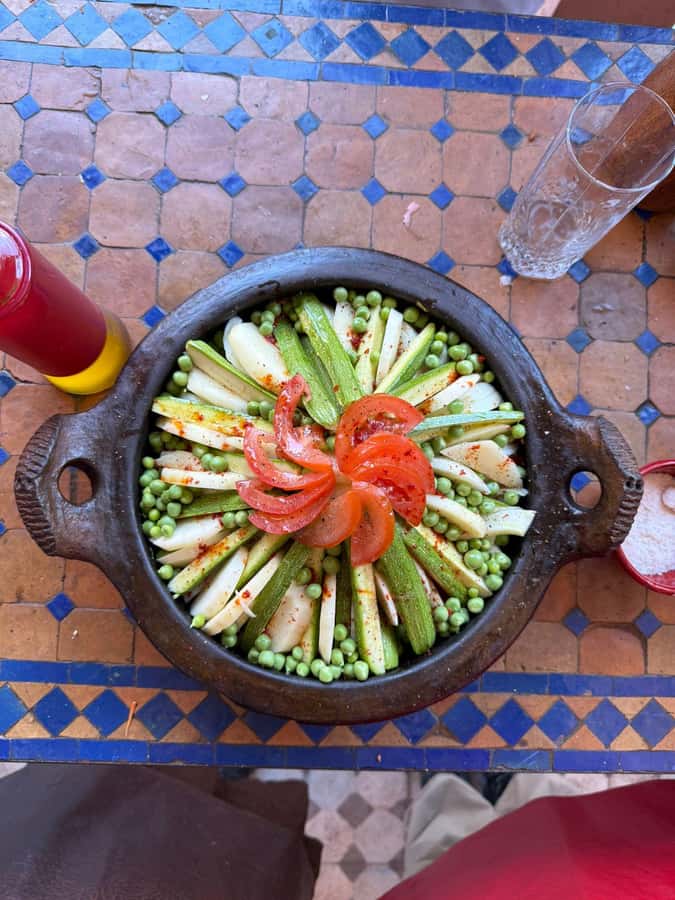
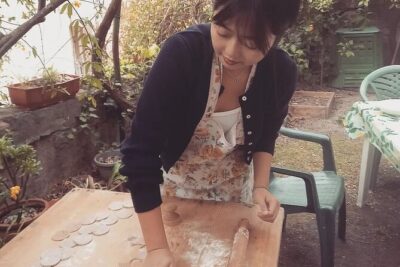
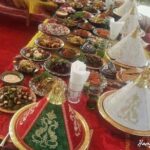
This class is built around a full meal. You’ll typically cook a starter, a main dish, and a dessert, with menu choices such as Moroccan salads or briwat for starters, plus classics like tajines, couscous, or tanjya for the main course. Dessert is part of the session too.
Starter: Moroccan salads or briwat
A starter sets the flavor direction. If your session includes Moroccan salads, you’ll practice balancing fresh ingredients with spices and dressing-style flavor. If it’s briwat, you’re looking at technique and texture—how fillings are prepared and how pastry should handle without getting soggy or cracking.
Main dish: Tajine, couscous, or tanjya
The main is where the “Moroccan cooking logic” becomes clear. Tagines and their cousins are about seasoning, layering, and timing. Even if you’ve cooked before, you’ll likely learn a few new methods for getting the sauce right.
People often walk away thinking the tajine or main dish tastes better than restaurant versions they had earlier in the trip. That makes sense. You’re cooking it while learning what to adjust, and you’re eating it fresh, not reheated.
You may also see how sides get handled. Several people highlight that you’ll do sides as well as the main dish, which gives you a more complete picture of the meal, not just one plate.
Dessert: The sweet finish you’ll actually understand
Moroccan dessert isn’t an afterthought. The chef’s teaching style makes it part of the learning arc, so you’re not just “waiting for sugar.” When you cook it yourself, you understand how sweetness is balanced with flavor notes from spices and ingredients.
Eating Together: The Part That Makes It Worth the Time
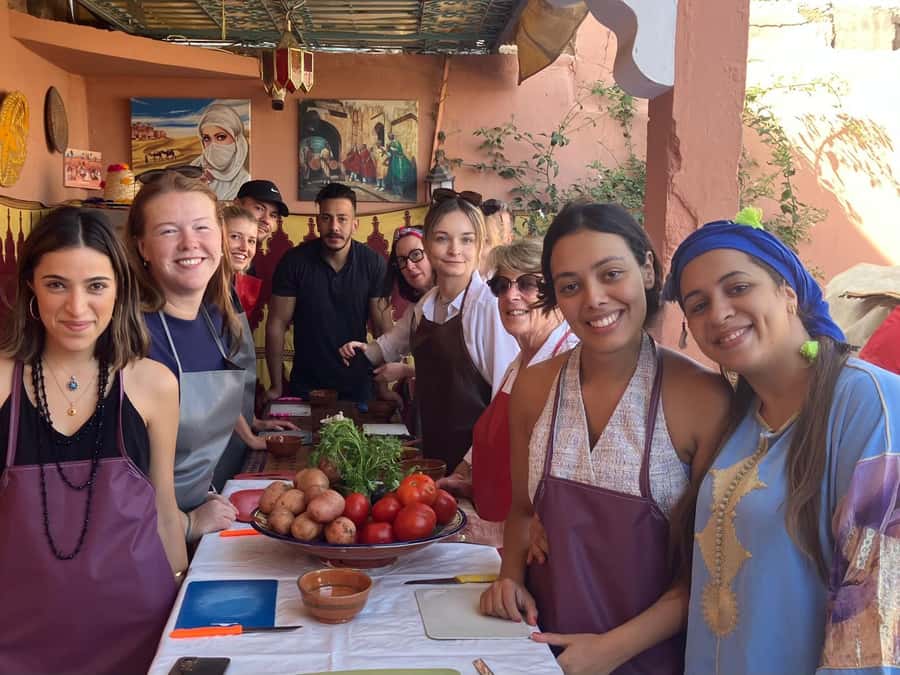
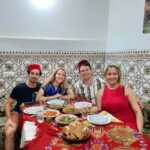
When you eat, you’re eating the meal you cooked, as a group, with the family atmosphere still in place. That matters because you get fast feedback on your work.
This is also where you realize why the class gets described as the best meal in Marrakech by many people. You’re not just tasting Moroccan food. You’re tasting Moroccan food made with attention, while the techniques are still fresh in your mind.
And yes, it feels special. There’s something about eating a tagine you helped build that changes how you read the flavors. Even if you’re not a “foodie,” you’ll remember this part of the day.
Vegetarian, Vegan, and Allergies: How Flexible It Really Is
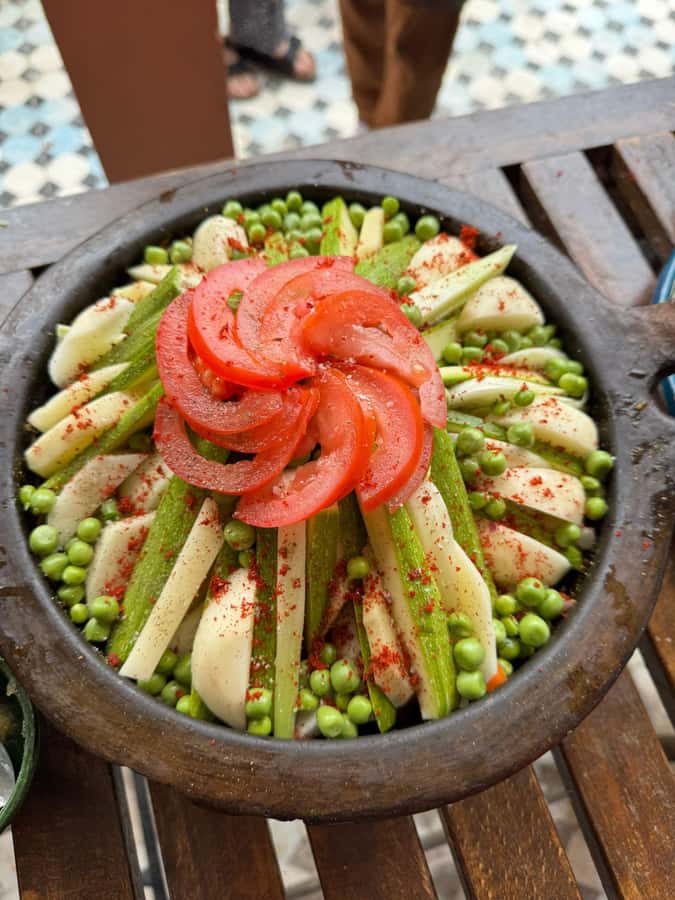
You’ll be told up front that vegetarian, vegan, and allergies won’t be a problem. In practice, that’s huge. Marrakech is full of food temptations, but it can be hard to find classes that don’t just say yes while quietly making you a plate that’s missing half the point.
Here, the structure is designed so the class can adjust to you without breaking the learning flow. That means you can still cook, still taste, and still end with a full meal.
If you have allergies, you’ll want to communicate them clearly when you confirm your spot. Then the chef can shape the menu so you’re cooking something you can safely eat.
What You Get Back Home: Recipes, PDFs, and Videos
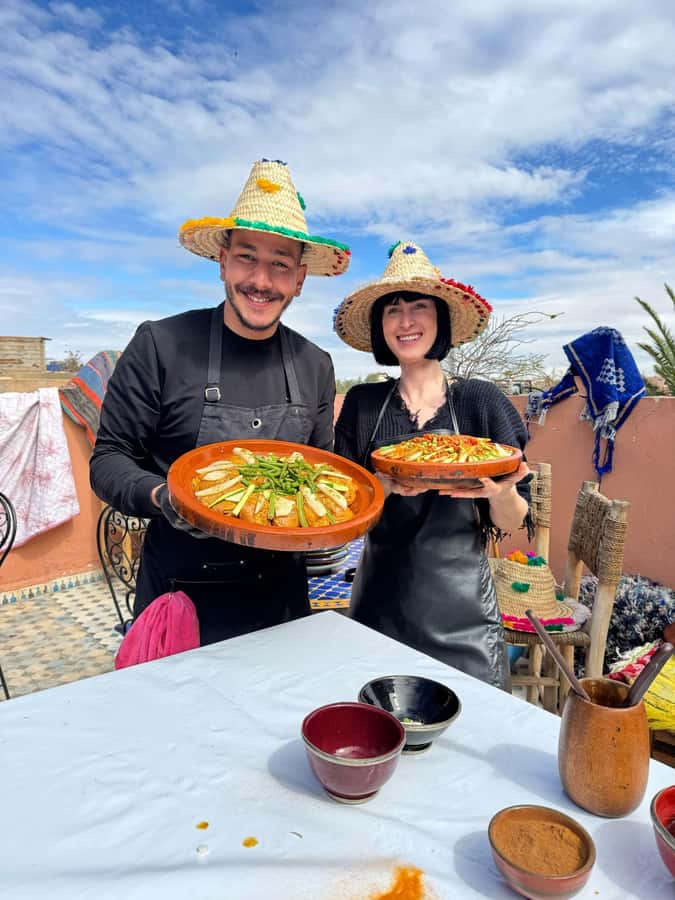
One of the strongest takeaways is that you get the recipes at the end. People specifically mention receiving PDF recipes, plus instruction videos. That is the difference between a fun afternoon and a skill you can repeat.
When you have a recipe plus how-to visuals, you can recreate the dish with less guesswork. And since the spice lesson taught you what flavors to look for, you’re more likely to nail the taste instead of just the steps.
If you’ve ever bought spices in Marrakech and then struggled to use them later, this is where the class pays off twice. You’re not just leaving with bags of ingredients. You’re leaving with an actual plan for using them.
Price and Value: $33 for 4 Hours of Hands-On Cooking
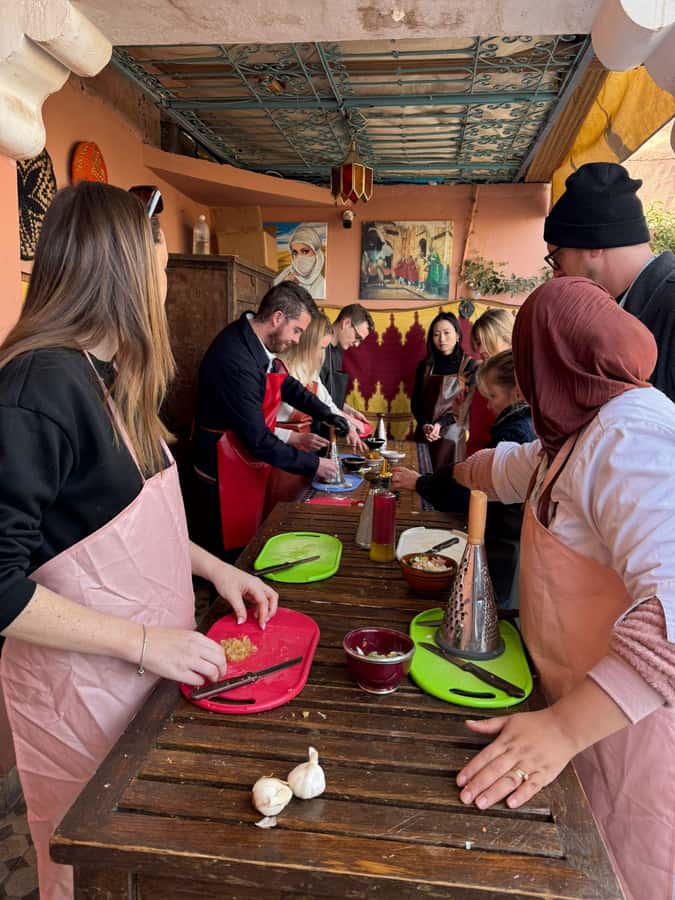
At about $33 per person for 4 hours, this class is priced in the range where you expect mostly guidance. Here, you also get a full cooking lesson, equipment, drinks and cookies, and the meal you make.
Think about what that means on the ground. A sit-down Moroccan lunch can cost more than this, and you usually don’t leave with recipes or a lesson you can repeat. This gives you the “restaurant result” plus the learning that leads to your own future cooking.
Also, the fact that you can book flexible options like pay later and free cancellation up to 24 hours in advance makes it easier to fit into your trip. It’s a good activity to schedule early, when you still want to learn before buying spices or a tagine.
Timing, Weather, and Comfort Tips
You’re looking at a 4-hour block. That’s long enough to cook properly and eat together, but not so long that it becomes a chore. Still, plan for walking in the Medina and for time spent moving between cooking areas.
Bring a layer. People have mentioned classes sometimes happen on a rooftop terrace in colder months and that a sweater or jacket can help. Even when the cooking gets warm, cool evening air can catch you off guard.
If you have any mobility needs, the activity is listed as wheelchair accessible. That’s worth checking in advance if your route from your lodging might be tricky, but it’s good to see it included.
Who This Marrakech Cooking Class Suits Best
This is a strong pick if you want:
- Real Moroccan cooking techniques you can repeat at home
- A family-style atmosphere with a chef and assistants who keep you involved
- A full meal experience that’s hands-on, not just a show
It’s also great for groups and mixed skill levels. People talk about being able to include children, and also about how beginners can follow instructions without feeling lost.
If you already know Moroccan cooking and just want a quick taste, you might find the session more educational than necessary. And if your main goal is roaming the souks, you may prefer to pair this with a separate market morning so you get both worlds.
Should You Book This Marrakech Cooking Class or Skip It?
Book it if you want your Marrakech memories to be more than photos. For $33, you get a guided spice education, hands-on cooking practice, and a meal that’s tied to the work you did. The take-home recipes and videos make it easy to keep the skill after your trip ends.
Skip it only if your schedule leaves no room for a full 4-hour block or if you strongly want an afternoon market walk as the main event. This class is about cooking and culture through food, not a long guided stroll.
If you’re planning to buy spices, eat vegetarian or vegan meals, or simply want the best version of a tagine you can get, this one is a smart bet.
FAQ
How long is the Moroccan cooking class in Marrakech?
The class runs for 4 hours.
What is the price per person?
The price is $33 per person.
Where do I meet the chef or greeter?
You meet in front of Andalusia Restaurant, next to Mohamed 5 Highschool.
What’s included in the price?
It includes drinks and cookies, the cooking lesson, equipment, drinks, and the meal.
Can I join if I’m vegetarian, vegan, or have allergies?
Yes. Vegetarian, vegan, and allergies are stated as not being a problem.
Do I need transport to get there?
Transport is not included, so you’ll need to arrange your own way to the meeting point.