REVIEW · MARRAKESH
Marrakech: Cooking Class and Market Visit
Book on GetYourGuide →Operated by Terra Nomadic Travels · Bookable on GetYourGuide
Tajine tastes better when you build it. This 4-hour Marrakech experience pairs a local souk ingredient hunt with hands-on cooking in a traditional Moroccan house, so you leave with more than a full stomach. I like the straightforward focus on making one standout Moroccan dish from scratch, with real instruction from the people running the kitchen.
I also love the calm, intimate side of the experience: Moroccan tea, served in a pure Moroccan atmosphere, plus cultural touches like a tea ceremony and a few Arabic words. The only drawback to plan for is that hotel pickup isn’t included, so you’ll need to get yourself to the meeting point and keep the timing tight for a short, packed session.
In This Review
- Key highlights at a glance
- A 4-Hour Marrakech Plan That Actually Feels Like Morocco
- Souk Time: Buying Ingredients the Local Way
- Entering a Typical Moroccan House with Real Hosts
- The Tajine Cooking Session: From Ingredient to Technique
- What You Eat: Lunch That Comes from Your Own Work
- Moroccan Tea Ceremony: More Than a Warm-Up
- Price and Logistics: Getting Value from $51
- Who This Marrakech Class Is Best For
- Should You Book This Marrakech Cooking Class and Market Visit?
- FAQ
- What is the duration of the Marrakech Cooking Class and Market Visit?
- How much does it cost per person?
- What is included in the price?
- Is hotel pickup included?
- Do you cook a Moroccan tajine during the class?
- Is Moroccan tea included?
- What languages are available for the instructor?
- Is the activity wheelchair accessible?
- What is the cancellation policy?
Key highlights at a glance
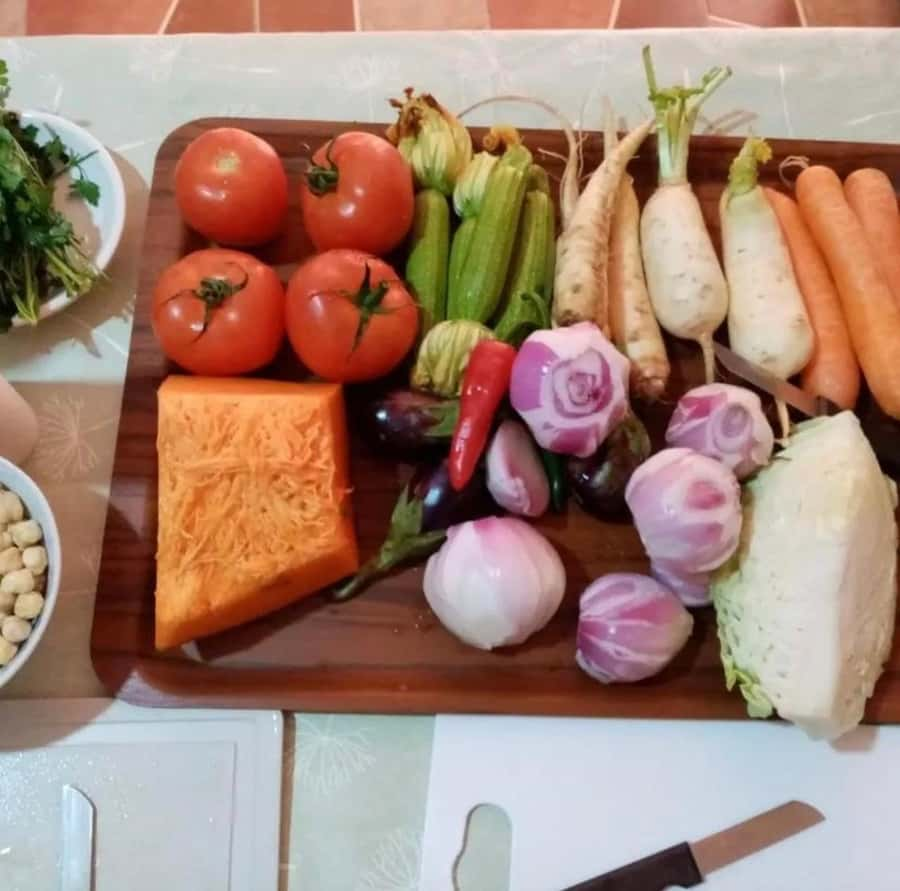
- Souk ingredient shopping so the dish starts with the right items, not just a fixed menu
- Hands-on tajine cooking with an expert host in a typical Moroccan house
- Moroccan tea break before and after cooking, including tea-ceremony instruction
- Family-style hosting with warm, personal energy (including birthday-sized surprises in some cases)
- You eat what you cook, straight from the home kitchen, not after a detour to a restaurant
A 4-Hour Marrakech Plan That Actually Feels Like Morocco
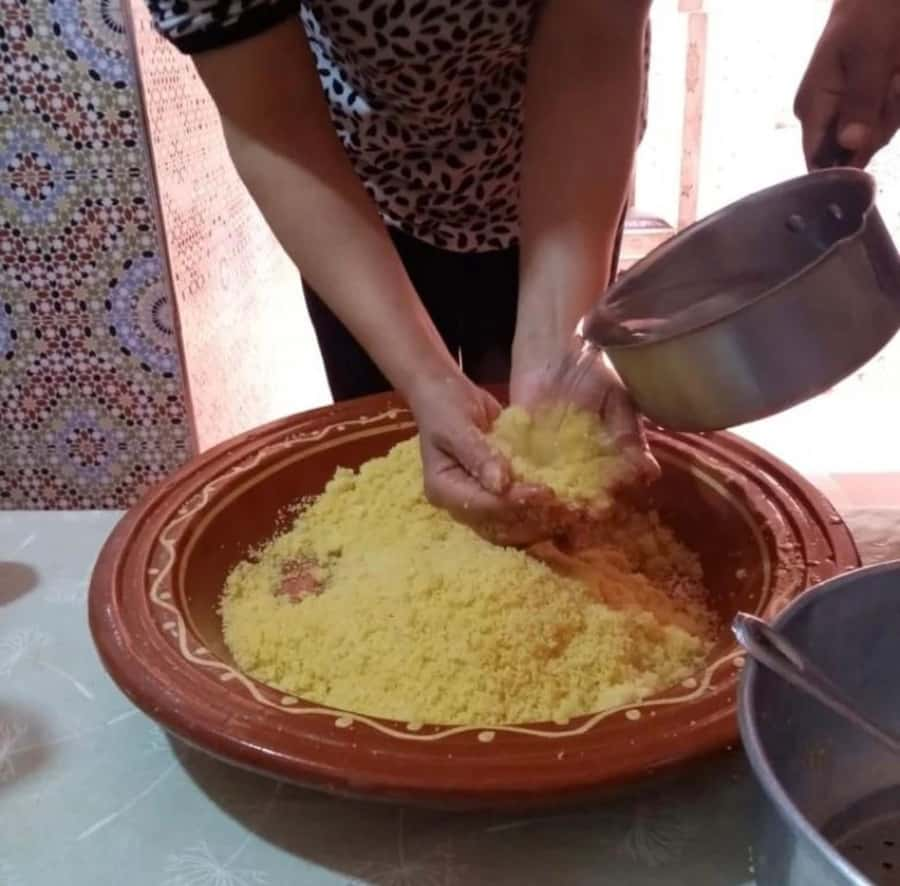
Marrakech can overwhelm you fast. Noise, crowds, and way too many “see it all” tours. This one is simpler. It’s about one outcome: learn how to make a Moroccan tajine (and enjoy your meal in the same home where you cooked), with a short market stop to gather ingredients first.
The timing is part of the value. At 4 hours, you get the key beats—souks, tea, cooking, lunch—without losing half a day to transit and waiting. For first-time visitors, that matters. For repeat visitors, it’s also a nice change from purely sightseeing-focused days.
What you can expect is a guided flow: you go from a meeting point to a traditional Moroccan home, start with Moroccan tea, cook with an expert host, eat your tajine there, then head back. The experience runs in languages like French, Arabic, and English, which makes it easier to ask real questions instead of guessing what’s happening in the kitchen.
You can also read our reviews of more tours and experiences in Marrakesh.

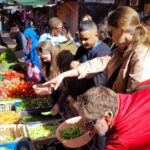
Souk Time: Buying Ingredients the Local Way
The “market visit” part isn’t window-shopping theater. The goal is that you’re learning what to buy and why, as part of making your dish. In the experience outline, you’re meant to “make your shop from a local souk,” and that ingredient hunt becomes the foundation of your cooking session.
In practice, you’ll walk through local stalls with your host and likely get a clearer sense of how Moroccan cooking starts: spices, aromatics, and key ingredients are chosen for the dish you’re making. It’s also one of the best moments to ask practical questions, like what ingredient matters most for flavor or texture.
One thing I appreciate here is that the market portion makes the whole class make sense. When you buy the ingredients yourself, you stop thinking of the tajine as just a prepared dish and start thinking in terms of building flavor step by step. You’ll notice that more when you’re back in the kitchen.
If your plan is a low-key day, pair this with something nearby afterward. The market walking can add up, and you’ll want time to settle after lunch.
Entering a Typical Moroccan House with Real Hosts
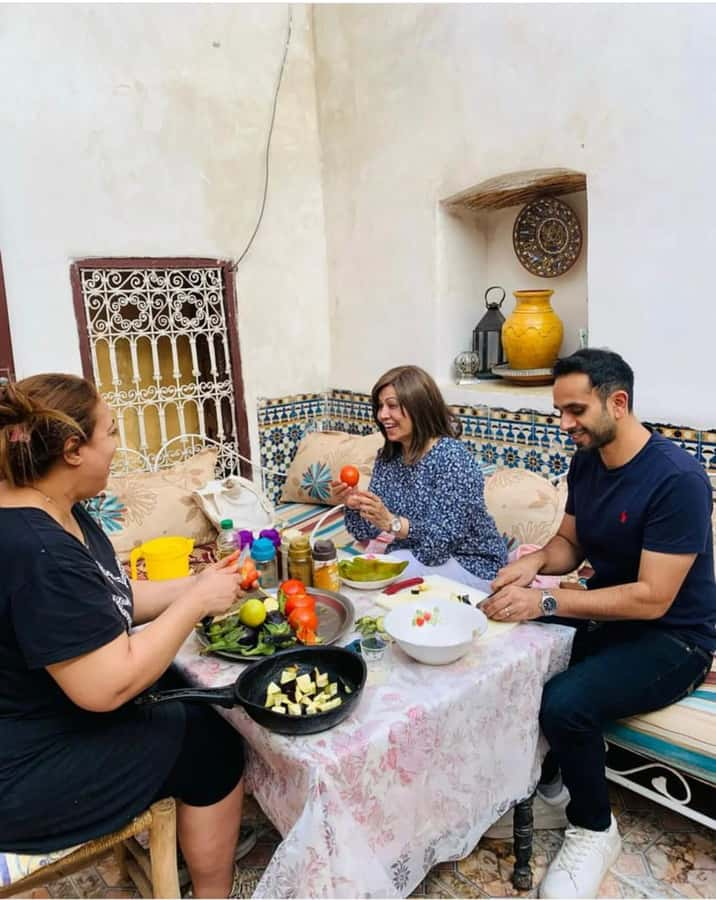
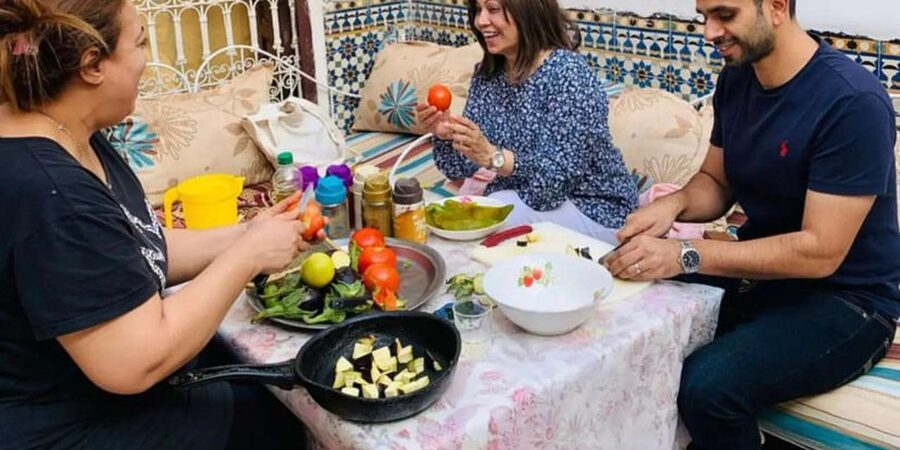
The cooking happens in a typical Moroccan house, not a demo studio. That matters. Moroccan home kitchens have a rhythm and comfort level you won’t get in a formal classroom. You’re learning in the space where people actually live, eat, and host.
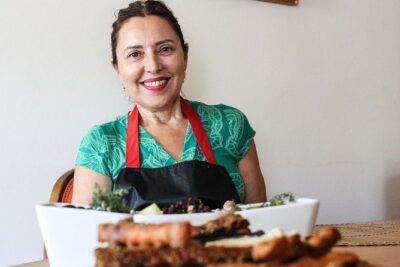
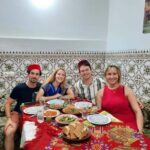
The hosts are a big part of the charm. You may meet Amina and her sister Hadija, who guide the cooking at home with a warm, welcoming approach. Another host you might hear about is Laila—and in at least one case, the family treated a birthday guest as part of the moment, even creating an anniversary-style cake with a candle. That tells you the vibe: this isn’t just instructions; it’s hospitality.
Because language options include French, Arabic, and English, the communication tends to feel human rather than scripted. It’s the kind of setup where asking why something is done a certain way feels normal.
And since you eat in the same house, the “tour” doesn’t abruptly switch into restaurant mode. You stay in that home atmosphere right through dessert and tea.
The Tajine Cooking Session: From Ingredient to Technique
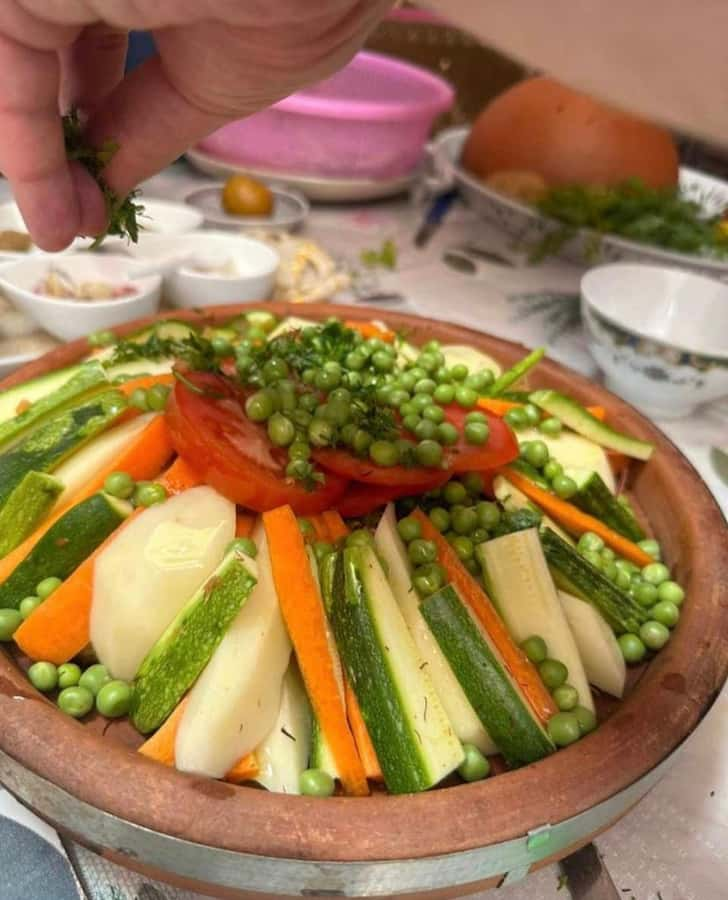
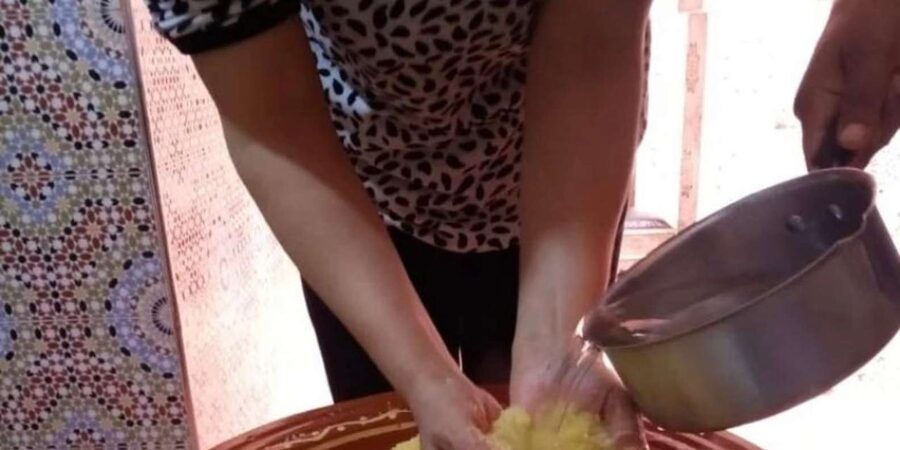
The centerpiece of the class is cooking a Moroccan tajine with an expert cooker. The experience is structured so you don’t just watch; you help, you handle, and you learn the steps needed to get a tasty result.
Here’s what the instruction emphasis really means for you:
- You’re not memorizing a recipe for a single night.
- You’re learning a workflow you can repeat later, with your own ingredient choices.
Tajine cooking relies on timing, heat control, and layering flavor. Even without heavy theory, you’ll see how the process comes together. You start with ingredient prep, then cooking builds into the final dish. The course is designed so you discover the richness of Moroccan food from scratch rather than relying on a shortcut.
You’ll also get practical guidance while the dish is cooking, which is useful if you’re the type who wants to understand what to watch for (aroma changes, the feel of ingredients, and how everything comes together). The goal is that after you taste what you made, it feels doable at home—like you could recreate it, not just copy steps.
Also, the class isn’t purely “spice and stir.” Some versions include additional Moroccan dishes beyond the main tajine, like Moroccan salad and zaalouk, plus dessert. Those extras are a great payoff when they’re part of your group plan because they round out the meal beyond one pot.
What You Eat: Lunch That Comes from Your Own Work
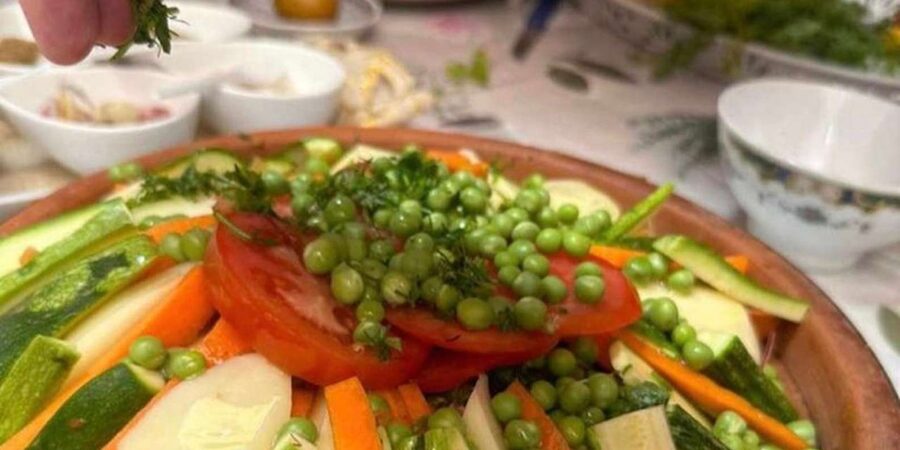
The meal is included, and it’s not an add-on. You cook your tajine, then eat it in the home. That’s a key difference versus many food tours where the cooking is a quick photo stop and lunch is elsewhere.
For you, the payoff is simple: you’ll know what effort went into your food. When the meal arrives, it stops being something you merely consume. It becomes proof of the techniques you just learned.
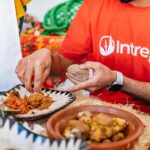
Depending on the session, the lunch experience can include not only the tajine but also sides like Moroccan salad and zaalouk, plus dessert. Tea is part of the meal flow too, so you’re likely to get multiple moments of sipping and chatting rather than one quick cup.
One detail that people love is the bread moment that can happen around the meal segment. In one account, the group picked up fresh bread from a local baker, described as being in a dark, unmarked space in a district cellar. If your day includes this, it’s a reminder that Moroccan food culture isn’t just about dishes—it’s also about what’s baked fresh nearby to eat with them.


Moroccan Tea Ceremony: More Than a Warm-Up
Moroccan tea is the kind of hospitality that changes the mood of a whole day. Before cooking, you enjoy a tasty Moroccan tea. After eating, tea often returns again, with instruction on how to do a proper tea ceremony and even a few Arabic words.
For me, this is one of the most practical cultural parts of the experience. It teaches you a ritual you can repeat later at home. Even if you never master the exact style, you’ll learn the idea behind it: presentation, pouring, and pacing.
And because the tea happens in a home setting, it feels less like a “performance” and more like how people actually welcome guests. You’ll likely have time to ask questions while tea is served, which keeps the session from feeling rushed.
If you’re the type who enjoys small cultural details, this tea segment can be as memorable as the cooking itself. It also helps you slow down after the market walk.
Price and Logistics: Getting Value from $51
At $51 per person for about 4 hours, you’re paying for more than the ingredients. You’re paying for instruction, a meal, and tea served across the session. The included items are the cooking class, lunch (Moroccan tajine), and tea.
What’s not included is hotel pickup. That’s the main logistics note. You’ll want to plan how you’ll reach the meeting point without stress, because the day’s structure depends on starting on time. If you prefer door-to-door comfort, you might find this a small hassle. If you’re comfortable navigating Marrakech a bit, it’s usually manageable.
Is it good value? In my view, yes, because you get:
- Market time tied directly to your meal
- A real home-kitchen cooking session
- Lunch built from your own work
- Tea, plus tea ceremony instruction
For comparison, many cooking experiences charge more for a less hands-on setup and still serve lunch with minimal connection to what you learned. Here, the “you cook it, then you eat it” link is the core value.
If you like flexibility, the experience offers free cancellation up to 24 hours in advance and a reserve-now-pay-later option, which makes it easier to keep your itinerary fluid.
Who This Marrakech Class Is Best For
This tour fits travelers who want practical cultural immersion without committing to an all-day plan. You’ll probably enjoy it if:
- You like hands-on cooking more than watching demos
- You want one Moroccan dish mastered, with a recipe you can repeat
- You’d rather eat in a home than in a tourist restaurant
- You enjoy tea rituals and small language/culture moments
It also works well for travelers who don’t want to be stuck in a big group. One account described a solo participant situation, which meant lots of room for questions and personal attention. You might not get a one-person group every time, but the format is designed so your host can explain and guide.
If you’re traveling with mobility needs, the experience is wheelchair accessible, which is an important checkbox.
Should You Book This Marrakech Cooking Class and Market Visit?
If your goal is a meaningful Marrakech food day, I’d book it—especially if you want more than a meal and you want to understand the process behind a Moroccan tajine. The best part is the structure: souk shopping feeds directly into cooking, tea sets the tone, and lunch is what you made.
Skip it only if you strongly prefer hotel pickup or if you’re hunting for a full-day, wide-ranging city tour. This experience is focused and short by design. It rewards people who want depth in one bite-sized slice of local life.
If you book, come ready to ask questions, and don’t rush the tea moments. That’s where the hosts slow things down, and that’s where you’ll learn how to bring Marrakech into your kitchen back home.
FAQ
What is the duration of the Marrakech Cooking Class and Market Visit?
The experience lasts about 4 hours.
How much does it cost per person?
The price is $51 per person.
What is included in the price?
It includes the cooking class, lunch (Moroccan tajine), and tea.
Is hotel pickup included?
No. Pick up from your hotel is not included.
Do you cook a Moroccan tajine during the class?
Yes. You cook a Moroccan tajine with help from an expert cooker and then eat the dish in the Moroccan house.
Is Moroccan tea included?
Yes. You enjoy Moroccan tea during the experience.
What languages are available for the instructor?
The instructor can speak French, Arabic, and English.
Is the activity wheelchair accessible?
Yes, it is wheelchair accessible.
What is the cancellation policy?
You can cancel up to 24 hours in advance for a full refund.