REVIEW · HANOI
DIY: Vietnamese Cooking Class
Book on Viator →Operated by Ha Food Tours · Bookable on Viator
Market smells set the tone fast. What makes this Hanoi class different is the order of operations: you start with a local market walk, then you move straight into cooking Vietnamese classics like pho and bun cha with instructor Bon guiding you step by step. I also like the small-group feel and the comfort extras, from cold towels to door-to-door pickup, so the experience stays easy even when you’re out for most of the day.
One thing to consider: this is truly hands-on. You’ll be chopping, mixing, frying, and assembling, so it’s less about watching and more about doing—and the menu depends on which option you choose (including a full vegetarian path if needed).
In This Review
- Key highlights worth planning for
- A Market-First Class in Hanoi: Where Flavor Starts
- Getting From Your Hotel to the Kitchen: Simple Logistics, Real Convenience
- The Menu Choices: Pho, Bun Cha, Nem, and a Vegetarian Path
- Option 1 tends to focus on bun cha and nem
- Option 2 tends to focus on pho plus grilled seafood or fish
- Vegetarian option is fully built around Vietnamese classics
- Inside the Hands-On Cooking: What You Actually Learn
- Market ingredients translate directly into your workstation
- You learn the flavor logic behind the dishes
- You get help while you cook
- Your meal includes more than just your own plate
- Pho, Bun Cha, and Nem: What Makes These Worth Mastering
- Pho: where broth balance rules
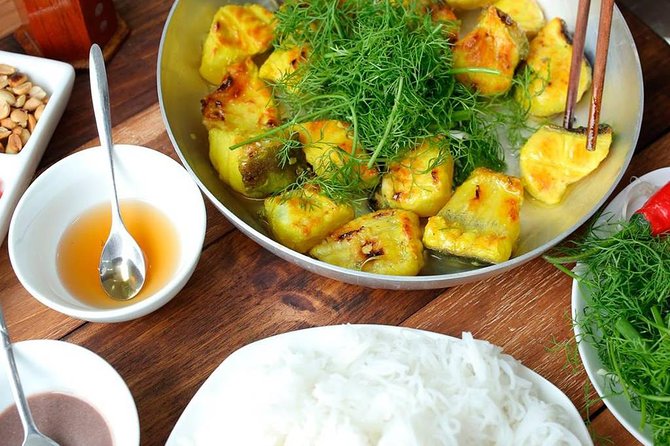
- Bun cha: grilled flavor plus a punch of sauce
- Nem: frying technique and texture
- The Meal and Local Wines: Eating in the Right Context
- Price and Value in Hanoi: Is $50 Fair for What You Get?
- Timing: Morning vs. Afternoon Sessions
- Who Should Book This Class (and Who Might Skip It)
- Should You Book DIY Vietnamese Cooking Class in Hanoi?
- FAQ
- Where is the meeting point?
- Do they offer hotel pickup and drop-off?
- How long is the cooking class?
- What are the available start times?
- What dishes will I learn to cook?
- Is there a vegetarian option?
- What’s included in the price?
- Is the group size small?
- Can they accommodate allergies or dietary preferences?
- What if I need to cancel?
Key highlights worth planning for
- Hotel pickup and round-trip transport: door-to-door service from your accommodation keeps the class stress-free.
- Market shopping first: you learn what ingredients actually look like before you touch a recipe.
- Instructor Bon’s guidance: English-speaking instruction helps you understand both technique and flavor choices.
- Pho, bun cha, nem plus add-ons: the cooking isn’t one dish only; you’ll cover multiple favorites depending on the option.
- Local wines with your meal: you eat what you made, with included drinks to match the menu.
- Small group size (max 8): easier to ask questions and get help while you cook.
A Market-First Class in Hanoi: Where Flavor Starts
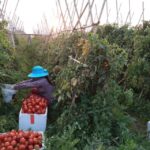
The best part of this experience is that you don’t treat Vietnamese food like a list of ingredients. You see the ingredients in real life first—fresh herbs, vegetables, proteins, and the sauces and seasonings that make the dishes taste like themselves.
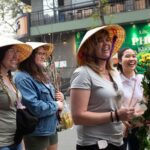
You’ll shop with an English-speaking tour guide and your cooking instructor, and that matters because Vietnamese cuisine is all about balance. You learn what goes together, but you also learn why. The market walk isn’t just photo time; you’re picking items that you’ll later use in your own cooking.
Expect a sensory overload in the best way: the smell of fresh herbs, the look of different cuts of meat, the colors of vegetables, and the day-to-day rhythm of a traditional market. And since you’ll be doing this before you cook, you’ll actually remember what you bought and where it fits.
You can also read our reviews of more tours and experiences in Hanoi.
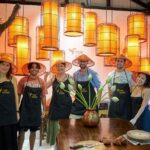
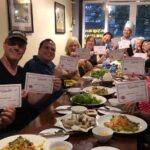
Getting From Your Hotel to the Kitchen: Simple Logistics, Real Convenience
This class is built for convenience. Your hotel is the meeting point, and you can get round-trip transport if you’re in the city central area (they note that pickup is available when your hotel is inside that zone).
In practical terms, that means you avoid the usual Hanoi gamble of trying to figure out where to meet, how to get there, and whether you’ll be late. With a class that runs about five hours, that kind of buffer is huge.
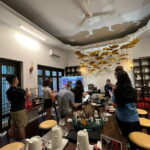
They also include comfort extras that make the time feel smoother: a bottle of water, a welcome drink, and cold towels. Add snack, tea, and coffee to the mix, and you’re not stuck hungry or thirsty while you wait for your turn at the stove. It’s a well-thought-out flow: you get guided, fed, and then you cook while the group energy stays up.
The Menu Choices: Pho, Bun Cha, Nem, and a Vegetarian Path
The cooking class is structured around a few headline dishes, and you choose between options. The dishes you cook include Vietnamese classics such as pho (noodle soup), bun cha (grilled pork with noodles and fish sauce), and nem (fried spring rolls). You also get other dishes from the chef alongside your own creations.
Option 1 tends to focus on bun cha and nem
If you pick the bun cha route, you’ll work on:
- Bun cha: BBQ pork with noodles and fish sauce
- Nem: fried spring rolls
- A banana flowers salad with chicken or a green papaya salad with dried beef
Option 2 tends to focus on pho plus grilled seafood or fish
If you pick the pho route, you’ll work on:
- Pho: chicken soup
- Green mango salad with seafood
- Grilled fish
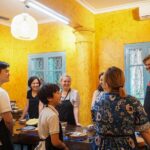

Vegetarian option is fully built around Vietnamese classics
If you go vegetarian, you still get a complete menu rather than a sad substitute list, including:
- Spring rolls (fresh or fried)
- Tofu with tomato sauce
- Eggplant with ginger sauce
- Che (Vietnamese traditional dessert) or egg coffee
That menu flexibility is a real value point. You’re paying for a class experience, not just a one-dish workshop. If you have strong preferences—like knowing you definitely want pho, or you’d rather learn spring rolls and salads—you can choose your direction instead of hoping the schedule matches your taste.
Inside the Hands-On Cooking: What You Actually Learn
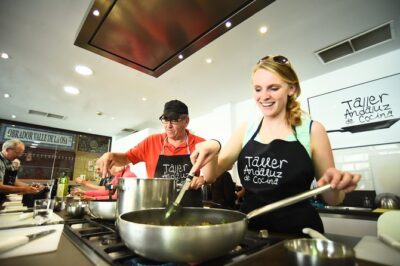
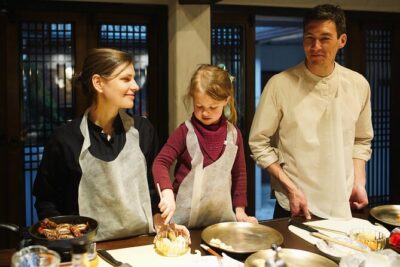
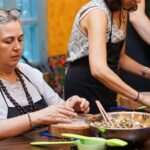
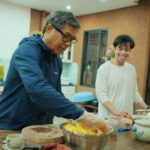
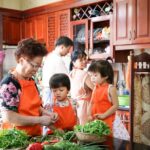
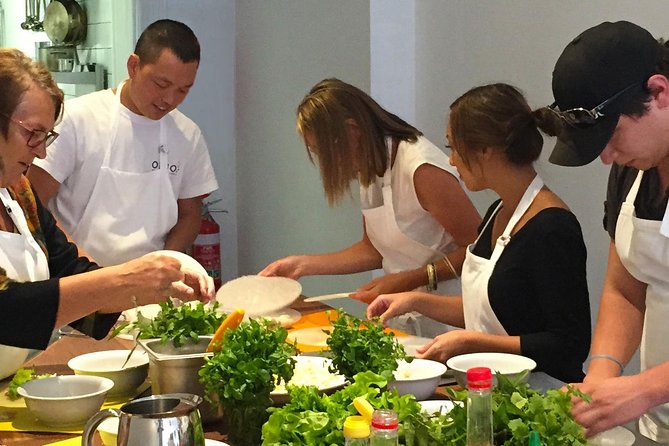
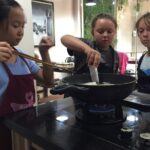
This is a full cooking class, not a demonstration with a side of participation. You’ll be part of the prep and the cooking process, so you build muscle memory you can use later.
Here’s what that usually means in practice, based on the way the class is laid out:
Market ingredients translate directly into your workstation
Because the shopping comes first, you can connect ingredients to technique. You’re not guessing what to do with herbs after the fact. When you cut, fold, season, and assemble, the choices make sense.
You learn the flavor logic behind the dishes
Vietnamese cooking often surprises people who only know it from restaurant versions. The difference is the balancing act:
- fresh herbs vs. salty sauces
- sweetness and acidity in salads
- frying that creates the right texture for nem
- noodle and broth timing for pho
Even without being taught in a textbook way, you get the practical reasoning as you cook. If you’re a home cook, this is the part that pays off later when you’re repeating recipes from memory.
You get help while you cook
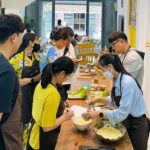
With a maximum of 8 travelers, the instructor and guide can actually watch what you’re doing. That matters for dishes where one mistake changes the result—like frying spring rolls or getting the right balance in a salad dressing.
Your meal includes more than just your own plate
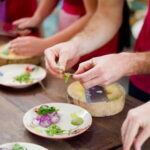
The class ends with you eating what you cooked, but you’ll also enjoy other dishes prepared by the professional chef. That’s important because Vietnamese meals are usually a mix: soups, grilled items, fried bites, salads, and desserts or coffee. You taste the overall picture, not a single isolated recipe.
Pho, Bun Cha, and Nem: What Makes These Worth Mastering
These three dishes are popular for a reason, but they’re also great targets for a cooking class.
Pho: where broth balance rules
Pho isn’t just noodles in hot liquid. It’s the kind of dish where the broth flavor and timing matter, and you’re working with elements that need the right match between richness, seasoning, and freshness. In this class, you learn the chicken soup pho track through the cooking process, which helps you understand how the layers come together.
Bun cha: grilled flavor plus a punch of sauce
Bun cha is fun because you get both the grilled element and the sauce system that brings everything into alignment. You’ll be working with pork, noodles, fish sauce, and the supporting salads—so you learn how Vietnamese meals build contrast: warm, salty, sweet, sour, and fresh.
Nem: frying technique and texture
Nem can be tricky at home if you’ve never fried spring rolls before. The class gives you a structured path through prep and frying, which is where most people struggle when trying to recreate it later. You come away knowing not just ingredients, but how to manage the process.
The Meal and Local Wines: Eating in the Right Context
This is not a snack-and-go cooking class. You get lunch or dinner depending on the session time, and the included meal is part of the learning.
A key detail: you’ll be washed down with local wines. Whether you’re a wine person or not, it changes the atmosphere. You’re not eating your own food in a vacuum—you’re experiencing it as a full Vietnamese meal, paired with local adult beverages included in the package.
They also include:
- snack, tea, and coffee during the program
- lunch or dinner at the end
- bottled water
The result is a smoother ending. Instead of rushing out right after cooking, you sit, eat, and actually enjoy the dishes you made alongside the rest of the menu.
Price and Value in Hanoi: Is $50 Fair for What You Get?
At $50 per person for about five hours, the value is strongest for people who want more than recipe learning.
Here’s why it feels like a good deal:
- You get transportation from your hotel, so you’re not spending time and money arranging your own route.
- Market tour + instruction: you’re paying for two phases—shopping with guidance and then cooking with an experienced instructor.
- Hands-on cooking with a small group: max 8 means more attention, and attention is where skill comes from.
- Meal included: lunch or dinner is part of the experience, not an optional extra.
- Local wines included: that can add noticeable cost if you had to purchase it separately.
Potential downside on value: if you only want to taste, not cook, you might feel the price is more about participation than about eating. But if you want skills you can repeat at home, it’s a straightforward bargain.
Timing: Morning vs. Afternoon Sessions
You can choose one of two times:
- Morning class: 9:00 to 13:30
- Afternoon class: 15:30 to 20:00
That matters because Hanoi’s schedule can get tiring. Morning is nice if you want a head start and an early meal. Afternoon works well if you plan your sightseeing around a late lunch break, then you’re back in time for dinner.
Either way, you’ll want to treat it like a half-day commitment. Bring your energy, and don’t plan a heavy activity right before you start.
Who Should Book This Class (and Who Might Skip It)
This class is a great match if you:
- want to learn Vietnamese cooking in a practical, hands-on way
- care about understanding ingredients, not just following directions
- enjoy markets and want food context before cooking
- want a small group experience with English-speaking guidance
- prefer door-to-door pickup instead of sorting out transit
You might skip it if you:
- hate cooking or prefer only watching demonstrations
- have very specific dietary needs and can’t provide that information in advance
- want a pure sightseeing day with minimal kitchen time
On the positive side, the vegetarian option is real, not an afterthought. And there’s also space for special food requests if you tell them ahead of time so they can confirm substitutions.
Should You Book DIY Vietnamese Cooking Class in Hanoi?
If you like food learning that actually sticks, I’d book it. The combination of market shopping, hands-on cooking, and a full meal at the end is a strong package for a reasonable price.
Choose the option that matches your food cravings—pho, bun cha, or vegetarian—and you’ll leave with more than memories. You’ll have practical technique and a clearer sense of how Vietnamese flavors are built.
Just be honest with yourself: you’re signing up to cook, not just to taste. If that’s your idea of a great time in Hanoi, this is a smart use of your day.
FAQ
Where is the meeting point?
Your hotel is the meeting point.
Do they offer hotel pickup and drop-off?
Yes, round-trip transfer is included from city accommodations, with pickup noted for hotels in the city central area.
How long is the cooking class?
It runs about 5 hours.
What are the available start times?
There are two sessions: 9:00 to 13:30 (morning) and 15:30 to 20:00 (afternoon).
What dishes will I learn to cook?
The class focuses on Vietnamese classics such as pho, bun cha, and nem, with menu options depending on the course you choose.
Is there a vegetarian option?
Yes. A vegetarian menu is available with dishes like spring rolls, tofu with tomato sauce, eggplant with ginger sauce, plus dessert or egg coffee.
What’s included in the price?
Included are round-trip transport, a local market tour, a welcome drink, cold towel, snack, tea and coffee, lunch or dinner, bottled water, English-speaking guide and experienced instructor, and local wines.
Is the group size small?
Yes. The tour/activity has a maximum of 8 travelers.
Can they accommodate allergies or dietary preferences?
Yes. Special food requests are available if you let them know in advance so they can confirm substitutions.
What if I need to cancel?
Cancellation is free up to 24 hours before the experience start time for a full refund. Changes made less than 24 hours before the start time aren’t accepted.