REVIEW · KANDY
Authentic Sri Lankan Cooking Class in Kandy with Local Family
Book on Viator →Operated by Best Kandy kitchen · Bookable on Viator
Cooking in a real home beats a classroom. This Kandy experience is run by a local family near the Bahirawakanda Mountain area, where you learn Sri Lankan cooking as part of everyday life. Kandy home kitchen lessons feel personal and relaxed, and the class stays family-led from start to finish.
What I love most is the hands-on cooking approach, taught by the women who make traditional food regularly at home. The second big win for me is that you leave with recipes, so you can actually repeat the dishes (not just remember them).
One thing to consider: there’s no chef, so the style is more family teaching than a polished show. Also, the 5:00 pm start means you’ll want to plan your Kandy evening around the class.
In This Review
- Key highlights you should know
- Why This Kandy Cooking Class Feels Like a Family Evening
- Meeting the Women Who Teach Sri Lankan Home Cooking
- Home Kitchen Setup: What You’ll Actually Do
- Spices, Vegetables, and the Optional Market Walk
- Learning Culture Along With the Meal
- Recipes You Can Actually Use After You Leave
- Pickup, Timing, and Group Size: Practical Stuff That Changes the Experience
- Price and Value: Is $35 a Good Deal Here?
- Who This Sri Lankan Cooking Class Suits Best
- Quick decision: should you book this Kandy cooking class?
- FAQ
- What’s the location for the Kandy cooking class?
- How much does the class cost?
- How long is the cooking class?
- What time does the class start?
- Is pickup and drop-off available?
- Who teaches the cooking class?
- Is there a chef running the class?
- Do I receive recipes?
- Is there an option to visit the local market?
- What group size should I expect?
- What’s the cancellation policy?
Key highlights you should know
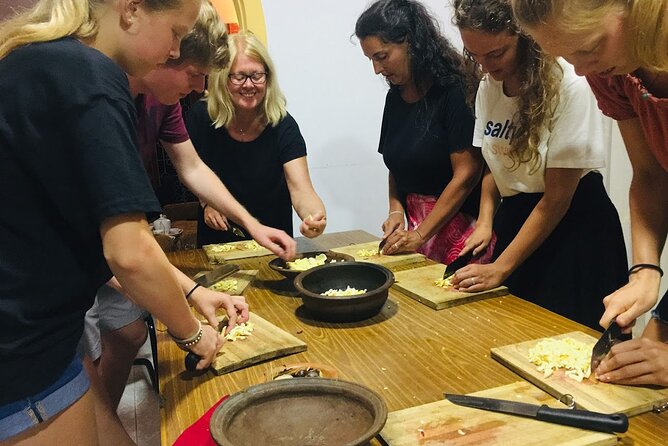
- Women teach the class using the rhythms of daily home cooking, not restaurant shortcuts
- Small group size (max 15) keeps questions easy and the pace comfortable
- Optional local market guidance if you want help understanding spices and vegetables
- Cooking happens inside their home kitchen, not a staged studio
- Recipes provided at the end, so the learning sticks after you go home
Why This Kandy Cooking Class Feels Like a Family Evening
If you like travel that’s about people, not just places, this one hits the right note. The class is hosted by a family living near Kandy city center, close to the big Buddhas statue on Bahirawakanda Mountain. You’re not dropped into a generic cooking venue. You’re invited into a calm, green neighborhood and shown how Sri Lankan food fits into daily life.
The timing also helps. With a 5:00 pm start and about 3 hours total, it feels like an evening event rather than an all-day tour that drains you. You’ll get to cook, eat what you make, and still have time to enjoy the rest of Kandy afterward.
Value-wise, this costs $35 per person and is typically booked about 20 days in advance, which tells me demand is steady. For that price, you’re paying for more than recipes—you’re paying for home instruction, cultural context, and a genuinely local setting close to the center.
You can also read our reviews of more tours and experiences in Kandy.

Meeting the Women Who Teach Sri Lankan Home Cooking
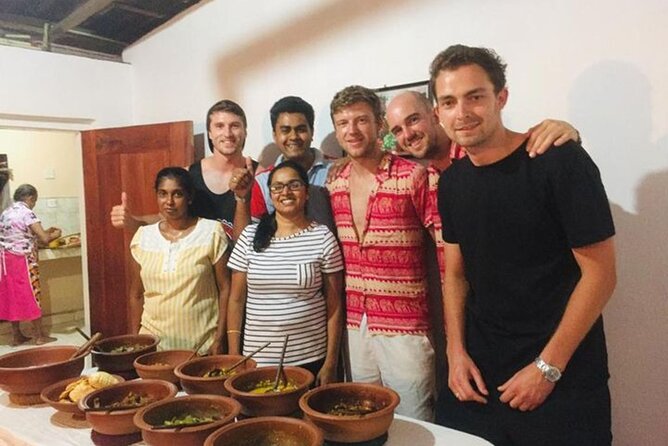
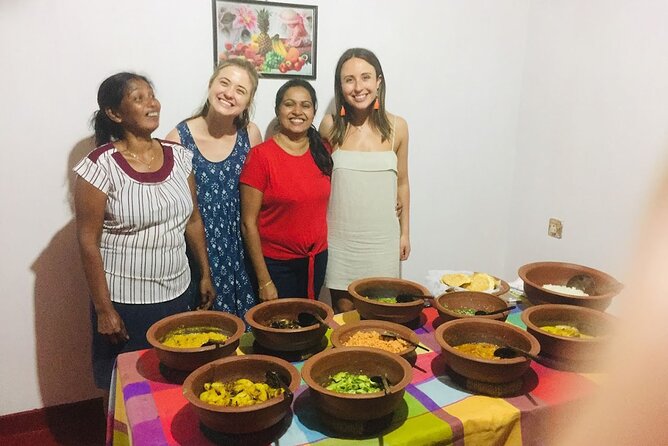
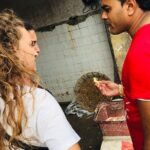
Here’s the heart of the experience: your teachers are the family women—the wife, sister, and mother—with their approach shaped by real routines. The home cooking tradition matters because you’re learning methods that work with what families actually buy and use, not just what’s convenient for a tour operation.
Sometimes their three little girls also join, which adds a warm, everyday feeling. It’s not performed. It’s family life happening alongside your lesson. For me, that’s one of the reasons this class earns its strong ratings: it doesn’t feel like you’re watching someone do a job. You’re learning in the same space where people cook meals for their own home.
What you’re likely to take away:
- How to handle common Sri Lankan ingredients and basic prep techniques
- How flavors get built step by step (not just one final sauce idea)
- How spices and vegetables are used in normal cooking, not special-occasion cooking
If you’ve ever done a cooking class where you come away with a vague sense of how to recreate things, this one is more practical. The teachers are focused on technique you can repeat later.
Home Kitchen Setup: What You’ll Actually Do
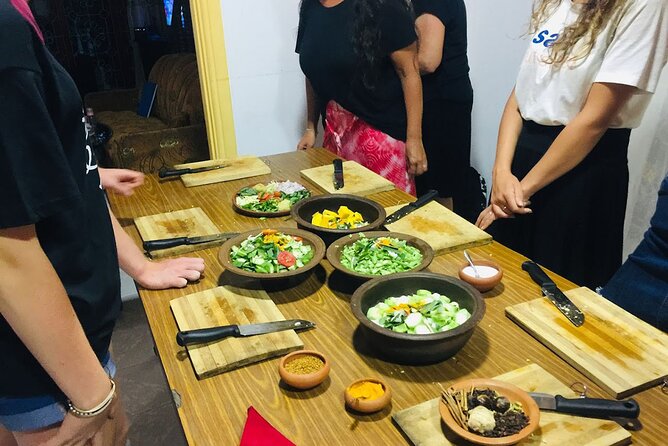
The class runs inside the family’s home kitchen. That detail matters more than it sounds. Home kitchens are smaller, warmer, and less standardized than commercial spaces. The upside is authenticity. The downside (for some people) is that it can feel more like you’re working in someone’s real cooking area than in a tidy demonstration room.
Expect the lesson to be structured around cooking tasks you do with guidance. Since the hosts emphasize learning cooking techniques you can repeat at home, the best mindset is hands-on. Ask questions while you’re standing there. If something doesn’t make sense—heat level, spice amounts, timing—this is the moment to clarify it. You won’t get a “cookbook version” later unless you understand what they were doing and why.
Also note a key difference from many cooking tours: there’s no chef. That can be a positive. You’ll get a more personal pace and more context about daily cooking. It can also mean the flow is less scripted. If you need everything to be perfectly staged, this might feel less polished than a professional culinary school.
Spices, Vegetables, and the Optional Market Walk
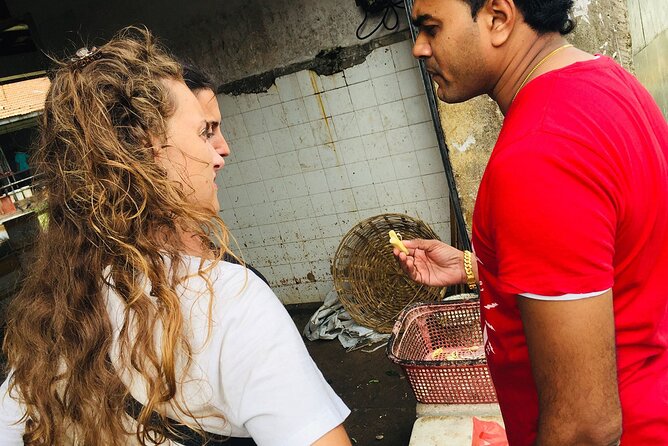
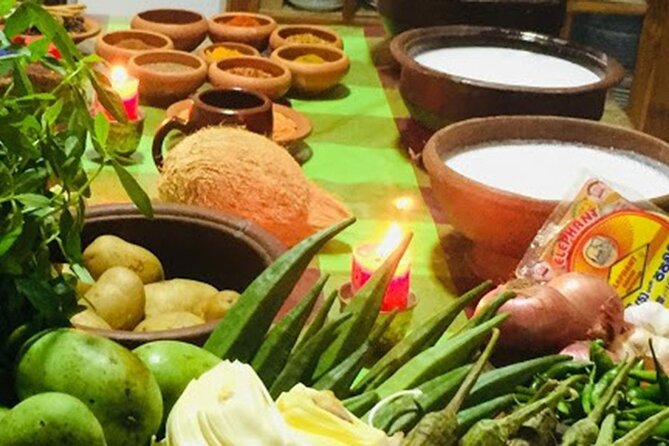
One of the most practical parts is how the class connects cooking with ingredients. If you want a local market experience, the hosts can guide you to visit a local market, with explanations about spices and vegetables.
This is the sort of step that changes how you cook later. When you understand what’s available in markets and how families think about ingredients, you can translate the food back home more accurately—especially with spices, which are often the hardest part to substitute.
If you’re the type who likes to know where flavors come from, ask about the market option before you arrive. If you’re not that interested, you can still enjoy the cooking and leave with techniques and recipes. Just don’t treat the class like only a hands-on meal. It’s also ingredient education.
Learning Culture Along With the Meal
Food in Sri Lanka isn’t separated from daily routine, and the hosts make that connection part of the experience. You’ll learn about Sri Lankan food, cooking culture, and daily life in a way that fits naturally with the cooking. Since the women teach the class based on how they cook regularly—around three times per day, per the hosts’ description—you get a window into the logic behind the cuisine.
This is also where the location helps. Being near the Kandy city center and the Bahirawakanda area keeps it grounded. You’re not traveling deep into the countryside for the experience; you’re stepping into a local home that still feels connected to Kandy’s pulse.
A nice bonus: you’ll likely hear historical or cultural tips about Sri Lanka’s cuisine, framed in a family way rather than an academic lecture. It’s not about memorizing dates—it’s about understanding why certain flavors and habits make sense in context.


Recipes You Can Actually Use After You Leave
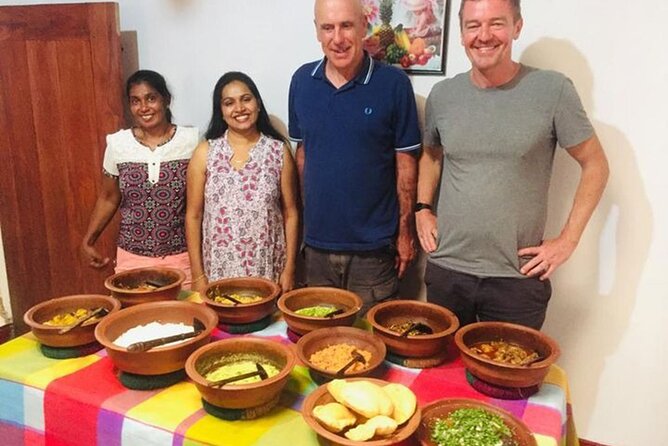
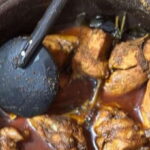
At the end of the class, you’ll receive recipes. That’s a big deal for value. Cooking classes are often fun, but many leave you with memories instead of usable instructions. Here, the goal is that you can repeat techniques at home.
What to do when you get the recipes:
- Compare them with what you did during the class. If something feels different, ask about it before you leave.
- Look for the “why” behind steps—especially spice choices and timing. That’s what helps substitutions work later.
- If you plan to cook in your own kitchen, gather your spice pantry before you start. Small changes in spices can shift the final taste a lot.
Because this class is taught by home cooks, the recipes are more likely to align with everyday ingredients. That’s what helps them travel well to your kitchen.
Pickup, Timing, and Group Size: Practical Stuff That Changes the Experience
This tour offers pickup and drop-off, but it’s described as around Kandy city only. That’s useful to know. If your hotel is outside Kandy city limits, you may need to confirm what’s possible when you book.
The class starts at 5:00 pm, and it runs about 3 hours. That’s a smart length for a cooking class because it gives enough time to learn technique, cook, and eat without feeling like you’ve lost your entire afternoon.
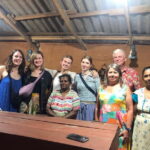
Group size is maximum 15 travelers. For me, that’s ideal. A small group means the teachers can keep an eye on how you’re doing and respond to questions without rushing. It also tends to keep the kitchen from turning into a crowded bottleneck.
One more practical detail: you can get a mobile ticket, and it’s near public transportation. That gives you flexibility if pickup isn’t the best option for your schedule.
Price and Value: Is $35 a Good Deal Here?
At $35 per person for about 3 hours, you’re paying a fair rate for a few reasons.
First, you’re not just paying for food. You’re paying for instruction from a local family who cooks traditional meals regularly and can share how they think about spices and daily routines.
Second, you get recipes at the end. That turns the class into something you can reuse, not only something you enjoy in the moment.
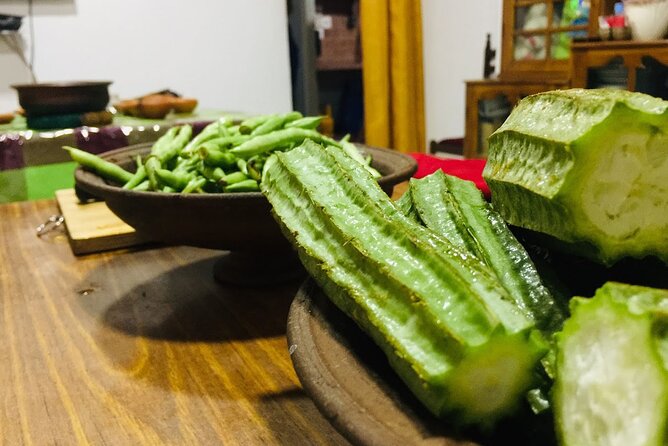
Third, there’s an optional market angle (if you want it). Even if you skip it, the overall emphasis on spices and vegetables makes the learning more transferable when you’re cooking later.
So yes, it’s good value—especially because the setting is close to Kandy’s core and the class group stays small.
Who This Sri Lankan Cooking Class Suits Best
This class is a great match if you:
- Want Sri Lankan home cooking techniques you can repeat
- Like learning through people, not through a scripted demo
- Enjoy markets and ingredient education (the market visit option can help)
- Prefer an evening plan with pickup options and a small group
It may be less ideal if you:
- Expect a formal, professional “restaurant chef” style experience (there’s no chef)
- Need a very structured, timed program with no flexibility
- Don’t like working in a home kitchen environment
If you’re visiting Kandy and you want something that feels genuinely local without being complicated to fit into your day, this is the kind of experience that makes sense.
Quick decision: should you book this Kandy cooking class?
I’d book it if you want authentic Sri Lankan cooking taught by the people who actually make it at home. The combination of a family-led lesson, small group size, optional market guidance, and recipes provided makes it more practical than many cooking tours.
Skip it only if you strongly prefer a chef-led, heavily produced class setup. Otherwise, plan for the 5:00 pm start, bring curiosity for spices and everyday cooking, and treat it like an evening with a real Kandy family. That’s where the value is.
FAQ
What’s the location for the Kandy cooking class?
It’s in Kandy, Sri Lanka, hosted by a traditional family near Kandy city center close to the big Buddhas statue at Bahirawakanda Mountain.
How much does the class cost?
The price is $35.00 per person.
How long is the cooking class?
The duration is about 3 hours.
What time does the class start?
The start time is 5:00 pm.
Is pickup and drop-off available?
Pickup and drop-off can be arranged for hotels around Kandy city.
Who teaches the cooking class?
The teachers are the family’s wife, sister, and mother. Sometimes their three little girls also join in.
Is there a chef running the class?
No. The hosts specifically note there is no chef; it’s taught by the family members.
Do I receive recipes?
Yes. At the end of the class, the hosts provide recipes.
Is there an option to visit the local market?
If you want experience with the local market, the hosts can guide you to visit one and explain spices and vegetables.
What group size should I expect?
The class has a maximum of 15 travelers.
What’s the cancellation policy?
You can cancel for a full refund up to 24 hours before the experience’s start time. If you cancel less than 24 hours before, you won’t get a refund.