REVIEW · KANDY
Sri Lankan Cookery with Nilu
Book on GetYourGuide →Operated by Risari tours · Bookable on GetYourGuide
In Sri Lanka, curry is a skill, not a mystery. This 4-hour class in the Kandy area with Nilu and Janaka turns local spices and everyday ingredients into a curry you can repeat at home. I like the hands-on pace and the fact that you cook a real menu (not just one dish), plus the warm family welcome that makes questions easy. The one possible drawback: you’ll need to plan around a set start time and there’s no takeaway food after you finish.
What makes this experience especially useful is the way they teach you how to think about Sri Lankan cooking—spices, balance, and practical technique—so you’re not stuck copying recipes blindly. Small group matters here too: it’s limited to just 3 participants, so you get real back-and-forth while you’re working in the kitchen.
Key things I’d highlight before you go
- Small group (up to 3) means you can ask about spices, substitutions, and timing
- Kandy hotel pickup and drops keeps the day simple and low-stress
- A full menu: four vegetable dishes, a Sri Lankan-style protein, plus accompaniments
- Spice-first teaching so curry makes sense, even when you don’t have specialty ingredients
- Traditional dessert at the end gives you the full Sri Lankan meal arc
- Recipe PDF afterward with ingredients that are easier to find back home
In This Review
- From Kandy Hotel Pickup to a Village Kitchen at Nilu’s Home
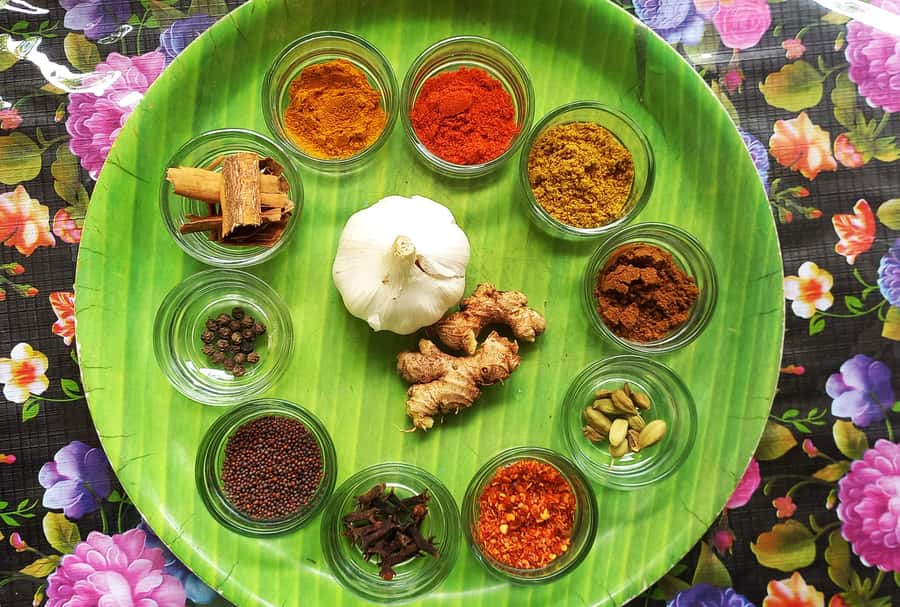
- The Spice Lesson: How Curry Starts Before the Pot
- Cooking the Menu: Four Vegetable Dishes, One Protein, and the Sri Lankan Style
- Vegetable dishes: technique with real payoff
- The protein dish: learning the Sri Lankan flavor system
- Accompaniments: the finishing touches
- Dessert at the End: A Real Sri Lankan Finish
- Eating Your Work at Nilu’s Home
- Price and Value: $31 for a Small-Group Real Lesson
- Who This Class Suits Best (and Who Might Want Something Else)
- Should You Book Sri Lankan Cookery with Nilu?
- FAQ
- Where does Sri Lankan Cookery with Nilu take place?
- How long is the cooking class?
- What is included in the price?
- Is the class taught in English?
- How many people are in the group?
- What will I cook during the class?
- Can they adjust the cooking for my preferences or allergies?
- Do I get recipes to use at home?
- Is there take-away food included?
- What is the cancellation policy?
From Kandy Hotel Pickup to a Village Kitchen at Nilu’s Home
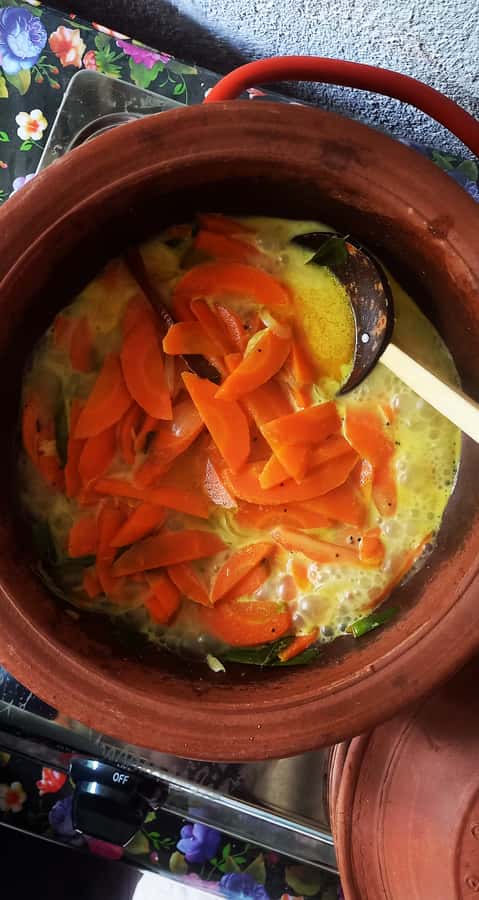
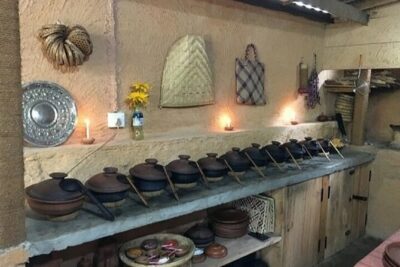
The day starts with hotel pickup in Kandy. A driver meets you at the lobby, and you head out toward Mahanuvara and the village area where the cooking happens in the hosts’ home-kitchen setup. This matters because the class isn’t tucked into a restaurant classroom. You’re cooking in a lived-in space, and that changes the tone instantly. It feels like you’re learning in someone’s routine, not just following a demonstration.
Once you arrive, you get a welcome drink and a friendly start with an intro to Sri Lankan cuisine and the menu of the day. That first briefing is more than small talk. It helps you understand what you’re about to cook and why Sri Lankan flavors work the way they do—especially the spice side. If you like cooking classes where you can connect the dots, this structure is a good match.
One small practical note: since this is a home setting, you’ll want to be ready for a slightly rustic environment—comfortable clothes, closed shoes, and a willingness to get your hands involved.
The Spice Lesson: How Curry Starts Before the Pot
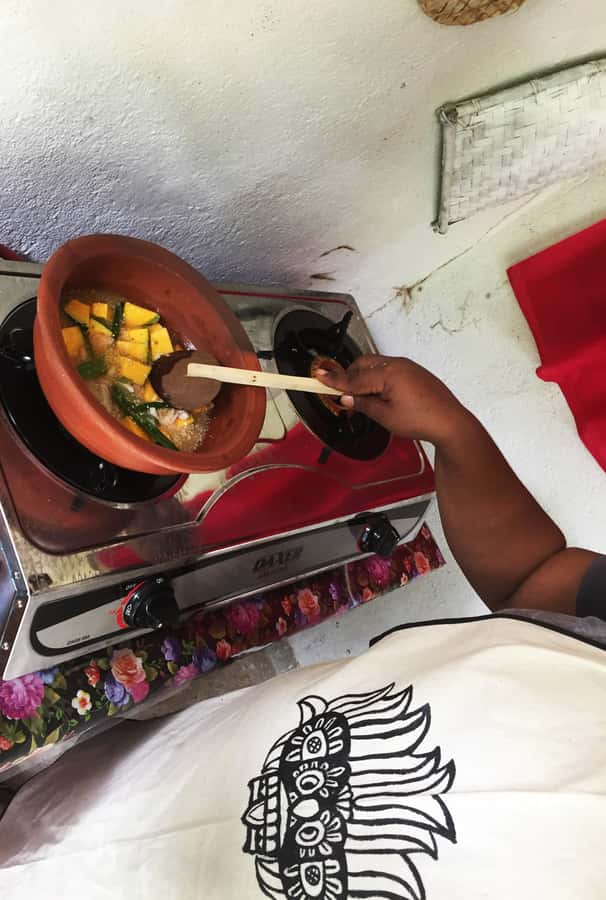
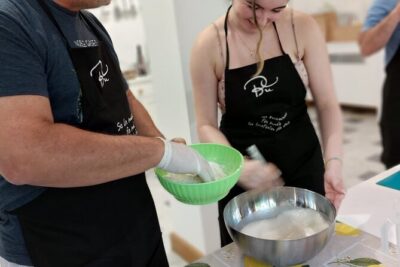
A big part of the appeal here is that you’re not just learning what to cook—you’re learning how to handle the key ingredients that define Sri Lankan food. Early in the class, Janaka (the cook and English-speaking host) helps with the spice and ingredient basics, and Nilu supports the flow with warmth and patience.
From what’s described, Janaka is quite hands-on with explanations and stays attentive while you cook. That’s important because curry-making usually has a few places where people get stuck: when to add spices, how to balance heat, how to use aromatics without overpowering the dish, and how to build flavor in layers.
You also get something that many classes skip: the focus on ingredients easy to find. That’s a value driver for you. If they choose dishes you can recreate later—using ingredients that won’t require a trek through three specialty stores—then the class actually earns its keep after the vacation is over.
If you have dietary needs, this is where it helps to speak up early. They invite you to share food preferences and/or allergies, and the cooking gets adjusted accordingly. That flexibility is a real advantage if you’re vegetarian, avoiding certain foods, or trying to keep the meal aligned with how you actually eat.
You can also read our reviews of more tours and experiences in Kandy.

Cooking the Menu: Four Vegetable Dishes, One Protein, and the Sri Lankan Style
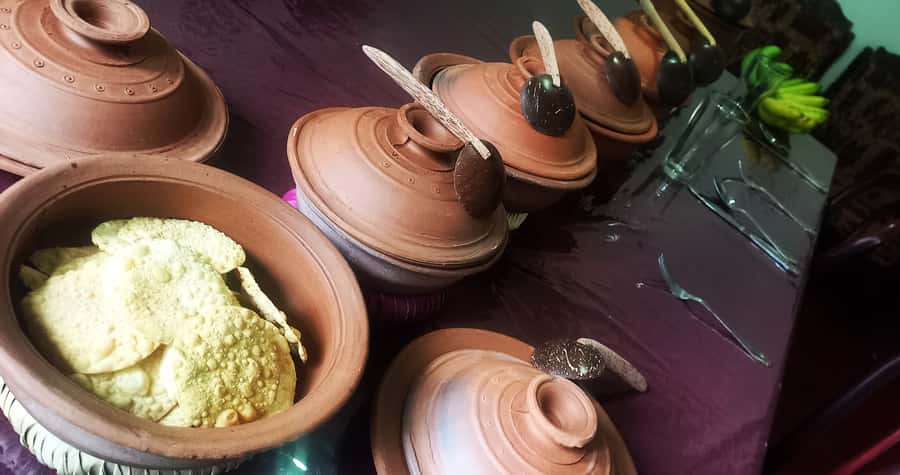
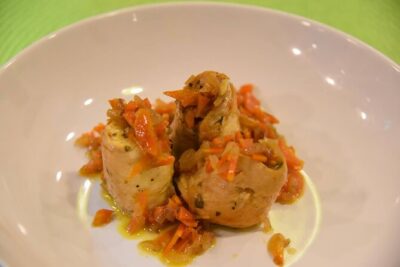
The menu is built like a proper Sri Lankan meal. You’ll cook four vegetable dishes, plus a protein cooked in Sri Lankan style. The class also includes a number of accompaniments, and there’s a traditional dessert at the end. The exact dishes can vary by the menu of the day, but the structure stays consistent: multiple dishes, not just one repeatable centerpiece.
What I like about this setup is how it trains your cooking instincts. Instead of focusing only on one curry, you practice the rhythm of Sri Lankan meals: how dishes complement each other, how flavors repeat across vegetables and proteins, and how spice blends show up in different forms. It’s the kind of learning that makes you more confident when you’re cooking on your own.
Vegetable dishes: technique with real payoff
Cooking four vegetable dishes does two things for you. First, you get variety quickly—different textures and flavor approaches. Second, you see how spice logic transfers across ingredients. Vegetables can be gentle or bold depending on how they’re treated, and that’s where the class helps: you learn techniques that don’t rely on one “magic” ingredient.
The protein dish: learning the Sri Lankan flavor system
The protein dish gives you the anchor. It’s cooked in Sri Lankan style, and you’ll learn how the spice and ingredient approach works with something more substantial than vegetables. Reviews also mention adjustments for tastes, so the protein dish may be tailored to what you want to eat.
Accompaniments: the finishing touches
You’ll have more than just the main dishes. The class includes many accompaniments, which is where you often find the extra flavor and texture that makes a meal feel complete. Some descriptions mention items like poppadoms as part of the meal experience, but regardless of the exact accompaniments, the goal is clear: you’re building a full plate, not just a single bowl of curry.
Dessert at the End: A Real Sri Lankan Finish
Many cooking classes treat dessert like an afterthought. Here, dessert is part of the schedule. You’ll learn a traditional Sri Lankan dessert at the end of the cooking session.
This is valuable for a couple reasons. One, you get a sweet that matches the overall meal culture, not a generic cookie-cutter ending. Two, you practice a different side of cooking than savory spice work—so the day feels balanced rather than one long sprint.
Dessert also gives you a satisfying closure. After the savory work, you get to shift gears while everything is still fresh in your head—what you learned about ingredients and timing tends to carry over.
Eating Your Work at Nilu’s Home
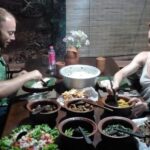
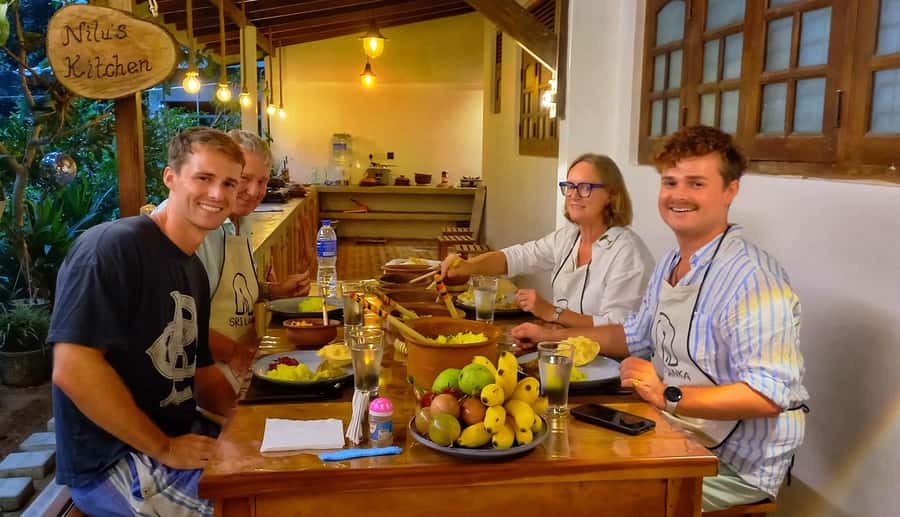
After the cooking class, you enjoy what you made at Nilu’s home. This is where the experience becomes more than instruction. You get to taste your dishes in a setting that feels normal to the hosts, with the family-style warmth that people mention again and again.
Since there’s no takeaway food, this portion matters. You’ll want to come hungry and ready to enjoy the meal while it’s fresh. If you’re the type who likes to photograph food but also actually eats it (good plan), you’ll have plenty to work with: multiple vegetable dishes, a protein dish, accompaniments, and dessert.
In general, this is the kind of meal where you can ask questions while eating: what spice blend was used, how to adjust heat, and what ingredient choices matter most.
Price and Value: $31 for a Small-Group Real Lesson
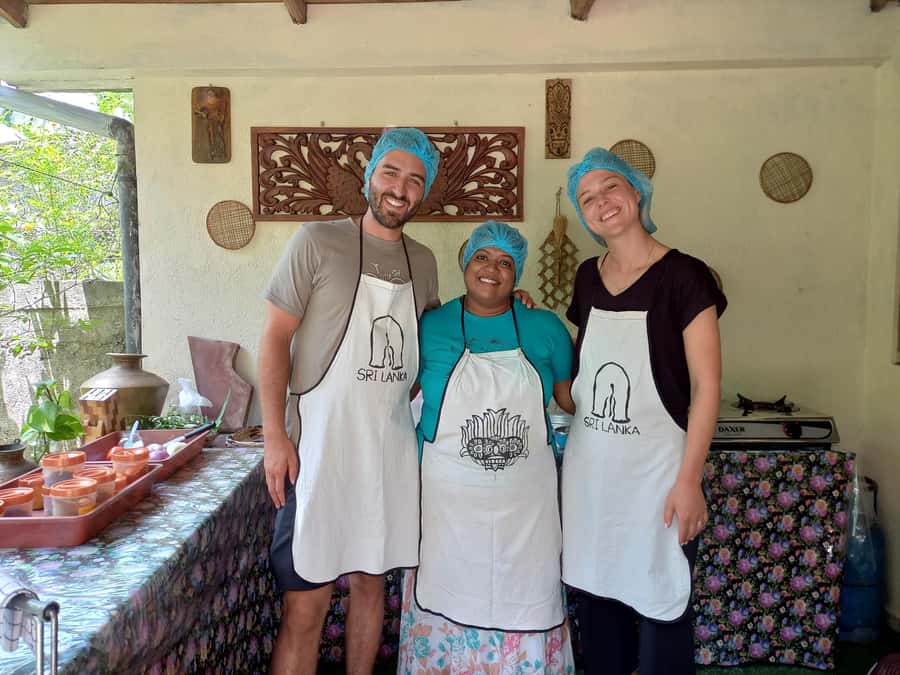
At $31 per person for a 4-hour class that includes hotel pickup and drops, this sits in the practical range for a hands-on cultural experience. The reason it feels like good value is the mix of things that are typically separate elsewhere: you’re getting a multi-dish cooking lesson, dessert instruction, family-home hospitality, and a structured menu that teaches more than one technique.
The small group—limited to 3 participants—is the other big value factor. In a larger class, you often spend part of the time waiting for your turn. Here, it’s easier to get attention and feedback while you cook.
Also, the “easy to recreate” angle isn’t just a promise. Descriptions include getting a PDF with recipes and ingredients that you can find in Europe. That matters because it lowers friction when you return home. If you can shop for the right ingredients locally and follow clear instructions, you’re much more likely to cook again instead of letting the class become a fond memory only.
The only clear mismatch to watch for: if you’re hoping for a meal to take home or a packaged experience with guaranteed exact dishes, this isn’t that. It’s a cooking day that ends with you eating together.
Who This Class Suits Best (and Who Might Want Something Else)
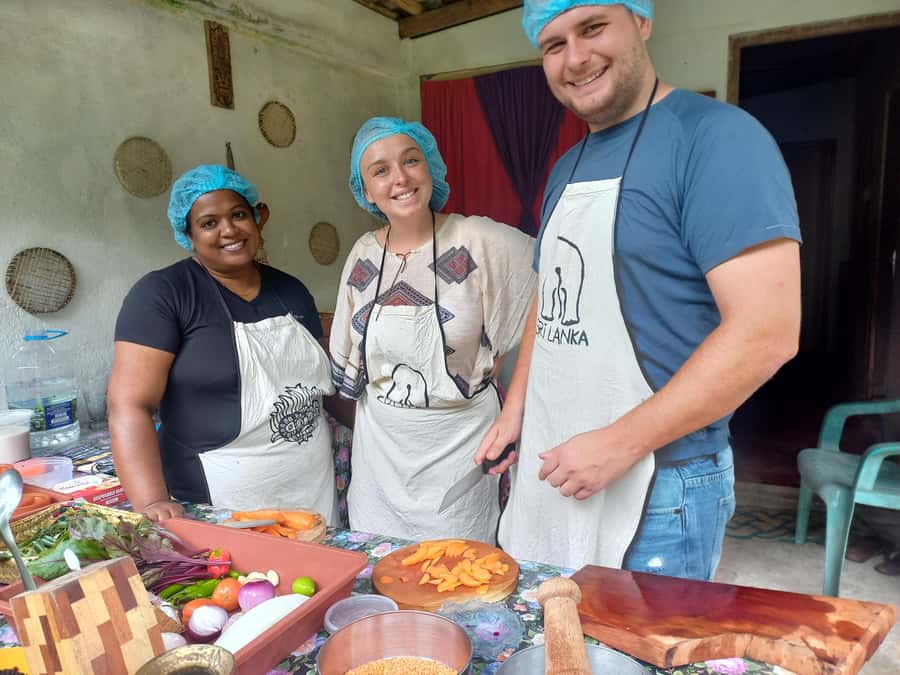
This is a strong fit if you:
- want a hands-on class where you cook multiple dishes
- care about learning spice handling and not just following steps
- like small groups and Q&A while you work
- are interested in Sri Lankan flavors but want recipes that use ingredients you can actually find at home
- want a cultural home experience rather than a cooking studio
You might prefer a different option if:
- you can’t spare 4 hours in a set time window
- you’re looking for a class focused on one dish only
- you strongly need a take-away meal (this one doesn’t include that)
Should You Book Sri Lankan Cookery with Nilu?
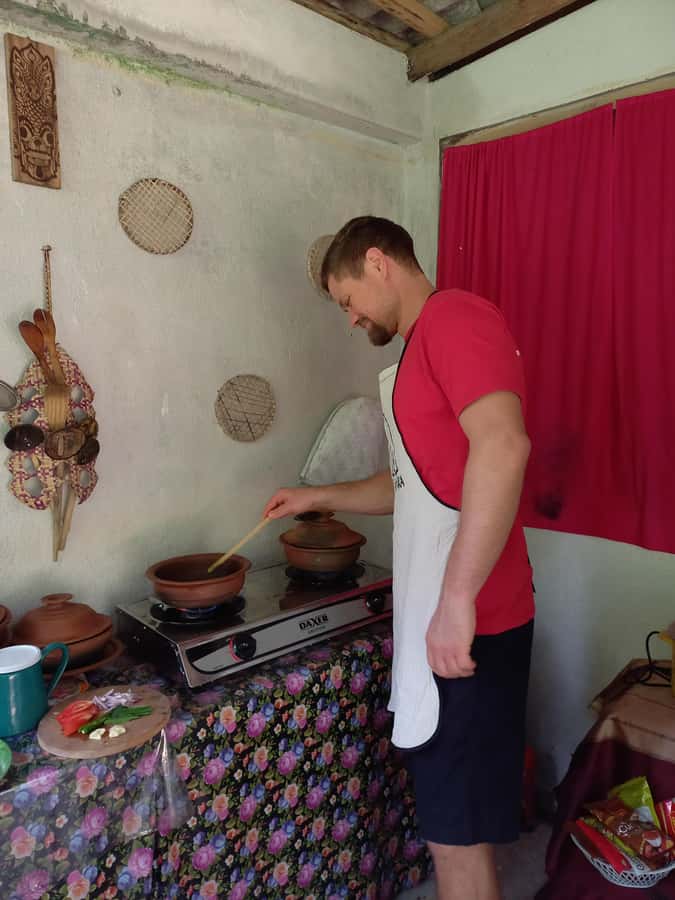
I’d book it if you want your Kandy area day to feel real, not rushed. The best reasons are straightforward: small-group attention, a full Sri Lankan meal menu you learn step-by-step, and hosts—Nilu and Janaka—who adjust cooking to preferences and explain what’s going on instead of treating spices like a black box.
If your goal is to come home with more than photos—if you want curry skills you can actually use—this class is a smart pick. Just share your food preferences or allergies ahead of time, wear comfy clothes for cooking, and plan to enjoy the meal on the spot since there’s no takeaway food afterward.
FAQ
Where does Sri Lankan Cookery with Nilu take place?
The experience is located in Mahanuvara, Sri Lanka. Pickup happens from your hotel in Kandy, and you’ll be taken to the village kitchen where the class is hosted.
How long is the cooking class?
The duration is 4 hours. Starting times vary, so you’ll need to check availability.
What is included in the price?
The price includes hotel pickup and drops.
Is the class taught in English?
Yes. The instructor is listed as English, and the cook/host speaks English and answers questions during the class.
How many people are in the group?
It’s a small group limited to 3 participants.
What will I cook during the class?
The menu includes four vegetable dishes and a protein cooked in Sri Lankan style, plus additional accompaniments. You also learn a traditional Sri Lankan dessert at the end.
Can they adjust the cooking for my preferences or allergies?
Yes. You’re asked to let them know your food preferences and/or allergies, and the cooking can be adjusted accordingly.
Do I get recipes to use at home?
You receive a PDF with recipes, including ingredients you can find in Europe.
Is there take-away food included?
No. There is no take away food included.
What is the cancellation policy?
You can cancel up to 24 hours in advance for a full refund.