REVIEW · KANDY
Private Kandy Authentic Cooking Class
Book on Viator →Operated by Kandy Authentic Cooking Class · Bookable on Viator
Food lessons with a village family in Kandy. This private cooking class is built around an authentic home-kitchen feel and ends with an outdoor dinner where you eat the 8 dishes you cooked. I like that you’re taught with both primitive tools and a few modern helpers, so you actually leave knowing how to recreate the flavors later. One thing to keep in mind: the experience is billed as private, but you should confirm pickup timing and drink choices when you book.
What makes it especially interesting is the way the menu is designed to reflect Sri Lanka’s different regions—low country, hill country, and northern flavors—so your meal feels like more than one style of cooking. After a welcome drink (tea, coffee, coconut water, mocktail, or beer on request), you cook with your local hosts and then dine in an outdoor village hut. Overall, it’s a great value format for a true local meal, but you’ll want to plan for a vehicle that’s not air-conditioned.
In This Review
- Key highlights at a glance
- A village kitchen in Kandy, not a tourist demo
- Choosing your menu: how you steer the whole meal
- Cooking 8 Sri Lankan dishes: what the instruction is really doing
- Tools, heat, and spice: the skills you can take home
- The outdoor dining hut meal: where it all comes together
- Drinks, dessert, and the pace of the evening
- Pickup, roads, and comfort: getting to the kitchen
- Price and value: why $25 can feel like more than a class
- Who this class is best for (and who might not love it)
- Should you book this Kandy private cooking class?
- FAQ
- FAQ
- How long is the private Kandy authentic cooking class?
- How much does it cost per person?
- Where does the experience take place?
- Does the tour include hotel pickup and drop-off?
- What drinks are included?
- What food will you cook and eat?
- Can you choose which dishes you cook?
- Is air-conditioning included in the transport?
- What is the cancellation policy?
- Is this tour truly private for my group?
Key highlights at a glance
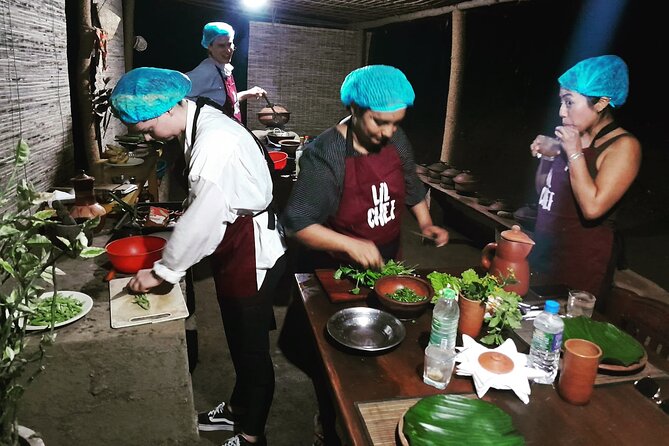
- Choose from the menu before you cook so you can target the flavors you actually want
- 8 dishes + dessert means the class becomes a full dinner experience
- Primitive tools plus modern tools helps you learn the method and the practical shortcuts
- Outdoor village dining hut keeps the meal experience relaxed and local
- Pickup and drop in Kandy makes it easy even if you don’t have a car
- Welcome drinks include king coconut water plus coffee/tea and optional beer
A village kitchen in Kandy, not a tourist demo
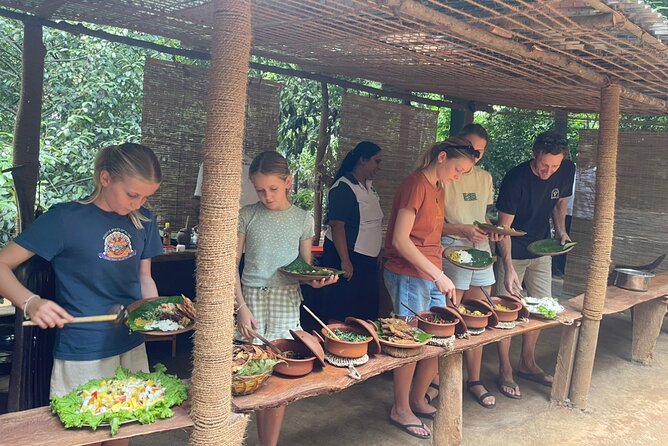
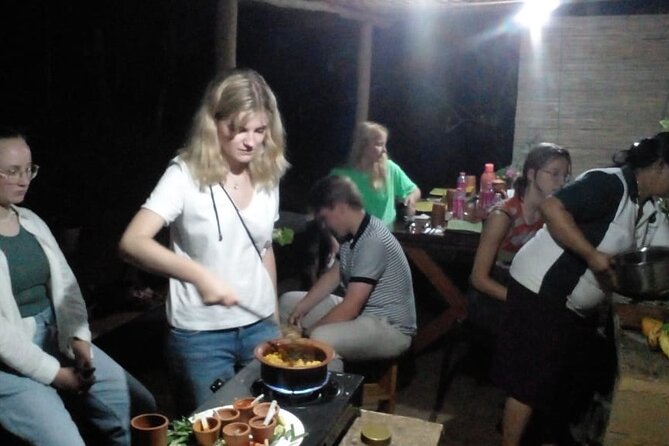
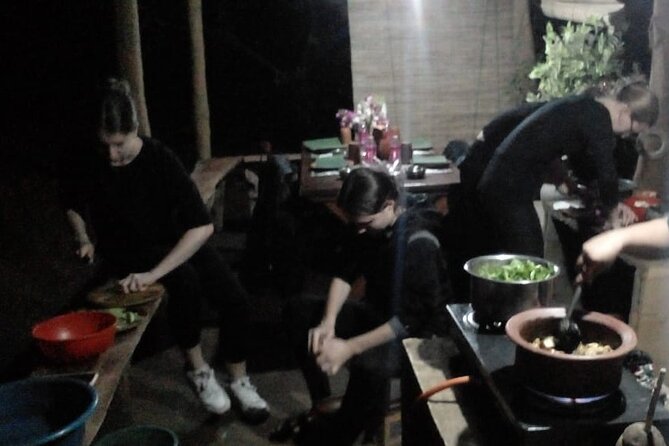
This is the kind of cooking class where the setting does half the job. Instead of a classroom feel, you’re cooking inside an authentic village kitchen hosted by a local family. That matters because Sri Lankan cooking isn’t only about recipes—it’s about rhythms: how ingredients are handled, how heat is managed, and how flavors build dish by dish.
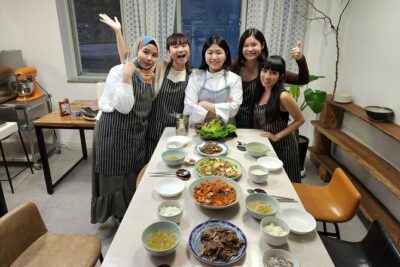
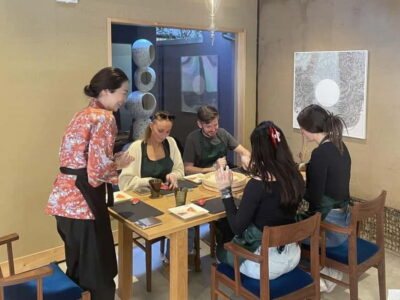
You’ll spend about 3 hours together, and the focus stays on hands-on learning. You’re not just watching. You’re chopping, mixing, stirring, tasting, and getting feedback from the people who actually cook this way at home.
I also like that it’s private in the sense that the experience is just for your group. That usually leads to better questions and more personal guidance, especially if you’re cooking in a way that’s new to you (and it will be, because Sri Lankan techniques often use different spice and texture building blocks than what most people use at home).
The only caution: this class doesn’t promise luxury comfort. The tour includes private transportation, but it also notes no air-conditioned vehicle. If you’re sensitive to heat, plan to dress light and bring water. You’ll have bottled water as part of the experience, but you’ll still want to stay comfortable on the ride.
You can also read our reviews of more tours and experiences in Kandy.

Choosing your menu: how you steer the whole meal
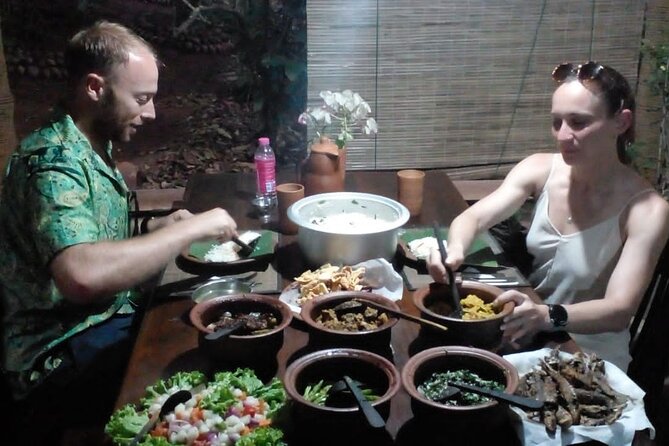
A big part of why this class feels like value is that you don’t get locked into one pre-set menu. You’re told to check the menu to choose the 8 dishes you want to cook and eat.
That choice is more than just a marketing perk. It helps you in two ways:
First, you’ll match the class to your tastes. If you know you love spicy food, you can lean toward dishes that fit. If you prefer milder flavors, you can pick accordingly. Either way, you’ll eat what you cooked, so you’re not paying for a meal you don’t enjoy.
Second, your home cooking becomes more useful. If you pick dishes you genuinely want to repeat, you’re more likely to remember the steps and recreate them. That’s the whole point of a cooking class: not just a fun evening, but skills you can use again.
There’s also a clever theme running through the menu options: the class aims to show how tastes differ across Sri Lanka, specifically low country, hill country, and northern regions. Even without listing the exact dishes here, you can treat it like a “regional sampler” where the cooking methods and spice balances change from one plate to the next.
Cooking 8 Sri Lankan dishes: what the instruction is really doing
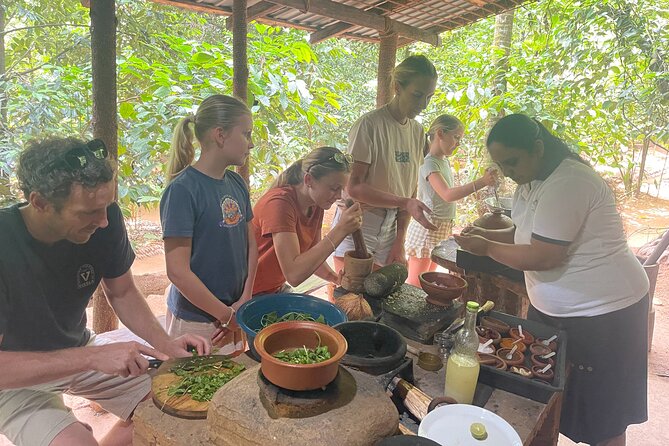
The heart of the experience is learning to cook an authentic Sri Lankan meal with your local family hosts. You cook 8 dishes, and you’ll use primitive tools as well as a few modern tools.
That mix is worth paying attention to. Primitive tools teach technique and authenticity: you learn how texture changes when you mash or grind the traditional way, and you get a feel for how time and friction affect flavor. Modern tools, on the other hand, reduce the “I’ll never do this again” problem when you’re back home. It’s a balance that helps you actually reproduce what you tasted.
Here’s what you should aim to do while you’re cooking:
- Taste as you go. Don’t wait until everything is finished.
- Ask what’s adjustable. In many spice-based cuisines, the key is knowing which part you can tweak—salt, heat, acidity, thickness, or aroma.
- Watch the method, not just the ingredients. Ingredients matter, but Sri Lankan cooking often wins on method.
One practical note: the class includes dinner with the dishes you cook, plus dessert. So the time doesn’t split into separate “class time” and “meal time” where the meal becomes an afterthought. You’re building your dinner piece by piece.
Tools, heat, and spice: the skills you can take home
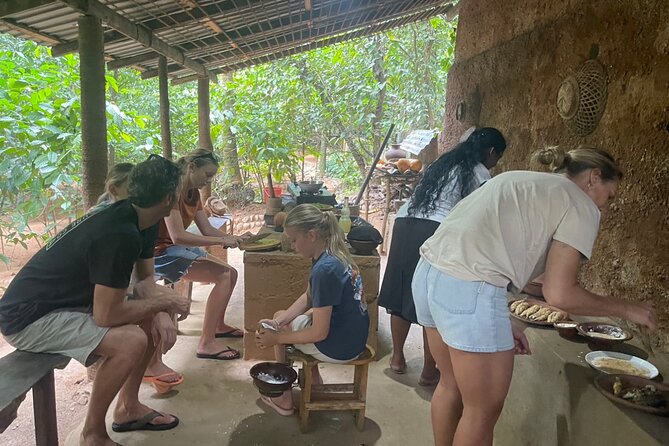
I love classes where the host explains the logic behind the cooking. With this one, the structure supports that. You’re cooking inside a village kitchen, so you’re learning in the context of how the food is actually made—tools, heat sources, prep pace, and ingredient handling.
Because you’ll use both primitive and modern tools, you’ll likely notice two things:
1) Traditional tools often create a different texture
When you grind or prepare ingredients in a more manual way, you can end up with aroma distributed differently through a dish. That can change how the final flavor hits.
2) Modern tools can save you time later
If you use a shortcut at home—like a tool that grinds faster or chops more evenly—you can still preserve the flavor goal. The point is learning what you’re trying to achieve, not just copying every tool exactly.
If you’ve ever taken a cooking class and felt like it was fun but impossible to repeat, this format is trying to fix that. You’ll learn enough from the traditional steps and then get help with practical alternatives so you can cook when you’re back in your own kitchen.
The outdoor dining hut meal: where it all comes together
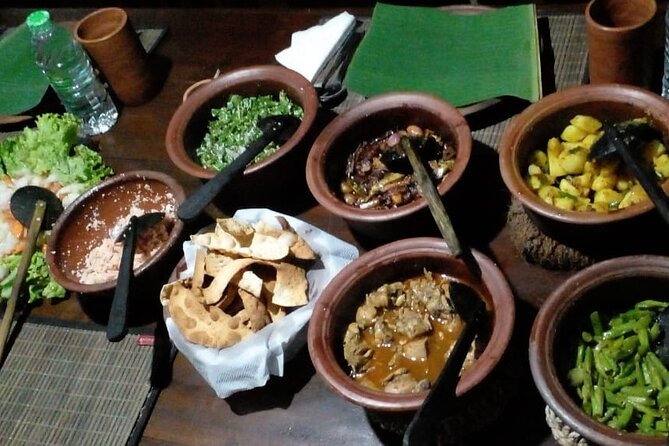
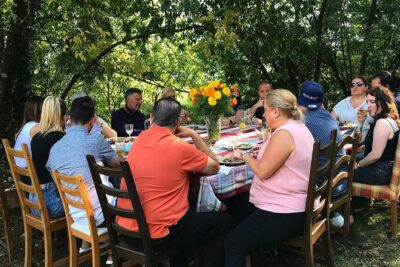
After cooking, you eat in an outdoor village dining hut. This is where the experience turns into something bigger than the lesson. You’re not just “served dinner”—you’re sitting down with the dishes you helped create, plus Sri Lankan village fruits and dessert.
The welcome drinks set the tone too. You can receive coffee and/or herbal tea, and there are also options like king coconut water. You may also be offered a Sri Lankan cocktail or a mocktail. Beer is included in the sense that it can be served as the welcome drink upon request, plus bottled water is part of the set.
One thing to plan for: drink preferences aren’t always handled exactly as expected. In one case, someone who expected a specific drink found it was simplified to tea. So when you book, be clear about what you want—especially if you’re requesting something like beer—and try not to assume the same option will automatically be served.
Still, the overall meal atmosphere is likely to be one of the strongest parts of the evening. The outdoor hut setting keeps it casual and grounded, and the dinner is built around the full set of dishes rather than one highlight plate.
Drinks, dessert, and the pace of the evening
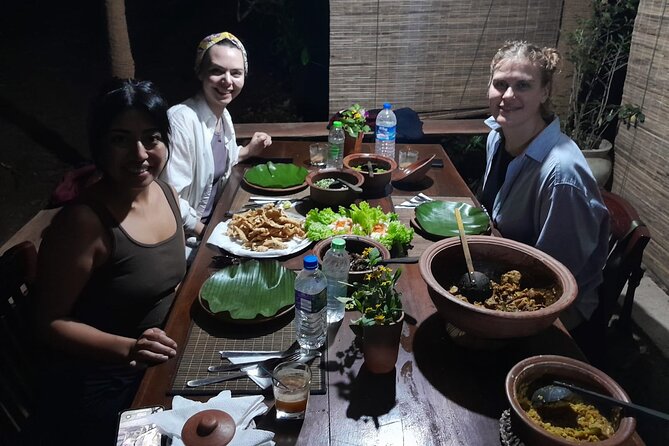
The class includes a welcome drink, then moves into cooking instruction, then culminates in the outdoor meal with the 8 dishes plus dessert and fruit.
Pace matters in a class like this because you’ll want time to both learn and actually enjoy eating. The good news is that the schedule is tight: about 3 hours total. That’s long enough to do real cooking without dragging into a late-night production.
Also, you’re going to get time to taste. Cooking classes that skip tasting leave you with guesswork. Here, the structure is meant for you to experience the flavors and learn what each dish should feel like when it’s finished.
If you’re sensitive to timing, do yourself a favor and build in a cushion for pickup. Some guests reported pickup running later than expected by a small margin (for example, arriving after the stated time). That doesn’t mean it’s always late, but it does mean being flexible helps you enjoy the experience instead of watching the clock.
Pickup, roads, and comfort: getting to the kitchen
The tour offers hotel pickup and drop, using private transportation. That’s a big deal if you’re staying in central Kandy and don’t want to negotiate local transport for a short, structured experience.
One more thing: the trip may involve winding roads. In one reported case, a pickup distance that sounded short turned into a longer ride up mountain roads. You can treat that as a heads-up to expect some travel time changes, especially if your hotel is farther or access routes are tricky.
And remember: air-conditioned vehicle is not included. On a warm day, you’ll feel it. Light clothing helps, and bottled water is already part of the experience—still, I’d keep a small travel towel handy if you run hot.
Price and value: why $25 can feel like more than a class
At $25 per person, the value here is mainly about what’s packed into the ticket.
You’re paying for:
- a private cooking experience with a local family kitchen setting
- instruction for cooking 8 dishes
- dinner with the dishes you cook, plus dessert
- Sri Lankan fruits
- a welcome drink set (tea/coffee/coconut water and optional beer on request)
- hotel pickup and drop via private transportation
- bottled water, all fees, and taxes
In other words, it’s not just “pay to watch someone cook.” It’s a cooking lesson plus a full meal. And because you choose the menu dishes, you’re likely to eat food you’re genuinely interested in rather than something you’d never order.
If you’re a group, check for group discounts too. Even though the experience is private for your group, discounts can make the cost per person drop when you book together.
Who this class is best for (and who might not love it)
This private cooking class is a strong fit if you want:
- a practical cooking skill, not just a food show
- an authentic village-family setting in Kandy
- a full dinner built around what you cook
- to explore Sri Lanka’s regional flavor differences across low country, hill country, and northern styles
- easier logistics thanks to pickup and drop
You might want to think twice if:
- you strongly prefer air-conditioned transport for short rides
- you need very strict start times (because timing can run a little later in some cases)
- you’re expecting a highly formal, polished operation where every detail runs perfectly by the minute
For most people, though, this is exactly the kind of experience that turns a trip into real memories—hands-on cooking, the smell of spices, and the simple joy of eating what you made with the people who made it their way every day.
Should you book this Kandy private cooking class?
Yes, I’d book it if you want a friendly, hands-on evening and you’re excited to cook and eat an authentic Sri Lankan meal that reflects multiple regions. The combination of 8 dishes, dessert, and an outdoor village dining hut meal is a lot of food and learning for the money, especially with pickup and drop included.
Before you go, do two smart things: confirm your welcome drink preference (especially if you want beer) and be flexible about pickup timing. If you do that, you’ll get what the experience is aiming for—real cooking instruction in a real village kitchen, followed by a dinner you can’t help but remember.
FAQ
FAQ
How long is the private Kandy authentic cooking class?
It lasts about 3 hours (approx.).
How much does it cost per person?
The price is $25.00 per person.
Where does the experience take place?
The cooking class is in Kandy, Sri Lanka.
Does the tour include hotel pickup and drop-off?
Yes. Hotel pick up and drop are included, using private transportation.
What drinks are included?
You get coffee and/or herbal tea, and you can also receive a welcome drink such as a Sri Lankan cocktail, Sri Lankan mocktail, king coconut water, or beer (beer is served upon request). Bottled water is also included.
What food will you cook and eat?
You’ll cook and eat 8 dishes, plus dessert. There are also Sri Lankan village fruits served with the dinner.
Can you choose which dishes you cook?
Yes. You choose from a menu the 8 dishes you would love to cook and eat.
Is air-conditioning included in the transport?
No. An air-conditioned vehicle is not included.
What is the cancellation policy?
You can cancel for free up to 24 hours in advance for a full refund.
Is this tour truly private for my group?
Yes. It’s described as a private tour/activity, meaning only your group will participate.