REVIEW · UBUD
Exclusive Authentic Balinese Cooking Class at Family home
Book on Viator →Operated by Nipala cooking class by Kedongding · Bookable on Viator
Ubud is full of good food stops. This one lets you cook it in a family home, starting at a local market.
I like two things a lot: the hands-on prep with traditional tools (think chopping boards and stone mortars), and the fact that you eat what you make as a real multi-course meal. The one thing to consider is that you’ll do a lot of chopping and mixing, so plan for an active 6 hours—plus you’ll want to confirm your vegetarian needs ahead of time.
In This Review
- Key moments you won’t want to skip
- Payangan Market to Family Compound: how the morning (or evening) unfolds
- What I like about that market start
- A quick drawback to plan for
- Welcome drink, spice testing, and why the class starts with taste
- The open kitchen setup: your station matters more than the scenery
- Traditional tools: chopping versus pounding
- What you actually cook: a menu you’ll remember
- Vegetarian options are real, but you must request early
- The chayote soup ingredient note (and why it’s included)
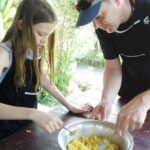
- The “hands-on” part: you do the work, not just watch
- Expect an active 6 hours
- Lunch versus dinner sessions: plan around the meal style
- Coffee and free water during class
- Guides and family-run details: why it feels more personal than a studio class
- Price and logistics: is $75 good value?
- Who gets the best value
- Timing, weather, and what to wear
- Who should book this cooking class near Ubud?
- Should you book? My honest take
- FAQ
- How long is the Balinese cooking class?
- Where does the experience start?
- Is hotel pickup included?
- Is it private or a shared class?
- Can I join if I’m vegetarian?
- What kinds of dishes will I learn to make?
- What is the minimum age?
Key moments you won’t want to skip
- Payangan Market visit (morning or afternoon): See produce and spices used by local home cooks before the cooking starts.
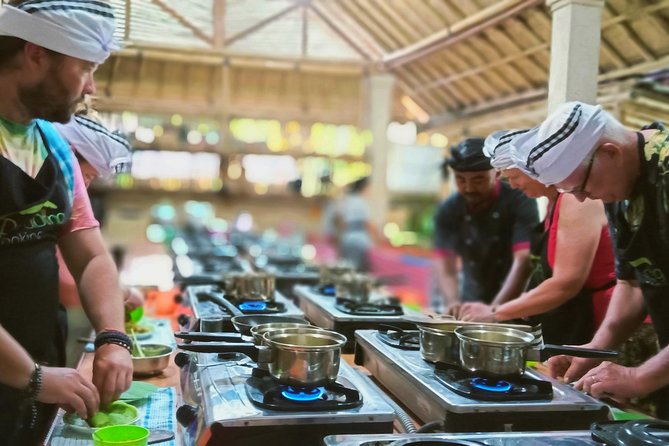
- Family compound, open kitchen setup: You cook on-site in a traditional home environment, not a showroom kitchen.
- Stone mortar and wooden pestle work: You’ll practice Balinese-style spice and paste preparation the old way.
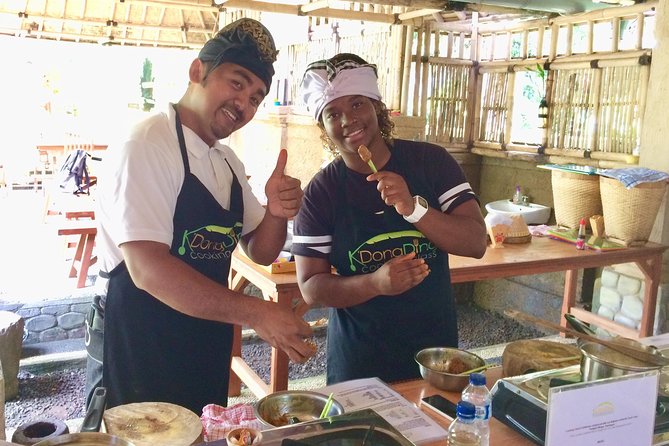
- Hands-on cooking at your own station: The class is built so each person works, not just watches.
- Welcome coffee/tea with a Balinese sweet: A small start that makes the whole day feel personal.
- Vegetarian-friendly menu choices: Several dishes can be done vegetarian (or tofu), if you request in advance.
Payangan Market to Family Compound: how the morning (or evening) unfolds
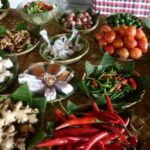
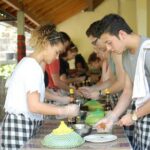
This experience is built like a mini day trip focused on real Balinese cooking. You start at Payangan Market (Melinggih area, Payangan, Gianyar), where the food world is practical and local. Even if you’re not a foodie expert, you’ll pick up a sense of what people buy day to day and how spices and vegetables shape meals.
Depending on whether you book the morning or afternoon class, you’ll hit a morning market or a night market style setup. That timing matters because market energy changes. In the morning, you’ll see ingredients at a calmer pace. In the evening, the food vibe shifts to warmer, more social browsing.
After the market, the group heads to the Balinese compound house. This part is less about photos and more about context. You’re stepping into a family-run space where cooking isn’t separated from daily life.
You can also read our reviews of more tours and experiences in Ubud.
What I like about that market start
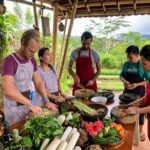
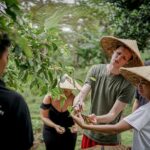
The market visit isn’t just a scenic stop. You’re there to test ingredients and get oriented before you cook. In Bali, that order helps you understand what you’re tasting later, especially with spices and paste bases.
A few details from real experiences people shared add color here. For example, one cook described how the family keeps native bees for honey. Another described a home tour that included a pet monkey the family rescued. You might see elements like that, but the key is the same: the home setting makes the cooking feel grounded.
A quick drawback to plan for
Markets can be warm and busy. Also, you’ll be walking a bit before you settle into cooking. If you’re sensitive to heat, bring a hat and plan to pace yourself right from the start.
Welcome drink, spice testing, and why the class starts with taste
Before you touch a knife, you’ll get a welcome drink—Bali coffee or tea—plus a Balinese cake. It’s a small ritual, but it signals what the class is really about: flavor first.
Then comes the part that makes the rest click. You’ll test spice ingredients and start learning what each flavor does in a dish. This is where you build your kitchen vocabulary, not just your recipe list.
You’ll also get an introduction to how Balinese cooking treats spice prep as a craft. The class emphasizes that paste and sauce preparation is one of the most important parts of the cuisine, not an afterthought.
The open kitchen setup: your station matters more than the scenery
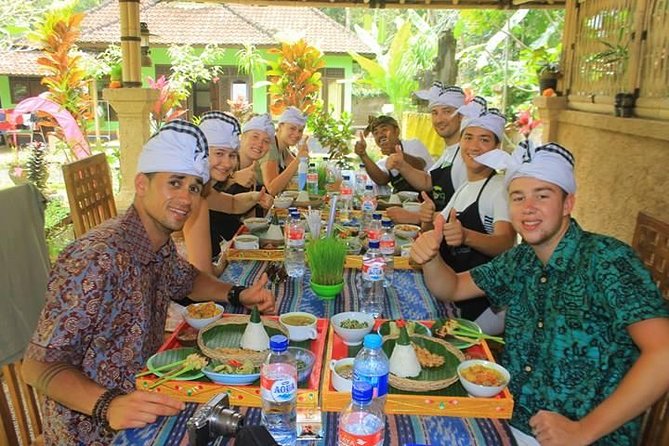
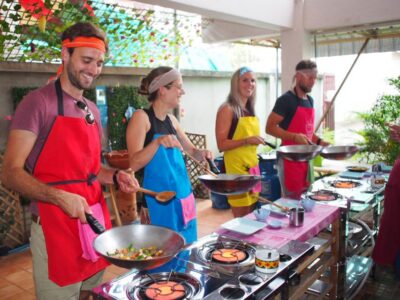
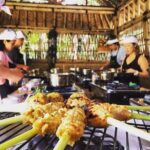
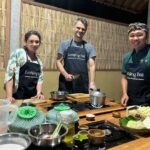
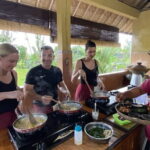
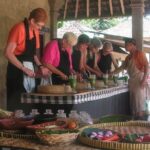
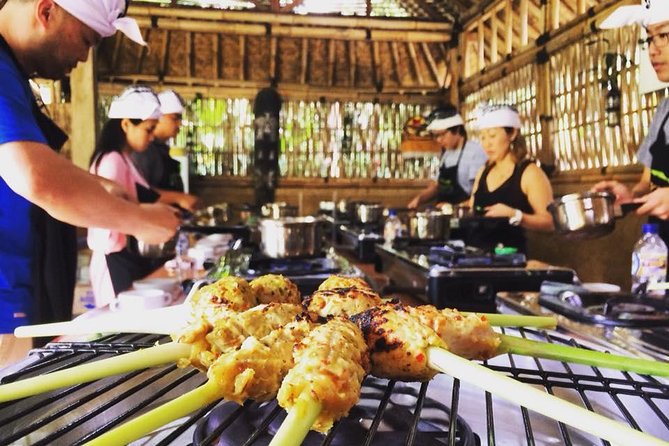
Cooking happens in a traditional open kitchen. This isn’t a sealed, sterile lab where you stand in one spot. Instead, you’re working at your own station with tools and a kitchen set meant for participants.
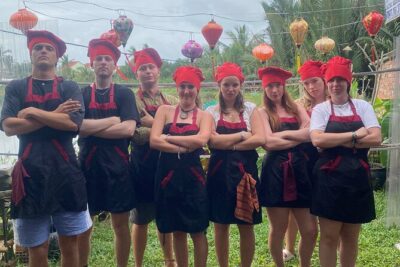
The class size stays friendly: minimum 1 person, maximum 12. And it’s private, meaning only your group participates. That matters because you get more direct guidance and more chances to ask questions without feeling rushed.
The kitchen setup is also practical. Every participant has a station, plus cooking tools and ingredients. Air-conditioning is included via an A/C vehicle for transport, and the cooking space stays comfortable enough for active work, but it’s still Bali, so you’ll likely feel the humidity.
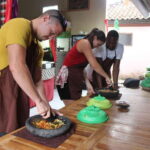
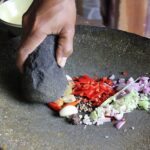
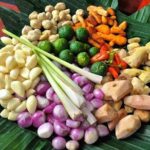

Traditional tools: chopping versus pounding
This class leans hard into traditional technique. You’ll practice processing food using traditional utensil methods and hands-on steps.
A big teaching moment is the two-way approach to spice preparation:
- Chopping spices on a wooden chopping block
- Grounding spices in a stone mortar before cooking
That difference is more than old-school theater. Chopping and pounding can change texture, which changes how flavors release in sauces and pastes. If you’ve ever wondered why homemade sauce tastes different from bottled spice mixes, this is the answer in action.
What you actually cook: a menu you’ll remember
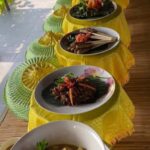
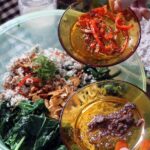
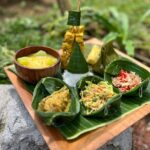
You’ll make a full meal, with dishes that can include vegetarian or tofu options. The class lists examples like:
- JUKUT URAB (V)
- SATE LILIT AYAM (V/TOFU)
- CALON BE SIAP WITH CHAYOTE SOUP (V/TOFU)
- TAHU MESANTEN (V)
- DADAR GULUNG (V) ala kdongding
The exact flow can depend on the session, but expect multiple dishes and multiple cooking techniques across the 6 hours. This isn’t a single-dish demo where you learn one thing and call it done.
Vegetarian options are real, but you must request early
Vegetarian is available, but you need to tell the operator in advance. That’s not a minor note. It affects ingredient preparation and how the menu is organized.
If you’re vegetarian, make that clear during booking and also mention allergies or other restrictions. The class offers to handle special requests like allergic foodstuffs, but you should still plan to communicate details early.
The chayote soup ingredient note (and why it’s included)
One dish description specifically mentions chayote in the CALON BE SIAP soup and includes claims like anti-inflammatory properties and support for digestion and weight loss efforts. While you should treat wellness claims as general guidance, it does suggest the menu isn’t random. The cooking is tied to ingredient identity.
Even if you ignore the health angle, you’ll still learn how chayote fits into the Balinese flavor system.
The “hands-on” part: you do the work, not just watch
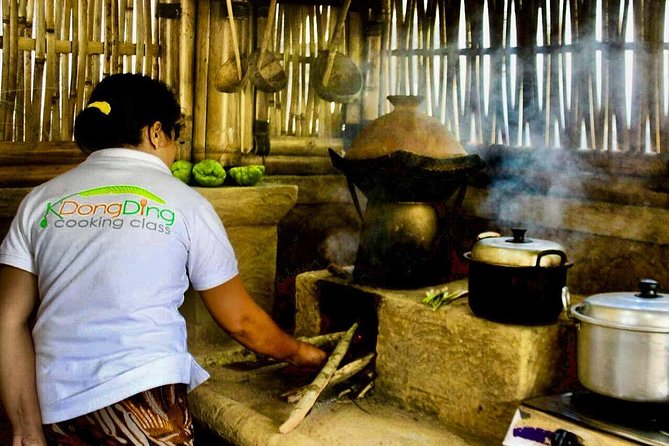
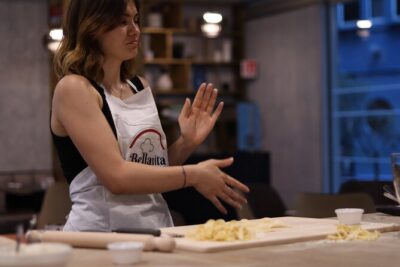
This is a true participant class. You’ll do your own prep work and cooking steps. People who value technique tend to love this format because you get repetition: chopping, pounding, mixing, grilling, and assembling.
One thing that comes through in experiences shared is how instructors balance guidance with letting you take control. Names mentioned include Nyoman Mahendra and also Wayan, and the teaching style described is consistent: they guide you step by step, but they don’t hover so much that you lose the chance to do the actual cooking.
So you’ll not only taste good food—you’ll come away knowing what to replicate at home.
Expect an active 6 hours
You’re in the kitchen for hours. That means:
- You’ll use both hands and elbows more than you expect
- You’ll stand and move in the open-air setting
- You’ll switch between prep tasks and cooking tasks
If you prefer a seated, watch-only tour, this might feel like work. If you want a skill-based experience, it’s a win.
Lunch versus dinner sessions: plan around the meal style
The experience runs on a schedule with two flavors of timing:
- Morning class includes lunch
- Afternoon class includes dinner
In both cases, the menu is prepared by you. Then you get to sit down and eat what you made. That’s a big part of the value. You’re not just collecting recipes; you’re getting closure: taste the dishes you created.
Coffee and free water during class
You’ll be welcomed with Bali coffee or tea before cooking, and you can refill your bottle water at the class for free. Also, there’s a note asking you to bring your own bottle to reduce single-use plastic. That’s easy to follow and it keeps the experience smooth.
Guides and family-run details: why it feels more personal than a studio class
The instructor element matters here because this isn’t a scripted cooking theater. You’re learning authentic technique and local ingredient logic from a certified cook.
The family-home setting is part of the “why.” You’re not just in a kitchen; you’re in a compound where the cooking culture has continuity. A lot of the best moments come from small explanations: what an ingredient is called locally, how it behaves when cooked, and why a spice paste is built the way it is.
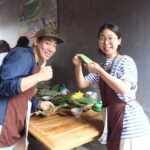
People also mention warmth beyond instruction, like being introduced to the family and hearing how they live. You may also hear stories connected to their land and animals—again, specifics can vary, but the overall tone is community-first.
Price and logistics: is $75 good value?
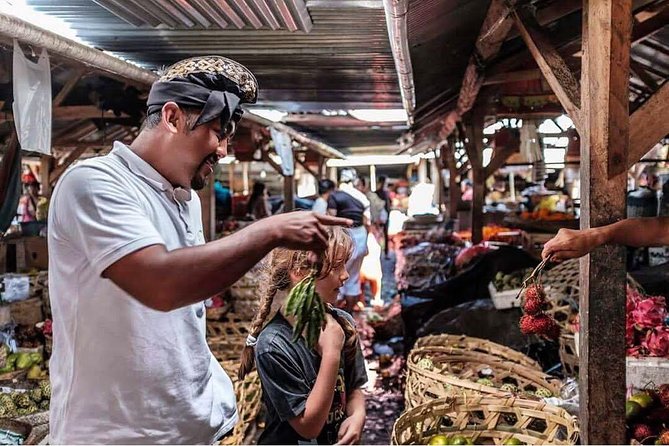
At $75 for about 6 hours, this can be strong value—especially because you’re getting much more than a meal. You’re paying for:
- Market access to see ingredients before cooking
- A hands-on class with your own station and tools
- Transport included from Ubud hotels
- A recipe book and a culinary workshop certificate
- Coffee/tea welcome and seasonal snacks
The transport piece matters in Bali. If you’re staying in Ubud, pickup and drop-off are included in the Ubud area. If you’re outside Ubud and Payangan, there’s an extra transfer fee depending on your area (like Sanur, Seminyak, Kuta, Nusa Dua, Jimbaran). For Ubud stayers, that included transport makes the price feel simpler.
One small logistics note for bigger groups: the car fits up to 6 passengers, and there’s extra cost for guests 7–12. If you’re planning with friends, you’ll want to confirm how your group size will be handled.
Who gets the best value
You’ll get the best value if you:
- Want technique you can repeat at home
- Care about Balinese flavor systems (spice pastes, sauces, and prep styles)
- Prefer a smaller group format (this goes up to 12)
If you only want a light snack experience, this price may feel high. If you want real skill and a full meal made by you, it’s a fair deal.
Timing, weather, and what to wear
This class requires good weather. Since the cooking happens outdoors in an open setting and there’s a market component, expect some weather sensitivity. If rain hits, the plan can shift (the operator offers a different date or a full refund in poor-weather cases).
For clothing: wear breathable clothes and shoes you don’t mind getting a bit of Bali dust on. You’ll be moving and handling food prep tasks.
Also, bring a light layer. Even when the day is hot, kitchens and transport can get cool with airflow.
Who should book this cooking class near Ubud?
This experience is a great fit for people who want authentic food skills, not just sightseeing. It’s also a good match if you’re traveling solo or in a small group because the private setup keeps it focused.
It’s especially suitable for:
- Vegetarian eaters who want a real menu (request vegetarian at booking)
- Food lovers who like learning why flavors work
- Anyone who appreciates traditional prep methods, especially spice paste texture
Minimum age is 12, and children must be accompanied by an adult. So plan it like an activity day, not a hands-off tour.
If you hate mess or you’re expecting a slow, relaxed lesson, this might not match your pace. But if you like doing and tasting, you’ll probably have a great time.
Should you book? My honest take
Book this cooking class if you want to come home with more than memories. You’ll learn Balinese spice prep the traditional way—chopping versus stone mortar grinding—plus you’ll cook multiple dishes and eat the results.
Skip it if you want something purely passive, or if you haven’t planned your dietary needs. Vegetarian works, but the class needs advance notice so ingredients and prep can be handled properly.
If your ideal Ubud day includes markets, a family-run home kitchen, and a meal that feels earned, this one is a strong choice.
FAQ
How long is the Balinese cooking class?
The session runs about 6 hours.
Where does the experience start?
It starts at Payangan Market (Unnamed Road, Melinggih, Kec. Payangan, Kabupaten Gianyar, Bali 80572, Indonesia).
Is hotel pickup included?
Yes, free pickup and drop-off in the Ubud area is included. Extra transfer charges apply if you’re staying outside Ubud and Payangan (with different fees depending on the area).
Is it private or a shared class?
It’s private. Only your group participates, with a minimum of 1 person and a maximum of 12 people per booking.
Can I join if I’m vegetarian?
Vegetarian options are available, but you need to let them know in advance so the menu can be prepared for you.
What kinds of dishes will I learn to make?
The class examples include JUKUT URAB, SATE LILIT AYAM (with vegetarian/tofu options), CALON BE SIAP with chayote soup (with vegetarian/tofu options), TAHU MESANTEN, and DADAR GULUNG ala kdongding.
What is the minimum age?
The minimum age is 12, and children must be accompanied by an adult.