REVIEW · UBUD
Jambangan Bali Cooking Class
Book on Viator →Operated by Jambangan Bali Cooking Class with market tour · Bookable on Viator
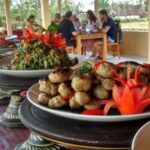
Cooking in a Ubud home beats restaurant food. I like how the market tour sets up your whole meal, and how the family-style setting turns it into a culture-and-cooking day, not just food on a plate. The class is run in English by Balinese chefs (you can meet guides like Putu, Wayan, and Made), and it stays small with a max group size of 15.
One thing to plan around: if you choose a later slot, the market visit can shift, since evening market hours may not match the schedule. Still, the experience aims to keep the cultural pieces going, like offerings and home-kitchen cooking, even when the day’s start needs adjustment.
In This Review
- Key Things I’d Put on Your Radar
- A 5-Hour Bali Home Cooking Day in Ubud’s Food Neighborhood
- Morning Market Start: Picking Herbs, Spices, and Your Exact Ingredients
- Rice Paddy Time and Daily Hindu Offerings You Can Watch Up Close
- Inside a Balinese Home Kitchen: English Instruction in a Real Family Setting
- What You Cook and Eat: Your Menu, Lunch in the Garden, and Take-Home Recipes
- Cultural Extras That Make It More Than Cooking: Coconut Oil, Offerings, and Rindik Music
- Price and Logistics: Why $34 Feels Like Good Value
- What to Expect From the Two Class Options: Lunch vs Dinner
- Who This Cooking Class Suits Best (and Who Should Think Twice)
- Should You Book Jambangan Bali Cooking Class?
- FAQ
- Will I cook the food myself?
- Is lunch included?
- What language are the classes taught in?
- Where does the class take place?
- How many people are in a group?
- Do I get to visit a market?
- What cultural activities are included besides cooking?
- Is alcohol included?
- Can I cancel for a full refund?
- What if the weather is bad?
Key Things I’d Put on Your Radar

- Market first: pick herbs, spices, and ingredients before you cook
- English-led home kitchen: Balinese chefs fully conversing as you cook
- Rice field and daily Hindu life: you’ll see what’s happening beyond the stove
- You cook, you eat: lunch in the garden after your hands-on prep
- Hands-on culture extras: coconut oil processing, simple offerings, and rindik music
A 5-Hour Bali Home Cooking Day in Ubud’s Food Neighborhood
This is the kind of Ubud experience that makes you feel like you’re stepping into a local rhythm. It runs about 5 hours, and it’s designed so you’re not just tasting Balinese cuisine, you’re learning how it’s built—ingredients, techniques, and the small daily traditions that shape what ends up on a table.
The price—$34—is a big part of the appeal. Lunch is included, alcohol isn’t, and you’re getting a full morning or afternoon program with market time, cooking time, and cultural activities at a family home.
You’ll also want to remember the format: it’s hands-on, open-kitchen style, and you work with the tools and ingredients you don’t have at home. That’s where the class stops being “another cooking demo” and becomes something you can actually repeat.
You can also read our reviews of more tours and experiences in Ubud.
Morning Market Start: Picking Herbs, Spices, and Your Exact Ingredients
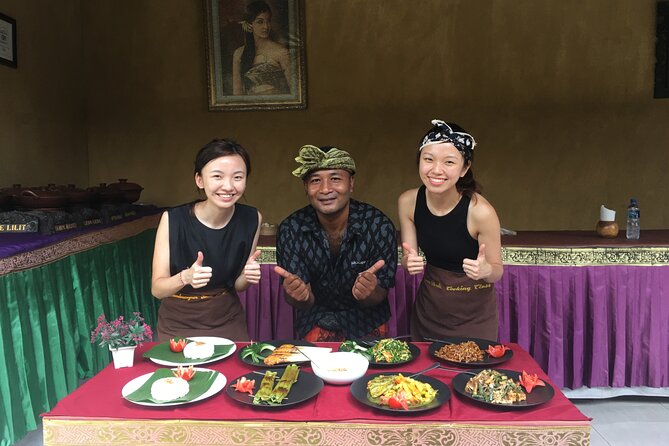
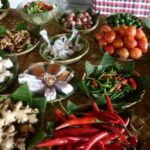
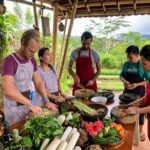
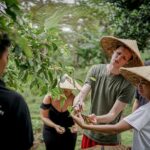
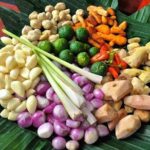
The day begins with a start that feels early on purpose. You head to the traditional market so you can select fresh herbs and spices, and choose your ingredients—things like vegetables and your cut of meat. It’s a practical way to understand Balinese cooking, because you learn what’s available locally and how people think about flavor before the stove ever turns on.
This is also where you get the first cultural payoff. Markets in Bali aren’t just shopping—they’re where everyday food knowledge lives. You’ll pick up the terms and textures that matter, not just the finished dishes.
Timing matters here. If you book a morning class, you’re much more likely to catch the market in full swing. If you choose later timing, be ready for the day to adapt if the market is already closed.
Rice Paddy Time and Daily Hindu Offerings You Can Watch Up Close
After the market, you’ll move through the landscape around Ubud and see rural routines up close. You may catch a view of rice farming activities and rice paddy scenery, which is a nice bridge between “where food grows” and “what ends up in your kitchen.”
Then comes a quiet, meaningful part that many food tours skip: you’ll witness household daily Hindu offerings. This isn’t presented as a show. It’s more like a lived-in detail you notice when you’re in a home, not when you’re passing through a temple from a distance.
If you like cultural context—why something is made a certain way, and when—it helps you connect ingredients to daily life.
Inside a Balinese Home Kitchen: English Instruction in a Real Family Setting
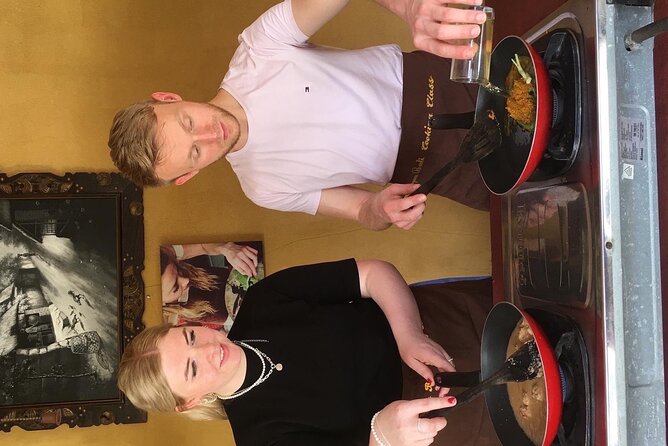
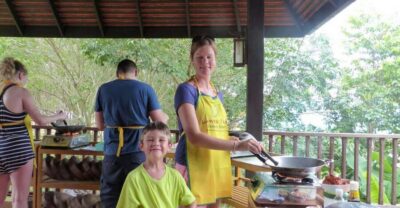
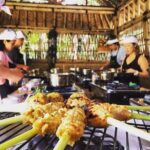
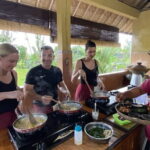
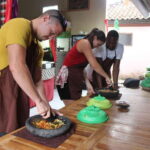
The cooking class happens at a Balinese home with an open kitchen and a setting that feels personal. You’ll get a look at family life and how the home works day-to-day, which is a big reason people rate this so highly.
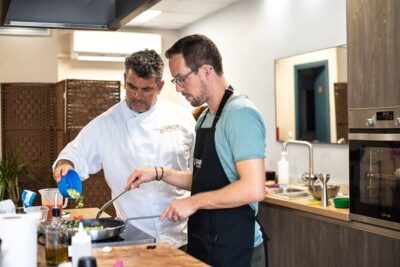
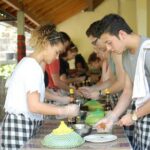
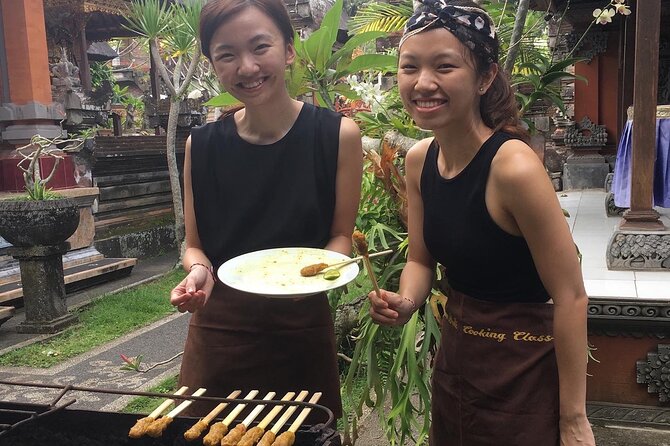
The chefs and hosts teach in English, and the approach is interactive. It’s not rigid lecture style. You can ask questions while you’re chopping, mixing, and assembling, and you’ll get guidance that connects the food to Balinese cuisine and culture.
What I like about this setup for first-timers: you’re not expected to already know Balinese flavors. The cooks explain what you’re working with, and then you do the work yourself—hands-on, not just watching from a distance.
It’s also small enough that you don’t feel lost in a crowd. With a max of 15 travelers, you get more attention than you would in a mega-tour.
What You Cook and Eat: Your Menu, Lunch in the Garden, and Take-Home Recipes
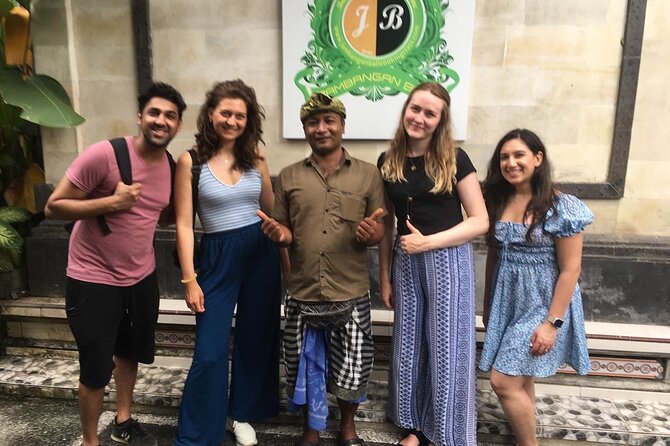
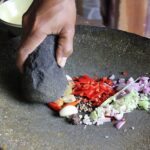
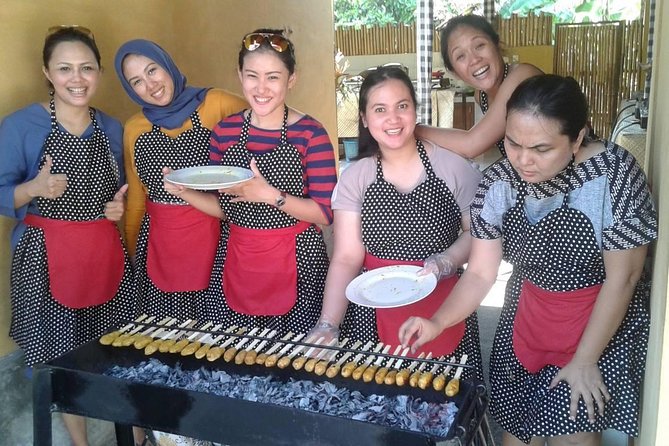
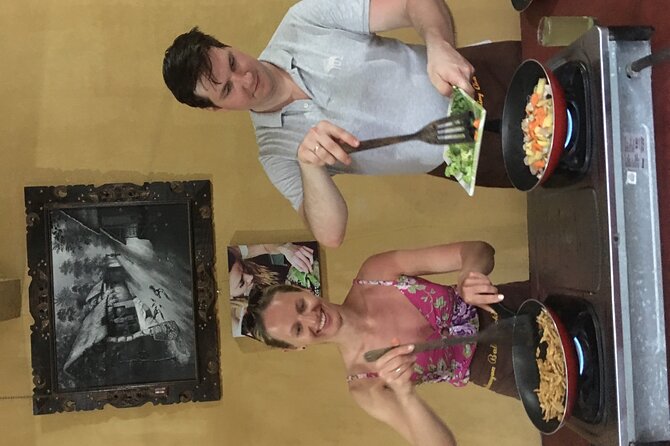
The core promise here is simple: you make the dishes yourself. That hands-on approach is how you learn what to buy, what to adjust, and how the flavors come together.
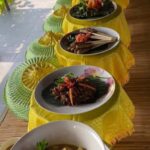
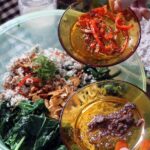
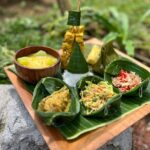
In terms of the meal, this experience includes lunch. You’ll savor what you cooked in the home’s garden setting afterward. That post-cooking meal matters more than you might think. It’s when the food clicks, because you taste what you worked on while it’s still fresh in your mind.
You can also choose between a lunch or dinner class, depending on the slot you book. If you pick lunch, you’ll likely get a smoother market-to-cooking-to-garden meal flow. Dinner timing may shift certain parts if the market hours don’t line up.
One extra practical win: some people receive a copy of the recipes at the end. That’s incredibly useful if you want to repeat the dishes at home without guessing.

Cultural Extras That Make It More Than Cooking: Coconut Oil, Offerings, and Rindik Music
This is where the experience gets extra points—because it doesn’t treat culture like an add-on photo op.
You’ll learn about coconut oil processing, which is a real-world food skill tied to everyday Balinese cooking. Even if you don’t have a processing setup at home, you’ll come away with a better sense of why coconut oil is used and how it connects to flavor.
You’ll also make a simple offering and witness how the household daily offering works. That’s not just explanation—it’s a chance to participate. If you’re someone who likes the “how and why” behind traditions, this is one of the strongest moments of the day.
Then there’s music. You may experience rindik, a type of Balinese music made from bamboo. It’s the kind of detail that makes the day feel rounded: food, home life, and the sounds that show up in daily culture.
These elements are family-friendly in style, and they help kids and adults alike stay engaged without turning the experience into a lecture.
Price and Logistics: Why $34 Feels Like Good Value
Let’s talk value, not just cost.
At $34, you’re paying for a full 5-hour program that includes market time, cooking instruction, and lunch. You’re also getting access to a home kitchen environment, plus cultural activities like coconut oil processing and making offerings—things that usually cost extra when you try to assemble them separately.
The only clearly stated meal limitation is alcohol: it’s not included. If you like beer or wine with meals, plan on purchasing it separately.
Logistically, the experience uses a mobile ticket, and it’s near public transportation. The meeting point is at Warung JB Jambangan Bali in Tegallalang (Jln kelabang moding no 713). The class ends back at the meeting point, which simplifies your end-of-day planning.
And since the group max is 15 travelers, it stays closer to a shared experience than a conveyor-belt tour.
What to Expect From the Two Class Options: Lunch vs Dinner
Choosing lunch or dinner changes the feel of the day.
A morning class usually lines up well with the market experience. That’s when you can pick ingredients with the energy of a working market and then move smoothly into cooking. It also gives you a fuller arc: market, rural scenery, home kitchen, then a garden meal.
A dinner class can still be great, but it may require flexibility. If you go later and the market is already closed, the program can shift to a different stop (for example, tea and coffee sampling is one example that shows up when markets don’t operate on schedule). So if market ingredients are your priority, aim for a morning slot.
Weather matters too. This experience requires good weather, and if it’s canceled due to poor conditions, you’ll be offered another date or a refund.
Who This Cooking Class Suits Best (and Who Should Think Twice)
This is a strong match if you:
- want hands-on cooking instruction rather than watching
- like cultural context tied to what you eat
- travel with kids or want a family-friendly activity
- prefer small groups and conversation with the hosts
It’s also great if you’re a foodie who’s tired of only doing restaurant meals and wants a more grounded view of Balinese cuisine.
You might think twice if you:
- hate early starts (the market start is typically early)
- expect everything to run exactly the same way regardless of time of day
- need alcohol included as part of your meal (it isn’t)
If you’re flexible and you want more than food—home life, daily offerings, and kitchen skills—this one fits well.
Should You Book Jambangan Bali Cooking Class?
Yes, if you want a Ubud experience that mixes cooking skill with daily-life context, this is an easy pick. The combination of ingredient selection at a traditional market, cooking in a Balinese home kitchen, and then eating your own work in the garden is a standout format for learning.
The value is strong for what’s included at $34—market time, lunch, English-led instruction, and cultural activities like coconut oil processing and offerings. If you choose the right time slot (morning if you care most about the market), you’ll likely get the most complete flow.
FAQ
Will I cook the food myself?
Yes. The class is designed as hands-on cooking, and you’ll make the dishes and then eat what you prepare for lunch.
Is lunch included?
Lunch is included. The experience also offers the option to choose a lunch or dinner class.
What language are the classes taught in?
The classes are conducted in English by Balinese chefs who are fully conversant with Balinese cuisine and culture.
Where does the class take place?
It takes place at a Balinese home with an open kitchen setting in the Ubud/Tegallalang area.
How many people are in a group?
The tour has a maximum of 15 travelers.
Do I get to visit a market?
Yes. You explore a traditional market to select herbs, spices, and ingredients before cooking.
What cultural activities are included besides cooking?
You’ll have the chance to learn about coconut oil processing, make a simple offering and witness the household daily offering, and experience rindik (bamboo music).
Is alcohol included?
No. Alcohol is not included.
Can I cancel for a full refund?
You can cancel for a full refund if you cancel at least 24 hours before the experience start time. If you cancel less than 24 hours before, the amount paid won’t be refunded.
What if the weather is bad?
The experience requires good weather. If it’s canceled due to poor weather, you’ll be offered a different date or a full refund.