REVIEW · UBUD
Ubud: Balinese Cooking Class and Market Tour
Book on GetYourGuide →Operated by Group Wonderful Activities · Bookable on GetYourGuide
Ubud can be busy, but this class keeps it real. In about four hours, you tour a local market, cook a big batch of Balinese food by hand, and eat what you make with your group. The best part is the small-group feel and the amount of food you produce for the price.
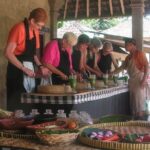
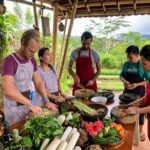
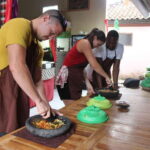
What I like most is the hands-on cooking. You’re not watching from the sidelines. You actively make 9 Balinese signature dishes, taste along the way, and get a PDF recipe copy so you can repeat it later.
One thing to consider: if you do the morning option, you’ll walk through a traditional local market in real conditions. It’s fascinating and part of the experience, but it’s not styled for comfort.
In This Review
- Key Things to Know Before You Go
- A Ubud Cooking Class That Feels Like a Local Day
- Morning Market Tour: How Locals Actually Shop for Dinner
- Rice Paddies Stop: Understanding Why Rice Matters Here
- Inside the Family Compound: Cooking 9 Balinese Dishes by Hand
- What the Afternoon Option Adds: Canang Offering Setup
- Lunch, Dinner, and the Real Goal: Learn What You Can Repeat
- Logistics in Ubud: Pickup, Timing, and Small-Group Flow
- Price and Value: Why $23 Makes Sense Here
- Who This Cooking Class Is Perfect For
- FAQ
- FAQ
- How long is the Ubud Balinese cooking class and market tour?
- Is the market tour included?
- Do you visit rice paddies?
- What is included in the afternoon class?
- How many dishes will I cook?
- Is pickup and drop-off included?
- Is there an English-speaking guide?
- What should I bring?
- Is it suitable for children?
- Can I get the recipes to take home?
- Should You Book This Ubud Class?
Key Things to Know Before You Go
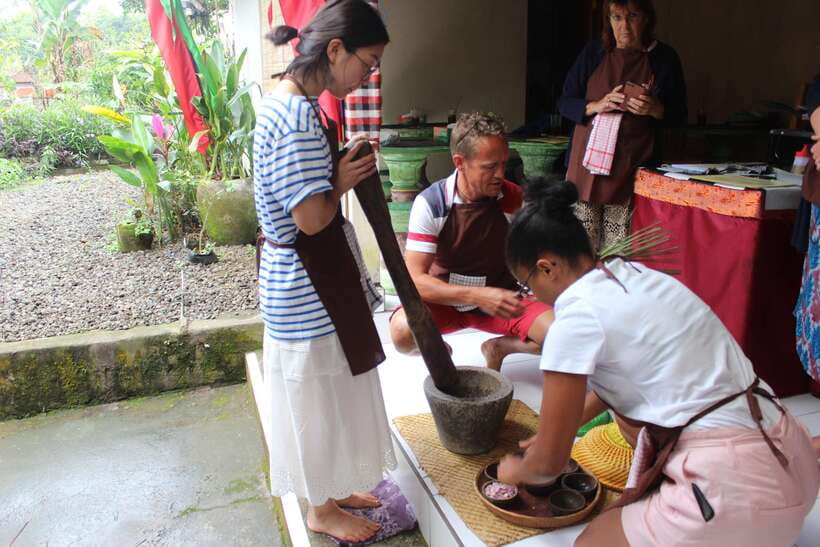
- Make 9 dishes yourself with a Balinese chef and clear step-by-step guidance
- Morning market tour includes fruit tasting and how locals buy ingredients
- Small group (up to 14 people) keeps the attention on your cooking
- Morning option may include rice paddies, with context on rice in Balinese life
- Afternoon option focuses on cooking plus Canang offering setup
- Ubud-area hotel pickup/drop-off is included, with a shuttle that stays inside Ubud
A Ubud Cooking Class That Feels Like a Local Day
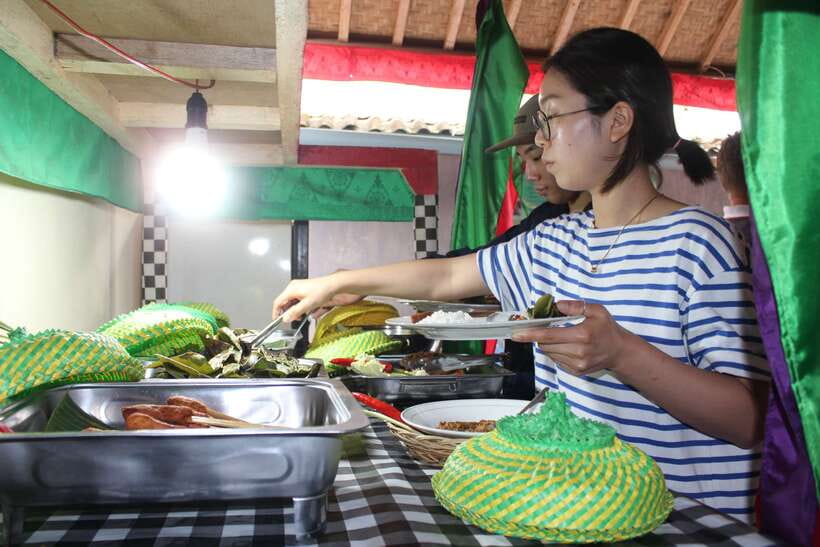
If you’re doing Ubud, you’ll hear the same cooking class pitch again and again. This one earns its keep by putting you in front of the ingredients first, then behind the stove second. You also get a family-compound style setup, not a factory-like classroom.
For me, the standout is how much you actually do in a short time. Cooking 9 dishes isn’t a sample menu. It’s a full working session: prep, cook, adjust, and taste. One review even notes the instructors balance hands-on work with support so you don’t feel stressed if your technique isn’t perfect.
The other thing that makes it work is the people. Guides such as Putu (market + guiding) and chefs/instructors such as Wayan show up in multiple accounts as patient, funny, and organized. Names vary by group, but the pattern stays: clear teaching, good English, and a relaxed vibe that still runs on schedule.
You can also read our reviews of more tours and experiences in Ubud.
Morning Market Tour: How Locals Actually Shop for Dinner
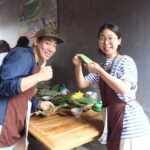
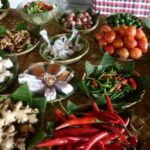
If you choose the morning class, you start with a traditional market stop. This isn’t a curated produce walk. You’re shown how people sell and buy ingredients, with real context on what you’re seeing and why it matters for Balinese cooking.
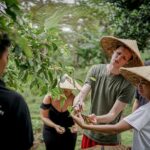
You’ll typically taste local fruit during the tour. It’s a small moment, but it helps your brain switch from tourist mode to food mode fast. One guide approach that keeps showing up in reviews: explaining unfamiliar fruits in a way you can compare to what you know. That makes the flavors feel less strange and more approachable.
Expect the market to be genuine. One account flags details like tight quarters and dirt floors, calling it real Bali rather than a polished attraction. If you’re sensitive to strong sensory environments, it helps to know this ahead of time. Still, if you want your cooking class to start with the real world, this is the right move.
Rice Paddies Stop: Understanding Why Rice Matters Here
For morning departures, there may also be a visit to rice paddies. This is one of those stops that sounds optional until it clicks. Rice in Bali isn’t just a crop; it’s part of daily rhythm, community life, and offerings.
In reviews, guides teaching about rice describe its importance directly, including firsthand knowledge from the field. That kind of local detail makes the later meal feel less random. When you taste food cooked with rice-related context in mind, you get why Balinese cuisine is built around more than just spices and recipes.
If you’re skipping the morning class, don’t worry. You still get full cooking time. But if you want nature-to-plate context, the paddies add a meaningful layer.
Inside the Family Compound: Cooking 9 Balinese Dishes by Hand
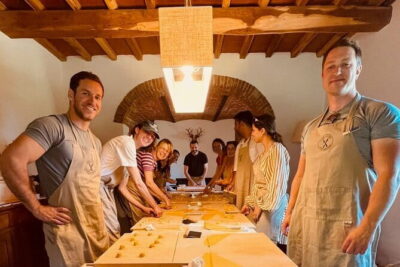
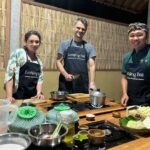
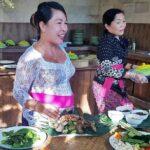
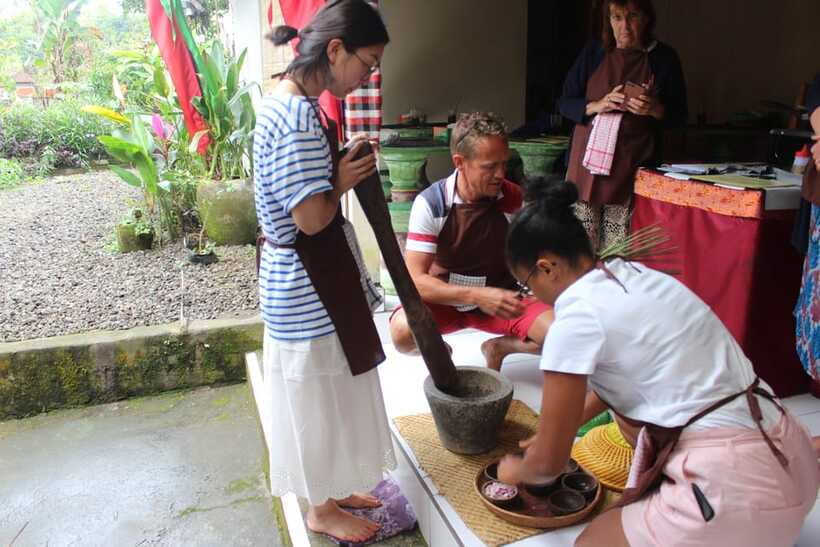
The cooking portion happens in a Balinese family complex style setting. That matters more than you’d think. It tends to feel homey, not like a staged kitchen experience.
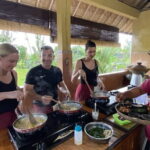
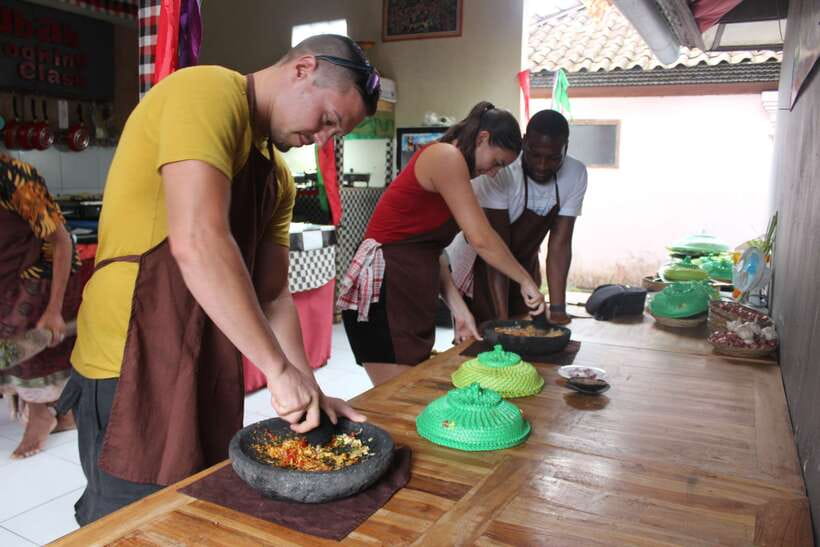
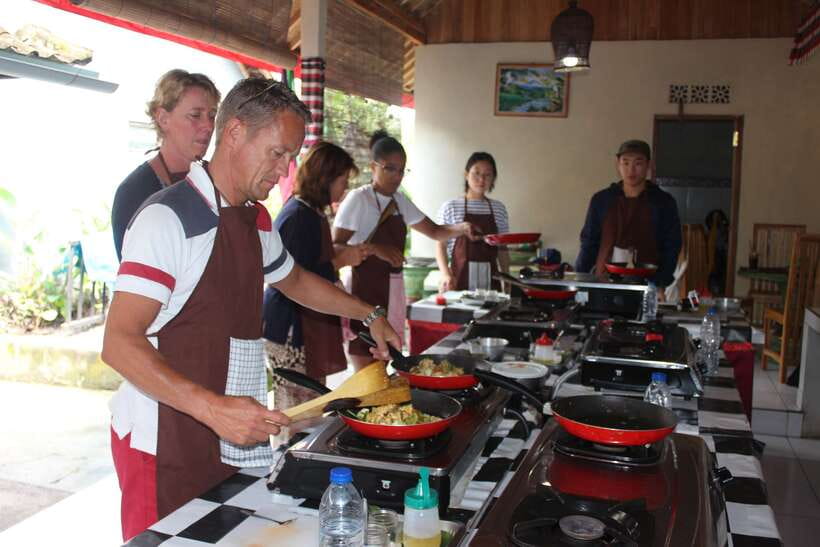
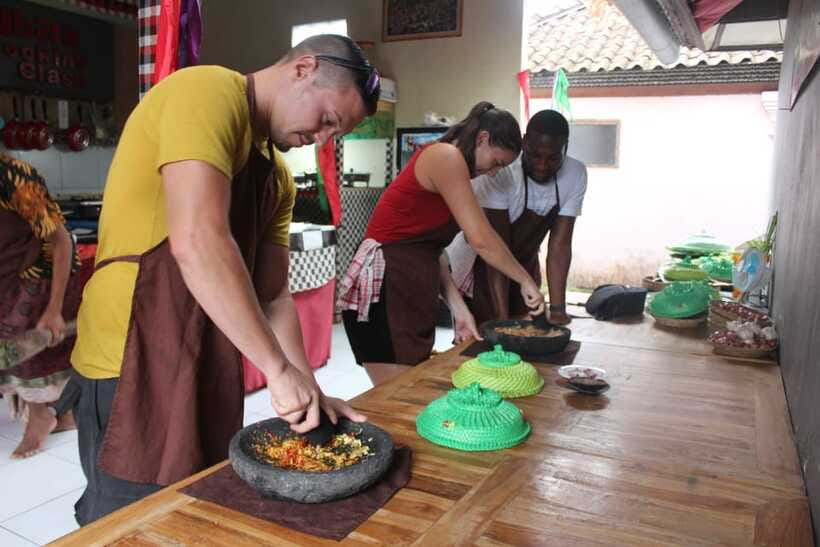
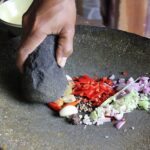
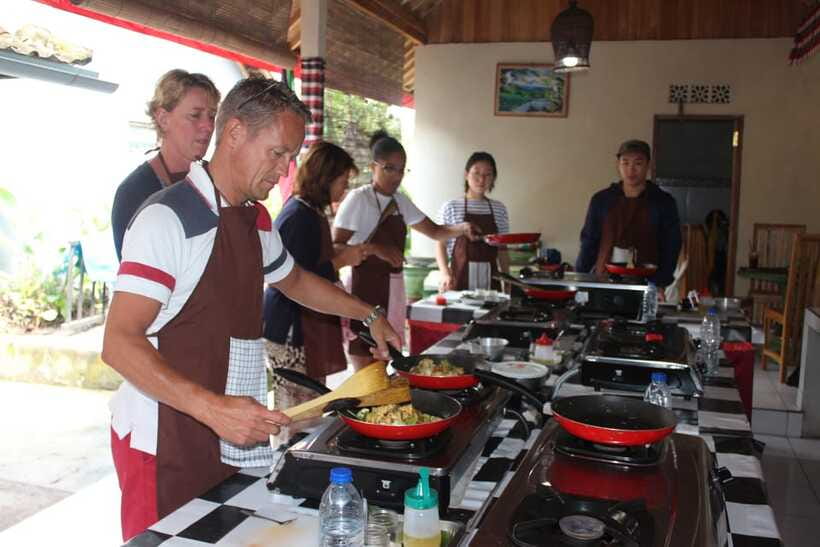
You’ll work with a Balinese chef who teaches step by step. Multiple reports describe a smooth rhythm: some tasks are hands-on for you, and other steps get assisted so you can focus on learning rather than fixing mistakes. You’ll prepare at least 9 dishes, covering the kinds of foods that make Balinese meals feel whole: sauces, mains, and even something sweet.
A key detail: you taste what you’re making along the way. That keeps feedback immediate. If a sauce needs adjusting, you’re not waiting until the end to find out. You learn faster because you’re tasting during the process, not just eating after.
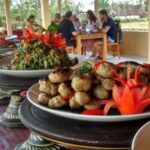
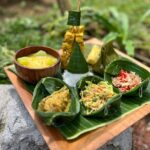
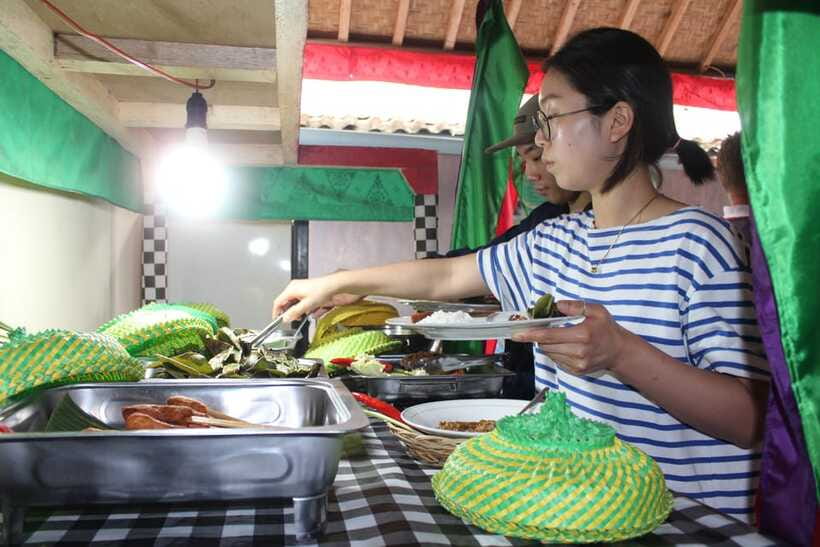
Also, you end up with a real feast feeling because the volume is high. Reviews mention everyone eating what they cooked together, and that the class produces enough food to feel like a proper meal, not a tiny lunch.
What the Afternoon Option Adds: Canang Offering Setup
If you choose the afternoon class, you still do the cooking. The big difference is what happens before or alongside the food work. Included is a Canang offering setup, which is part of everyday Balinese practice.
Even if you’ve only seen offerings in passing, this is where it becomes practical. You get to understand it as something made with intention, not just a decorative detail for tourists. It also helps explain why food in Bali often connects to ceremony and daily life.
Some afternoon groups skip the market and rice paddies entirely, which can be great if you want to trade the outdoor walking for extra time cooking and learning the food side.

Lunch, Dinner, and the Real Goal: Learn What You Can Repeat
At the end, you savor your meal together. The highlight isn’t just the taste, though that’s clearly a big part of why people rate this so high. The goal is taking the knowledge home.
You receive a PDF copy of the recipes. That’s practical. It gives you a way to reproduce the dishes later without relying on memory or guessing measurements. And because you make 9 dishes yourself, you’ll usually have more confidence picking which ones you actually want to cook again.
On flexibility: at least some groups report vegetarian and vegan options, plus the ability to adjust spice levels (including a non-spicy menu in one case). If you have dietary needs or spice concerns, this is the kind of class where it’s worth telling the team what you need ahead of time so they can guide you safely.
Logistics in Ubud: Pickup, Timing, and Small-Group Flow
This tour runs about 4 hours, so it fits neatly between other Ubud plans. The pace also makes sense for a cooking class. You’re not there all day, but you do enough cooking to feel like you learned real technique.
Hotel pickup and drop-off are included within the Ubud area. If your stay is outside Ubud, you’ll meet the shuttle at a reference point in Ubud (the Ubud Palace area is mentioned) or you can go directly to the class. That matters because Bali traffic can make exact pickup times flexible, but the program is still designed to keep everything running smoothly.
The group stays small, with a maximum of 14 participants. In practice, that usually means you get enough attention from the chef and guide, and you’re not standing around waiting for your turn. One review describes cooking with a group of just four, and it emphasizes how hands-on the experience felt.
What to bring is simple and practical: camera, headphones, and cash. You’ll likely use cash at the market stop for tastings or small purchases (even if the core experience is included).
Price and Value: Why $23 Makes Sense Here
At about $23 per person for a 4-hour experience, the value comes from what’s bundled. You’re getting:
- Hotel pickup/drop-off in Ubud
- A guide
- 9 Balinese signature dishes you make yourself
- A welcome drink
- Market tour and rice paddies for morning options (not afternoon)
- Recipe PDF
- Canang offering setup for afternoon options
For many Ubud classes, you pay for cooking instruction alone. Here, you’re paying for a full sequence: sourcing context (market, fruit), cultural context (rice paddies or offerings), and actual cooking practice. You also eat what you cook, which makes the time feel earned.
The $23 part is also why small details matter: small group size, English-speaking guidance, and enough kitchen support that you’re not wasting the class trying to troubleshoot. Multiple reviews call out organization and a smooth run, which is often what separates a great cooking class from a stressful one.
Who This Cooking Class Is Perfect For
This is ideal if you want more than a food photo. Book it if you:
- Want to cook real Balinese dishes and leave with a repeatable plan
- Like structured learning with hands-on steps, but not chaos
- Enjoy market travel when it’s guided and explained
- Want a compact activity that still feels culturally grounded
It may be less ideal if:
- You dislike traditional markets and the real-world conditions that come with them
- You need wheelchair access (the experience isn’t suitable for wheelchair users)
- You’re traveling with young kids (it’s not suitable for children under 6)
If you’re deciding between morning and afternoon, pick morning for the market + possible rice paddies. Pick afternoon if you’d rather focus on cooking plus Canang offerings without the market walk.
FAQ
FAQ
How long is the Ubud Balinese cooking class and market tour?
The experience is listed as 4 hours.
Is the market tour included?
It’s included only with the morning class option.
Do you visit rice paddies?
Rice paddies are included only for the morning class option.
What is included in the afternoon class?
The afternoon option includes the cooking class plus making set up Canang offering, but it does not include the market tour or rice paddies.
How many dishes will I cook?
You will prepare at least 9 Balinese signature dishes.
Is pickup and drop-off included?
Yes, pickup and drop-off are included for hotels in the Ubud area.
Is there an English-speaking guide?
Yes. The live tour guide is listed as English.
What should I bring?
Bring a camera, headphones, and cash.
Is it suitable for children?
No, it is not suitable for children under 6 years old.
Can I get the recipes to take home?
Yes. You receive a PDF copy of the recipes.
Should You Book This Ubud Class?
If you want the best shot at learning Balinese cooking fast and actually eating a meal you made yourself, this is an easy yes. The biggest reason is the mix of market context + hands-on cooking + 9-dish output in a short, well-run 4-hour block. Choose the morning if you can handle a real traditional market and you want the rice paddies story. Choose the afternoon if you’d rather jump straight into cooking and Canang offerings. For the price, it’s hard to beat this kind of practice time.