REVIEW · UBUD
Be a real Balinese with Traditional Balinese Cooking Class
Book on Viator →Operated by Delodsema Traditional Village · Bookable on Viator
Cooking in a Balinese home beats a generic class. I love the way Kadek and Sangayu host you right in their family setting for a hands-on Balinese cooking session, and I also love the spiritual reset of the Tirta Empul water blessing ritual that comes right after. It’s the kind of Ubud day that feels personal, not packaged.
One big consideration: Balinese custom does not allow women who are menstruating to enter the temple and bathe in the sacred waters at Tirta Empul.
In This Review
- Key Highlights You’ll Feel Immediately
- Delodsema Village Cooking: Hands-On, Not a Performance
- Tirta Empul Purification: A Private Ritual With Clear Rules
- The Rice Terrace Lunch: How They Feed You Matters
- Coffee Plantation Stop: Taste the Difference, Learn the Process
- Transfers, Timing, and What $30 Really Buys You
- Who This Experience Fits Best (And Who Might Want Another Option)
- Should You Book This Balinese Cooking and Purification Day?
- FAQ
- FAQ
- Is lunch included in this experience?
- What’s included with the cooking part?
- Do I need to pay for Tirta Empul temple entrance?
- Is transportation included?
- How long is the tour?
- Can menstruating women enter the temple?
- What about coffee—do you just taste it?
Key Highlights You’ll Feel Immediately
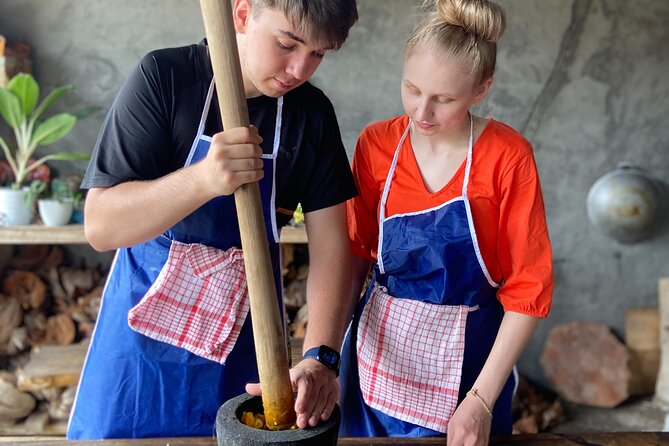
- Family-home cooking at Delodsema Village with a local welcome and real village life
- Private Tirta Empul purification ritual led by your guide, in the sacred waters
- Rice-terrace lunch served with a clear explanation of how to eat like local
- Coffee plantation tour and Indonesian coffee tasting after lunch
- Door-to-door private 2-way transfers from Ubud (with a possible extra fee depending on pickup area)
Delodsema Village Cooking: Hands-On, Not a Performance
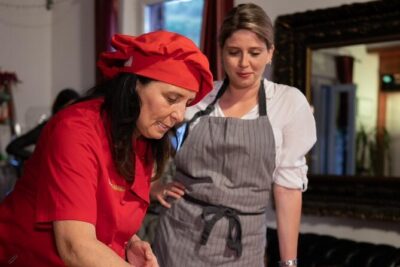
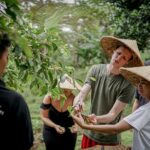
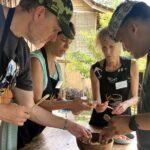
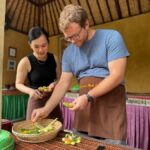
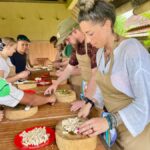
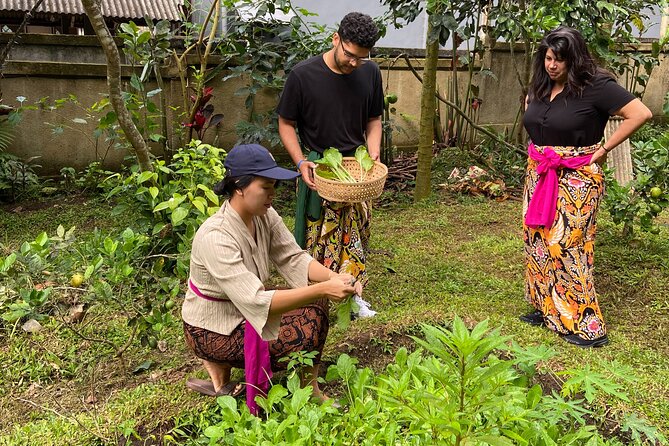
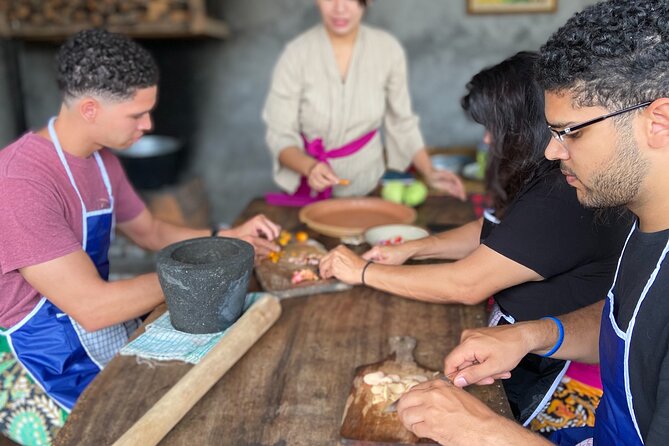
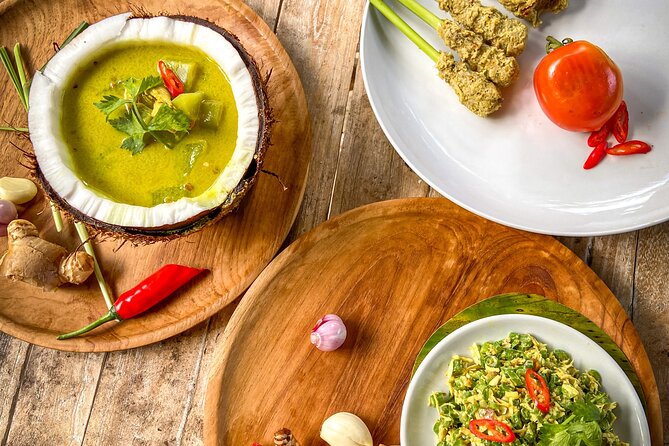
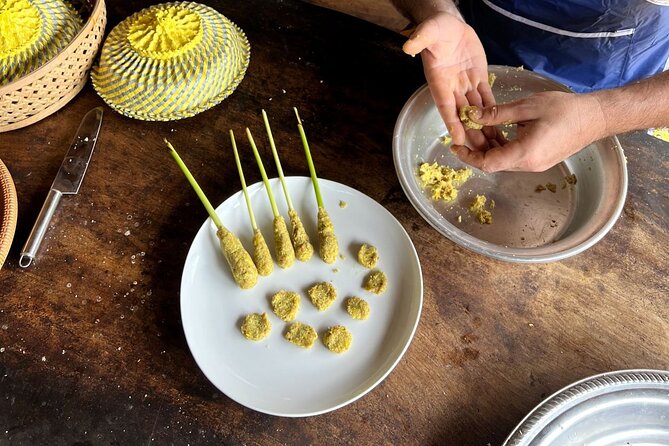
Delodsema Traditional Village is set up for learning the way locals actually live. This is one of those places where you don’t show up to watch someone else cook; you work with fresh ingredients, get a sense of local herbs and spices, and cook alongside the family.
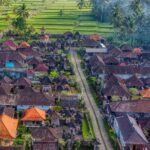
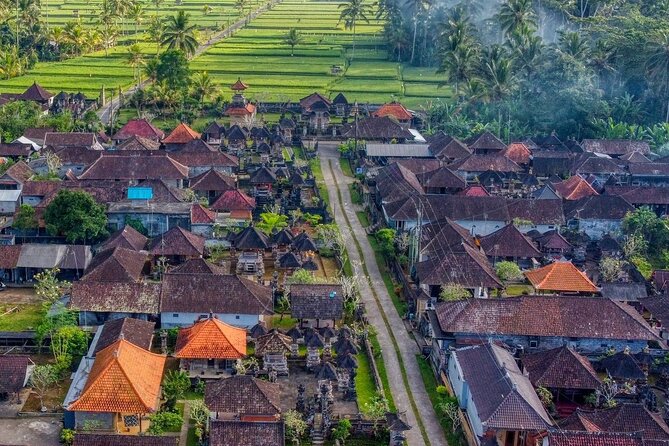
A detail I really like: the village is small, and the class connects you to that scale. You’ll meet locals in a community where about 60 family members live there, and you’ll be shown the ingredients you’ll use while you’re still in the village. That makes the cooking feel grounded, not staged.
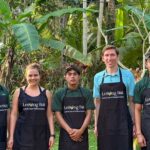
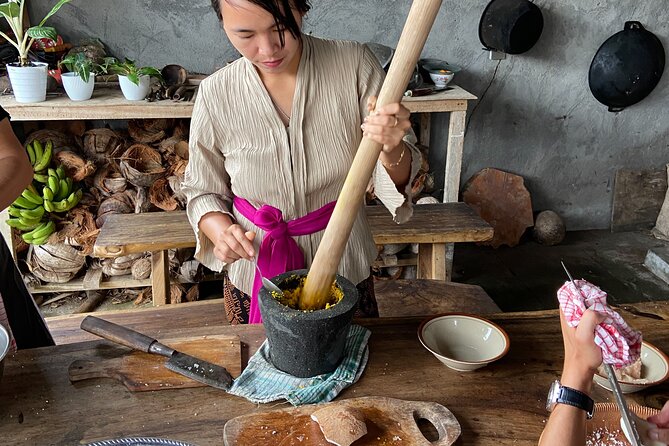
Then Kadek and Sangayu get you started with a Balinese welcome drink and snack, and the day builds from there. Expect a cooking flow that includes ingredient prep, actual cooking steps, and a guided meal at the end. The teaching style matters here. Instead of just throwing recipes at you, the hosts explain what the spices and herbs are doing and why they’re used.
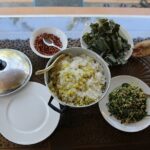
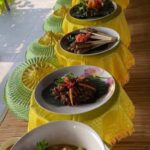
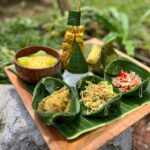
Food gets served in a very local way. Dishes are set up on the ground, and your hosts explain how to eat like a local. That’s a small thing, but it changes the whole vibe. You’re not just eating; you’re participating in the rhythm of how a meal is laid out in Balinese daily life.
Practical tip: wear clothes you can move in and that won’t mind getting a little messy. Cooking in a family home is not a blow-dry-and-perfume kind of activity.
You can also read our reviews of more tours and experiences in Ubud.
Tirta Empul Purification: A Private Ritual With Clear Rules
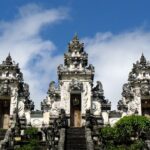
After you’ve cooked and you’ve gathered your offerings and incense, the next stop is Tirta Empul Temple for a purification ritual in the sacred waters. This part is private—your group goes with your guide, rather than being mixed into a crowd—which helps the ritual feel less rushed.
Here’s what’s important for planning: the temple entrance itself is listed as at your own expense, and the ritual involves bathing in the sacred waters. So you’ll want to be mentally ready for wet clothes, changing temperature, and a religious setting where behavior matters.
What makes Tirta Empul meaningful is the contrast. Ubud has plenty of food and scenery, but purification is about cleansing and spiritual intention. Your guide walks you through what to do, and you follow along with offerings and incense. You’re not just watching a cultural show—you’re taking part in a real practice.
One non-negotiable custom: menstruating women cannot enter the temple and bathe. If that applies to you or someone in your group, you’ll need to sit this portion out. The good news is that the overall day still includes the village cooking, but the temple part will be off-limits for that group.
Practical tip: bring a change of clothes in your bag. Even if you’re comfortable getting wet, you’ll feel better afterward.
The Rice Terrace Lunch: How They Feed You Matters
Lunch at this experience is more than a break. It’s part of the learning arc, because it’s served after purification and ties the day together: food, ritual, and local eating habits in one flow.
The meal comes with views over rice terraces, so you’re not trapped indoors or in a rushed lunch spot. That matters in Bali. You’ll notice the pace is slower, and the setting nudges you to relax and actually taste your food.
You’ll sample a variety of dishes. Your hosts also explain the local way to eat, including how the dishes are set up. Serving food on the ground is a reminder that this meal is meant to be shared and handled in a culturally specific way.
And yes, you’ll get practical hydration too: bottled water is included, along with Balinese coffee or tea by the end of the experience. That’s a small value add, because it reduces the chance you’ll be paying for drinks mid-day when you’re already spending on the tour.
Practical tip: eat slowly during the meal. The point here isn’t speed; it’s to understand the flow of a Balinese lunch.
Coffee Plantation Stop: Taste the Difference, Learn the Process
After lunch, you head to a coffee plantation. This is a classic Bali add-on, but in a well-run experience it’s still worth it, because you’re not just buying a cup—you’re learning how coffee gets from plant to taste.
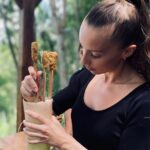
You’ll tour the plantation and taste Indonesian coffee. Since the specific varieties aren’t listed, focus on what you can ask your guide during the tasting. Ask what’s different between the beans and why people prefer one over another. That turns the stop from a souvenir stop into a mini lesson you can actually use.
Also, timing matters. Coffee comes after lunch, so it feels like a natural finish rather than a random detour. You’ll end the experience with something warm or refreshing, depending on what’s offered.
Practical tip: if you’re sensitive to caffeine, don’t assume you’ll want a full serving. Take a small taste first, then decide.
Transfers, Timing, and What $30 Really Buys You
This is priced at $30 per person and runs about 2 to 3 hours. That’s the biggest thing to understand: it’s a short window, and it packs multiple experiences into it—village cooking, a purification ritual at Tirta Empul, lunch, and a coffee plantation visit.
Is $30 a bargain? In Bali, $30 can mean anything from a decent guided activity to a very basic tour. Here, the value comes from the mix of things you get in one go:
- A cooking experience that happens in a family village setting
- A private water blessing ritual experience
- Lunch with rice-terrace views
- Coffee tasting at a plantation
- Some food and drink included (bottled water, coffee/tea, Balinese snack)
Also, the tour offers door-to-door private 2-way transfers from Ubud hotels. For many people staying in Ubud, that alone can be a meaningful cost-saver because it reduces the hassle of arranging rides between stops.
One small logistics note: transport from Ubud central area may have an additional cost of IDR 350k roundtrip. If you’re staying outside Ubud central, you might want to confirm what your pickup area covers before you go.
Practical tip: if you hate being rushed, treat this as a learn-and-participate morning or afternoon, not a tight-schedule day. The best parts here happen when you take your time in the village and during lunch.

Who This Experience Fits Best (And Who Might Want Another Option)
This is ideal if you want culture that’s active. If you like cooking, you’ll enjoy the hands-on ingredient work and the way the family teaches. If you’re curious about Balinese Hindu practices, Tirta Empul is the highlight because it’s a real ritual setting, not just a temple photo stop.
This also suits people who want a private-feeling day without paying for a long, expensive itinerary. The experience is private, and you’re not stuck in a big group trying to hear instructions over everyone else’s questions.
Where it may not fit:
- If you’re uncomfortable with wet bathing as part of a ritual setting
- If the temple rules will affect your group’s ability to participate in the water portion
Also, it’s set for adults (minimum age is 18). If you’re traveling with a mixed-age group, plan accordingly.
If you’re short on time but want authentic, you’ll like this. If you’re the type who wants only cooking and no spiritual ritual, you may find the day more mixed than you expected—but the connection between purification, offerings, and lunch is part of what makes it meaningful.
Should You Book This Balinese Cooking and Purification Day?
I’d book it if you want more than a restaurant meal and more than a staged cooking demo. The combination of family-home cooking in Delodsema, the Tirta Empul water blessing ritual, and a rice-terrace lunch is a strong set of experiences for the price.
I would think twice only if the Tirta Empul participation rules apply to someone in your group, or if you really dislike the idea of bathing in a temple setting. If neither of those is an issue, this is one of those Ubud activities that tends to feel personal because you’re learning inside daily life, with hosts who guide you step-by-step.
FAQ
FAQ
Is lunch included in this experience?
Yes. Lunch is included, and you’ll sample a variety of Balinese dishes. Bottled water is also included.
What’s included with the cooking part?
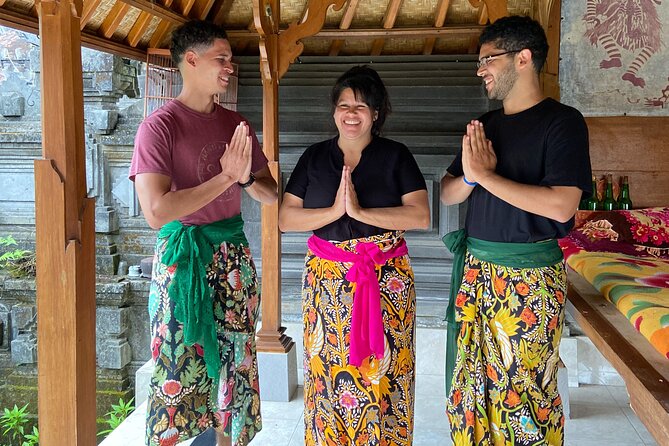
You’ll receive a Balinese sarong and a welcome snack. The class also includes the cooking process, and you eat like local at the end.
Do I need to pay for Tirta Empul temple entrance?
Yes. Tirta Empul entrance is at your own expense.
Is transportation included?
Door-to-door private 2-way transfers from Ubud hotels are included, and there may be an additional cost for transport from Ubud central area (IDR 350k roundtrip).
How long is the tour?
The experience runs about 2 to 3 hours.
Can menstruating women enter the temple?
No. Balinese custom does not allow women who are menstruating to enter the temple and bathe.
What about coffee—do you just taste it?
You’ll tour the coffee plantation and taste Indonesian coffee. Balinese coffee or tea is included.