REVIEW · UBUD
Balinese Cooking class with traditional morning market visit
Book on Viator →Operated by Bali Ubud Tour · Bookable on Viator
Start your day at the market, then cook Bali. I love the hotel pickup plus air-conditioned ride, which makes the early start painless. I also like the small group setup (max 8) because you actually get hands-on time with a real chef. One drawback: the morning market means you should be ready to rise early.
This experience blends two great parts of Balinese food culture: shopping for ingredients and cooking with traditional techniques. You’ll also learn how to make canang offerings (and other offering items) before you start cooking, then finish with a sit-down meal of what you made in a scenic Ubud setting, often described as jungle surroundings.
In This Review
- Key things I’d circle on your calendar
- From hotel pickup to Ubud’s morning start
- The traditional morning market stop where flavors start
- Laplapan village welcome and why it fits the food lesson
- Making canang offerings before you cook
- The cooking workshop: how the class actually runs
- Vegetarian and dietary needs
- Instructors with personality
- The meal: where the whole day pays off
- Price and value in Ubud: what $35 really covers
- Why it’s a good value (and when it might not be)
- Who should book this Balinese cooking class with market visit
- Booking advice: how to decide fast
- FAQ
- How long is the cooking class with a morning market visit?
- Is hotel pickup included?
- What group size should I expect?
- Do you learn how to make Balinese offerings?
- What’s included in the price?
- What is the cancellation policy?
Key things I’d circle on your calendar
- Traditional morning market ingredient picking so you cook with foods you actually selected
- Canang offerings practice before the kitchen work
- Small group max of 8 for more personal help while chopping and stirring
- Air-conditioned hotel transport included, so you spend less time baking in transit
- A sit-down meal where you eat your creations instead of grabbing food on the go
- Diet-friendly flexibility reported by some guests, including vegetarian options
From hotel pickup to Ubud’s morning start
This class is designed to feel easy on your schedule. You’re picked up from your hotel, then transferred by air-conditioned vehicle to the market and the cooking workshop. It’s the kind of detail that matters in Bali, where traffic and heat can turn a “simple morning” into a long one fast.
The experience runs about 6 hours total, so it’s long enough to be genuinely fulfilling but short enough that you still have time for an afternoon plan in Ubud. The morning start is the trade-off. You’ll be up early for the market, but you’ll also get to shop while ingredients are fresh and active vendors are working.
Another practical plus: you’ll be traveling with a small group, capped at 8 people. That changes the vibe. Instead of waiting your turn, you get to participate, ask questions, and keep your station moving.
You can also read our reviews of more tours and experiences in Ubud.


The traditional morning market stop where flavors start
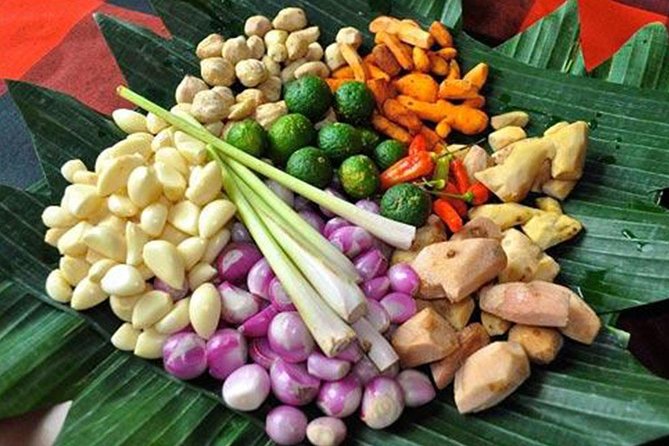
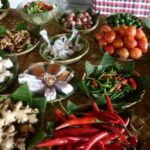
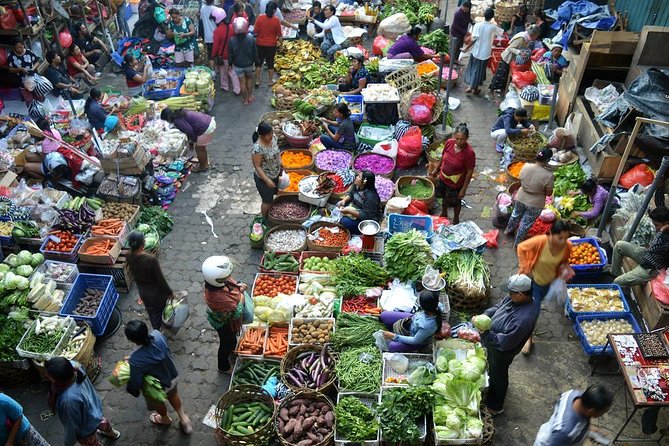
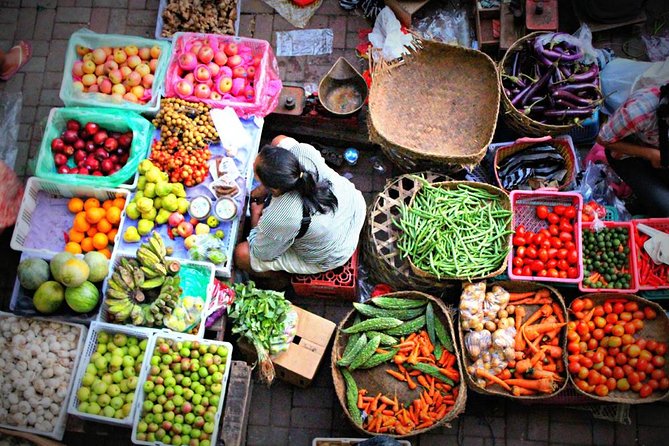
The market visit is where the tour earns its keep. You don’t just look at food like it’s a museum exhibit. You’re meant to choose ingredients for your cooking class—vegetables, herbs, meat, and spices—based on what’s available there.
Here’s why this matters for you: you’ll learn what Balinese cooks actually use, not just what’s popular in tourist kitchens. Many ingredients you see in Ubud markets are strongly tied to local cooking styles, especially the spice blends and aromatic herbs that make Balinese food taste like Balinese food.
You’ll also have chances to sample things during the market portion, and you’ll get explanations along the way. One repeated theme in feedback is how much people enjoy that guided, sensory approach—smell, taste, and a bit of context for ingredients that might look unfamiliar. If you’ve ever taken a cooking class where everything was pre-chosen for you, this feels like a better way to learn. You’re not memorizing a menu. You’re building an understanding of where the ingredients come from.
A small consideration: markets can be busy and you’ll likely do some walking. Wear shoes you can stand in, and keep your phone handy because you’ll see plenty worth capturing. Just remember: markets are working spaces.
Laplapan village welcome and why it fits the food lesson
After the market, the plan continues to the traditional village area of Laplapan, where you receive a warm welcome on arrival. This isn’t a random sightseeing detour. It helps explain the cultural backdrop for what you’re about to learn—Balinese food isn’t only about taste, it’s tied to daily rituals and community life.
Even if you’re mostly there for cooking, I like having this kind of pause. It sets the mood. You shift from buying ingredients to understanding how those ingredients fit into offerings, ceremonies, and everyday Balinese practice. That context makes the later kitchen instruction easier to follow, because the tour isn’t treating food as separate from culture.
Making canang offerings before you cook
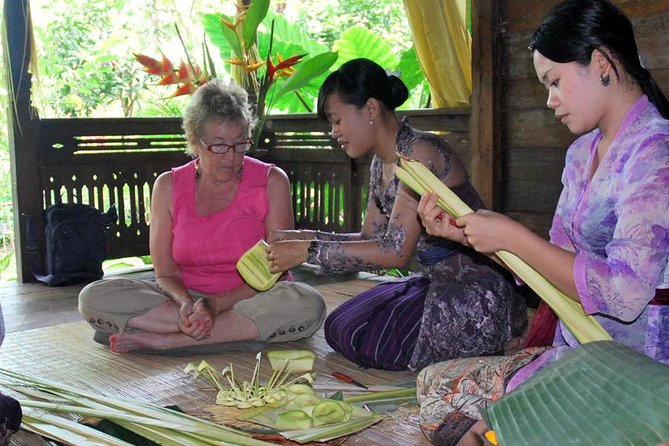
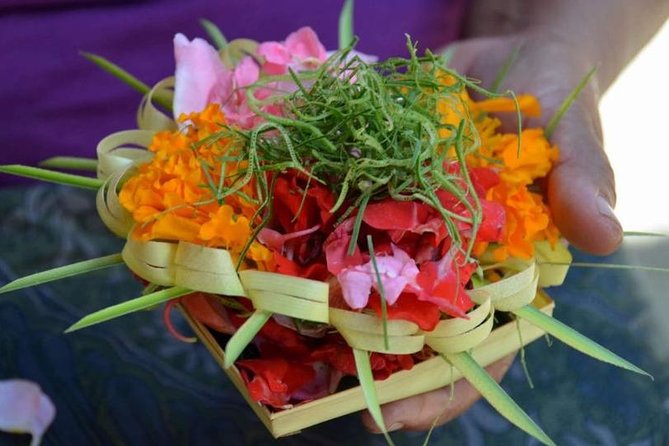
One of the most praised parts is the offering-making portion. Before the cooking class begins, you’ll learn the process of making canang and other offering equipment.
If you’re curious about why Balinese offerings show up everywhere—from temples to home altars—this is a hands-on way to get beyond photos. You’ll be taught the steps and given time to make an offering yourself. In feedback, people often highlight that it feels meaningful and surprisingly teachable, even if you’ve never tried anything like it.
Why this is valuable for you: once you learn how offerings are assembled, you start noticing the ingredients and textures that overlap with cooking—aromatics, plant materials, and the idea that preparation has a rhythm. It also adds variety. You’re not just learning recipes; you’re learning a small piece of Balinese daily life.
Practical tip: keep your hands dry and slow down. Offering-making is detail work. If you rush, it’s easy to end up with a messy build. The instructors are there to guide you, but your calm pace will help.
The cooking workshop: how the class actually runs
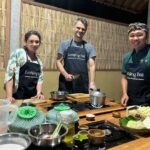
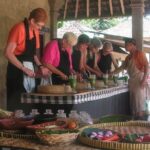
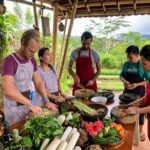
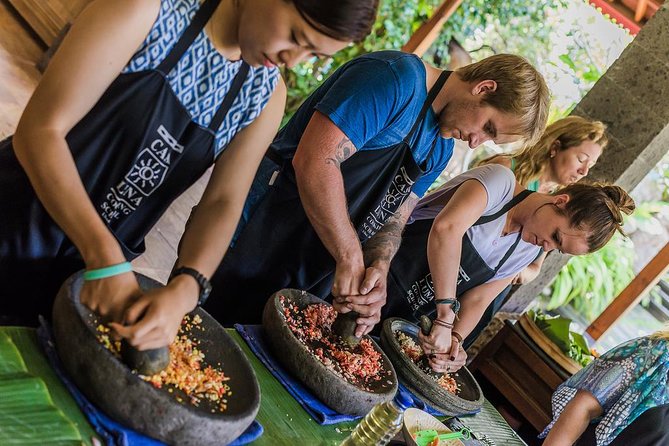
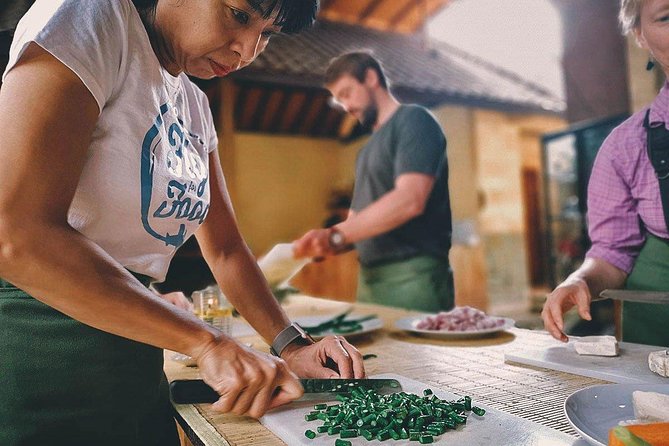
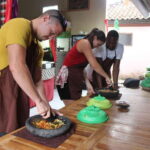
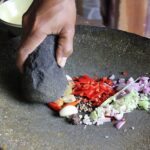
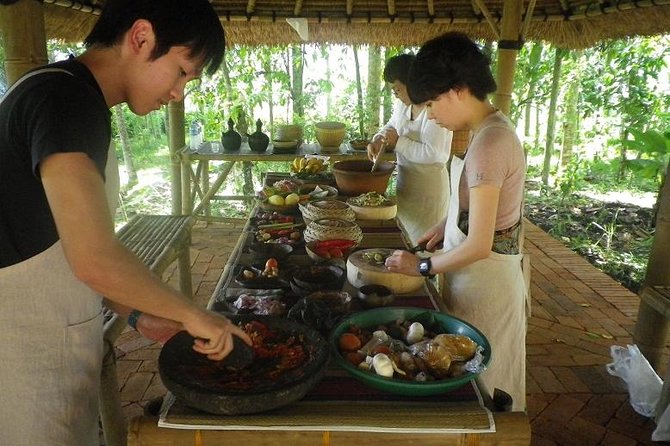
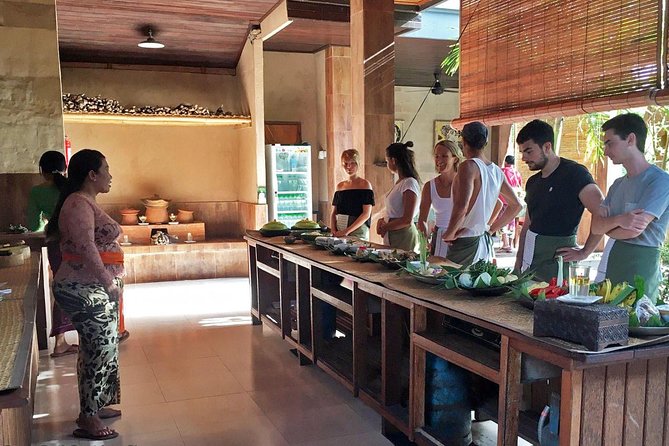
Now for the kitchen part. You’ll cook in a workshop setting described as clean and well organized, with guidance from expert chefs. The class is interactive, so you’ll chop, mix, and assemble dishes rather than watching the whole time.
The cooking curriculum is built around multiple courses. You’ll learn how to prepare starters, main courses, and an authentic dessert, with instruction as you go. Several guests specifically mention making a large number of dishes—around nine in some cases—which is a good sign if you want variety without spending half a day at the market and then doing only one recipe.
A helpful detail from feedback: some ingredients may be pre-prepped so things move along, but you still do plenty of hands-on work. That balance matters. You get a sense of technique without being stuck waiting for every step to be made from scratch.



Vegetarian and dietary needs
Not every cooking class handles dietary needs smoothly. Here, you’ll want to ask during booking, but there’s mention that the team can adapt and that vegetarian options may be available. If you eat vegetarian, or if your diet is limited, this is one reason the class earns strong recommendations.
Instructors with personality
People repeatedly highlight instructors who are patient, funny, and genuinely welcoming. Names like Wayan and Dewa come up often in feedback, and you’ll likely appreciate teachers who explain not just the how, but the why behind flavor choices. That’s especially important when you’re learning spice use and Balinese seasoning approaches.
The meal: where the whole day pays off
At the end, you sit down and eat the dishes you made. This is one of the reasons the experience feels complete. You’re not tasting a small bite here and there. You’re eating a real meal that you helped create.
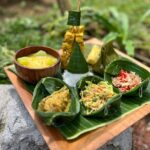
Feedback also mentions that portions are generous and that the food can be both delicious and visually impressive. That’s not just about taste. It’s a reminder that Balinese meals often look as good as they taste, because presentation and ceremony are part of the cultural pattern.
Another perk: some guests report receiving a recipe book. That’s useful for you because the hardest part of cooking classes is recreating the dishes later. If you take home written guidance, you’re more likely to actually cook again instead of letting the memory fade.
Price and value in Ubud: what $35 really covers
The price is $35 per person for an experience that runs about 6 hours and includes key items you’d usually pay extra for on your own.
Based on what’s included, you’re getting:
- Air-conditioned vehicle transport for the market and workshop portions
- Cooking equipment
- Cooking class fees (so you’re not paying separately for instruction)
- Taxes included
What’s not included is personal expenses. That’s typical, but it helps you plan: bring your own spending budget for things like snacks, drinks beyond what’s offered, or any shopping you decide to do.
Why it’s a good value (and when it might not be)
For many people, the value comes down to output. You’re paying for:
1) guided ingredient shopping,
2) offering-making instruction, and
3) a full hands-on cooking session with multiple dishes,
4) then eating the results.
If you like learning by doing—and you want more than one recipe—you’re likely to feel this was worth it. If you’re looking for a super-long, slow cooking deep study, a 6-hour format might feel short. But for most visitors, it hits the sweet spot: active learning without dragging on all day.
Also, there are mentions of group discounts. With a small group cap at 8, discounts can matter if you’re traveling with friends and want to keep the class personal.
Who should book this Balinese cooking class with market visit
This works especially well if you:
- want a real Ubud food experience, not only a restaurant meal
- like markets and learning how ingredients are chosen
- want hands-on cooking with guided teaching
- enjoy cultural activities tied to food, like making canang offerings
- want a class with a small group so you aren’t stuck watching
- travel with kids or as a couple, since the format is interactive (and some families mention great experiences)
It’s also a good fit for first-time cooking students. Offering-making and cooking stations are both structured, which can reduce intimidation. And if you already cook at home, the market selection plus Balinese technique instruction can give you useful ideas to try again later.
Booking advice: how to decide fast
If you’re torn between a generic cooking class and one with a market visit, pick this format when you care about understanding ingredients. The market portion plus offering-making gives you more than recipes. You leave with a mini-world of flavor context.
The only reason to pause is the early start. If your idea of fun is sleeping in, this may not fit your trip rhythm. If you’re okay waking early for a guided market walk and a chef-led kitchen session, this is one of the most practical ways to learn Balinese food in a day.
One more note: confirm any dietary needs at booking so the instructors can plan accordingly. The class seems flexible, but you’ll get the best result by telling them upfront.
FAQ
How long is the cooking class with a morning market visit?
It runs for about 6 hours.
Is hotel pickup included?
Yes, pickup from your hotel is offered, and air-conditioned transport is included for the market and workshop portions.
What group size should I expect?
This activity has a maximum of 8 travelers, so it stays small.
Do you learn how to make Balinese offerings?
Yes. Before the cooking class starts, you’ll learn the process of making canang and other offering equipment.
What’s included in the price?
The price includes cooking equipment, air-conditioned vehicle transport, cooking class fees, and taxes. Personal expenses are not included.
What is the cancellation policy?
You can cancel for a full refund if you cancel up to 24 hours in advance of the experience’s start time. If you cancel less than 24 hours before, the amount paid is not refunded.