REVIEW · TOKYO
Ramen & Gyoza Cooking Class in Tokyo with Local Supermarket Visit
Book on Viator →Operated by YUCa's Japanese Cooking · Bookable on Viator
Ramen at home feels personal. In YUCa’s Japanese Cooking class, you get a small-group, real-kitchen look at how ramen broth and gyoza come together with clear coaching. It’s also a fun way to learn Japanese home cooking basics while you eat what you make.
One thing I really like is the chance to see how ingredients are chosen in daily life, especially with the optional neighborhood supermarket tour. That extra stop can help you shop with confidence when you’re back in your own kitchen.
One possible consideration: the supermarket part is listed as optional, and with a small home-kitchen setup, not every moment is equal hands-on time for everyone. If you want maximum knife-and-stove time, plan to lean into the roles you’re given rather than expecting total control of every step.
In This Review
- Key things you’ll notice before you book
- Where this Tokyo class really shines: a home-kitchen feel
- The morning schedule: what happens from 10:00 to 13:00
- The 15-minute lifestyle lecture: small, useful context
- Cooking ramen and gyoza: what you’ll actually do in the kitchen
- The tasting part: why eating together is part of the lesson
- Optional local supermarket tour: how it boosts your independence
- Price and value: is $122.70 actually fair?
- Dietary needs: vegetarian option, and what to do next
- Where it is and how to get there without stress
- Who should book this ramen and gyoza class?
- Quick tips to make your session go smoothly
- Should you book it?
- FAQ
- What time does the class start?
- How long is the experience?
- Where do I meet for the class?
- Is the supermarket tour included?
- Is there a vegetarian option?
- What dietary requirements should I tell the host?
- How many people are in the group?
- Does the class include instruction before cooking?
- Do I get a ticket on my phone?
- What is the cancellation policy?
Key things you’ll notice before you book
- Small group (max 7): easier for YUCa to check in and explain.
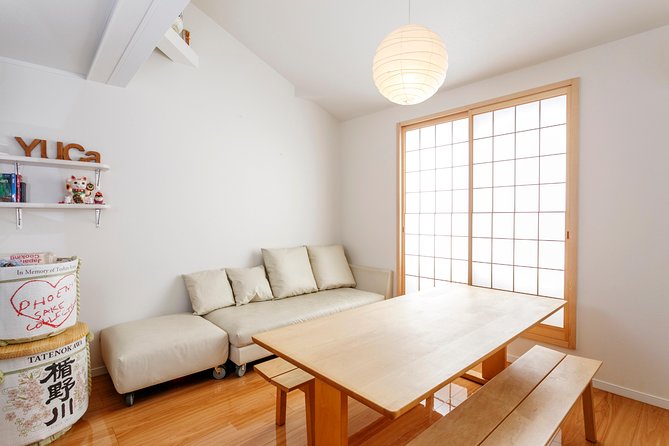
- Real home-kitchen setting: Arakawa City, not a staged cooking studio.
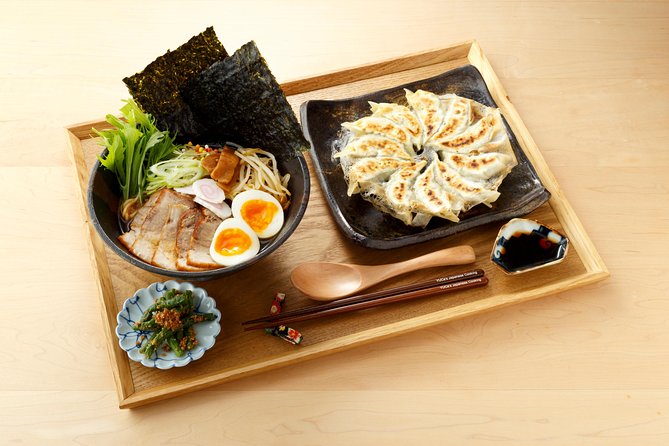
- Ramen + gyoza in one session: you finish by eating your own bowls and dumplings.
- Short lecture on Japanese home cooking: a quick 15-minute lifestyle primer.
- Optional local supermarket tour: ingredient shopping view outside central tourist zones.
- Dietary flexibility: vegetarian option available if you request in advance.
Where this Tokyo class really shines: a home-kitchen feel
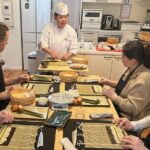
Tokyo has no shortage of food experiences, but this one works because it feels like someone invited you into their everyday rhythm. The meeting point is YUCa’s Japanese Cooking in Arakawa City, and the class happens in her own home kitchen. That matters, because you’re not just watching food happen—you’re learning the logic behind it: what you prep first, how timing works, and how Japanese home cooks think about comfort-food meals.
I also like the structure. You’re given a short setup period, then you move into cooking and tasting, then you optionally head to a local supermarket. It’s the kind of flow that keeps the morning from feeling like a blur.
Finally, the price (about $122.70 per person) can make you pause—until you look at what’s included: a guided ramen-and-gyoza session, cultural context from the host, a group meal at the end, and (if you choose it) supermarket time to understand ingredients like a local.
You can also read our reviews of more tours and experiences in Tokyo.

The morning schedule: what happens from 10:00 to 13:00
Plan for a 2 hours 30 minutes experience in total. The start time is 10:00 am, and you’ll return back to the meeting point at the end.
Here’s how the timing typically breaks down:
- 10:00: Meet at YUCa’s Japanese Cooking.
- 10:15 to 10:30: A lecture about Japanese home cooking and lifestyle.
- 10:30 to 12:30: Cooking and tasting (ramen and gyoza).
- 12:30 to 13:00 (optional): Local supermarket tour.
You don’t need to be a cooking champion. The class is designed so beginners can follow steps, and more experienced cooks can still pick up technique and seasoning logic.
The 15-minute lifestyle lecture: small, useful context
That early 10:15 to 10:30 lecture is short, but it’s there for a reason. Ramen and gyoza can look intimidating because they’re often presented like restaurant magic. In this class, YUCa frames them as home meals with habits you can repeat: how families think about comfort food, how ingredients fit together, and what makes a bowl feel balanced.
Even if your Japanese is limited, the class is set up for English-speaking visitors. The host explains in a way that’s meant to be practical, not academic. You’ll leave this phase with a better sense of what you’re trying to achieve when you taste.
Cooking ramen and gyoza: what you’ll actually do in the kitchen
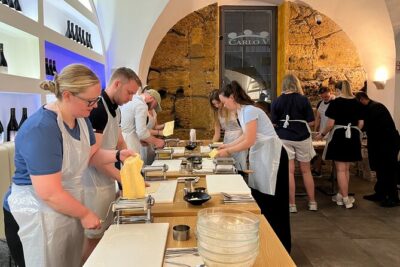
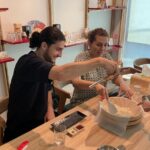
This is the core of the experience. You’ll learn to prepare ramen and gyoza, using different vegetables and meat. The gyoza taught here is minced pork dumplings, and you’ll build your skills through the steps you’re assigned.
A couple of important notes for how this feels on the ground:
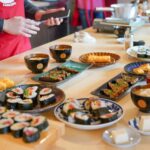
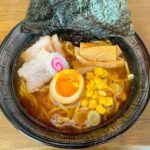
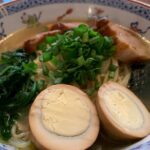
You’ll cook and you’ll eat what you make. The class ends with a tasting, and the goal is that you assemble and enjoy your own ramen bowls and dumplings.
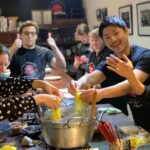
Hands-on time can vary with group flow. Because the class runs in one home kitchen and has a maximum of 7 travelers, the dynamic can be part instruction, part doing. Some steps may be more guided than you’d expect if you’re used to big professional cooking schools. That said, the experience is designed to keep everyone involved, and the host works to make sure participants participate.
If you’re traveling with kids or multigenerational family, this matters. One reason this class gets strong feedback is that people of different ages can handle assigned tasks—mixing, shaping, assembling, and tasting.
The tasting part: why eating together is part of the lesson
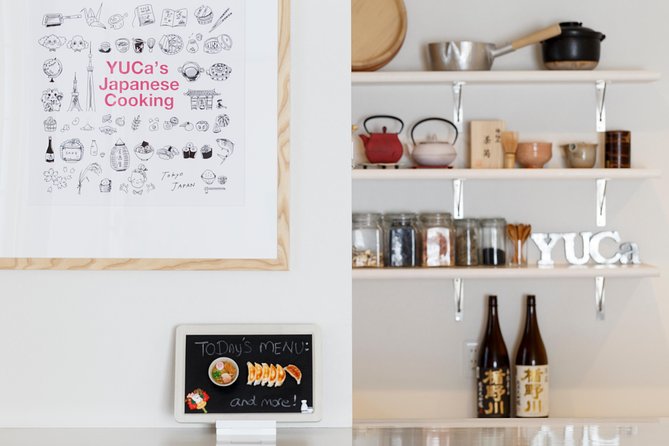
Many cooking classes end with a plate and a polite goodbye. This one uses tasting as part of the learning. After cooking, you’ll enjoy what you made in a fun atmosphere. That makes sense: when you taste the ramen broth and the gyoza you shaped, it becomes easier to remember the key steps later.
This is also where portion expectations come up. One traveler felt the portions could be bigger, so if you’re a hearty eater, arrive ready and treat the supermarket tour (if running) and the rest of your day as part of your meal plan.





Optional local supermarket tour: how it boosts your independence
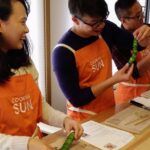
If you add the optional 12:30 to 13:00 stop, you’ll see how a local supermarket supplies the ingredients for ramen and dumplings. This isn’t a souvenir hunt. It’s ingredient education.
The value for you is straightforward:
- You learn how to spot common items used in home cooking.
- You can ask questions about unfamiliar products, packaging, or substitutes.
- You get a sense of what’s normal to buy in a neighborhood outside the central tourist areas.
The tour is listed as optional, so if it’s important to you, plan your schedule so you can stay for it. Also keep in mind that optional time can be affected by day-of timing, so confirm the plan when you arrive.
Price and value: is $122.70 actually fair?
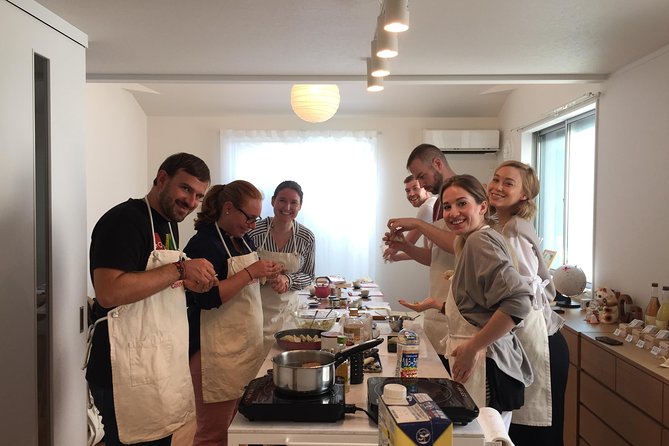
At $122.70 per person, this class isn’t a cheap meal, and I wouldn’t treat it like a budget food stop. But it can be a good value if you look at what you’re buying:
- Instruction plus technique in a real kitchen setting.
- A complete ramen-and-gyoza outcome with tasting.
- Small-group attention (max 7), which usually means better explanations.
- A mini lecture on Japanese home cooking and lifestyle.
- Potentially, supermarket education that helps you cook later at home.
If you compare it to eating ramen and gyoza at one or two restaurants, this becomes less like a single meal and more like a skill-building workshop plus food. And because the host is welcoming and patient, the class tends to work for mixed skill levels.
Dietary needs: vegetarian option, and what to do next
This experience can accommodate different dietary needs. A vegetarian option is available, but you need to request it at booking. If you have allergies or other restrictions, also advise the host during booking.
That’s a key practical point: don’t wait until the day-of. The class structure involves cooking ingredients that may differ between pork and vegetarian setups, and planning ahead makes it smoother for everyone.
Where it is and how to get there without stress
The meeting point is at 2-chōme-34-8 Nishiogu, Arakawa City, Tokyo, and it’s described as near public transportation. That’s helpful because you’re not forced into a complicated route through multiple transfers.
If you’re using rideshare, it can still be a good idea to set aside a little extra buffer time. A few travelers mentioned using Uber, which suggests it may be easier than the subway route if you’re moving with luggage or family members.
Who should book this ramen and gyoza class?
This class is a strong fit if you want:
- A hands-on food experience that ends with you eating the results.
- A way to learn Japanese cooking basics without needing advanced skills.
- A small-group atmosphere where you can actually talk with the host.
It also seems to work well for:
- Families (including kids), because tasks can be assigned to different ages.
- Couples and solo travelers, because the group size stays small and the interaction stays friendly.
- People who care about practical cultural context, not just recipes.
If you’re the type who hates feeling rushed, the morning timing can suit you: you learn early, eat the meal, and then you still have the rest of the day for sightseeing.
Quick tips to make your session go smoothly
Here’s how to get the most out of the experience:
- Arrive on time for the 10:00 meeting so you don’t miss the lecture start at 10:15.
- If vegetarian or dietary needs apply, request them at booking.
- Come with normal travel hunger—this is a meal, but portion size satisfaction varies by person.
- If you’re planning to stay for the optional supermarket tour, keep that 12:30 window free.
Also, the host teaches steps clearly and supports participation. Go in ready to follow instructions, ask questions, and treat the kitchen like a classroom.
Should you book it?
You should book this class if you want a small-group, home-kitchen ramen and gyoza experience with instruction you can actually use later. The combination of cooking, tasting, and (optionally) a local supermarket stop is a smart way to learn ingredients, not just recipes.
I’d hesitate only if:
- You’re specifically chasing maximum hands-on action every minute (some parts may feel more guided because it’s one home kitchen).
- You strongly need the supermarket tour and you can’t flex your schedule if optional time gets tight.
If your goal is to leave Tokyo with both a full stomach and the ability to recreate ramen-and-gyoza logic at home, this is the kind of class that usually delivers.
FAQ
What time does the class start?
The meeting starts at 10:00 am. The cooking portion begins after a short 10:15 to 10:30 lecture.
How long is the experience?
It runs about 2 hours 30 minutes, and the optional supermarket tour can add time around the 12:30 to 13:00 window.
Where do I meet for the class?
You meet at YUCa’s Japanese Cooking, 2-chōme-34-8 Nishiogu, Arakawa City, Tokyo 116-0011, Japan.
Is the supermarket tour included?
The local supermarket tour is listed as optional and is scheduled for 12:30 to 13:00.
Is there a vegetarian option?
Yes. Vegetarian options are available if you request it at booking.
What dietary requirements should I tell the host?
You should advise any specific dietary requirements at time of booking so the class can prepare appropriately.
How many people are in the group?
The experience has a maximum of 7 travelers.
Does the class include instruction before cooking?
Yes. There’s a lecture about Japanese home cooking and lifestyle from 10:15 to 10:30.
Do I get a ticket on my phone?
Yes. The tour includes a mobile ticket.
What is the cancellation policy?
You can cancel for free up to 24 hours in advance for a full refund. If you cancel less than 24 hours before the start time, the amount you paid won’t be refunded.