REVIEW · OSAKA
Cooking Class for Ramen and Gyoza in a Quiet Old Osaka House
Book on Viator →Operated by JP tourism · Bookable on Viator
In This Review
- Cooking noodles and dumplings in a real home setting
- Key things to know before you go
- Cooking in a Renovated 90-Year-Old House in Chuo Ward
- Ayumi-san, English-Friendly, and the Pace You’ll Actually Like
- What Happens Before You Touch the Ingredients
- Making Ramen in a Soy-Sauce Based Soup (with Pork Toppings)
- Gyoza from Scratch: Homemade Wraps and Savory Fillings
- The Lunch Part You’ll Remember (Not Just the Food)
- Price and Value: Is $93.44 Worth It?
- How to Think About Allergies and Restrictions (Plan Ahead)
- Timing, Meeting Spot, and How Not to Arrive Flustered
- Who This Ramen and Gyoza Class Suits Best
- Should You Book This Ramen and Gyoza Cooking Class?
- FAQ
- Is the cooking class offered in English?
- How long is the experience?
- What’s included in lunch?
- Can the class accommodate allergies or dietary restrictions?
- How big is the group?
- Is there a private class option?
Cooking noodles and dumplings in a real home setting
If your idea of Osaka is food with soul, this class fits. I love the small group vibe and the fact that you cook ramen and gyoza side by side, not just watch. I also love that the instructor, Ayumi-san, teaches from a home-cooking background and brings real ingredient know-how to your plate. One thing to consider: the class isn’t private by default, so if you want everything tailored to your pace, you’ll want to book a private session instead.
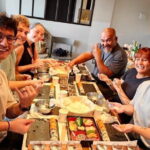
The setting is part of the magic. You’ll cook in a renovated 90-year-old house that feels calm and lived-in, which makes the whole meal feel more personal. And because the class is offered in English for a group of up to 6, you’ll spend less time translating and more time actually learning.
I also like that they take allergies and restrictions seriously. You’re asked to tell them when you book, and they’ll do their best to accommodate—just make that message clear upfront. If you’re traveling with kids, note that children under 6 need a private class.
Key things to know before you go
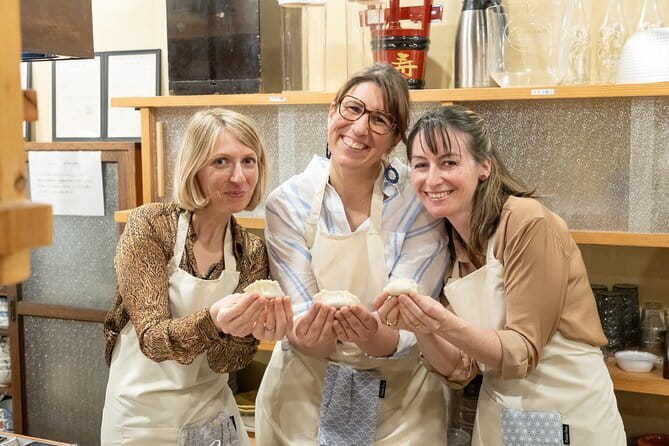
- Small group size (max 6): you get time, not just a handout.
- Ramen + gyoza hands-on cooking: lunch isn’t an afterthought; it’s the point.
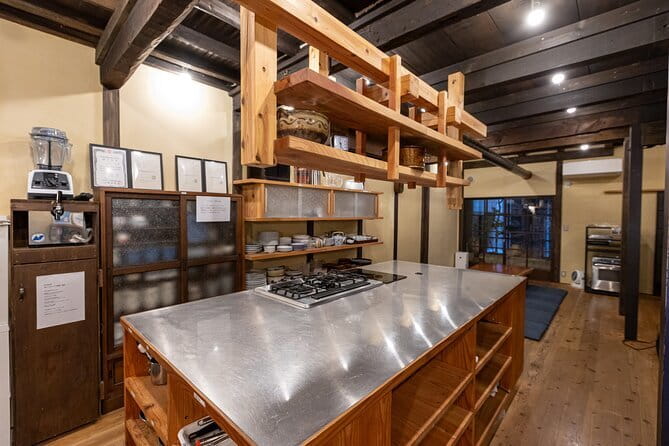
- Renovated 90-year-old house: quiet, charming kitchen studio atmosphere in Chuo Ward.
- English instruction with a local home-cooking focus: Ayumi-san teaches the why, not only the how.
- You get take-home chopsticks: Japanese-made chopsticks in origami holders.
You can also read our reviews of more tours and experiences in Osaka.

Cooking in a Renovated 90-Year-Old House in Chuo Ward
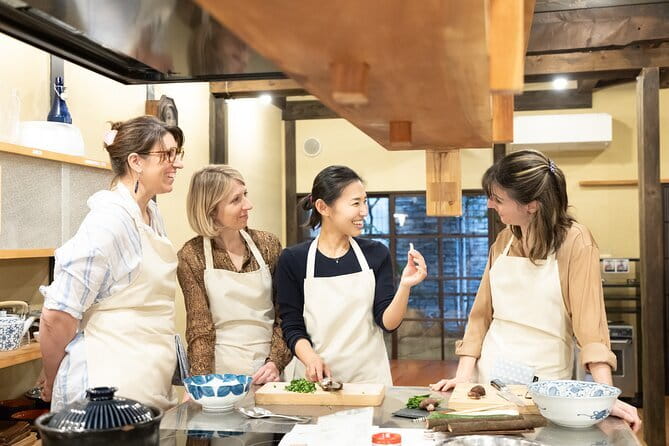
This class is set in a kitchen studio inside a renovated 90-year-old Osaka house. That detail matters more than you might think. Modern cooking schools can feel like classrooms; this one feels like you slipped into someone’s kitchen on a slow afternoon.
The mood is calm and friendly, which helps when you’re learning techniques you might not have used before, like shaping gyoza or building ramen flavor in a way that stays consistent. The setting also keeps the experience grounded. You’re not chasing a performance; you’re learning cooking habits you could actually repeat at home.
You’ll meet at 6 Chome-13 Tanimachi, Chuo Ward, Osaka (542-0012) and the class runs for about 2 hours 45 minutes, starting at 10:30 am. It ends back at the same meeting point, so you’re not left figuring out your next move while hungry.
Ayumi-san, English-Friendly, and the Pace You’ll Actually Like
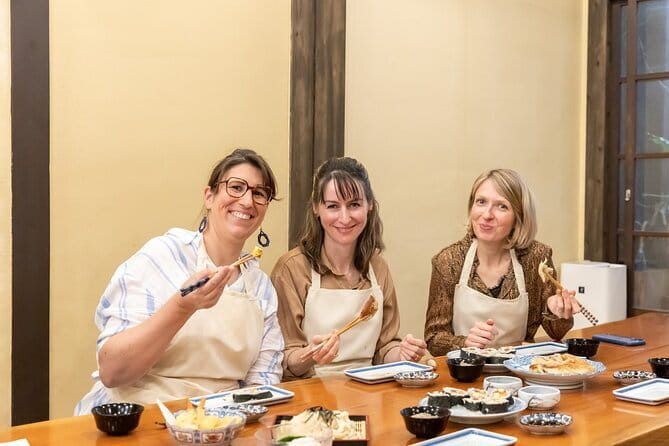
The class is offered in English, and that’s a big deal for cooking. Food instruction has plenty of jargon, especially when you’re talking about condiments and textures. Here, you’re learning by doing, with explanations you can follow without guessing.
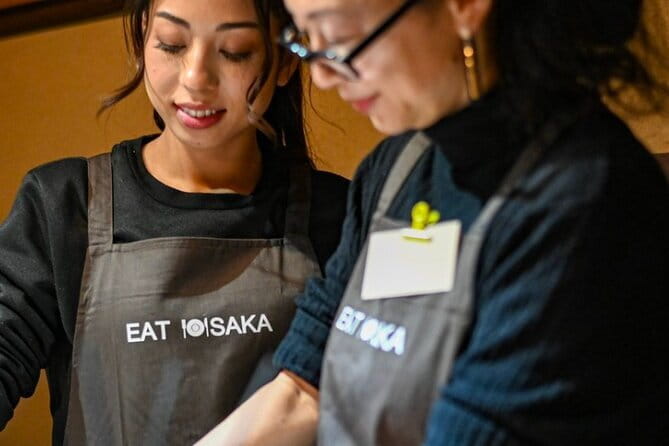
The instructor, Ayumi-san, is a local who grew up eating Japanese home cooking every day. She’s also a certified dietary education instructor with over 5 years of experience teaching cooking at home and at school. That shows in how lessons tend to be organized: you get a sequence you can remember, and you’re not just handed tasks.
In the small group setting (up to 6 travelers), you’re more likely to get quick fixes if something isn’t working. If your dumplings aren’t sealing right away, you can ask and get help before you feel stuck.
What Happens Before You Touch the Ingredients
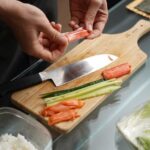
You don’t start by jumping straight into cooking. You begin with an introduction to ingredients and condiments common in Japanese kitchens. This is one of my favorite parts of cooking classes like this, because it turns “tastes good” into “I know what I’m doing.”
Think of it as building your mental map:
- what each ingredient is for
- how it behaves in cooking
- how condiments fit into Japanese flavor
Then you move into hands-on cooking together. You’ll cook and eat as part of the same experience, with time for exchanging food culture and customs. That chat part can feel simple, but it’s often where you learn the practical details—what people actually keep in their kitchens, what they use often, and what they avoid.
One practical note: if you have any food allergies or restrictions, tell them when you book. They’ll try their best to accommodate, but you need to communicate clearly in advance.
Making Ramen in a Soy-Sauce Based Soup (with Pork Toppings)
Lunch is not a snack here. You’ll make ramen in a soy sauce based soup with pork toppings. This matters because soy sauce ramen is a flavor style you’ll recognize in Japan, but it can still be intimidating to recreate without a guide.
In a good ramen lesson, the biggest win isn’t fancy technique. It’s learning how to keep flavors balanced while you cook. In this class, you’re working directly with the ingredients and methods your instructor grew up with, so the approach feels grounded in everyday home cooking rather than only restaurant logic.
A soy sauce based broth also teaches you something useful: Japanese flavor often comes from layering. Condiments and toppings don’t just sit on top; they connect to the broth profile. When you finish your bowl, you’re eating what you made, so you can immediately tell what worked and what to adjust next time.



Gyoza from Scratch: Homemade Wraps and Savory Fillings
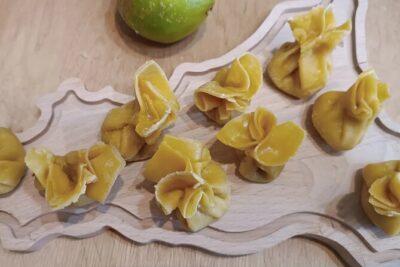
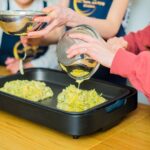
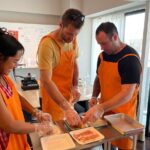
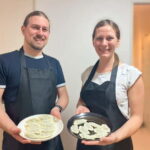
Then it’s gyoza time. You’ll make gyoza with homemade wrap and fillings of pork/beef and vegetables. Homemade wrappers change the experience because it’s not only about stuffing and frying. You’re learning the dough and how it behaves.
If you’ve only eaten gyoza at restaurants, you might not realize how much dumpling texture depends on the wrapper thickness and the handling. Making the wrap yourself also gives you a reference point for future cooking, even when you’re using store-bought wrappers at home later.
The filling mix is another learning moment. The goal with gyoza is balance: savory from the meat, freshness from the vegetables, and an overall taste that holds up after cooking. You’re guided through making the gyoza you’ll eat, so the feedback loop is fast.
And because the group is small, you can watch how your neighbors approach the same task. Sometimes you’ll spot a small movement—how someone folds, presses, or seals—and it clicks for you right away.
The Lunch Part You’ll Remember (Not Just the Food)
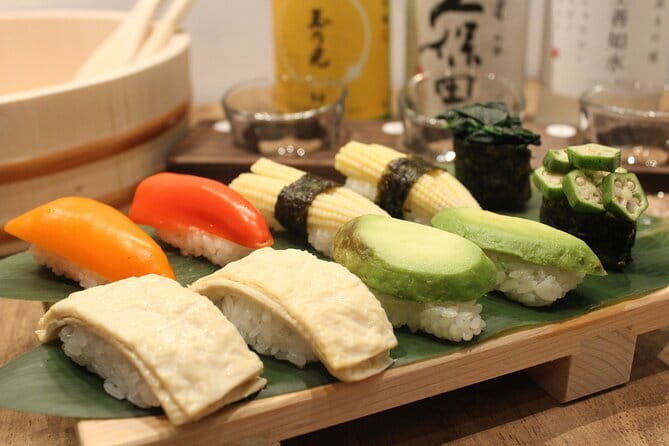
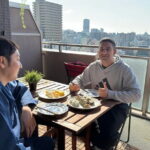
You’ll cook and eat together, so lunch is built into the lesson rather than tacked on. That simple structure is a huge value, because you don’t leave class wondering what the food is supposed to taste like at each step.
After you eat, you’ll often have that relaxed “okay, now I get it” feeling. In this class, the tone is friendly and social. In fact, people describe Ayumi-san as warm and organized, and that match makes the whole experience feel easy to be part of.
You’ll also receive Japanese-made chopsticks in holders made with origami and cute decorations. It’s a small gift, but it’s practical too. You can bring those chopsticks home and actually use them, which keeps the memory tied to real life rather than just photos.
Price and Value: Is $93.44 Worth It?

The price is $93.44 per person, and the class is typically booked about 38 days in advance on average. For many people, that number is the first reality check. So here’s how I’d judge value for this specific experience:
- You’re paying for a hands-on cooking class, not a tasting.
- Lunch is included: ramen and gyoza you make yourself.
- The group is capped at 6 travelers, which usually means more instructor attention.
- The setting is special: a renovated 90-year-old house in a residential-feeling part of Osaka, not a generic kitchen room.
If you were trying to replicate this with ingredients at home, you might spend less on paper—but you’d lose the step-by-step guidance, the ingredient introduction, and the confidence boost that comes from cooking with someone who knows the home-cooking rhythm.
One consideration: the class is not positioned as a full private cooking lesson unless you book private. If you want a one-on-one pace, you’ll likely find better alignment with a private booking.
How to Think About Allergies and Restrictions (Plan Ahead)
They ask you to tell them about food allergies or restrictions during booking. That’s the right move, and you should treat it seriously.
Write down your restrictions clearly when you register, and don’t assume it’s obvious. Japanese kitchens use common ingredients that may overlap with your sensitivities. Giving details early helps Ayumi-san and the team handle your needs with less stress for everyone.
If you’re traveling with allergies, it’s worth making sure the communication is explicit. The class can do its best, but you’ll get the safest result when your message is precise.
Timing, Meeting Spot, and How Not to Arrive Flustered
Start time is 10:30 am, and it lasts about 2 hours 45 minutes. That means you can plan a full morning around it, and you’ll still have plenty of time after lunch for sightseeing.
The meeting point is specific: 6 Chome-13 Tanimachi, Chuo Ward, Osaka, 542-0012. It’s noted as near public transportation, which is helpful. Still, I’d recommend arriving a little early so you can settle in and find the kitchen studio without rushing.
Also, remember that transportation isn’t included. If you’re budgeting, add local transit cost to your day. For many people staying in central areas, that’s usually manageable.
Who This Ramen and Gyoza Class Suits Best
This is a strong fit if you want:
- hands-on food learning
- a calm, local-feeling setting
- instruction in English
- a small group that keeps things personal
It’s especially good for food lovers who already know they like ramen and gyoza, but want the step-by-step process to cook them later. Because the class focuses on ingredients and condiments and then applies them in ramen and gyoza, you’ll come away with more than a recipe list.
It also suits travelers who enjoy conversation. The experience includes exchanging food culture and customs, and people tend to enjoy the friendly, “we’re cooking together” atmosphere.
If you’re traveling with small kids under 6, plan for a private class. That’s explicitly recommended, which makes sense when a cooking session needs extra attention.
Should You Book This Ramen and Gyoza Cooking Class?
Yes, if you want a small-group class where lunch is part of the lesson and you’ll learn techniques you can repeat. The biggest draw for me is the combination of hands-on cooking (ramen + gyoza) and a genuine home-cooking instructor, Ayumi-san, teaching in organized, easy-to-follow English.
Book it if you:
- like structured lessons you can recreate
- enjoy quiet, authentic-feeling spaces
- want ramen and gyoza that aren’t just “try this at a restaurant” culture
Skip it if:
- you only want a casual food tasting with zero prep work
- you strongly need a private, tailored session (unless you book private)
- you’re looking for a very flexible schedule day-of
If you’re heading to Osaka and you want one experience that connects you to Japanese comfort food in a real kitchen setting, this is a smart bet.
FAQ
Is the cooking class offered in English?
Yes. The class is offered in English.
How long is the experience?
It runs for about 2 hours 45 minutes.
What’s included in lunch?
Lunch includes ramen in a soy sauce based soup with pork toppings, plus gyoza with homemade wrap and pork/beef and vegetables fillings.
Can the class accommodate allergies or dietary restrictions?
You should tell them about any food allergies or restrictions when you book, and they will do their best to accommodate.
How big is the group?
The class has a maximum of 6 travelers.
Is there a private class option?
A private class is available, but you need to contact the provider directly to book it. Shared classes are offered as well.