REVIEW · OSAKA
Make Ramen and Gyoza with Homemade Secret Recipe
Book on Viator →Operated by 株式会社Japanticket · Bookable on Viator
Making dinner in Japan beats eating it. This Osaka cooking lesson turns ramen and gyoza into a skill you can repeat at home, with a small-studio feel and a full tasting at the end.
What I like most is the chance to control the flavors by choosing your soup base (soy sauce, miso, or salt) and the genuinely practical way you learn gyoza from filling to pan-frying. One thing to keep in mind: drinks and alcohol aren’t included, so you’ll want to budget for anything beyond tea/water.
In This Review
- Key highlights you should know before you go
- From Matsuyamachi Station to the studio: easy to find, easy to settle in
- What you make: original ramen plus gyoza, with a half-rice twist
- Ramen basics you’ll actually do
- The “half-rice ramen with gyoza” idea
- Noodles, soup, and that satisfying homemade rhythm
- Gyoza instruction: filling prep and the pan-fry skill
- Your guide in the kitchen: clear English and personal attention
- Tasting, photos, and taking home recipes (and chopsticks)
- Price and value: is $84.70 worth it?
- Best fit: who should book this ramen and gyoza cooking class?
- Should you book this ramen and gyoza class?
- FAQ
- What dishes will I make during the lesson?
- What soup bases can I choose?
- Can the class accommodate vegetarian or allergies?
- How long is the experience?
- What is included in the price, and what is not?
- What is the cancellation policy?
Key highlights you should know before you go
- Pick your ramen soup base: soy sauce, miso, or salt, then build your own bowl
- Noodles made with a machine: less guesswork, more consistent results
- Gyoza from filling to pan-fry: real technique, not just watching
- Half-rice ramen format: rice is prepared for you, then you assemble your version
- Small group size (max 15): more attention and less crowd energy
- Indoor-friendly timing: a great rainy-day plan with a studio setup
From Matsuyamachi Station to the studio: easy to find, easy to settle in
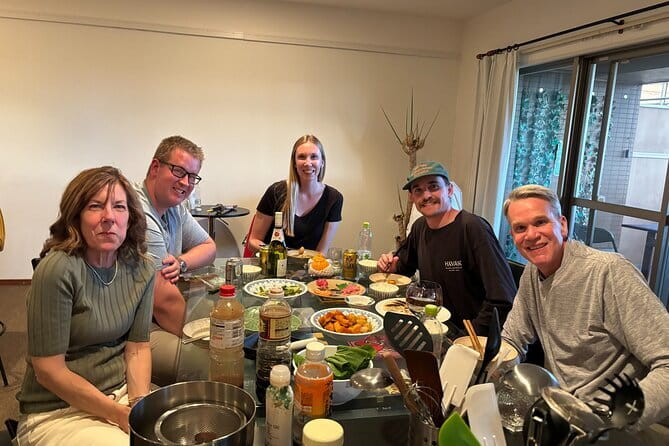
You start at Matsuyamachi Station, and it’s only a short walk to the studio, about five minutes. That matters in Osaka, where a lot of food experiences start with a scavenger-hunt vibe. Here, you can get your bearings fast and spend your energy learning, not wandering.
After meeting up, you’ll be guided to the kitchen. The route may include a nearby old-fashioned shopping street, which gives you that Japan-in-motion feeling without dragging the schedule out. Even if you just want to get cooking, that quick stroll helps you shift into food mode.
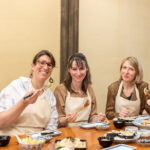
A lot of classes give you a chef talk and a tiny taste. This one is designed around doing. You’ll choose ingredients, make parts of the ramen, and handle gyoza dough and filling under instruction. You also end up tasting what you cooked and taking photos, so it’s not a one-way cooking demo.
You can also read our reviews of more tours and experiences in Osaka.
What you make: original ramen plus gyoza, with a half-rice twist
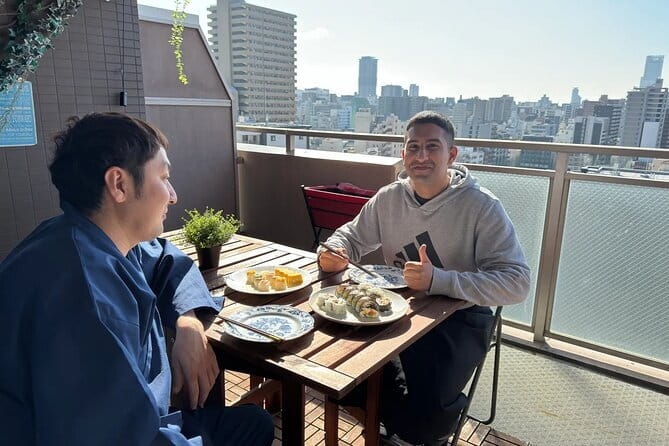
This experience is built around a clear goal: your own original ramen and gyoza, served as a complete meal you assemble yourself. The schedule runs about 2 hours 30 minutes, which is long enough to make things with your hands and short enough that you won’t feel fried by the end.
Ramen basics you’ll actually do
You’ll start with ramen noodles, made using a noodle-making machine. You don’t have to reinvent thickness and shape from scratch; the machine keeps the process steady so you can focus on what matters—how the soup and toppings work with your noodles.
Then you’ll choose your soup base:
- Soy sauce
- Miso
- Salt
That choice is one of the best parts of the class because it’s not just about taste. It changes the whole mood of the bowl. Soy sauce tends to feel deeper and more savory, miso brings a richer, more rounded flavor, and salt often tastes lighter and cleaner. Pick what matches your appetite that day.
The “half-rice ramen with gyoza” idea
You don’t cook all components from zero. The setup includes rice preparation for you, and then you build your meal around what you made—your ramen plus your gyoza. That half-rice concept is clever: it gives you a satisfying carb base and makes the meal feel more filling than classic ramen alone.
You’ll then taste your finished dish. This is important because ramen is one of those foods where small changes matter. Tasting what you built helps you remember what to do next time at home.
Noodles, soup, and that satisfying homemade rhythm
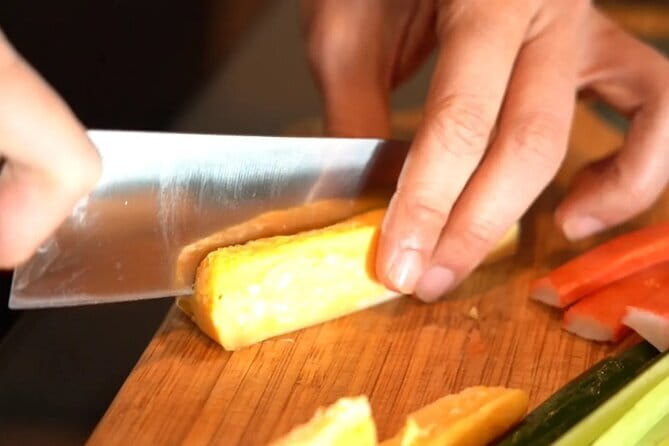
You get a real workflow, not random tasks. The class moves through stages, and each stage has a purpose. When you make noodles, you learn the basic handling and timing. When you choose the soup base, you get a practical lesson in how Japanese ramen flavor profiles work.
A neat point: the class is designed to teach you how ramen can vary across Japan. Even within the umbrella of ramen, different regions and preferences lead to different styles. In the studio, that translates into giving you control over three common foundations. It’s a smart way to teach range without overwhelming you with dozens of options.
If you’re a little intimidated by cooking lessons, the machine-assisted noodle-making can take the pressure off. You’ll still do meaningful work, but it’s not a pure “from scratch” challenge.
Also, the format is social. You’re working with your group in a shared kitchen environment. If you’re traveling solo or as a couple, that studio setting can feel calmer than a big production line where you don’t know where to stand.

Gyoza instruction: filling prep and the pan-fry skill

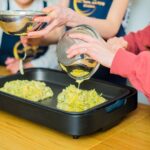
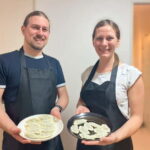
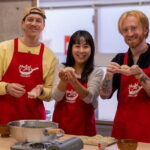
Gyoza is the second half of the story, and it’s where hands-on learning really shows. You’re guided through the full process, from preparing the filling to pan-frying the dumplings. That means you’re not just assembling pre-made items. You’ll handle the mixture and shape the dumplings.
Why this matters: gyoza is all about technique. The wrapper-to-filling ratio, how well it’s sealed, and how the pan-frying is handled all affect the final bite. A class like this is valuable because it shows you what “good” looks like in the real world, not just from a recipe card.
One detail that made the experience feel especially caring: the instruction can adapt for dietary needs. If you request vegetarian or have allergies during booking, the studio will try to accommodate. There was an example of vegetarian gyoza being prepared, which tells you they take these requests seriously rather than treating them as a checkbox.
If you’re traveling with someone who doesn’t eat certain foods, this is one of the better types of classes to pick. You can still cook together and end with food that fits both needs.
Your guide in the kitchen: clear English and personal attention
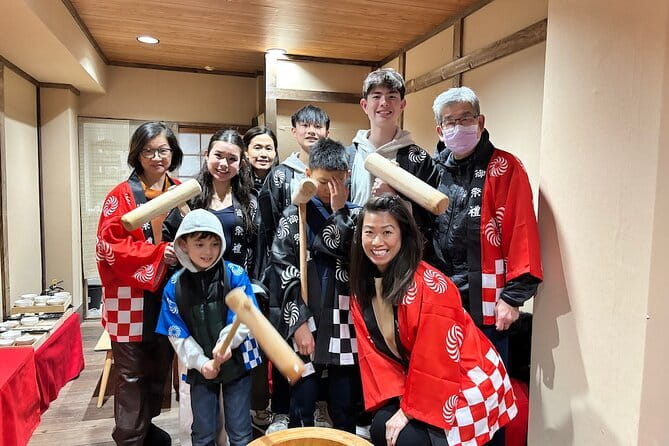
Good instruction turns a cooking class into a usable skill. In this one, the teaching style comes through quickly. One instructor you might meet is Shohei, and assistants may include Marie. Their communication is described as very friendly and, importantly, strong for English-speaking participants.
Because the group size is capped at 15, the teaching pace often feels more like a small class than a show. And on smaller days, you may get even more focused attention—help that makes a difference when you’re learning something physical like dumpling work.
The tone also seems practical. You aren’t left guessing. You’re shown, you do, and then you correct course in real time. That’s the difference between reading a recipe and actually learning to cook.
Tasting, photos, and taking home recipes (and chopsticks)
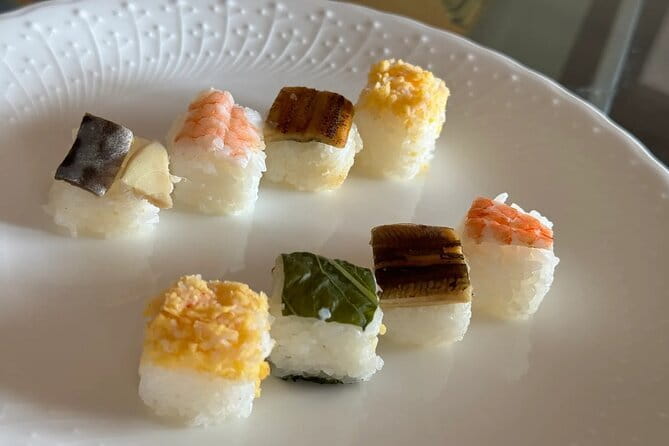
The end of the class isn’t just plating. You get to taste what you cooked, and you have time for photos. That’s worth something because it helps you validate your result before you go. Plus, ramen and gyoza are photo-friendly foods, and the studio setup makes it easier than trying to photograph a bowl you barely finished eating.
You also get a take-home package:
- Recipes you learned during the course
- A souvenir based on what you made, plus a take-home gift: cooking chopsticks
That take-home part is where your money becomes real value. The best souvenir isn’t a magnet—it’s the ability to recreate the flavors at home. With recipes, you can repeat your ramen soup-base choice and rebuild your gyoza effort without starting over from zero.
Price and value: is $84.70 worth it?
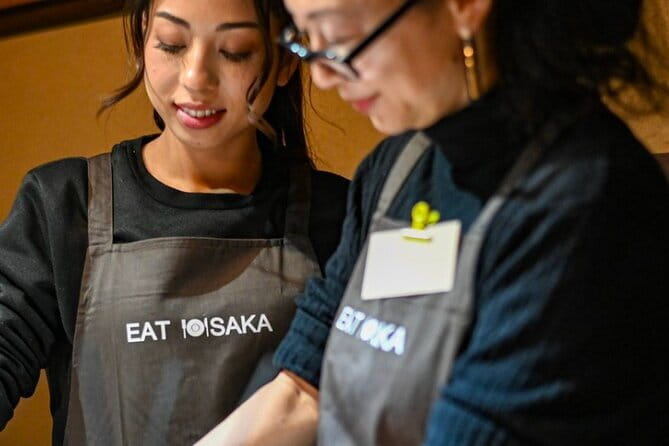
At $84.70 per person, this isn’t a budget activity. But it’s also not priced like a fancy restaurant meal.
Here’s what you’re paying for in practical terms:
- Ingredient/material costs for making ramen and gyoza
- The lesson fee (you’re receiving step-by-step instruction)
- Venue fees (cooking/drinking space)
- Tableware and cooking equipment rental
- Souvenir fee and the take-home chopsticks
- Recipes to bring home
What you do not pay for includes personal expenses like drinks and alcohol and transportation to the meeting point. So the real comparison isn’t “What’s the price of a bowl of ramen?” It’s “What’s the price of learning two dish-making skills with gear, ingredients, and a recipe?”
For me, it feels like good value if you want something active and memorable that also gives you a follow-up plan for home. If you only want a quick snack and photos, you could find cheaper food stops. But if you want a skill you’ll reuse, the price starts to make sense.
Also, the fact that the class includes both ramen and gyoza changes the math. Many cooking tours teach one thing. This one teaches two, and it finishes with a meal you built yourself.
Best fit: who should book this ramen and gyoza cooking class?
You’ll probably love this if you:
- Want a hands-on Osaka food experience that feels calm, not chaotic
- Like the idea of choosing your soup flavor and assembling your meal
- Want a clear pathway to recreate ramen and gyoza at home
- Prefer a small group setting, ideally with focused instructor help
- Need an indoor activity that works well when the weather turns
It’s also a strong option for couples and friends who want to do something together without the pressure of a long day. Reviews also point out the class being family-friendly, so it can fit multigenerational trips too, as long as everyone is comfortable with the kitchen format.
If you’re extremely short on time or you only want to sample food rather than cook, you might feel this is more work than you want. But if you like learning by doing, the structure will feel satisfying.
Should you book this ramen and gyoza class?
I’d book it if your ideal Osaka day includes hands-on cooking, a small-group studio setting, and a meal you can actually replicate later. The big wins are your control over the ramen soup base, the step-by-step gyoza instruction from filling to pan-frying, and the takeaway of recipes plus cooking chopsticks.
Skip it only if you’d rather just eat and move on, or if you know you won’t enjoy cooking-focused activities. Otherwise, this is one of those trips where you leave with more than photos—you leave with skills and a plan.
FAQ
What dishes will I make during the lesson?
You’ll make ramen noodles using a noodle-making machine, choose a soup base, and prepare gyoza with guidance from filling to pan-frying. You’ll also enjoy a meal version described as half-rice ramen with gyoza, and then taste what you cooked.
What soup bases can I choose?
You can choose from three soup bases: soy sauce, miso, or salt.
Can the class accommodate vegetarian or allergies?
Yes. If you have any allergies or vegetarian requirements, you should inform the team at the time of booking.
How long is the experience?
The duration is about 2 hours 30 minutes.
What is included in the price, and what is not?
Included items are material cost, the cooking lesson fee, the venue fee (cooking/drinking), the souvenir fee, and tableware/cooking equipment rental fee. Not included are personal expenses like drinks and alcohol, and transportation to the meeting point.
What is the cancellation policy?
The experience is non-refundable and cannot be changed for any reason. If you cancel or ask for an amendment, the amount you paid will not be refunded.