REVIEW · OSAKA
Osaka Cooking Class and Sake Tasting with Local Supermarket Visit
Book on Viator →Operated by MagicalTrip Inc. · Bookable on Viator
This class turns Osaka food into something you can actually make. You’ll start with a local supermarket visit to pick ingredients like a regular, then shift to a small hands-on cooking studio session with live guidance as you cook iconic Osaka dishes and finish with a sake tasting.
I especially like the mix of shopping + cooking. Picking ingredients first means the dishes make more sense when you’re chopping, seasoning, and building flavor. I also like that the format fits beginners and pros, with step-by-step coaching so you’re not stuck watching from the sidelines.
One possible drawback: you’ll be moving through two parts of the experience in about four hours, so if you want lots of free time to wander on your own, this might feel a bit scheduled.
In This Review
- Key Highlights You’ll Care About
- How the 4 Hours Are Built (and Why It Works)
- Meeting Point: Easy Start Near a Transit Hub
- Stop 1: The Supermarket Visit That Makes the Recipes Stick
- The Cooking Studio: Step-by-Step, No Experience Needed
- What you’ll cook (and why these dishes are a great start)
- The instructor impact: Yuka and Mari as examples of the style
- Gyoza Folding and Okonomiyaki Assembly: The Skills Part
- Eating What You Make (and Drinking Sake the Practical Way)
- Who This Osaka Class Is Best For
- Price and Value: What You’re Really Paying For
- A Realistic Plan for Your Morning (What to Watch For)
- Should You Book This Osaka Cooking Class and Sake Tasting?
- FAQ
- What is included in the Osaka cooking class and sake tasting experience?
- How long is the experience?
- How many people are in the group?
- Where does the tour start?
- What time does it start?
- Do I need cooking experience?
- What is the cancellation policy?
Key Highlights You’ll Care About
- Supermarket ingredient hunt that shows what locals buy for the flavors you’ll cook
- Small group (max 7) so questions don’t get lost and your hands actually get busy
- Hands-on practice including gyoza folding and cooking techniques, not just a lecture
- Osaka dish focus: niku-sui (beef soup), okonomiyaki, and gyoza/yaki-gyoza-style cooking
- Sake tasting included (plus beer or soft drinks) so you can match drinks to what you just made
How the 4 Hours Are Built (and Why It Works)
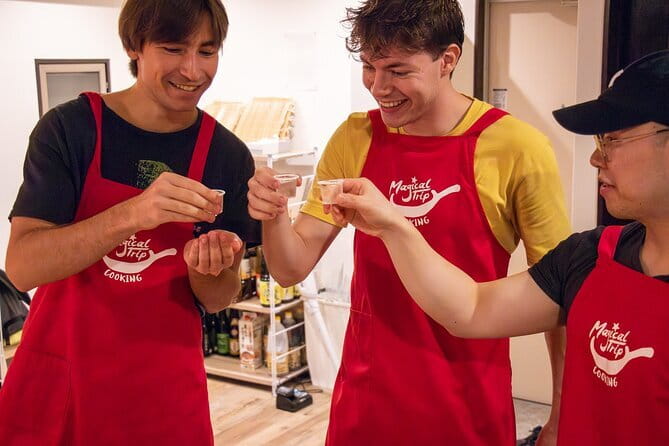
This is a tight, fun format: supermarket first, cooking second, then you eat and taste. You get a full food loop in one morning, starting at 10:00 am and running about 4 hours. For a first-time Osaka foodie, it’s a smart way to get more than just one meal out of a trip.
The tour is designed for real participation. You’re not just learning recipes in theory. You’re selecting ingredients and then using them almost immediately. That pacing helps you remember what matters: what to buy, what to notice, and what the final dish should feel like.
The small-group size (up to 7 people) also changes the vibe. You’re more likely to get quick fixes and encouragement, especially if you’ve never cooked Japanese food before.
You can also read our reviews of more tours and experiences in Osaka.
Meeting Point: Easy Start Near a Transit Hub
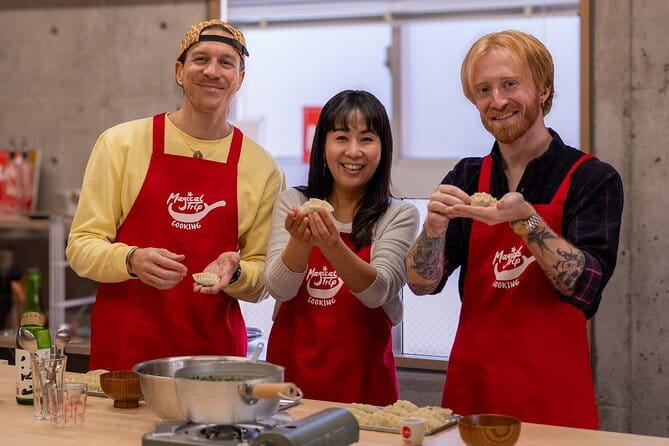
Your start is at FamilyMart Minamimorimachi station South side, 1F at 2-chōme-310 in Osaka (Kita Ward, Tenjinbashi, 530-0041). It’s a very clear pickup spot, and the tour notes that the meeting point is near public transportation.
If you’re the type who hates last-second running, arrive a few minutes early and take a quick look around for the group. The tour ends back at the same meeting point, so you won’t need to figure out a second location after class.
Stop 1: The Supermarket Visit That Makes the Recipes Stick
The supermarket stop is where this tour earns its keep. It’s not just a quick photo break. You’re meant to shop with purpose, learning about local ingredients while you see how daily Osaka shopping looks in real life.
Here’s why this part matters for your results at home. When you buy ingredients thoughtfully, your finished dish starts to match what you tasted. Without that, cooking Japanese dishes can turn into guessing games: the sauce might be off, the seasoning might feel wrong, or your texture might not land.
Practical payoff:
- You’ll learn what to look for when shopping for the recipes you’ll cook next.
- You’ll connect ingredient choices to the flavors you’re aiming for, so it’s easier to repeat at home.
This is also the part that feels most “Osaka.” Big cities have fast convenience, but local shopping patterns still tell you what matters in everyday meals. Even if you’re not fluent, you’ll be following your guide’s explanations and making selections under their direction.
The Cooking Studio: Step-by-Step, No Experience Needed
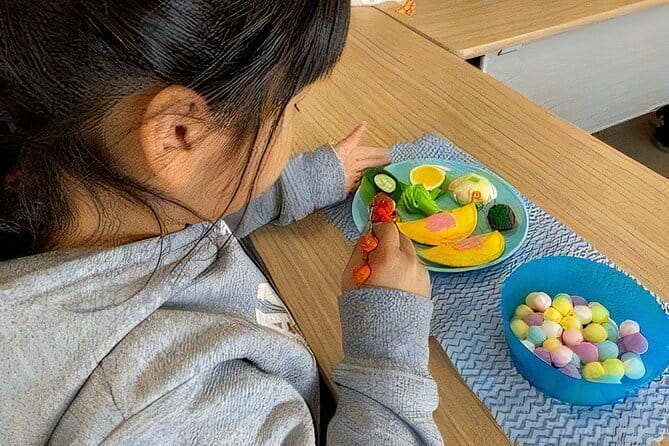
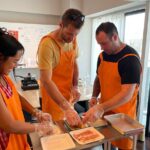
After the market, you move into MagicalTrip’s exclusive studio for the main cooking session. This is where you’ll get real technique practice. The class is taught in a relaxed way with live feedback, and the dishes are chosen to represent iconic Osaka flavors you can recreate later.
What you’ll cook (and why these dishes are a great start)
You’ll make:
- Niku-sui (beef soup): comforting, savory, and a great way to learn how Japanese soup flavors come together.
- Okonomiyaki: the famous Osaka savory pancake. It’s fun, interactive, and forgiving once you understand the assembly.
- Gyoza: you’ll learn folding and cooking, so you’re not just eating dumplings later—you’re making them.
These choices are smart for a mixed-skill group. If you’re brand new, the dishes are structured enough to follow. If you’ve cooked before, you’ll still get value from hands-on instruction and corrections.
The instructor impact: Yuka and Mari as examples of the style
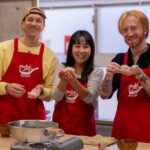
Two guide names show up in standout reviews: Yuka and Mari. Both were praised for clear explanations and hands-on coaching. In particular, Mari was highlighted for explaining what to shop for for each recipe, and Yuka was noted for guiding guests through cooking with feedback throughout the session.
Even if your guide is someone else, you should expect that same teaching energy: practical direction, not just describing what you should do.
Gyoza Folding and Okonomiyaki Assembly: The Skills Part
The class isn’t only about ingredients. You’ll also practice technique, and two parts are especially valuable:
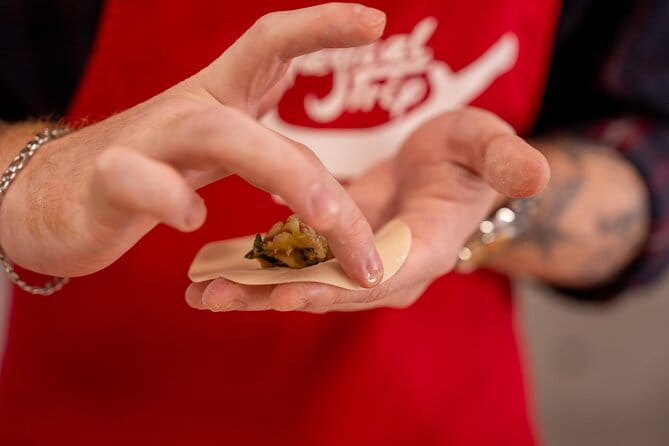
Gyoza folding
You’ll learn how to fold gyoza during the cooking session. That matters because dumpling texture and sealing are part of what makes them work. If you’ve ever tried making gyoza at home, you know the frustration: they can burst, or the shape doesn’t hold. Learning the folding method during live instruction saves a lot of trial and error later.
Okonomiyaki building
You’ll craft okonomiyaki, which is basically a cooking exercise in timing and assembly. It’s not just mixing batter and hoping for the best. You’ll learn how the pancake is put together and cooked so you get the right outcome rather than a home-kitchen guess.
If you’re traveling solo, couples, or with family, these steps are also a great way to feel productive. You always have something to do with your hands. That’s a big reason this class gets near-universal high scores.
Eating What You Make (and Drinking Sake the Practical Way)
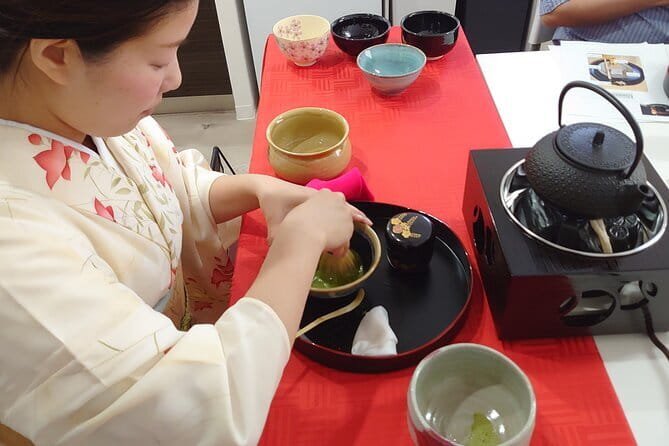
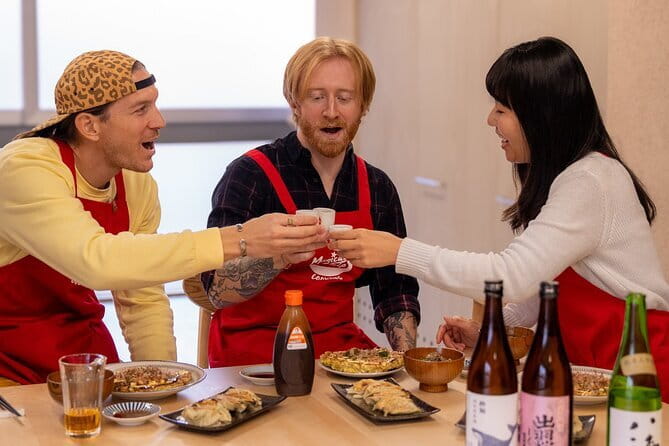
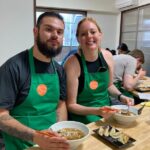
At the end, you’ll enjoy what you cooked along with local sake, beer, or soft drinks. This isn’t a separate restaurant meal where your class fades into the background. It’s the payoff of the work you just did.
The sake tasting adds a fun layer. You’ll be able to connect flavors and pairings with the food right away. Even if you’re not a sake expert, you’ll leave with a clearer idea of what you like and what you don’t.
One note: the tasting is included, but the tour doesn’t position itself as a long tasting seminar. Think of it as a food-first experience where drinks support the meal.
Who This Osaka Class Is Best For
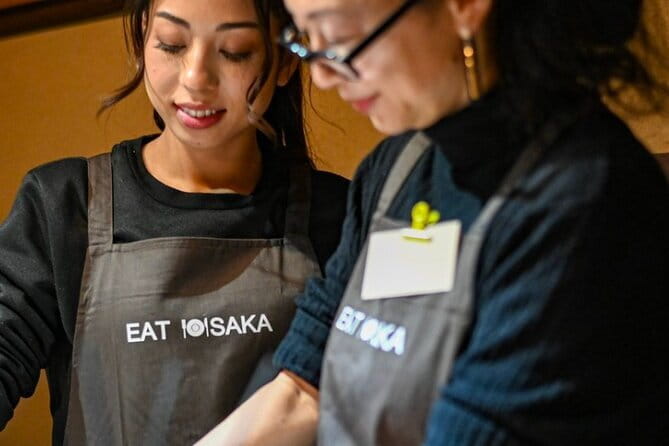
This tour fits a lot of travelers because it’s built for participation and structured learning. It works well if:
- you’re a beginner and want clear steps without feeling lost
- you’ve cooked before but want a Japanese-method refresher with real guidance
- you’re traveling with friends or family and want something interactive rather than a passive activity
- you like food experiences that include both shopping and cooking
It’s also a strong pick for couples. The group size stays small, and the cooking tasks are fun, not awkward. Solo travelers often like it because you’ll be busy, close to your instructor, and not sitting around waiting for others.
Price and Value: What You’re Really Paying For
At $92.50 per person for about four hours, the value comes from three things that are hard to find together:
- Supermarket ingredient learning (not just cooking)
- Small-group, hands-on instruction with live feedback
- A built-in meal and sake tasting tied directly to what you cook
If you’ve done cooking classes before, you know the common problem: either you get a demo with limited participation, or you cook but the ingredient story is missing. This tour combines both, so you walk away with more usable skills than you’d get from a “watch then eat” setup.
Also, the class is made for all skill levels. That reduces the risk of wasting money because you’re not required to be a confident cook to enjoy it.
A Realistic Plan for Your Morning (What to Watch For)
Because it moves from supermarket to studio, you’ll want to plan your schedule for a morning activity with minimal friction. Wear comfortable shoes. You’ll likely be standing and walking during the shopping portion and moving around a bit in the kitchen.
Keep your expectations grounded:
- You’ll learn multiple dishes, but the goal is skill-building and taste experience, not mastering a 20-step restaurant technique for each dish.
- You should come hungry and ready to participate. The tour explicitly frames it that way.
And if you’re picky about diets or allergies, the provided information doesn’t spell out specific accommodations. In that case, you should contact the provider before booking so you’re not surprised.
Should You Book This Osaka Cooking Class and Sake Tasting?
Yes, if your goal is practical Osaka food skills, not just a fun meal. The pairing of market ingredient shopping with hands-on cooking makes the recipes easier to repeat, and the inclusion of sake tasting turns it into a full sensory experience rather than a class that ends with a take-home folder.
I’d skip it only if you dislike structured group schedules or you want long stretches of independent exploring. This one is meant to be efficient, participatory, and very food-focused.
If you want an Osaka experience that teaches you how to cook local flavors with real guidance, this is a solid choice.
FAQ
What is included in the Osaka cooking class and sake tasting experience?
You’ll do a local supermarket visit to learn about ingredients, then take a hands-on cooking class at the studio to make dishes like niku-sui, okonomiyaki, and gyoza. At the end, you’ll enjoy your food with local sake, beer, or soft drinks.
How long is the experience?
It runs about 4 hours.
How many people are in the group?
The tour has a maximum of 7 travelers.
Where does the tour start?
It starts at FamilyMart Minamimorimachi station South side, 1F, Osaka (530-0041), Kita Ward, Tenjinbashi 2-chōme310.
What time does it start?
The start time is 10:00 am.
Do I need cooking experience?
No cooking experience is needed. The class is suitable for beginners and also works for people with more cooking experience.
What is the cancellation policy?
Free cancellation is available if you cancel up to 24 hours in advance for a full refund. If you cancel less than 24 hours before the start time, the amount you paid isn’t refunded.