REVIEW · OSAKA
Discover Osaka Cuisine through Cooking Class Experience
Book on Viator →Operated by Cook, Taste and Enjoy Osaka · Bookable on Viator
Cooking Osaka street food beats guessing. I like that you’re taught by an elderly Osaka mother who has lived there for 60-plus years, so you get both hands-on cooking and the local context behind the flavors. You also make two of Osaka’s signature foods—typically takoyaki plus one more—which keeps the class focused and good value. The one catch: this option is mostly about the meal itself, not a broader traditional culture add-on.
In a small group (up to 8), you’ll get enough time to ask questions while you cook. Bottled water is included, and you’ll use a mobile ticket to keep things simple. If you’re hoping for a longer cultural program beyond food, you may find the format a bit more straightforward than those bigger experiences.
In This Review
- Key highlights I’d plan around
- A Tiny Class in Nishishinsaibashi, Osaka
- Osaka Soul Food Lesson: What You’ll Cook (and What You Won’t)
- Meet Your Instructor: The Osaka Mother Who Explains the Why
- Takoyaki, Okonomiyaki, or Yakisoba: How the Class Flows
- What Makes This Class Worth $65.04
- Language Barrier, Hand Skills, and Getting Your Questions Answered
- Osaka Beyond the Stomach: Hidden Spots and Local Context
- Who This Class Suits Best (and Who Might Want a Different Option)
- Should You Book It? My Practical Take
- FAQ
- What is the duration of the cooking class?
- What dishes will I make during the class?
- Who teaches the class?
- What’s included in the price?
- Is alcohol included?
- Where does the class meet?
- Is there a group limit?
Key highlights I’d plan around
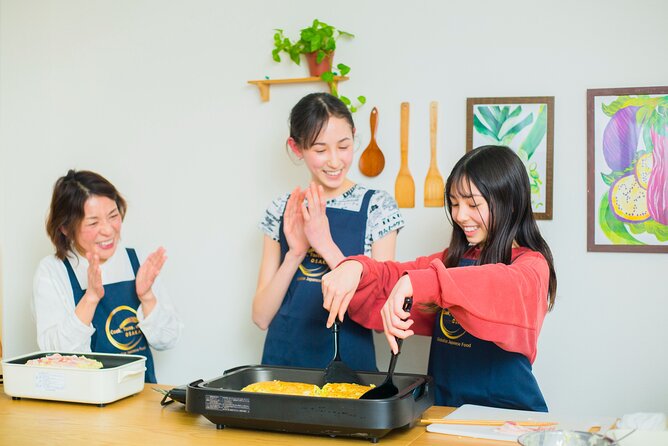
- A longtime Osaka mother instructor: 60+ years living in Osaka means you get local explanations, not just recipes.
- Two dishes, not a buffet of classes: you’ll focus on takoyaki plus one other Osaka favorite from the set.
- Small group size (max 8): easier back-and-forth, especially if your Japanese is rusty.
- Hands-on choice while cooking: for takoyaki, you can choose fillings, which makes it feel personal.
- You’ll hear about Osaka beyond the stove: there’s mention of pointers to hidden spots as you learn.
A Tiny Class in Nishishinsaibashi, Osaka
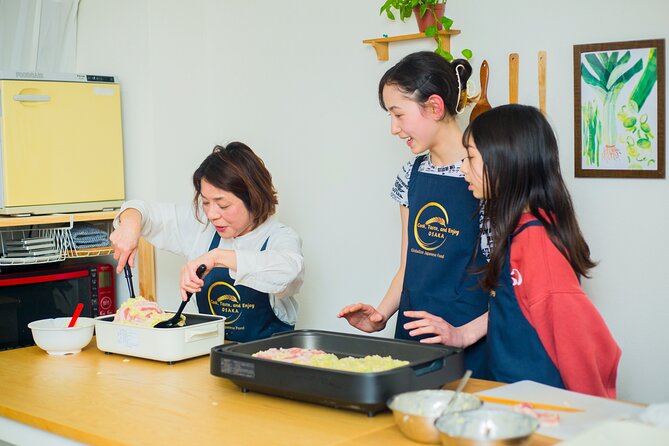
This experience starts in Nishishinsaibashi in Chuo Ward, near public transportation—exactly the kind of location that makes it easier to fit into a day of Osaka exploring. Your class meets at 2-chōme-13-16 Nishishinsaibashi, Osaka, and it ends back there, so you’re not scrambling across town after you’ve been cooking.
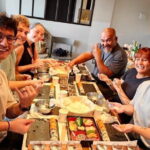
The vibe is intentionally small. With a maximum of 8 travelers, you’re not stuck watching while others get all the time with the instructor. That matters in a cooking class, because the difference between okay and great often comes from small timing cues—heat level, batter consistency, and how long something should cook before it’s moved or adjusted.
You’ll also get a mobile ticket, which keeps check-in low-stress. The class includes bottled water, so you’re not paying for basics while you’re actively cooking. Other drinks cost extra, so if you’re tempted to bring a lunch-combo appetite to the experience, plan on keeping it simple during the session.
You can also read our reviews of more tours and experiences in Osaka.
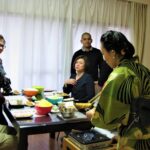
Osaka Soul Food Lesson: What You’ll Cook (and What You Won’t)
The heart of this class is Osaka’s “soul food” made in a traditional way, explained by an instructor who clearly knows the city’s food rhythms. The big value here is focus: you make two of the three Osaka favorites listed—takoyaki, okonomiyaki, and yakisoba.
Important to set expectations: this specific option is not presented as a combined cooking-plus-traditional-culture program. It’s a cooking experience first. That’s why the price is positioned lower than broader culture packages you might see in Osaka.
If your priority is hands-on skill—how to shape, cook, and finish Osaka dishes—this is a good match. If your priority is a longer, structured cultural program (beyond food), you might want to look for a different course type within the same provider or similar offerings.
Meet Your Instructor: The Osaka Mother Who Explains the Why
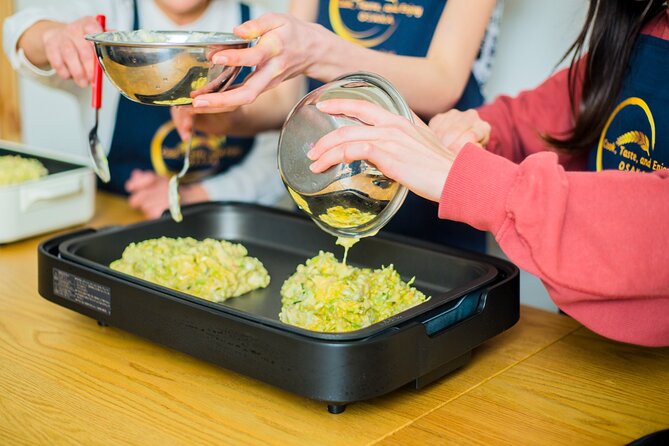
The instructor is described as an elderly mother who has lived in Osaka for over 60 years. That detail isn’t just trivia. In a cooking class, it often changes the tone from instructions-only to context-plus-instructions.
You can expect careful explanations: not just what to do, but why the food is treated a certain way in Osaka. The overview also mentions that the instructor knows a lot about Osaka and can share information about hidden tourist spots. Even if your Japanese is limited, you’ll likely find the class structure keeps things understandable—through step-by-step cooking guidance and practical talk.
From the strong feedback in the experience’s reviews, the staff and teachers come across as warm, welcoming, and genuinely good at teaching. One theme that shows up is that you can get a lot out of the experience even if you don’t speak tons of Japanese, because the teaching is hands-on and guided.
Takoyaki, Okonomiyaki, or Yakisoba: How the Class Flows
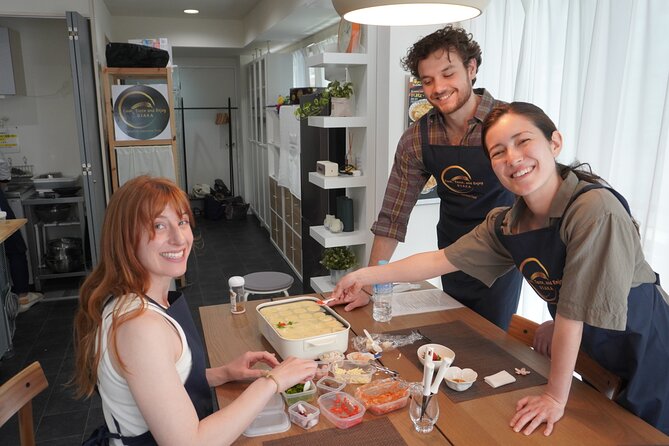
Your class runs about 1.5 hours. In that time, the “flow” matters, because you’re cooking multiple components without feeling rushed to the finish line.
Here’s what the structure suggests you’ll experience:
1) Getting set up and learning the process
You’ll hear a clear explanation of how the dish is made the traditional way. Since the class is led by a longtime Osaka resident, the instruction tends to include practical cues—how to approach the batter, how to manage cooking so the texture comes out right, and how you’ll know when to act during the cooking stage.
2) Cooking the first dish (most classes likely start with takoyaki or the chosen centerpiece)
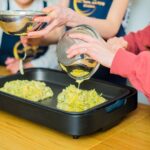
Takoyaki is repeatedly highlighted in the experience’s description and feedback. You’re essentially making those classic golden balls of lightly fried batter, typically associated with octopus. The kitchen lesson is the point, not just eating street food.
For takoyaki specifically, feedback points out that you can choose your own fillings. That’s a small detail, but it changes the whole experience: it makes your result feel customized, and it makes you pay closer attention to how the filling affects the final bite.
3) Cooking the second dish: okonomiyaki or yakisoba
You’ll make a second Osaka staple from the set—either okonomiyaki or yakisoba—depending on what you choose when you book or what the class offers that day. In the feedback, okonomiyaki and takoyaki show up together, but you should treat it as choose-your-combo rather than a fixed pairing.
Because you’re making two dishes in one session, the instructor’s role becomes more about timing and keeping you moving between steps. This is where the small group size helps.
4) Eating what you made and taking lessons home
The class doesn’t end at plating. The instructor explains background as you go, and you’ll finish with what you cooked—so you can connect instruction to taste and texture. That matters if you’re trying to recreate dishes later in your own kitchen.
One more thing: water is included, but anything beyond that may be charged. So if you’re the type who likes a full drink pairing, keep it in mind as part of your budget.
What Makes This Class Worth $65.04
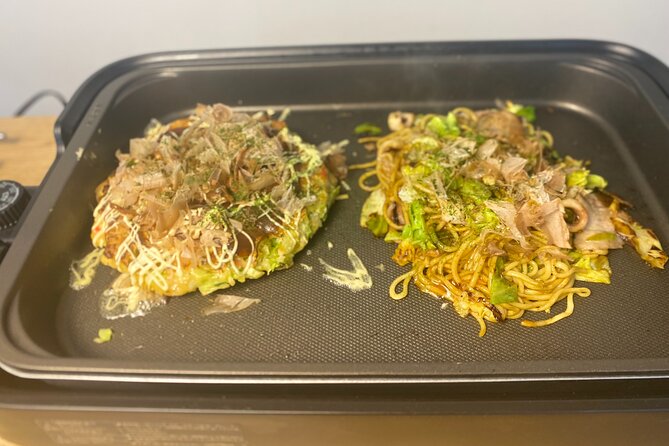
Let’s talk value, because a cooking class can either feel like a meal with theater or like actual skill-building.
At $65.04 per person for about 1.5 hours—and for a group capped at 8—you’re paying for three things:
- a real instructor with Osaka-life experience
- hands-on instruction
- the ingredients and execution time needed to make street-food style dishes
The class is positioned as affordable partly because it focuses on cooking two of the three dishes, rather than adding a separate traditional culture segment. If you compare it to longer, multi-part programs, the shorter scope can be a plus: you get concentrated food instruction without spending the whole day in a schedule.
Also, bottled water is included. Not a giant deal, but it’s one less small cost during the session, which adds up when you’re already paying for snacks and drinks around Osaka.
Finally, the booking timeline suggests it’s not one of those last-minute experiences that always has space. The average booking time is about 48 days in advance, so it’s smart to plan ahead if you have specific dish combos in mind.

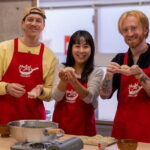
Language Barrier, Hand Skills, and Getting Your Questions Answered
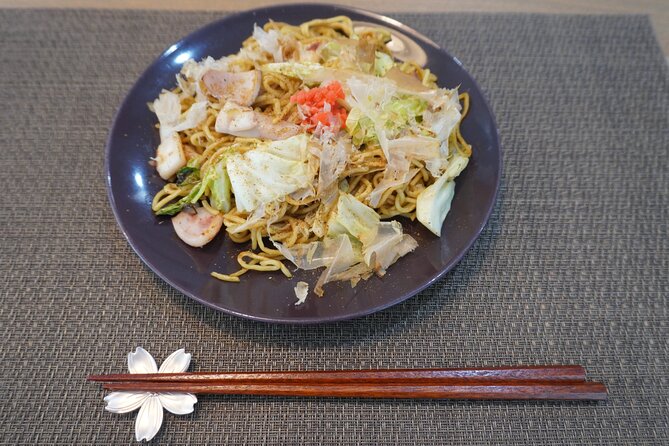
One of the strongest practical advantages of this format is that it doesn’t depend entirely on you speaking Japanese. The class is built around doing: watching a step, copying the step, and getting feedback on the result.
Even if you’re not fluent, you can still learn a lot when:
- the instructor is teaching step-by-step
- you’re cooking with your hands in the same space
- the group is small enough that you can ask questions without waiting for a turn
That’s especially helpful if you want to understand the “why” behind the dish, not just follow directions like a worksheet. Based on the description and feedback tone, the staff seems patient and encouraging. For me, that’s the difference between a class you remember and a class you just photo-dump.
Osaka Beyond the Stomach: Hidden Spots and Local Context

This is not just a kitchen bubble. The overview notes that you can find out about hidden tourist spots while learning the traditional way of making things.
That kind of add-on is subtle but useful. Cooking classes are already time together with a local expert, so you might as well harvest their knowledge of where to go next: what neighborhoods feel worth your time, where to snack after class, and what to look for when you’re back out in Osaka.
Because the instructor is described as knowing everything about Osaka, you’re getting a local voice on more than just recipes. Even if you only catch a few pointers, you leave with a better sense of how Osaka food culture fits into everyday life.
Who This Class Suits Best (and Who Might Want a Different Option)
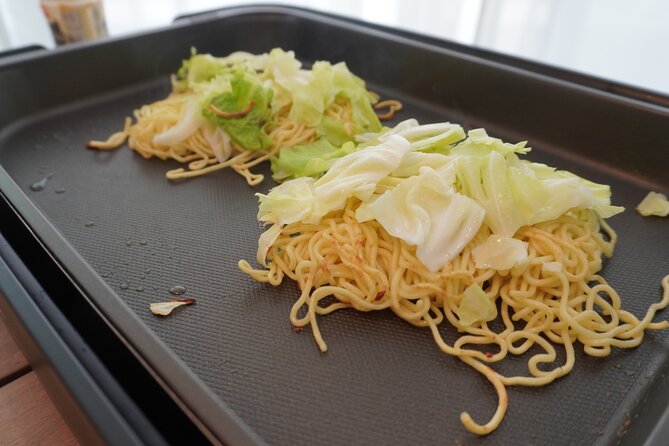
This cooking class is a strong fit if you:
- want a small-group cooking lesson
- care about Osaka’s street food style dishes
- enjoy learning directly from a longtime local rather than generic instructions
- like the idea of making takoyaki plus one more instead of doing a long, multi-course program
It’s less ideal if you:
- want a broad traditional culture experience alongside cooking (this product doesn’t include that extra segment)
- prefer classes where every element is pre-set and identical for all participants (here, you make two dishes from a listed trio)
- are looking for a longer, multi-stop city tour rather than a focused cooking session
Should You Book It? My Practical Take
If you want a straightforward, hands-on way to learn Osaka food culture, this is an easy yes. You get:
- an experienced local instructor with decades in Osaka
- cooking focused on two of the city’s biggest favorites
- a small group where you can actually learn and ask questions
- a low-friction location in Nishishinsaibashi, near public transport
My only reason to hesitate is if you expected a bigger traditional culture program beyond cooking. This experience is mainly about making dishes—cooking first, culture second.
If you’re deciding between “two-dish cooking class” and “full-day cultural tour,” choose this one when your main goal is skill and street-food technique. Choose a different type of course when your main goal is broader cultural immersion.
FAQ
What is the duration of the cooking class?
The experience lasts about 1 hour 30 minutes.
What dishes will I make during the class?
You’ll make two of the three Osaka sole foods: takoyaki, okonomiyaki, and yakisoba.
Who teaches the class?
An elderly mother who has lived in Osaka for over 60 years teaches the cooking.
What’s included in the price?
Bottled water is included. Other beverages may cost extra.
Is alcohol included?
No. Alcoholic beverages are not included, and drinks other than water are charged during class.
Where does the class meet?
The meeting point is 2-chōme-13-16 Nishishinsaibashi, Chuo Ward, Osaka, 542-0086, Japan.
Is there a group limit?
Yes. The class has a maximum of 8 travelers.