REVIEW · SEOUL
Seoul: Korean Kimchi Cooking Class in the Heart of the City
Book on GetYourGuide →Operated by Secret Food Tours · Bookable on GetYourGuide
Fermentation lessons beat Googling recipes. In this small-group class near Gyeongbokgung Palace, I like that you learn by doing: you’ll make 3 kimchi-based dishes instead of watching from the sidelines. I also like the relaxed pace that works for beginners and people who already cook at home.
One thing to plan for: there’s no pickup, and you’ll need to find the meeting point on your own. The location is described as a 3rd-floor stop in a building with Cuisine La Cle on the 1st floor, so read the directions carefully.
In This Review
- Key Things You’ll Notice Right Away
- Entering the Class: The 3rd-Floor Meeting Point by Gyeongbokgung
- What 2 Hours Covers (and Why That Time Feels Worth It)
- The “Hidden Location” Factor: Easy If You Follow the Directions
- Dish 1: Cabbage Kimchi Pancake (Kimchi-buchimgae) You Can Recreate
- Dish 2: Radish Kimchi (Kkakdugi) and Stir-Fry Rice with Bacon and a Golden Egg
- Dish 3: White Kimchi (Baek-kimchi) with Broth and Noodles
- The Stuff You Eat Beyond the Three Main Dishes
- Fermentation Secrets and Flavor Balancing: The Real Lesson Here
- The Secret Dish Moment You Should Look Forward To
- Price and Value: Why $86 Makes Sense for This Setup
- Who This Cooking Class Is Best For
- One Important Practical Consideration: Accessibility and Getting Help
- Should You Book It?
- FAQ
- What dishes will I learn to make?
- Is the class beginner-friendly?
- What is included in the meal and drinks?
- Where exactly is the meeting point near Gyeongbokgung?
- Is pickup or dropoff included?
- Can they accommodate dietary requirements?
- Is it wheelchair accessible?
Key Things You’ll Notice Right Away
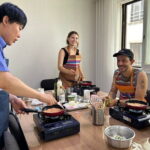
Small group (8 max) with hands-on instruction so you actually get time at the station.
Three kimchi dishes with different styles (pancake, radish kimchi stir-fry, and white kimchi noodles).
Fermentation and flavor-balancing tips so the class helps you cook beyond this menu.
Secret Dish included every time for an extra surprise at the table.
Near Gyeongbokgung Station and the palace area which makes pairing with sightseeing easy.
Food samples plus a Korean drink that turn the class into a mini evening meal.
Entering the Class: The 3rd-Floor Meeting Point by Gyeongbokgung
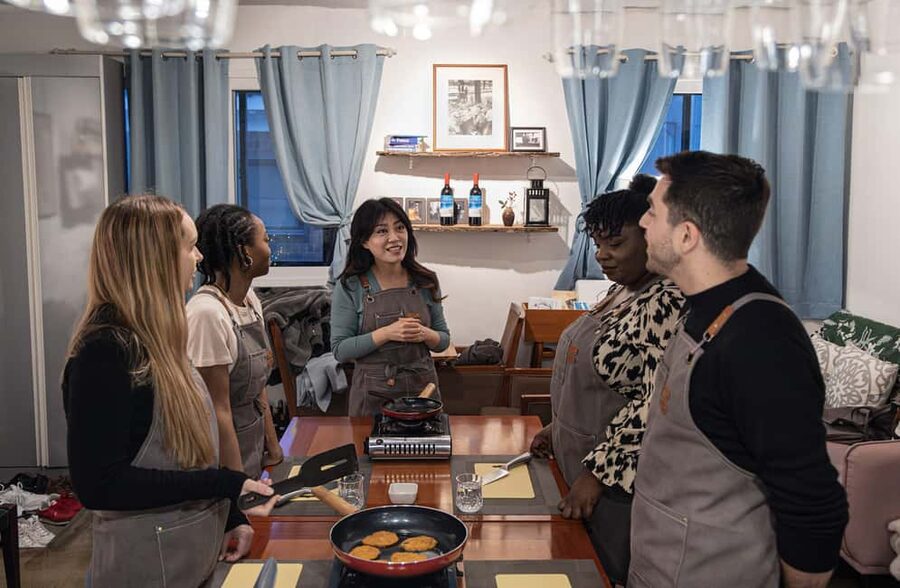
This experience is built for people who want real Seoul food, not just a quick tasting. You meet at the Third floor, 36 Jahamun-ro 7-gil, Jongno District, Seoul. It’s close to Gyeongbokgung, and that matters because you can treat the class like part of a bigger day in the palace district.
Here’s how to get there from Gyeongbokgung Station Exit 2. Walk straight about 200 meters until you spot Woori Bank, then turn left. Pass by the bar Cham, and look for your destination on the 3rd floor. The building has Cuisine La Cle on the 1st floor, so it’s a helpful landmark when you’re trying to line up the floors.
This is a good location for timing. If you’re doing Gyeongbokgung Palace, Bukchon, or nearby streets, the class gives you a practical reason to be in that neighborhood at that time of day. You’re not burning hours commuting across town.
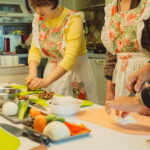
When you arrive, you’ll wash your hands and get started. That sounds basic, but in cooking classes it sets the tone. You’re not just receiving instructions; you’re preparing to work with ingredients right away.
You can also read our reviews of more tours and experiences in Seoul.
What 2 Hours Covers (and Why That Time Feels Worth It)
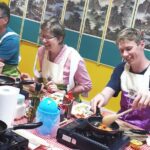
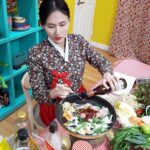
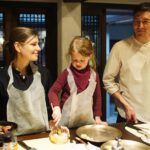
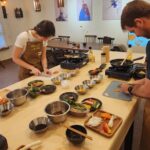
The duration is 2 hours, and that’s a sweet spot. Long enough to cook several components, short enough that it stays fun. You’ll learn how to make 3 kimchi based dishes guided by expert chefs in English.
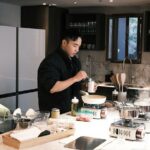
What I like about the way the class is structured is that you don’t just memorize a recipe. You’re taught the secrets of fermentation and how to balance bold and subtle flavors. That’s the part that transfers to your own kitchen later, even if you change the dish.
The menu is also intentionally varied. You’ll go from hot and crispy (kimchi pancake) to crunchy and punchy (radish kimchi style) and then to something gentler and refreshing (white kimchi with broth and noodles). You’ll see kimchi as more than one thing.
You’ll also get a classic Korean dinner rhythm. That includes your makgeolli experience and time to taste what you make, plus the included water.
The “Hidden Location” Factor: Easy If You Follow the Directions
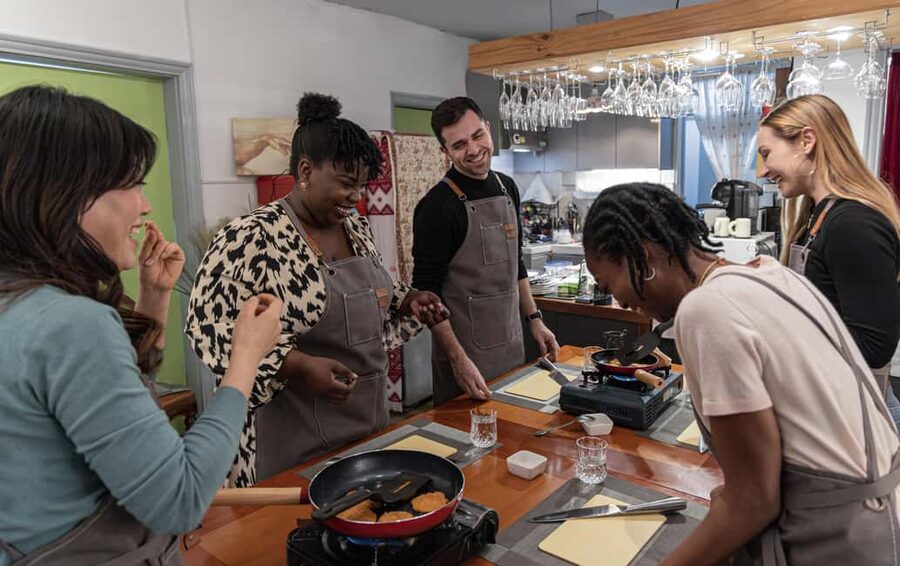
Let’s be honest: a secret meeting location can either be convenient or annoying. Here, it’s manageable because the instructions are specific and anchored to recognizable stops like Woori Bank and the bar Cham.
Since pickup is not included, you’ll want to arrive a bit early. Give yourself extra minutes to get the correct floor. You’re meeting on the third floor of a building with Cuisine La Cle on the first floor, and that detail matters.
If you’re the type who hates last-minute navigation, take a screenshot of the Google link before you leave. Then use the written direction steps as your backup.
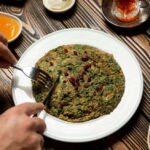
Dish 1: Cabbage Kimchi Pancake (Kimchi-buchimgae) You Can Recreate
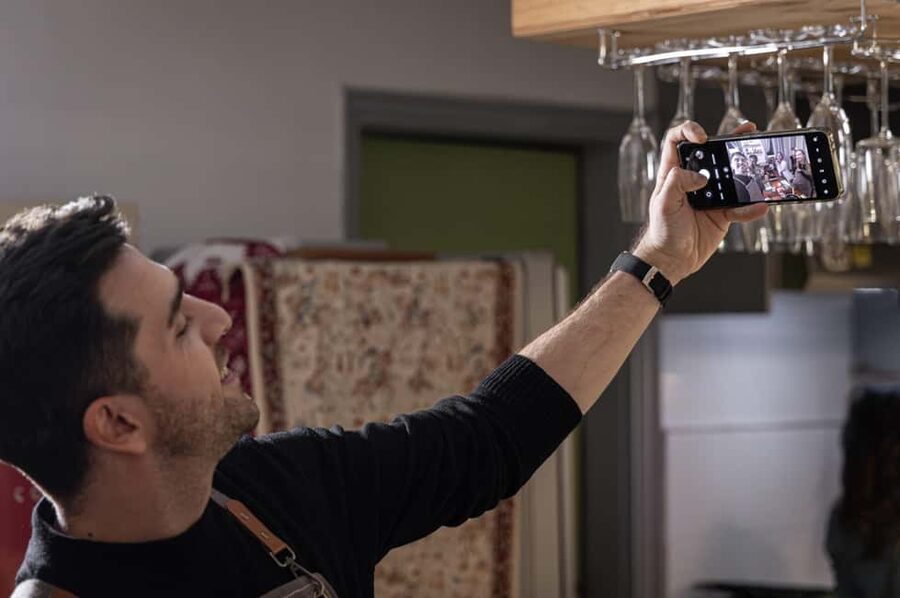
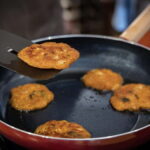
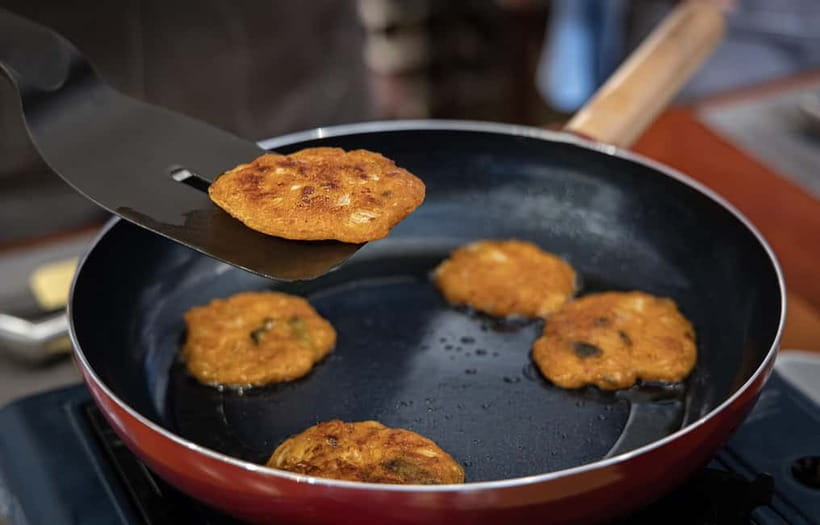
Your first dish is Cabbage Kimchi Pancake, kimchi-buchimgae. This is a classic way to turn fermented cabbage kimchi into something that’s crispy outside and savory inside.
The key detail here is the umami. The pancake is packed with fermented cabbage kimchi, so the flavor isn’t subtle. This isn’t just a way to eat kimchi; it’s a way to cook with its deep background flavor.
In practice, you’ll be guided through the process so you get the texture right. Pancakes are one of those dishes where people usually overthink it at home. In class, you can see how the batter and kimchi behave together and learn what to aim for.
Why this dish is valuable for you: once you understand how kimchi works in a hot, frying context, you’ll find more ways to use it. Think beyond a side dish. Kimchi can be the main character.
Dish 2: Radish Kimchi (Kkakdugi) and Stir-Fry Rice with Bacon and a Golden Egg
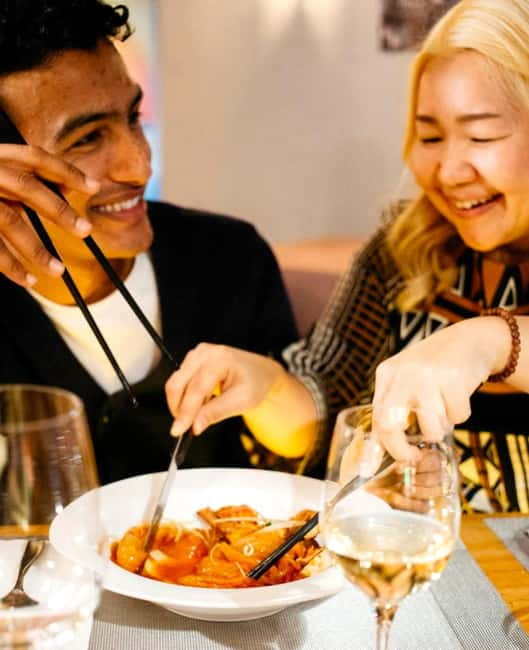
Next up is radish kimchi, kkakdugi. This part of the class is about texture as much as flavor. Radish kimchi tends to be crunchier and more energetic than cabbage kimchi, and that difference shows up immediately in cooking.
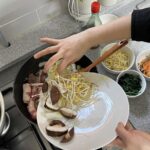
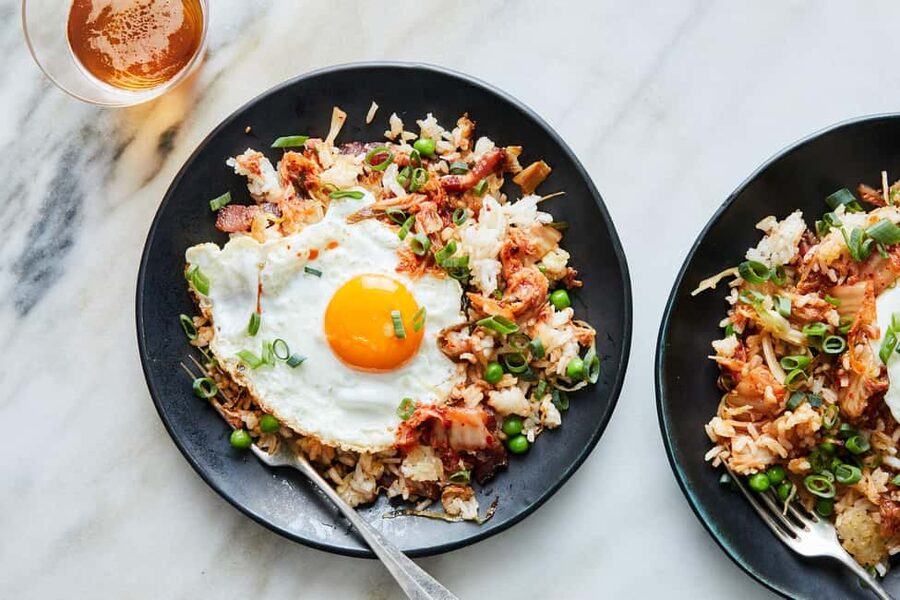
You’ll master the vibrant crunch of kkakdugi and then use it to create a hearty stir-fried rice dish with bacon. The dish is topped with a golden, perfectly cooked egg.
The “perfectly cooked egg” matters because it’s not just garnish. When you add a runny or tender egg topping to stir-fry, it changes the whole eating experience. It softens the bite, rounds out saltiness, and makes the dish more cohesive.
This is also a good lesson in pairing. Kimchi isn’t only about heat. In this class, you learn how to pair fermented elements with other flavors like fat (bacon) and richness (egg). That’s how you get meals that feel balanced rather than one-note.

Dish 3: White Kimchi (Baek-kimchi) with Broth and Noodles
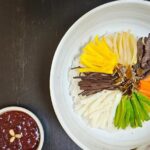
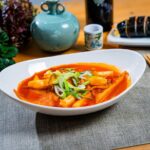
Then you’ll make White Kimchi, baek-kimchi. This is the refreshing, non-spicy variation served with delicate broth and noodles.
If you’ve ever thought kimchi is always fiery, this dish corrects that fast. White kimchi is lighter and cooling, and the broth-and-noodle format makes it feel like a meal, not just a salad.
You’ll learn how the flavor profile shifts when you move away from spicy fermentation styles. It’s still fermented and still distinct, but it’s gentler on your palate. The class gives you a real comparison point, because you’ve already cooked and tasted other kimchi styles.
This is the dish you’ll probably crave later. When Korean meals are done right, there’s always a palate reset somewhere, and baek-kimchi does that job well.
The Stuff You Eat Beyond the Three Main Dishes
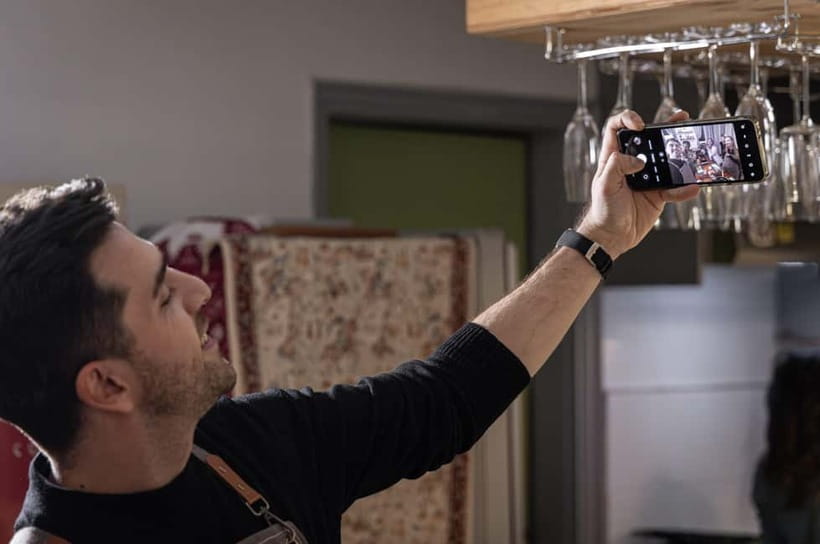
The highlights include sampling cheeses, eggplant parmigiana, and lemon amaretti cookies. You should expect these as part of the tasting and dinner flow, even if the exact list of included items is shorter on paper.
That matters because it shows the class is not only about Korean food basics. It also gives you a broader table feel—things to nibble between prep steps and sweet notes at the end.
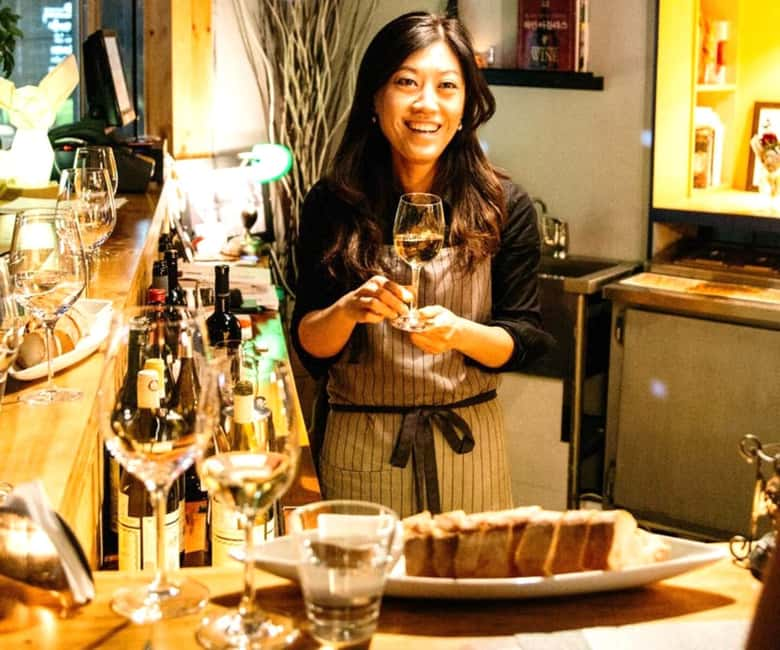
There’s also a makgeolli component. You can enjoy makgeolli (rice wine) or an alcohol-free drink option. The legal minimum age for drinking alcohol is 18 years old, so plan based on your situation.
I like that the class includes beverages and not just cooking. After 2 hours of chopping, mixing, and frying, you want to sit down and enjoy the result.
Fermentation Secrets and Flavor Balancing: The Real Lesson Here
The most useful part of the class isn’t the menu. It’s how you’re taught to think.
You’ll learn the secrets of fermentation and the art of balancing bold and subtle flavors. That’s a two-part skill. First, you need to understand what fermentation brings (depth, tang, complexity). Second, you need to learn how other ingredients respond to that tang.
The chefs also focus on pairing kimchi with other dishes to craft harmonious meals. That’s why the menu works. Each dish forces a different relationship:
- Pancake shows kimchi under heat and crisp texture.
- The radish kimchi stir-fry shows kimchi with savory richness and a topping egg.
- White kimchi shows kimchi without the heavy heat vibe, in a broth setting.
If you leave and only remember the recipe names, you’ll still be able to cook at least one dish. But if you remember the flavor logic, you’ll actually improve how you cook at home.
The Secret Dish Moment You Should Look Forward To
With all their experiences there is always a secret dish. You don’t get to pick it, and you don’t know it in advance. That sounds like a gimmick until you experience why it works.
It keeps the class feeling special and not copy-paste. It also gives you another tasting option beyond the planned three kimchi dishes. In a cooking class, surprises often become the most memorable part because they nudge your curiosity.
For me, it’s the difference between leaving with a checklist and leaving with stories you can repeat later. And if you like trying Korean food beyond the most common headlines, this kind of extra is a win.
Price and Value: Why $86 Makes Sense for This Setup
At $86 per person for a 2-hour class, you’re paying for more than a meal. You’re paying for instruction, time at the stove, multiple dishes, and tastings.
Here’s what you actually get based on the included items and highlights:
- Kimchi-buchimgae (kimchi pancake)
- A classic stir-fry with seasonal vegetables (in the class format)
- Baek-kimchi (white kimchi)
- Makgeolli (or an alcohol-free drink)
- Water
- The secret dish
- Plus samples like cheeses, eggplant parmigiana, and lemon amaretti cookies
For a city like Seoul, $86 is not cheap. But it also isn’t overpriced for what you’re doing. You’re not just eating. You’re learning three different kimchi applications, plus fermentation concepts you can use later.
The small group limit (8 participants) is part of the value too. When a class stays small, you get more attention. That helps beginners avoid common mistakes and helps experienced cooks get better results faster.
Who This Cooking Class Is Best For
This class is ideal if you:
- Want hands-on cooking instruction rather than a lecture
- Like kimchi but want to understand its styles (cabbage vs radish vs white)
- Enjoy learning how food works, not just following steps
- Are okay with a 2-hour commitment close to Gyeongbokgung
It’s also a great choice if you’re traveling solo or with a friend and you want a shared activity that doesn’t feel like a tourist trap. Small group plus cooking equals natural conversation.
Based on the experience feedback, I’d also say it’s friendly to different comfort levels. People have described it as relaxed and comfortable for all levels, with a lot of information shared about kimchi and Korean cooking culture.
One Important Practical Consideration: Accessibility and Getting Help
The info you’ll see includes a wheelchair accessibility statement, but it also says they cannot accommodate guests with wheelchairs or impairments requiring special assistance, and lists it as not suitable for people with mobility impairments and wheelchair users.
Because those statements conflict, don’t assume. If mobility access matters for you or your group, contact them in advance and ask direct questions. This is one area where getting an email reply before the day of the class saves stress.
Should You Book It?
If you want a practical Seoul experience that’s food-first and instruction-led, I think this is a strong pick. You’re close to major sights, you cook multiple dishes instead of sampling one, and you learn the fermentation and flavor-balancing ideas that help you at home.
Book it if you:
- Want a small-group class capped at 8
- Care about understanding kimchi beyond one version
- Like the idea of a secret dish and a relaxed evening-meal vibe
Skip it if:
- You don’t want any navigating on your own and rely on pickup
- Accessibility is a major concern and you can’t confirm support ahead of time
If your goal is to come home with both recipes and smarter flavor instincts, this is the kind of class that sticks.
FAQ
What dishes will I learn to make?
You’ll prepare three kimchi based dishes: cabbage kimchi pancake (kimchi-buchimgae), radish kimchi (kkakdugi) used in a stir-fried rice dish with bacon topped with a golden egg, and white kimchi (baek-kimchi) served with delicate broth and noodles.
Is the class beginner-friendly?
Yes. The class is described as suitable for both seasoned home cooks and curious beginners, with chefs guiding you through essential skills.
What is included in the meal and drinks?
The experience includes the three listed dishes, a classic stir-fry with seasonal vegetables, makgeolli (or an alcohol-free drink), water, and a secret dish. It also notes sampling cheeses, eggplant parmigiana, and lemon amaretti cookies.
Where exactly is the meeting point near Gyeongbokgung?
Meet at the Third floor, 36 Jahamun-ro 7-gil, Jongno District, Seoul. From Gyeongbokgung Station Exit 2, walk about 200m to Woori Bank, turn left, pass the bar Cham, and find the destination on the 3rd floor of the building with Cuisine La Cle on the 1st floor.
Is pickup or dropoff included?
No. Pickup or dropoff service is not included.
Can they accommodate dietary requirements?
They ask you to contact them in advance of the experience with any dietary requirements so they can cater for them as best as possible.
Is it wheelchair accessible?
The information includes a wheelchair accessible note, but it also states they are unable to accommodate wheelchairs or impairments requiring special assistance. If this applies to you, contact them in advance to confirm what support is possible.