REVIEW · SEOUL
Korean Cooking Class in Seoul with a Professional Chef
Book on Viator →Operated by Traveling Spoon · Bookable on Viator
A Seoul cooking class beats another sightseeing day because you’re working with real ingredients and real people. This one is private, set in a local home, and built around hands-on cooking like bulgogi and bibimbap—plus a possible detour to Mangwon Market for seasonal produce and snacks. I especially like the home-kitchen setup and the market option, which makes the food feel grounded in everyday Korean life. One thing to consider: the menu can change by season, so you’re not always guaranteed the exact dish mix you’re picturing.
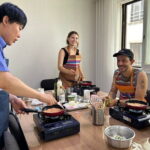
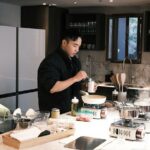
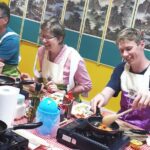
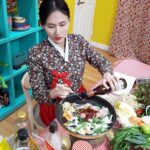
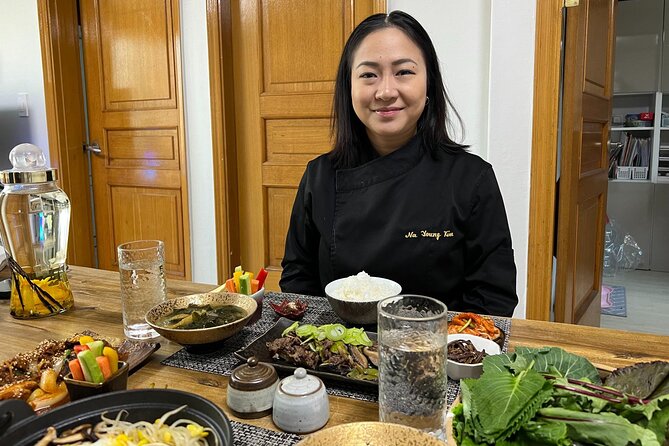
You’ll start cooking with Na Young in her kitchen, and the teaching style comes through in the way past groups describe the hosts. In accounts tied to this experience, hosts such as Jessie and Steven have been praised for warm hospitality and clear guidance, and the common theme is that you’re not just watching—you’re actively making the food. The main drawback for some people is logistics: there’s no hotel pickup, so you’ll want to plan your arrival and be ready to navigate a meeting point on foot and public transit.
In This Review
- Key Points Before You Go
- A Home Kitchen Lesson in Central Seoul (and Why It Matters)
- The “private home” part comes with a real-world rule
- Your Cooking Time: Two Dishes, Real Techniques, and a Proper Meal
- What you’re likely to make
- Mangwon Market: Optional, but Often the Best Part of the Day
- Why the market stop adds value
- What You Eat After Cooking: Soup, Kimchi, and a Glass of Soju
- Spicy flavors, but with structure
- Pricing and Value: What $122 Gets You in Seoul
- Getting There and Doing the Small Things Right
- Shoes off, sandals on
- If you’re late, communicate fast
- Diet Needs, Seasonal Menus, and Family Limits
- One child per experience
- Who This Cooking Class Fits Best
- Should You Book This Korean Cooking Class in Seoul?
- FAQ
- How long is the Korean cooking class in Seoul?
- Is this class private?
- Where does the experience start?
- Do I take my shoes off?
- What dietary options are available?
- Is soju included?
Key Points Before You Go
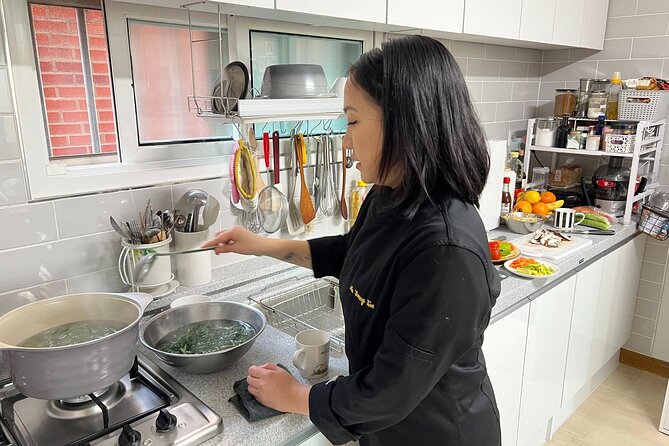
- Home-based cooking in a real Seoul apartment kitchen, not a studio set
- Two dishes from scratch, often including a main plus a side depending on the day
- Optional Mangwon Market tour with a short walk (about 10–12 minutes) to get there
- Seasonal ingredients and snack sampling at the market stop when selected
- Shoes off inside with indoor sandals provided, following Korean custom
- Diet options available (gluten free, vegetarian, vegan) if you request in advance
A Home Kitchen Lesson in Central Seoul (and Why It Matters)
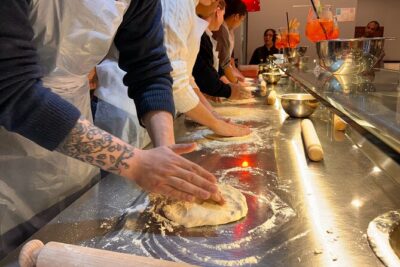
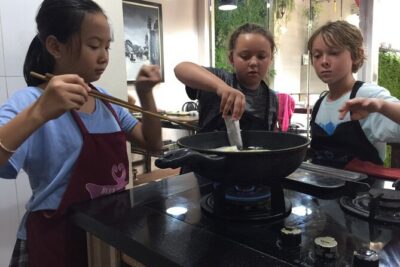
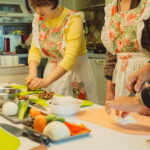
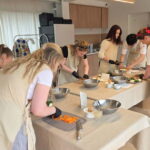
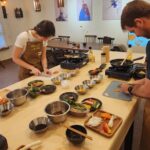
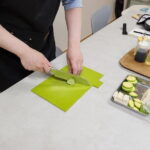
A Korean cooking class can be either hands-on or hands-off. This one leans hard into hands-on. You begin in the host’s kitchen, and you’re not stuck at a “watch and wait” station. You work with ingredients and techniques, then you sit down to eat what you helped make. That flow matters because Korean cooking is as much about how ingredients behave together as it is about the final dish.
Central Seoul is also a plus. You get the convenience of being in the city while still stepping into a local home routine. When you cook at home-table level, you pick up the small habits that don’t show up on a restaurant menu—how things get chopped, how flavors get balanced, and how Korean sides are treated like part of the meal, not an afterthought.
Private means it’s paced for your group. If you want to ask questions, there’s space to ask them. If you’re slower with chopping, you get time. And if you’re traveling with someone who’s curious about food culture, this format lets you turn the meal into a conversation rather than a checkbox.
You can also read our reviews of more tours and experiences in Seoul.
The “private home” part comes with a real-world rule
Korean homes typically require shoe removal indoors. The host will provide indoor sandals, but you still need to plan for it. If you dislike shoe-off environments, factor that in. It’s not a deal-breaker, but it’s one of those details that can make or break your comfort level.
Your Cooking Time: Two Dishes, Real Techniques, and a Proper Meal
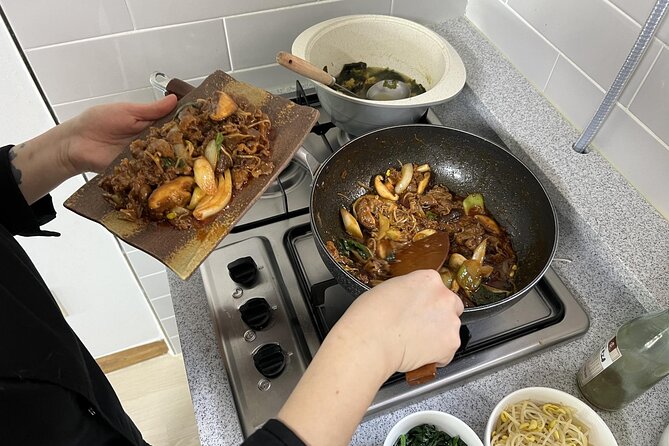
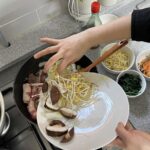
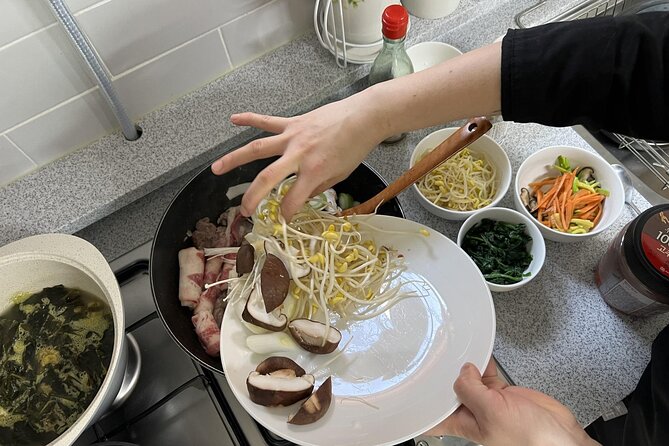
The class is about 3 hours total, with roughly 1 hour of guided, hands-on instruction at the start. You’ll learn to prepare Korean favorites from scratch. The specific dishes can vary, but you can expect classic options like bulgogi and bibimbap, along with a side dish on many days.
Here’s what I think is smart about the structure: it’s short enough to feel focused, but long enough to include cooking, eating, and conversation. Most “cooking experiences” forget the eating part. This one builds it in, and that turns cooking into something you can actually remember.
What you’re likely to make
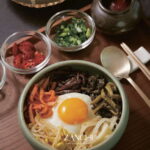
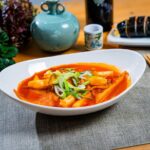
Based on the description, you’ll make two dishes. Depending on the day, that may mean a main dish plus a side. Korean meals are built around balance—savory, spicy, fermented, and fresh—and the class approach reflects that. You’ll also get soup, kimchi, and traditional soju with the meal.
If you’re planning this as a way to learn Korean cooking for real, pay attention to the why behind the steps: how marinade or seasoning changes meat or vegetables, how bibimbap components stay separate until serving, and how sides round out the plate.
Mangwon Market: Optional, but Often the Best Part of the Day
If you choose the market add-on, you’ll walk to Mangwon Market—about 10–12 minutes from the home—and spend around 30 minutes exploring stalls with your host. This part is less about shopping for souvenirs and more about understanding ingredients in context.
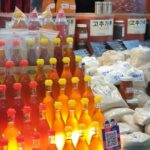
Mangwon Market is described as a spacious indoor market, known for fresh local produce, spicy snacks, and prepared foods. That mix is useful because it shows two sides of Korean eating: what’s used for home cooking and what people grab on the go. You also get to sample a traditional Korean snack during the visit, which helps you connect flavors before you cook them.
Why the market stop adds value
A lot of cooking classes buy ingredients already prepped. Here, the market step can help you see the ingredients in their natural environment—seasonal produce, snack forms, and the kind of chili or fermented items used to build flavor. Even if you’re not buying much, you’ll leave with a better sense of what to look for back in your own kitchen.
One consideration: you’re adding time in your day. If you’re the type who gets tired of walking around food halls, you may prefer to keep it purely kitchen-based. If you love food neighborhoods and ingredient spotting, it’s a strong choice.
What You Eat After Cooking: Soup, Kimchi, and a Glass of Soju
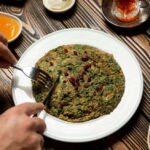
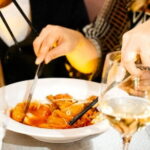
After the cooking, you sit down to enjoy the meal you helped create. The meal isn’t just one dish served and forgotten. You’re eating alongside soup, kimchi, and the dishes you made during class.
And yes, you get a glass of soju with the meal. It’s included, so you don’t have to figure it out after class. This is also where a private setting helps: the meal becomes part of the lesson. You can ask questions about how Koreans eat, what to notice in flavor, and how to approach Korean seasoning without turning it into a chemistry project.
Spicy flavors, but with structure
Korean cuisine includes spicy elements, but the way the class frames it matters. You’re not left alone with a plate and a guess. You learn what goes into the flavor base—fresh ingredients and the seasoning patterns that show up across dishes—so your meal makes sense as you eat.
Pricing and Value: What $122 Gets You in Seoul
At $122 per person for about 3 hours, this is not the cheapest food activity in Seoul. But it also isn’t a mass-market workshop. You’re paying for a private home setting, a professional chef/host guide, hands-on instruction, ingredient-focused learning, and a full sit-down meal.
Where the value really shows up is in the combination:
- cooking time plus eating time (not just tasting),
- a private format for your group,
- and the option to add a market stop for ingredient context.
If you’re the kind of traveler who learns best by doing, this price can feel reasonable because you’re effectively buying an experience you can translate to your future cooking. If you’re mainly interested in eating quickly with minimal effort, you might prefer street food or a restaurant meal. The class wins when you want both food and technique.
Getting There and Doing the Small Things Right
There’s no hotel pickup and drop-off, so you’ll want to be comfortable getting yourself to the meeting point. The start point is at 247-111 Seogyo-dong, Mapo-gu, Seoul, South Korea. The activity ends back at the meeting point, which makes the plan simpler.
You’re also told it’s near public transportation. That’s good news if you’re using the subway. Still, in this kind of local-home experience, the last stretch on foot matters.
Shoes off, sandals on
Plan to take off your shoes. The host will provide indoor sandals. It’s a simple custom, but it’s one of those rules you’ll appreciate if you’re not scrambling at the door.
If you’re late, communicate fast
The host asks that you call or WhatsApp if you need help with directions or if you’re running late. That’s practical. Seoul neighborhoods can be easy with transit, but finding a specific apartment entrance can still take a moment.
Diet Needs, Seasonal Menus, and Family Limits
The class is flexible with food needs. Gluten free, vegetarian, and vegan diets are available if you advise at the time of booking. Menu may vary depending on season, so the dishes you end up cooking can shift with what’s best at that time.
That seasonal variation is normal for Korean cooking and can be a positive—food changes with the calendar. The catch is mental planning: if you have your heart set on one specific dish every time, you should message your needs early and confirm what’s likely.
One child per experience
The host can host only 1 child per experience. If you’re traveling with kids, this matters for booking decisions and timing.
Who This Cooking Class Fits Best
This experience suits you if:
- you want a Korean cooking lesson that’s hands-on, not lecture-style,
- you like learning ingredients and why flavors work,
- you enjoy eating what you made at the table, and
- you’re curious about everyday Korean hospitality in a home setting.
It’s also a good pick for small groups who want a shared activity that breaks up the day between sightseeing and dinner plans. And if you’re food-focused but tired of tourist meals, the optional market stop gives you a more local angle than a standard restaurant crawl.
If you dislike spicy foods, you should flag it when booking. You’re not given specific spice-control instructions in the details, so the best move is to communicate early about your tolerance and ingredients to avoid.
Should You Book This Korean Cooking Class in Seoul?
Book it if you want a structured, guided way to learn Korean cooking in central Seoul, with the bonus option of ingredient context at Mangwon Market. The meal payoff is included, and the private home format makes it easier to ask questions and actually practice techniques.
Skip it if your ideal day is low effort and purely observational. This class asks you to chop, mix, cook, and then sit down to enjoy the results.
If you’re deciding between this and another food experience, think about your goal. Want to taste deeply? A market or restaurant might do. Want to learn how to make Korean dishes yourself? This is the kind of experience that can stick with you long after the trip.
FAQ
How long is the Korean cooking class in Seoul?
The experience lasts about 3 hours.
Is this class private?
Yes. It’s a private tour/activity, and only your group participates.
Where does the experience start?
The meeting point is 247-111 Seogyo-dong, Mapo-gu, Seoul, South Korea.
Do I take my shoes off?
Yes. You’ll need to take off your shoes before entering the home. Indoor sandals are provided.
What dietary options are available?
Gluten free, vegetarian, and vegan diets are available if you advise at the time of booking. The menu can also vary by season.
Is soju included?
Yes. A glass of soju is included with the meal.