REVIEW · SEOUL
Local Home Korean Cooking Class & Market Adventure in Seoul
Book on Viator →Operated by Hello K Cooking Class · Bookable on Viator
This is Seoul, cooked at home. You start with a guided walk through Mangwon Market, then move into a real home kitchen with a small group for hands-on cooking and serious attention.
I especially like how the market part turns random street food into something you can name, buy, and choose yourself. One thing to plan for: the meal includes a glass of makgeolli (Korean rice wine), so decide ahead of time if that works for you.
In This Review
- Key Points You Should Know Before You Go
- Mangwon Station Entrance 2: How the Day Starts
- Mangwon Market Adventure: Street Food, Herbs, and What to Buy
- Hands-On Korean Cooking at a Local Home: Four Dishes You’ll Actually Make
- What the “hands-on” format feels like
- Cooking technique you can use at home
- Hanjeongsik Dinner: Over 10 Side Dishes, Dessert, and Makgeolli
- Why the hanjeongsik format is valuable
- Makgeolli: included, so plan accordingly
- Small Group Size (Up to 10): Better Attention, Faster Feedback
- Price and Value: What $91 Buys You in Real Terms
- Who This Seoul Class Suits Best
- Final Call: Should You Book This Cooking Class and Market Adventure?
- FAQ
- How long is the Local Home Korean Cooking Class and Market Adventure?
- Where do I meet for the tour?
- How many people are in the group?
- What dishes will I help cook?
- Is makgeolli included?
- Can I cancel for a full refund?
Key Points You Should Know Before You Go
- Mangwon Station Entrance 2 meeting: easy public-transport start point, with the class ending back where you began
- Up to 10 people: small group size for more coaching and less waiting in the kitchen
- Market shopping plus street snacks: learn what ingredients to buy and why, not just what to eat
- Make four dishes: including bibimbap and dakgalbi, plus additional sides you’ll help with
- Hanjeongsik dinner setup: you sit down to your creations with over 10 side dishes, dessert, and a glass of makgeolli
- Mobile ticket: simple check-in on your phone
Mangwon Station Entrance 2: How the Day Starts
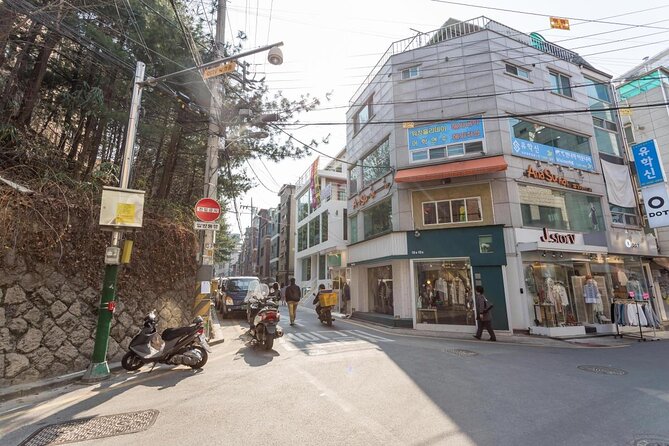
The tour begins at Mangwon Station, specifically Entrance 2. You’ll find the start address listed as 377-20 Mangwon-dong, Mapo-gu, Seoul. Getting there by subway is the obvious move here, and it keeps the rest of the afternoon stress-free.
Timing matters. You’re meeting before the cooking, so you can’t show up late and expect the day to flow. If you want an easy start, leave yourself a little buffer to locate the exact entrance and get your bearings fast.
You can also read our reviews of more tours and experiences in Seoul.
Mangwon Market Adventure: Street Food, Herbs, and What to Buy
This is where the experience earns its keep. Instead of jumping straight to cooking, you get a guided market visit that’s focused on how Korean home cooks actually shop. You’ll learn about local street foods and ingredients, including the herbs and spices that give Korean dishes their flavor signature.
And yes, there’s tasting. The market includes street food snacks, so you’re not just reading labels or listening to theory. You get to connect flavor to ingredients while everything is right in front of you.
One useful payoff from the market segment is learning which ingredient choices are typical and practical. For example, you may hear comparisons like spring onions used in ways that differ from Western assumptions about substitutes. That kind of detail matters when you’re later trying to repeat recipes at home.
You also get used to market logic: fresh selection, what looks right, and what you should buy versus what you can swap. Even if you’re not a “serious cook,” this helps you navigate Korean grocery culture with confidence.
Hands-On Korean Cooking at a Local Home: Four Dishes You’ll Actually Make
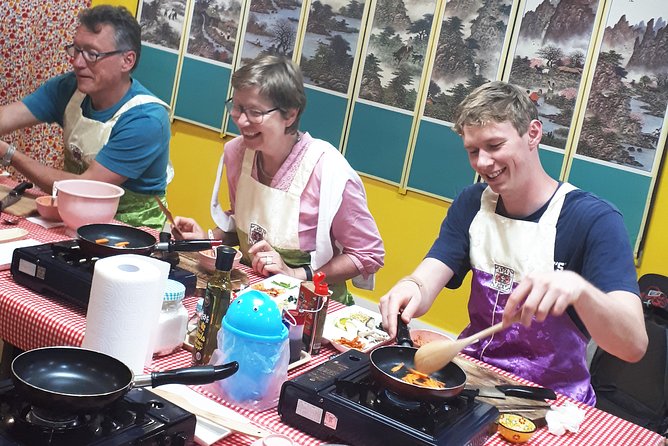
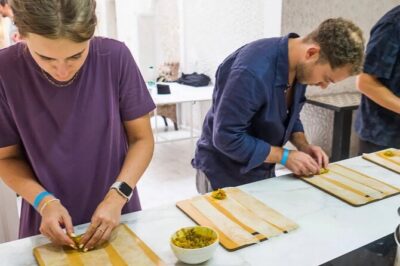
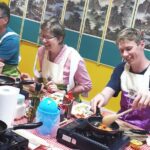
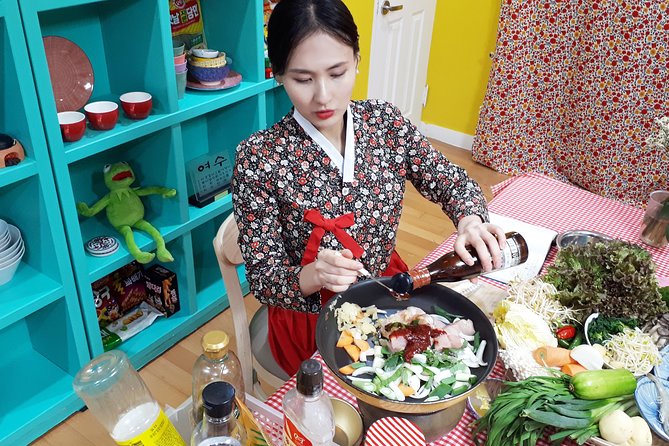
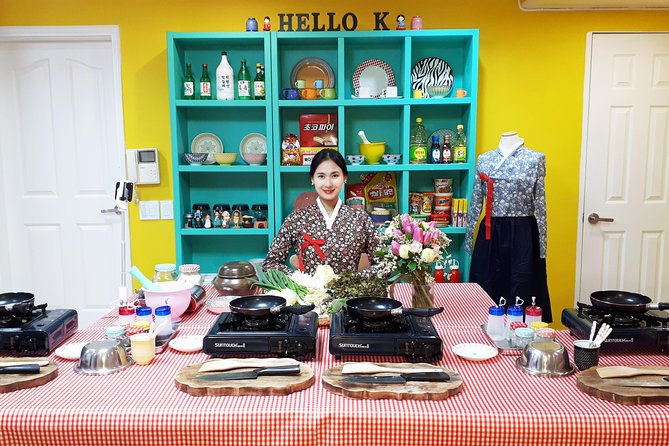
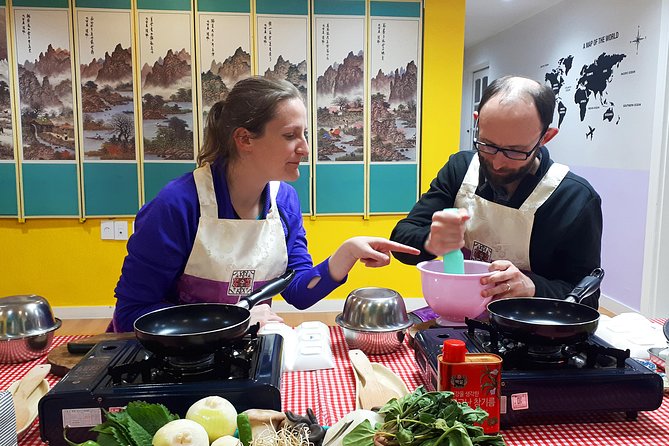
After the market, you head to the chef’s home for a 100% hands-on cooking class. The home setting is part of the charm and part of the practicality: you’re learning real workflow, not just watching someone else perform kitchen magic.
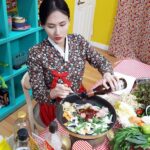
The class includes making four Korean dishes. The specific menu includes favorites like bibimbap rice and dakgalbi. Expect to do the prep and cooking steps yourself, with guidance from your host as you go. The goal isn’t to make you a chef overnight—it’s to give you repeatable technique and the confidence to cook similar flavors later.
What the “hands-on” format feels like
Because it’s a small group (maximum 10), you don’t disappear into a crowd. Your host can correct small technique issues as they happen—things like how you handle ingredients, how you season, and how you keep flavors balanced.
From the way hosts run these classes, the style tends to be friendly and interactive. In past sessions, Sarah and Junghee have been described as warm, funny, and very communicative in English. That matters because cooking is one of those activities where clarity beats confidence.
Cooking technique you can use at home
What you’re really learning is method: how Korean dishes build flavor through seasoning, sauces, and side ingredients. A dish like bibimbap isn’t just rice and toppings—it’s about how everything tastes together. Dakgalbi isn’t just “spicy chicken,” either; it’s about balancing sauce intensity with what you add around it.
You’ll also create homemade side dishes as part of the day’s meal. That’s a big deal because side dishes are where Korean meals feel complete. You finish with recipes and understanding, not just one main dish to remember.
Hanjeongsik Dinner: Over 10 Side Dishes, Dessert, and Makgeolli
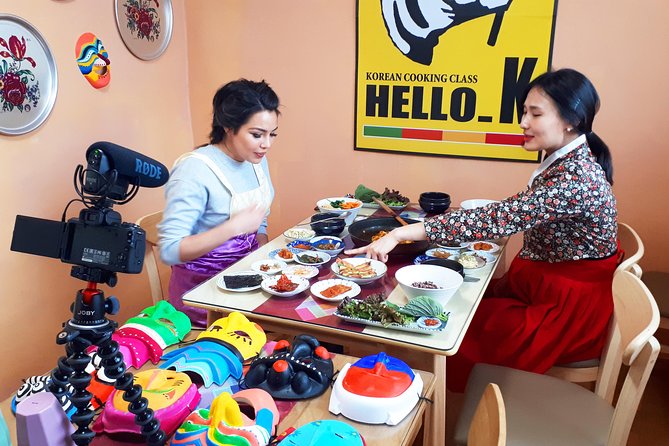
When the cooking ends, you don’t rush off to find dinner elsewhere. You sit down to a traditional hanjeongsik-style meal. This is a Korean dining format built around multiple side dishes, so your plate is never just one thing.
You’ll enjoy what you made, plus over 10 different side dishes, dessert, and a glass of makgeolli (Korean rice wine). In other words: you get a full meal experience that feels like Korean hospitality, not a snack-and-go cooking demo.
Why the hanjeongsik format is valuable
If you’ve only eaten Korean food at restaurants, hanjeongsik helps you understand the structure behind it. You see how the meal stays interesting even when the menu is built around similar flavors. The side dishes teach you what complements what—sweet, savory, crunchy, fresh, and fermented notes all on the same table.
It also gives you a realistic sense of how Korean home meals can work for a group. You’re tasting a spread that looks like what might appear on an everyday table, not just at a special-occasion restaurant.
Makgeolli: included, so plan accordingly
The glass of makgeolli is part of the standard setup. If you don’t drink alcohol, it’s worth thinking through your comfort level before you go. You’ll still have a lot to enjoy even if you choose not to sip it—but it’s good to know it’s included.
Small Group Size (Up to 10): Better Attention, Faster Feedback
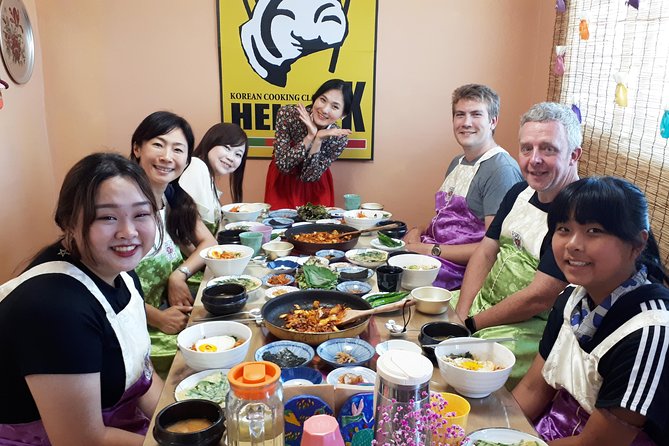
The tour caps at 10 travelers, and that small number changes the whole feel. In a bigger class, you can lose time waiting for instructions. Here, your host can circulate more, explain steps clearly, and keep the pace moving without leaving people behind.
This also helps if you’re not a confident cook. Multiple reviews highlighted hosts like Sarah and Junghee as patient and efficient, with practical tips that actually stick. You can ask questions while you still have ingredients in your hands, not later when you’re replaying the whole day in your head.
Another big plus: because it’s small, you usually get to share the table and conversation during the meal. That can turn the class into an evening story you remember, not just a recipe you write down.
Price and Value: What $91 Buys You in Real Terms
At $91 per person for about 3 hours 30 minutes, you’re paying for more than a cooking lesson. You’re paying for:
- a guided market visit with ingredient learning and street snack tasting
- a hands-on cooking session where you make four dishes
- a full hanjeongsik dinner with over 10 side dishes, dessert, and makgeolli
That matters because a lot of cooking classes are mostly technique with light food. Here, the food is the main event. You leave having eaten like you hosted yourself—plus you learn enough to recreate the style.
It’s also good value if you care about local detail. The market component is where you pick up “how to” knowledge: what to choose, what matters, and what flavors Koreans build into everyday cooking.
Who This Seoul Class Suits Best
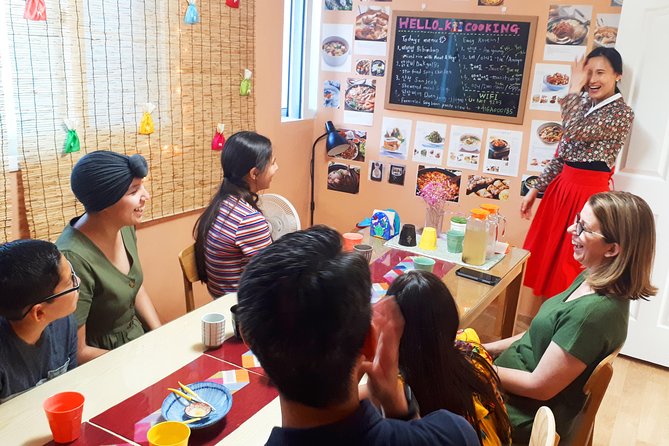
This experience fits best if you want food that feels grounded and local, not just photographed and finished. It’s great for:
- couples and small friend groups who want a shared activity
- adventurous eaters who like learning why flavors work
- people who want practical recipes they can actually cook later
It also works well for families in the sense that the vibe is friendly and the pace is guided. One reason is that the format is structured: market first, cooking second, meal third.
If you’re very sensitive to spicy foods, talk to your host beforehand if you can. The class covers popular Korean dishes like dakgalbi that can be spicy depending on the preparation.
Final Call: Should You Book This Cooking Class and Market Adventure?
I think you should book it if you want a full food day in Seoul where you learn more than a single recipe. The combination of Mangwon Market guidance plus a home-cooking class plus a real hanjeongsik feast is what makes it feel worth your time and money.
You might skip it if you’re not interested in shopping and want only cooking. This tour starts in the market, and that ingredient-learning stage is a core part of the experience.
If you’re deciding between random food tours and cooking classes, this one is built for people who want to go home with both recipes and understanding. And if you’re hoping for a host who’s friendly, funny, and genuinely invested in teaching, Sarah or Junghee are the kind of energy you’ll want in your afternoon.
FAQ
How long is the Local Home Korean Cooking Class and Market Adventure?
It runs for about 3 hours 30 minutes.
Where do I meet for the tour?
You meet at Mangwon Station Entrance 2 (377-20 Mangwon-dong, Mapo-gu, Seoul, South Korea).
How many people are in the group?
The tour has a maximum of 10 travelers.
What dishes will I help cook?
You’ll create four Korean dishes, including bibimbap rice and dakgalbi.
Is makgeolli included?
Yes. The meal includes a glass of makgeolli (Korean rice wine).
Can I cancel for a full refund?
Yes. You can cancel up to 24 hours in advance for a full refund. Canceling less than 24 hours before start time isn’t refunded.