REVIEW · SEOUL
Seoul : Taste of Korea, Authentic Home-Style Cooking Class
Book on Viator →Operated by Hansik Korean Cooking Class · Bookable on Viator
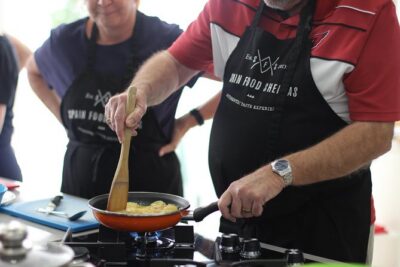
Cooking Korean food in Seoul feels personal. This Taste of Korea home-style class is built around hands-on work, where you learn classic Hansik dishes step by step with Jennifer and her team in a clean teaching kitchen near Jongno. Two things I especially liked: you actively cook everything yourself (not just watch), and you leave with digital recipes you can actually use at home.
Come hungry, because the food keeps coming. I also think it’s worth considering spice preferences and alcohol rules up front: Makgeolli and other alcoholic drinks are only for age 21+, while everyone else gets non-alcoholic options.
In This Review
- Key highlights you’ll feel in the first 10 minutes
- A 3-Hour Hansik Class That Turns You Into the Cook
- Your Menu: Gimbap, Tteokbokki, Haemulpajeon, and Budaejjigae
- Step-by-Step Teaching From Jennifer and Her Team
- The Meal Plus Drinks: Tea, Sikhye, Makgeolli, and Dessert
- Alcohol rules (so you know what to expect)
- Spice, Substitutions, and Dietary Preferences
- Finding the Teaching Kitchen in Jongno With a Mobile Ticket
- Is $89 Good Value for Seoul? Counting the Food, Instruction, and Recipes
- Who This Class Is Best For in Seoul (and Who Might Skip It)
- Should You Book This Hansik Cooking Class or Not?
- FAQ
- What dishes will I cook in the class?
- How long is the cooking class?
- Where do I meet for the class?
- Is there a morning and evening option?
- How big is the group?
- Are alcoholic drinks included?
- Will I get recipes to take home?
- Can I cancel for a full refund?
- What if the class is canceled due to weather or the minimum number of participants?
Key highlights you’ll feel in the first 10 minutes
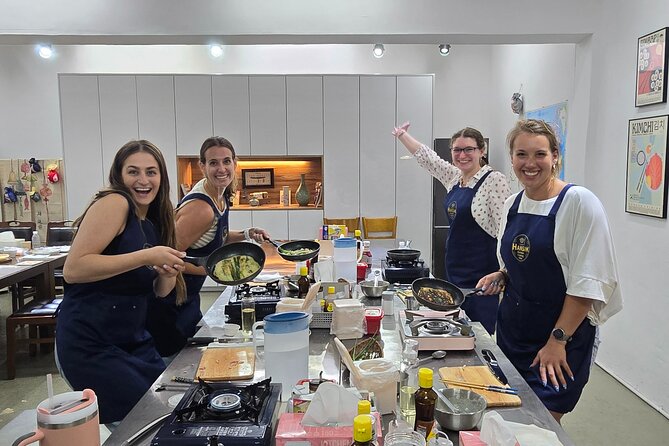
- Small group size (max 10) keeps the class personal and the pace comfortable
- Hands-on cooking for 4 well-known dishes: gimbap, tteokbokki, haemulpajeon, budaejjigae
- Jennifer’s teaching style is patient, practical, and chatty, with real technique help
- Big sit-down meal energy: tea, snacks, Sikhye, Makgeolli (21+), and dessert
- Take-home support with recipes provided digitally after the class
A 3-Hour Hansik Class That Turns You Into the Cook
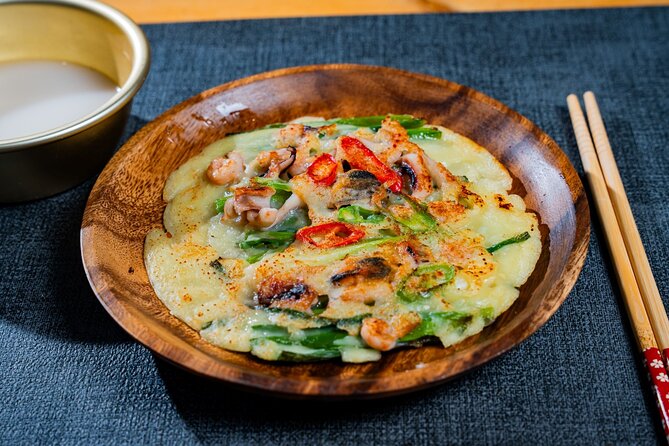
This experience is all about Hansik, the everyday Korean food that families cook at home—not just restaurant flavors. The class runs about 3 hours, and you can usually pick a morning or evening session, which makes it easier to fit into your Seoul plans.
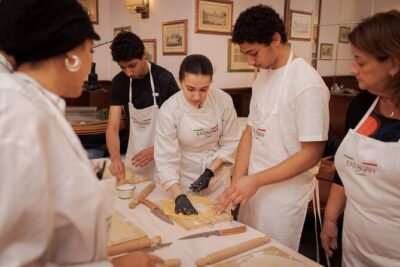
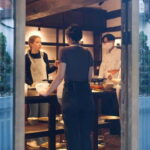
One of the smart parts of this setup is the group size. With a maximum of 10 people, you get more attention when you need it, instead of getting stuck waiting your turn or rushing through steps. The kitchen environment is described as fresh and hygienic, with dedicated cooking stations, which matters when you’re learning by doing.
You can also read our reviews of more tours and experiences in Seoul.
Your Menu: Gimbap, Tteokbokki, Haemulpajeon, and Budaejjigae
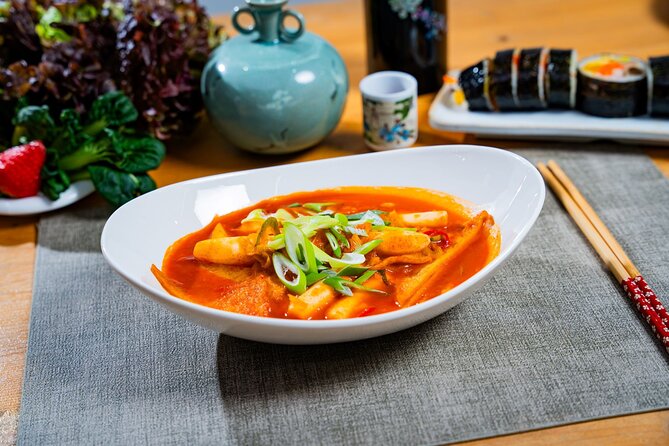
You’ll cook four dishes during the class, and they’re a great mix of Korean comfort food and crowd-pleaser classics.
Gimbap (rice roll)
Expect the satisfying work of assembling and rolling. Even if you’ve never handled rice before, the structure of the class is designed for you to follow along step by step and still feel like you’re making real progress.
Tteokbokki (rice cakes with gochujang sauce)
This is the spicy, sweet-sour heart of many Korean snack tables. Since it’s made with gochujang (red chili paste), you’ll get a clear feel for how Korean flavors balance heat with depth.
Haemulpajeon (seafood green onion pancake)
Pancakes are a classic way to learn timing and texture. You’ll work on the batter and the pan process, and you’ll see how Korean home cooking treats pancakes as both comfort and street-food friendly.
Budaejjigae (Korean army stew)
Army stew is the warm, savory dish that rounds out the meal. It’s the kind of recipe you’ll remember because it’s hearty and different from the lighter dishes, and it gives you a second chance to practice Korean cooking techniques beyond rolling and sauce-making.
A nice bonus is that teaching doesn’t stop at the recipe. In the class, Jennifer shares stories tied to the dishes, and there are lessons on history and language along the way. It’s the sort of context that makes the food feel like culture, not just dinner.
Step-by-Step Teaching From Jennifer and Her Team
The biggest “make or break” factor in any cooking class is whether you feel supported. Here, the teaching is built around guidance while you do the work yourself.
Jennifer is repeatedly described as patient, supportive, and very communicative during the class. People mention she’s chatty in a good way, and that she takes time to assist when something isn’t working. One review even highlighted that you get technique help while still being allowed to succeed (and occasionally stumble) on your own.
Pace matters too. Reviews call out a good cooking rhythm, well-explained recipes, and a teaching setup that helps you keep moving without feeling lost. If you learn best when you can actually touch the ingredients and see the process, this class fits that style well.
You’ll also get digital recipes afterward. That’s huge if you want to recreate your meal at home instead of only remembering the taste.
The Meal Plus Drinks: Tea, Sikhye, Makgeolli, and Dessert
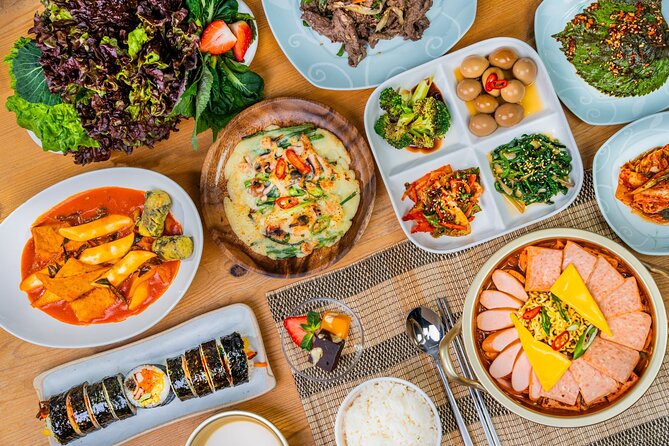
This is not just a “cook and snack” class. You’re served a full-course home meal, along with Korean tea and snacks. The class also includes Sikhye (Korean rice punch), and Makgeolli (Korean rice wine), plus dessert.
What I like about adding drinks and dessert is that it mirrors how Korean meals flow. You cook, you taste what you made, and then you round out the experience like you would at home—rather than treating it as a separate activity.
Portion size is a consistent point. Reviews mention leaving very full, sometimes with food left over that becomes your lunch the next day. That changes the value equation, because you’re not paying only for instruction; you’re paying for a full meal experience.
Alcohol rules (so you know what to expect)
The class notes that alcoholic drinks are only served to people 21+. If you’re under 21, you’ll get non-alcoholic drinks instead. It’s simple, and it means you can plan your night or dinner time without guessing.
Spice, Substitutions, and Dietary Preferences
Korean cooking often involves sauces and spices, so it’s smart to think about how flexible the class is if you have restrictions. The good news: the class can adapt.
In reviews, people mention that dietary restrictions are handled with alternative recipe options. That means you’re less likely to end up with a token plate of plain food, and more likely to be able to participate in a similar cooking process.
My practical advice: if you have any clear restrictions, go in ready to communicate what you need. This class seems set up for adjustments, but like any kitchen situation, the more specific you are about your needs, the better your outcome.
Finding the Teaching Kitchen in Jongno With a Mobile Ticket
You meet at 31-5 Jahamun-ro, Jongno District, Seoul. It’s described as near public transportation, and the class uses a mobile ticket, which is convenient when you’re navigating Seoul on foot and metro.
The experience ends back at the meeting point. That’s helpful if you’re planning the rest of your evening, especially if you don’t want the hassle of finding your way after a meal and a drink.
One review also noted the location is easy to find, which matters because cooking classes are short and you don’t want to lose time searching.
Is $89 Good Value for Seoul? Counting the Food, Instruction, and Recipes
Let’s talk value in a plain way. $89 per person might sound steep if you think you’re only buying “a cooking lesson.” But the structure here supports a different idea: you’re paying for guided hands-on cooking plus a full-course meal that includes tea, snacks, Sikhye, Makgeolli (for 21+), and dessert.
The class lasts about 3 hours, which is a meaningful chunk of time in Seoul. And you’re working on multiple dishes (four separate recipes), not just one or two. Add in the fact that recipes are provided digitally afterward, and it becomes an experience you can replay at home.
Reviews also emphasize organization and cleanliness. That’s not just comfort—it affects learning. When your station is set up well, you spend less time troubleshooting and more time actually cooking.
If you’re trying to choose between a quick food tour and a longer hands-on activity, this is a strong contender because it gives you both: the taste of Korea and the skills to make it again.
Who This Class Is Best For in Seoul (and Who Might Skip It)
This experience is a great fit if you fall into any of these categories:
- You want to cook, not just eat
- You like classic Korean home-style dishes
- You enjoy learning the story behind the food, including history and language
- You’d rather work in a small group than a large crowd
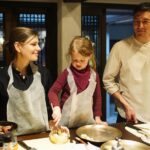
It also works well for families. One family with kids ages 10 and 12 had a positive experience, with the instructor adapting to different skill levels. The key is that the class is interactive and guided, so kids can do meaningful cooking instead of standing by.
If you dislike hands-on cooking—if you want a strictly tasting-focused experience—then you might find this less satisfying. This class is built around participation.
Should You Book This Hansik Cooking Class or Not?
Yes, I’d book it if you want a genuine Seoul food skill, not only a memorable meal. The combination of small group attention, step-by-step teaching, and a menu that teaches you four different styles of Korean cooking (rolling, saucing, pan-frying, and stewing) makes it feel like real progress.
Book it especially if you’re the type of traveler who likes taking something home you can use. Digital recipes plus the ability to make dishes again later is the difference between a fun evening and a food experience that sticks.
One final practical note: the class can include alcohol, but it’s also suitable for under-21 people thanks to non-alcoholic drink options. That makes it a good choice for mixed-age groups.
If your schedule allows, I’d recommend reserving ahead. On average, people book about 34 days in advance, so grabbing your session earlier can give you better options.
FAQ
What dishes will I cook in the class?
You’ll learn to make four classic Korean home-style dishes: gimbap (rice roll), tteokbokki (rice cakes with gochujang sauce), haemulpajeon (seafood green onion pancake), and budaejjigae (army stew).
How long is the cooking class?
The class lasts about 3 hours.
Where do I meet for the class?
The meeting point is 31-5 Jahamun-ro, Jongno District, Seoul, South Korea, and the activity ends back at the same location.
Is there a morning and evening option?
Yes, the class offers convenient morning or evening sessions so you can choose the time that works for your schedule.
How big is the group?
The class has a maximum of 10 travelers.
Are alcoholic drinks included?
Korean tea and snacks, Sikhye, Makgeolli, and desserts are included. Alcoholic drinks are only served to people 21 and above, and minors get non-alcoholic drinks.
Will I get recipes to take home?
Yes. You receive recipes digitally after the class.
Can I cancel for a full refund?
Free cancellation is available. You can cancel up to 24 hours in advance for a full refund, based on local time.
What if the class is canceled due to weather or the minimum number of participants?
If it’s canceled due to poor weather, you’ll be offered a different date or a full refund. If the minimum number of travelers isn’t met, you’ll also be offered a different date or a full refund.