REVIEW · OSAKA
Japanese home cooking class in Osaka Umeda
Book on Viator →Operated by 日本文化体験 桜ん坊 · Bookable on Viator
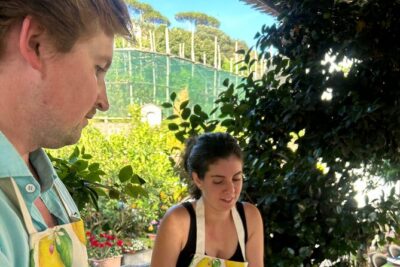
Cook where Osaka moms actually cook. In this private Japanese home cooking class in Umeda, you step into a real Osaka house kitchen to make lunch and learn how everyday Japanese meals get put together.
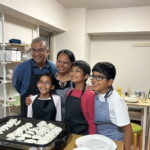
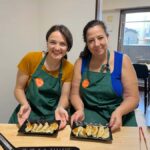
I especially like the home setting—not a studio, not a show kitchen—and the fact that it’s private, so you can work at your pace and ask questions without feeling rushed. Hisako and Naoko guide the cooking, and they also share practical tips that go beyond recipes.
One consideration: it’s only about 2 hours, so it’s more about learning key techniques and building confidence than making a slow, multi-course cooking marathon. Also, private transportation isn’t included, so you’ll need to handle getting there on your own.
In This Review
- Key things to know before you go
- Why an Osaka Home Kitchen Teaches You More Than Restaurants
- Your Dish Choice: From Bento and Takoyaki to Everyday Favorites
- The Lesson Flow: What Happens in Those 2 Hours
- Japanese Supermarket Tips You’ll Actually Use Back Home
- Working With Hisako and Naoko: Teaching That Feels Step-by-Step
- Lunch and Tea: The Part That Makes It Stick
- Price and Value for a Private Class at $59.12
- Who This Class Fits Best (And Who Might Skip It)
- Practical Tips for Getting the Most From Your Session
- Should You Book This Osaka Umeda Cooking Class?
- FAQ
- How long is the Japanese home cooking class?
- What’s included in the price?
- Is this class private?
- What time does the experience start?
- Where does the class take place?
- What should I know about transportation?
- Can I cancel for a refund?
Key things to know before you go
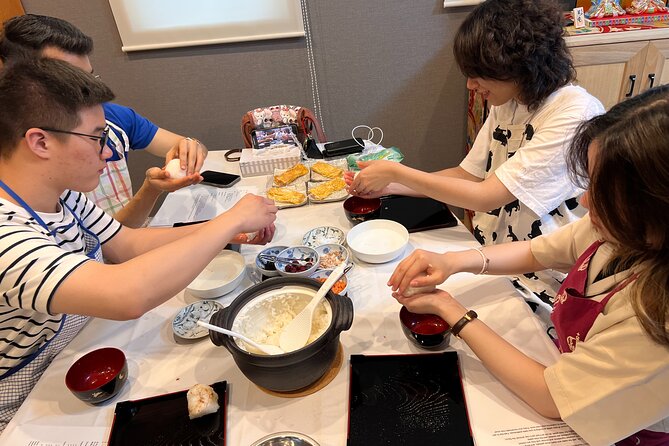
- Cook inside a real Osaka home with a local host
- Private pace and coaching, with hands-on feedback
- Menu choice like bento and takoyaki (plus other home favorites you might make)
- Supermarket shopping tips for the ingredients that matter
- Lunch and Japanese tea as part of the meal
- Recipe handouts so you can recreate the dishes later
Why an Osaka Home Kitchen Teaches You More Than Restaurants
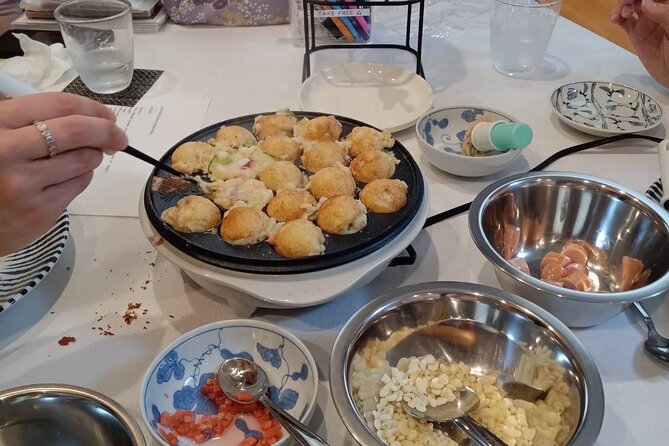
Osaka is famous for food, but restaurant meals are built to impress in limited time. A home meal is different. You learn what gets seasoned for comfort, what gets cooked in stages, and how small ingredient choices change the final taste.
That’s the big reason I love this kind of class. You aren’t just copying instructions. You’re seeing how Japanese home cooking is organized: prep first, heat control next, and then the timing that makes the food land warm and right for eating. Since you’re in a real kitchen and dining room, the meal feels grounded and normal, like something you could make after a weekday shopping trip.
It’s also private. That matters more than it sounds. If you’re slow chopping or you want clarification on why a sauce works, you get that attention. If you’re already comfortable in the kitchen, you can keep moving and ask deeper questions. Either way, you’re not watching a single demonstration and hoping you remember.
You can also read our reviews of more tours and experiences in Osaka.
Your Dish Choice: From Bento and Takoyaki to Everyday Favorites
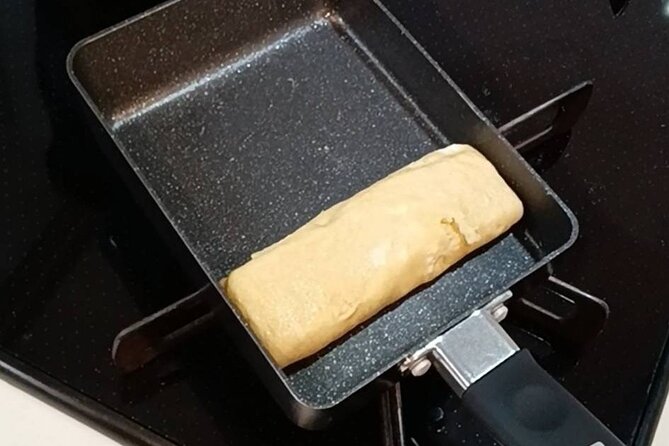
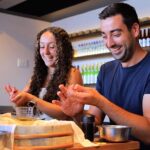
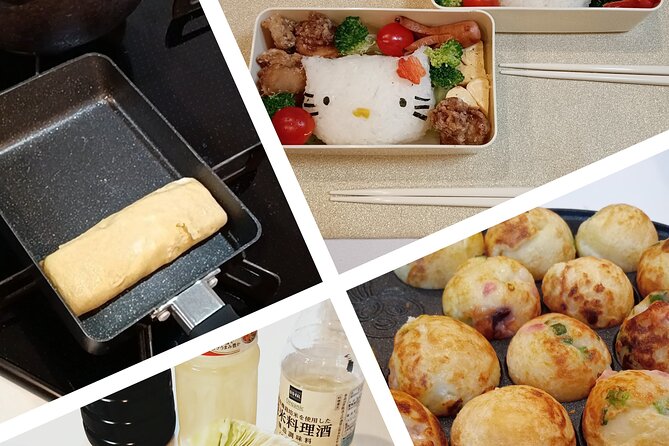
One of the smartest parts of this experience is that you get to choose from a menu of local specialties. Options mentioned include bento and takoyaki, which are both approachable and very “Japan,” but they also teach different skills.
Bento is great because it teaches you how to think in sections. You’re learning how to plan flavors and textures so everything works together on the plate. Takoyaki is a fun target because it forces you to manage heat and timing while keeping the batter consistent.
From the teaching style and what past sessions describe, you might also see other common Japanese home foods like udon, onigiri, and tempura. The key takeaway for you is not just what you eat, but what each dish teaches:
- noodle and sauce balance for udon
- shaping and filling logic for onigiri
- frying technique and crispness control for tempura
- assembling and portioning for bento
That mix gives you real skills you can reuse. One dish might boost your confidence with cutting and seasoning. Another might teach you something you always mess up in real life—like frying temperature or getting the final texture right.
The Lesson Flow: What Happens in Those 2 Hours
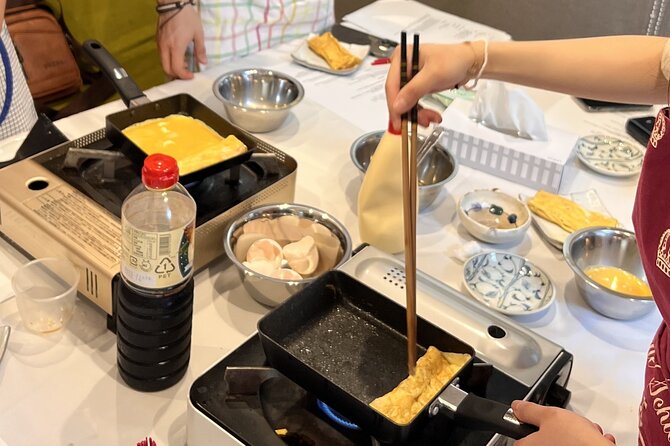
This class is designed to fit into a focused window—about 2 hours—and the rhythm is practical. You’ll start in the home kitchen area, then move through cooking steps with guidance while you build the meal you chose.
Typically, you’ll spend time on:
- prepping ingredients (cutting, measuring, portioning)
- cooking in small stages (so you don’t get lost)
- assembling the finished dishes
- eating together in the dining area
Because it’s private, the pace can flex. If you want to slow down and learn, you can. If you want to move faster because you’re comfortable, you can. Either way, you’ll get feedback while you cook, not just after the fact.
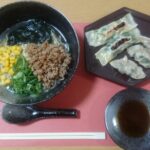
At the end, you’ll eat lunch, sip Japanese tea, and compare what you made with what you’ve eaten at restaurants. That comparison is where the class becomes especially useful. You start noticing things like how home versions can feel less “loud” but more balanced, and how seasoning and texture are handled differently for everyday comfort.
Japanese Supermarket Tips You’ll Actually Use Back Home
A big part of the value here is the shopping advice—specifically, how to shop at Japanese supermarkets and which ingredients are worth buying (and which substitutes can work).
This isn’t theory. You’ll likely talk through what to look for in the ingredients tied to your chosen dish. That matters because Japanese recipes often assume you know the product basics: what a label means, how a sauce behaves, or why one ingredient makes the difference.
If you cook at home already, you’ll appreciate how this saves time. Instead of buying ten items “just in case,” you get direction on what’s essential. If you don’t cook much, it still helps because it turns Japanese cooking from mystery into a short shopping list you can manage without stress.
Think of it as ingredient literacy. Once you understand what matters, Japanese recipes stop feeling intimidating. You can follow them more confidently, and you waste less money on trial-and-error.
Working With Hisako and Naoko: Teaching That Feels Step-by-Step
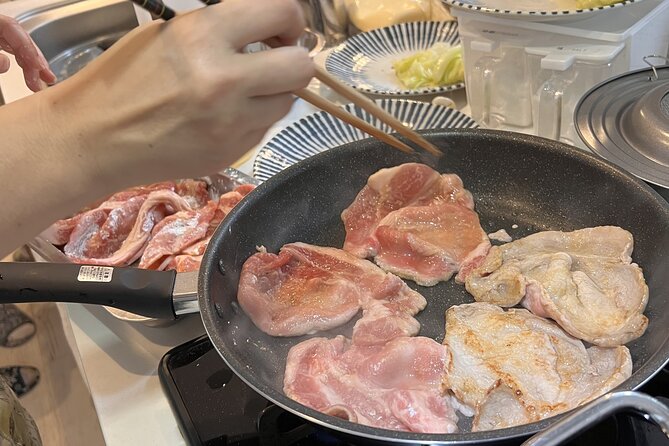
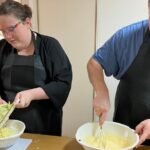
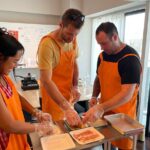
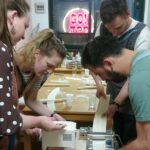
The tone in this class is warm and hands-on. You’re cooking with the host in a real home setting, and the teaching style is designed to keep things simple and doable.
Hisako and Naoko are repeatedly described as kind, welcoming, patient, and good at breaking cooking into easy steps. That’s important because good cooking teachers don’t just show what to do—they explain what you’re doing and why it works.
Two details I’d pay attention to for your own comfort:
- They provide printed recipes and instructions for you to take home. That turns the class into something you can use again, not just a one-day memory.
- They also share recommendations for things to do around Osaka. Cooking lessons can easily become tourist-y, but here the help feels practical and personal.
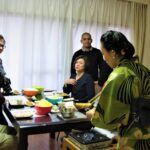
One more nice touch from past participants: some sessions include extra cultural moments like a small tea ceremony segment, and in at least one case, there was a chance to try traditional kimonos. Don’t count on every add-on, but the overall vibe is: you’re not just eating, you’re learning how these meals sit inside daily Japanese culture.

Lunch and Tea: The Part That Makes It Stick
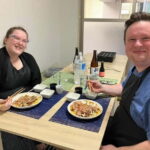
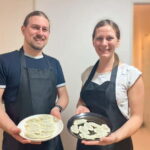
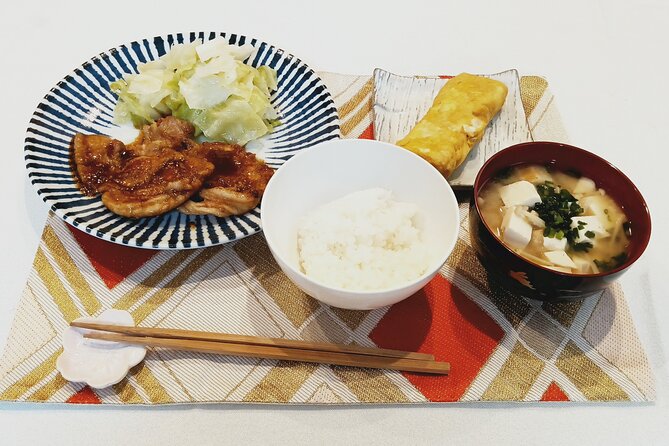
Eating is not an afterthought here. Lunch is built into the experience, and you’re encouraged to sit down and enjoy what you made.
That matters because it helps you calibrate your cooking. You can taste the dish with your own hands still in mind: how the seasoning landed, what the texture should feel like, and what the dish is supposed to communicate.
Sipping Japanese tea alongside the meal also helps you understand pacing. In Japan, tea isn’t only a drink—it’s part of the social rhythm, a simple reset between tasks. It makes the class feel more like a shared home experience and less like a workshop.
And when you compare your home-cooked version to restaurant food, you usually notice a pattern: at home, flavors are often built for comfort and balance rather than spectacle. Once you catch that, recreating dishes becomes easier, because you know what you’re aiming for.
Price and Value for a Private Class at $59.12
At $59.12 per person for about 2 hours, you’re paying for more than ingredients. You’re paying for access to a real Osaka home setup, personalized instruction, and the time of your hosts.
Here’s how I think about value:
- You get lunch included, which reduces the “cost per meal” pain.
- You get recipe handouts and practical shopping guidance, which can turn the class into multiple meals later.
- Because it’s private, you get more direct help than you would in a larger group class.
The time limit is both a pro and a con. It’s efficient, and you’ll leave with confidence and a finished meal. But if you want a long cooking session with lots of extras, this is more like a well-designed “skills lesson” than a full day event.
One more cost consideration: private transportation isn’t included. If you’re staying far from the meeting area, factor in transit time and whatever fare you’ll need to get there.
Still, for what you actually take home—food, technique, and a usable recipe—you’re getting strong value.
Who This Class Fits Best (And Who Might Skip It)
This experience is a great fit if you:
- want hands-on cooking, not just watching
- like the idea of learning how Japanese food is made in real homes
- enjoy eating what you cook
- want supermarket tips you can apply immediately at home
- prefer a smaller, private setting where you can ask questions
It’s also a good choice for couples and small groups because the class can be paced around your comfort level.
Who might consider skipping it? If you’re the type who wants a full “food tour” of multiple stops and long wandering time, this won’t be that. You’re focused on cooking and lunch in one setting, so you won’t get a wide, day-long itinerary of Osaka neighborhoods.
Also, if you’re uncomfortable in a kitchen setting even for short lessons, you might want to choose something more observational. But since the instruction is step-by-step, you may still find it manageable.
Practical Tips for Getting the Most From Your Session
You’ll get more out of this class if you go in ready to learn the “why,” not just the “how.”
A few smart moves:
- Pick a dish you genuinely want to eat. You’ll remember it better when you taste the result.
- Ask about ingredients as you cook. The supermarket tips become far more useful when you connect them directly to your dish.
- Treat the tea and lunch as part of the lesson. Taste and ask questions while it’s fresh.
- Plan to use the printed recipes afterward. Reading them at home turns the session into repeatable meals.
Also, you’ll want to schedule your Osaka time thoughtfully. Starting at 10:00 am means you’ll likely still have a good chunk of your day afterward for other sights.
Should You Book This Osaka Umeda Cooking Class?
If you want a genuinely human experience—cooking in a real home with Hisako and Naoko, eating what you make, and leaving with recipes plus ingredient shopping guidance—I’d book it.
I’d especially recommend it when you care about practical skills: how to choose ingredients, how to manage basic techniques, and how Japanese home cooking differs from what you get at restaurants. That combination is exactly what makes this feel like more than a meal and more than a souvenir.
If your main goal is high-energy sightseeing or a long, multi-stop food adventure, this may feel too focused. But if you want to learn something you can repeat, this is one of the most useful ways to spend a couple of hours in Osaka.
FAQ
How long is the Japanese home cooking class?
It runs for about 2 hours.
What’s included in the price?
Lunch is included, and you’ll also have water and Japanese tea with the meal.
Is this class private?
Yes. It’s a private activity, so only your group participates.
What time does the experience start?
The start time is 10:00 am.
Where does the class take place?
It starts at 1-chōme-4-1 Tamagawa, Fukushima Ward, Osaka, 553-0004, Japan, and it ends back at the meeting point.
What should I know about transportation?
Private transportation is not included. The meeting area is near public transportation.
Can I cancel for a refund?
Yes. There is free cancellation, and you can cancel up to 24 hours in advance for a full refund.