REVIEW · TOKYO
Private Gluten-Free Japanese Cooking Class in Tokyo Japan
Book on Viator →Operated by Morimi's Home Kitchen · Bookable on Viator
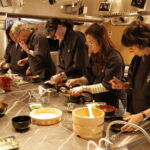
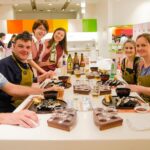
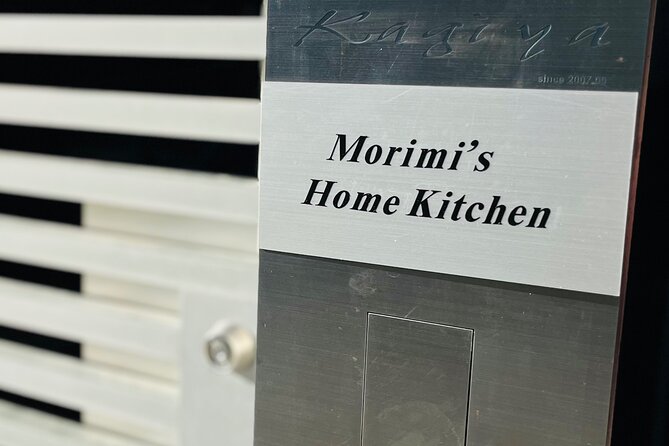
Gluten-free cooking in Tokyo can actually feel easy. In Morimi-san’s Home Kitchen, you learn to turn classic Japanese dishes into gluten-free meals by checking labels, spotting gluten traps in common seasonings, and cooking as you go. I really like the focus on practical ingredient-label checking and the hands-on way you make real dishes, not just theory. One thing to consider: the class is tied to the course you choose, so you may not cook every dish on the menu.
This private 3-hour class (11:00 am start) is designed for your group only, and it includes lunch. I also like that pickup is offered and the meeting spot is easy to reach near Meidaimae Station, then it ends back where you started. If you’re hoping for a huge show or lots of wandering around town, this is a get-in, cook, eat, and learn setup.
In This Review
- Key things that make this class work
- Setagaya Home Kitchen: timing, meeting point, and how long it really takes
- Gluten-free Japanese cooking starts with what’s in the pantry
- Choosing your course: Basic, Tofu, or Sushi sets
- Basic-course: comfort foods with familiar shapes
- Tofu-course: go deeper into tofu’s many roles
- Sushi-course: temari and pressed sushi
- What you learn while you cook: from onigiri to miso soup
- Seasonal Japanese sweets you can add at the end
- Value and pricing: what $84.54 buys you in Tokyo terms
- Who should book this gluten-free Japanese cooking class
- Quick tips to get the most out of the class
- Should you book Morimi’s Home Kitchen class?
- FAQ
- FAQ
- Where does the class meet, and when does it start?
- How long is the private gluten-free Japanese cooking class?
- What does the price include?
- Does the class offer pickup?
- Is this a private experience?
- What are the three gluten-free course options?
- Can I add gluten-free Japanese sweets?
- Will I get recipes to take home?
- Where does the class end?
- What is the cancellation policy?
Key things that make this class work
- Label coaching for Japanese staples so you know what to check in soy sauce, miso, mirin, and other common ingredients
- Three complete gluten-free courses (Basic, Tofu, Sushi) built around rice and tofu-centered cooking
- You cook and taste together, with lunch included in the session
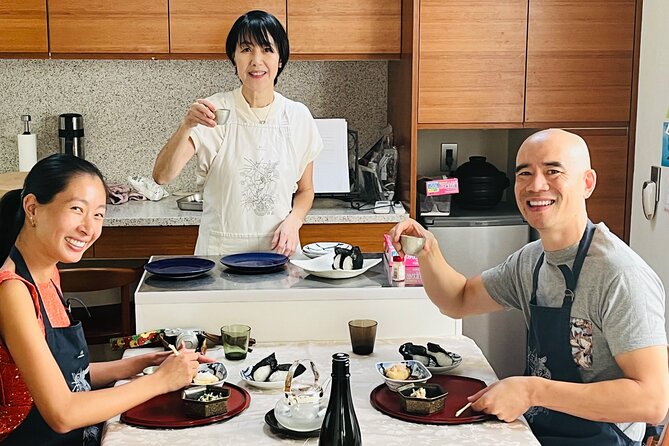
- A real home-kitchen feel with a warm host, Morimi-san, and clear guidance in English
- Seasonal gluten-free sweets you can add if you want a sweet finish
- Take-home recipes so you can recreate dishes at home, not just eat them in Tokyo
Setagaya Home Kitchen: timing, meeting point, and how long it really takes
The class is in Tokyo, with the meeting point at Meidaimae Station (2 Chome-45 Matsubara, Setagaya City, Tokyo 156-0043). It starts at 11:00 am and runs for about 3 hours, finishing back at the meeting point. That matters because you can plan the rest of your day without guessing how long you’ll be stuck in transit.
You’ll have a private group experience, so you’re not competing for attention or stuck watching someone else cook. Pickup is offered, but private transportation is not included, so it’s worth confirming what pickup means for your exact route when you book. You’ll also use a mobile ticket, and you’ll get confirmation within 48 hours of booking (depending on availability).
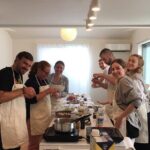
The vibe is home-kitchen friendly. Reviews you’ll see for this class tend to mention Morimi-san’s kindness and clear teaching, and that matches the way this kind of class needs to work: less performance, more instruction, more practical help when questions pop up.
You can also read our reviews of more tours and experiences in Tokyo.

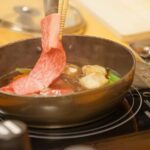
Gluten-free Japanese cooking starts with what’s in the pantry
Japanese food often looks automatically gluten-free at first glance. Rice-based meals, tofu dishes, and seafood-heavy plates can be a great match. But Japanese cuisine also relies on seasonings and processed items where wheat can sneak in.
This is the core of what you’ll learn: how to check ingredient labels and how to spot wheat-derived ingredients hidden in places like:
- seasonings such as soy sauce, miso, and mirin
- coatings and fried items like tempura and other fried foods
- processed foods like fish cakes and noodles
I like how the class doesn’t treat gluten-free cooking as “avoid everything.” Instead, you learn how to keep the Japanese flavors while making smarter ingredient choices. The goal is not just to make one safe meal. It’s to help you understand the system so you can build your own gluten-free menu afterward.
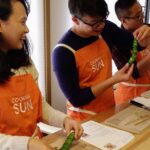
So what does that look like in real life? You’ll spend time learning how traditional Japanese ingredients can fit into gluten-free menus, then you’ll cook your course dishes yourself. If you’ve ever felt that “gluten-free” in Japan is a guessing game, this approach is the antidote: read, verify, and cook with confidence.
Choosing your course: Basic, Tofu, or Sushi sets
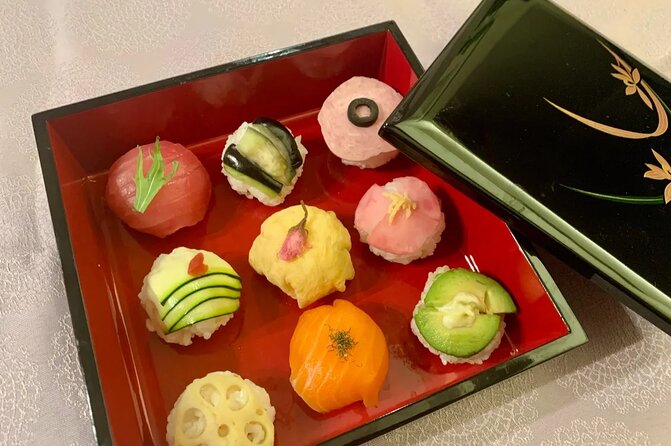
You get to pick from three gluten-free courses, each one built like a mini menu. The course choice also changes what you’ll cook, so think of it as choosing your Japanese “meal track” for the day.
Basic-course: comfort foods with familiar shapes
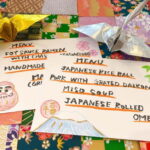
This set is built for classic Japanese variety. You’ll make:
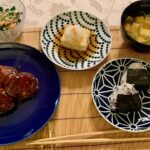
- Onigiri (rice balls)
- Chicken karaage (Japanese fried chicken)
- Dashimaki tamago (Japanese rolled omelet)
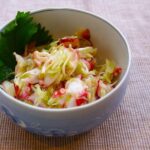
- Shiraae (tofu and vegetable salad)
- Kinpira (stir-fried potatoes and carrots)
- Miso-soup
Why this course is valuable: it’s a mix of rice, savory sides, and a soup. You’re learning multiple techniques—rolling, shaping, pan cooking, and building a meal that feels complete even without wheat-heavy “default” ingredients.
One caution: fried foods are where gluten can hide, so the label-checking lesson matters most here. Expect to learn how to handle that portion thoughtfully rather than treating “karaage” as automatically safe.
Tofu-course: go deeper into tofu’s many roles
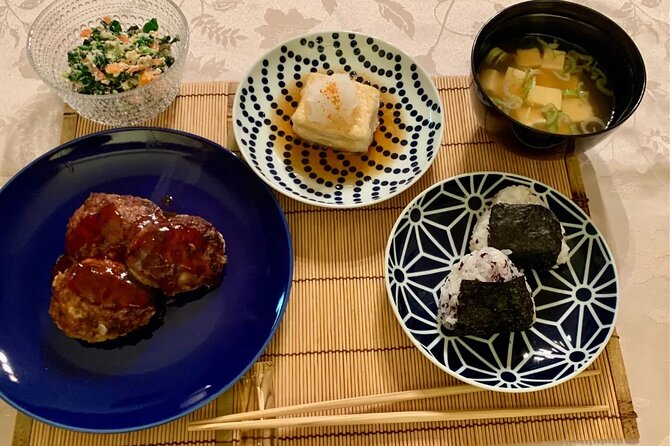
If you like the idea of tofu doing the heavy lifting, this course is for you. You’ll make:
- Onigiri (rice balls)
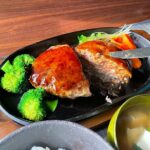
- Tofu hamburger steak
- Shiraae (tofu and vegetable salad)
- Agedashi tofu (deep-fried tofu in broth)
- Tofu miso soup or clear soup
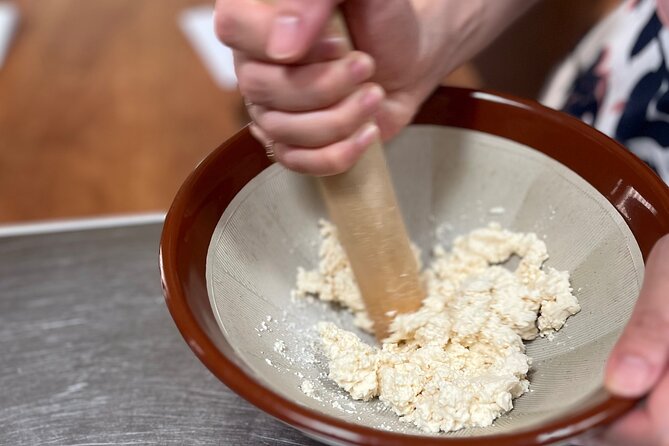
- Oboro-tofu (freshly made soft tofu)
This is a great course if you want practical skills you can reuse back home. Tofu hamburger steak and agedashi tofu are not hard in concept, but they teach the “how” of texture and sauce balance. And oboro-tofu is a very hands-on way to learn how tofu can become something spreadable and savory.
Again, any fried element means the label lesson stays front and center. If you’re cooking for a gluten allergy or celiac-level caution, this course gives you a lot of structured practice in what to check.


Sushi-course: temari and pressed sushi
This one is smaller in variety but big on presentation. You’ll make:
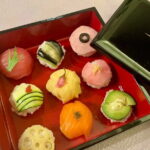
- 6 pieces of temari (ball) sushi
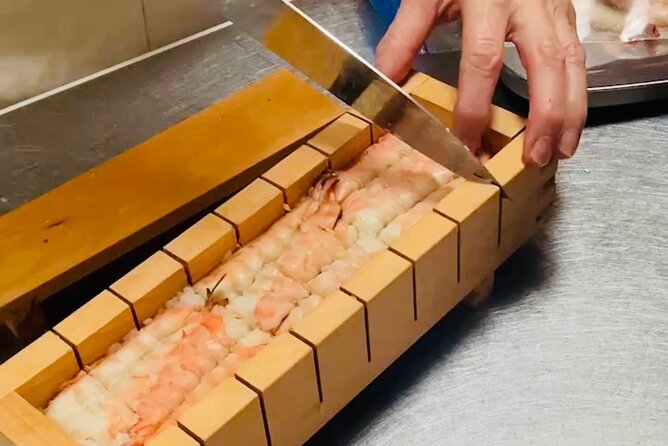
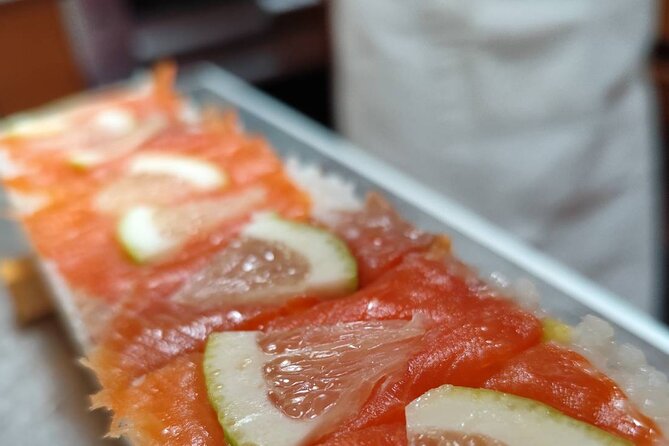
- oshi (pressed) sushi
- Tofu miso soup or clear soup
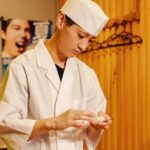
I like sushi courses like this because they force you to understand the basics: rice preparation, shaping, and building flavor without relying on wheat-heavy “shortcuts.” Plus, you get to leave with a skill that feels very Tokyo, but also very doable at home.
If you’re the type who wants the most “wow factor” on the table with the least stress, sushi-course often hits that sweet spot.
What you learn while you cook: from onigiri to miso soup
This class is built around real dishes, so every step teaches something usable.
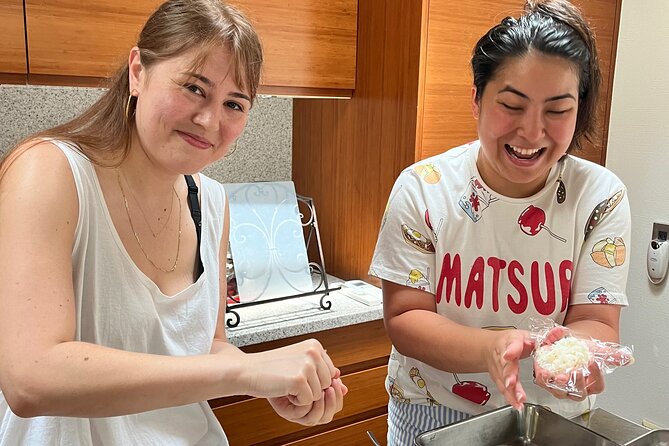
Onigiri teaches portion control and shaping. It’s also a gateway dish for gluten-free Japanese cooking because the core is rice—then the details come down to what you mix in and how you season it. The instructor’s label-checking approach helps you avoid the common trap of assuming all fillings and seasonings are safe.
Dashimaki tamago and the soup courses teach gentle, controlled cooking. Rolled omelet is technique-heavy but not complicated. The big lesson is timing and texture, plus how Japanese flavor comes from broth and seasoning choices.
Shiraae (tofu and vegetable salad) is a comfort dish that helps you see how Japanese-style dressings work. The lesson here isn’t just taste. It’s learning what goes into that sauce and how to make it gluten-free.
Kinpira (potatoes and carrots) is practical home cooking. Stir-fried dishes are forgiving, but gluten can hide in packaged seasonings. This is where you learn how to keep the flavor profile while staying strict.
For the Tofu-course, agedashi tofu adds an extra layer: broth. Broth sounds simple, but it’s exactly where seasonings matter. You’ll learn how to think about the whole flavor system, not just one ingredient.
And for the Sushi-course, temari sushi and oshi sushi focus on shaping. That’s a real-world skill you can use for lunches, picnics, and “I want something Japanese but not takeout” days.
Seasonal Japanese sweets you can add at the end
If you want a sweet finish, there are optional gluten-free Japanese sweets, chosen by season:
- Spring: strawberry daifuku (mochi with sweet red bean paste and strawberry)
- Summer: chilled sweet red bean soup with shiratama dumplings
- Autumn: chestnut yokan (sweet bean jelly)
- Winter: shiratama zenzai (sweet red bean soup with rice flour dumplings)
What I like about offering sweets this way: it makes the lesson feel complete. Japanese meals often end sweet, and these desserts are a nice reminder that gluten-free doesn’t mean dessert disappears. If you’re choosing your course mainly for the savory dishes, the sweets let you round things out without adding extra chaos.
The sweets are optional, so if you want to keep things savory-focused, you can skip them.
Value and pricing: what $84.54 buys you in Tokyo terms
At $84.54 per person, you’re paying for more than just food. You’re paying for instruction and meal planning skills you can reuse. This matters in Japan because Japanese cooking relies on ingredients that vary by brand, and sauces can be tricky.
Here’s what you actually get for the price:
- a private 3-hour class for your group
- lunch included
- hands-on cooking for a full gluten-free menu
- take-home recipes (you’ll have them to recreate dishes later)
- a host who teaches label-checking and gluten-free substitution logic
Also, this class is often booked about 70 days in advance on average, which is a quiet sign of demand. If you’re traveling at peak times, waiting can cost you.
Could you cook gluten-free Japanese food at home cheaper? Yes, once you’ve learned what to buy. But the class saves you time and trial-and-error. Instead of playing ingredient roulette in a new pantry, you learn how to pick safer ingredients and cook with them.
If you’re on a tight budget, $84.54 can still feel high. But if your goal is competence—knowing what to look for and how to cook actual Japanese dishes—this is the kind of value that adds up over multiple meals.
Who should book this gluten-free Japanese cooking class
This class is a strong match if:
- you have a gluten allergy or you cook gluten-free for someone who does
- you want to understand Japanese gluten pitfalls like soy sauce, miso, mirin, and processed items
- you like hands-on lessons more than food tours that just point and explain
- you want recipes you can use after your trip, not just photos of dinner
It’s also a good fit for people who don’t cook much. The structure is practical, and Morimi-san’s teaching style is built around making you capable—not leaving you with “hope you remember.”
One consideration: because this is a private class, you won’t be seeing a lot of Tokyo sights between stops. It’s a cooking day. If you want a city tour, pair it with something else.
Quick tips to get the most out of the class
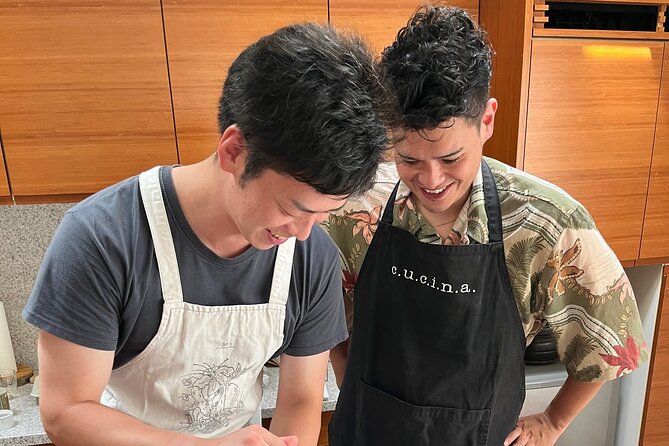
You’ll get more out of it if you show up ready to ask questions. Consider bringing:
- the kind of gluten-free requirements you follow (especially if it’s not just preference)
- a willingness to learn label reading as a skill, not a one-time check
- curiosity about tofu-based Japanese dishes and rice-shaped comfort food
Also, if you’re planning to shop after the class, pay attention to what ingredients you’ll need for your chosen course. The take-home recipes can help you translate learning into action fast.
Should you book Morimi’s Home Kitchen class?
I’d book this class if you want a real, usable answer to the big question: how do you eat Japanese food safely and still enjoy it? The combination of label-checking instruction, full-course cooking (Basic, Tofu, or Sushi), and lunch makes it feel like training, not just a meal.
Skip it only if you want a sightseeing-heavy day or you’re looking for a broad “everything Japanese” cooking sampler. This class is focused. That focus is the point—and it’s why it’s such a good value.
FAQ
FAQ
Where does the class meet, and when does it start?
It meets at Meidaimae Station (2 Chome-45 Matsubara, Setagaya City, Tokyo 156-0043, Japan) and starts at 11:00 am.
How long is the private gluten-free Japanese cooking class?
The class runs for about 3 hours.
What does the price include?
The price includes lunch.
Does the class offer pickup?
Yes, pickup is offered. Private transportation is listed as not included, so it’s best to confirm how pickup works for your group when you book.
Is this a private experience?
Yes. It’s a private tour/activity, meaning only your group participates.
What are the three gluten-free course options?
You can choose from:
- Basic-course (onigiri, chicken karaage, dashimaki tamago, shiraae, kinpira, miso-soup)
- Tofu-course (onigiri, tofu hamburger steak, shiraae, agedashi tofu, tofu miso soup or clear soup, oboro-tofu)
- Sushi-course (6 pieces of temari sushi, oshi sushi, tofu miso soup or clear soup)
Can I add gluten-free Japanese sweets?
Yes. Optional sweets are available based on the season: strawberry daifuku (spring), chilled sweet red bean soup with shiratama (summer), chestnut yokan (autumn), or shiratama zenzai (winter).
Will I get recipes to take home?
The experience includes learning and taking home recipes, and this is specifically mentioned as part of what participants receive.
Where does the class end?
It ends back at the meeting point.
What is the cancellation policy?
It offers free cancellation. You can cancel up to 24 hours in advance for a full refund.