REVIEW · OSAKA
Osaka: Gluten-Free Ramen and Gyoza Cooking Class
Book on GetYourGuide →Operated by yuki Japanese cooking class · Bookable on GetYourGuide
Gluten-free ramen, done for real. In Osaka, Yuki teaches you rice-flour noodles and gyoza wrappers from scratch inside her quiet home, with a meal you make end-to-end.
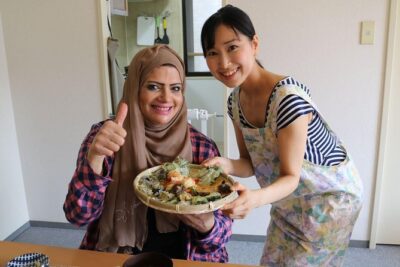
I love the small group setup capped at four, because you get real attention while you cook. I also love learning two styles of ramen and the full handmade gyoza process, so you’re not just watching someone else work.
One consideration: this is hands-on for the full 3 hours, with rolling and pan-frying, so come ready to get a little messy and a little tired—in a good way.
In This Review
- Key things you’ll do (and care about)
- Gluten-free ramen that still feels like ramen
- A calm 3-hour flow inside Yuki’s Osaka home
- Ramen noodles from rice flour: the chewy-texture challenge
- Soy sauce ramen and the tomato twist you can actually copy
- Gyoza wrappers, folding, and pan-fried crunch
- Sake pairing and the meal where it all comes together
- What makes Yuki’s teaching style work
- Getting to 4-19 Nukata-cho (and what to wear)
- Price and value: what $103 buys you here
- Who should book this Osaka class (and who should skip it)
- Should you book this gluten-free ramen and gyoza class?
- FAQ
- How long is the cooking class?
- What is included in the price?
- Is the class taught in English?
- How many people are in the group?
- What should I bring or wear?
- Is transportation to the venue included?
Key things you’ll do (and care about)
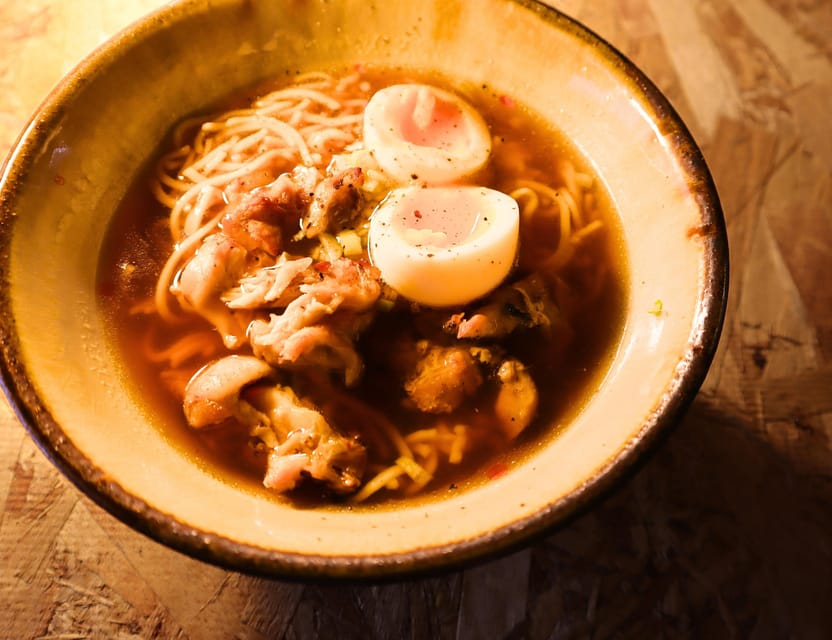
- Rice-flour ramen noodles built from scratch to chase a chewy texture without gluten
- Soy sauce ramen + tomato ramen taught as two distinct flavor paths
- Gluten-free gyoza wrappers made from rice flour, not store-bought
- Folding practice that aims for dumplings that look good and cook evenly
- Pan-frying for crunch so you get crispy outside, tender inside
- Optional sake pairing with Junmai and Junmai Ginjo, served chilled and warm
Gluten-free ramen that still feels like ramen
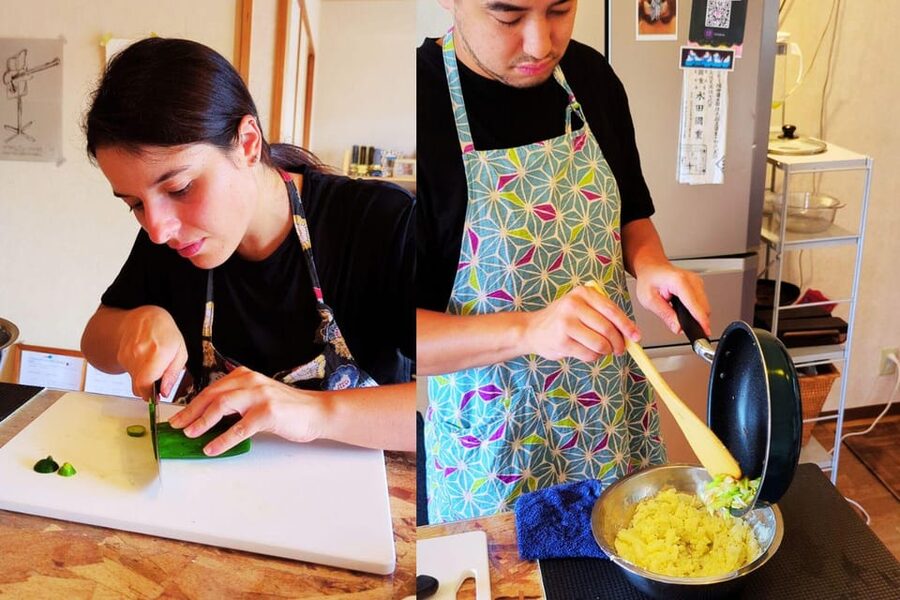
This class is built for one goal: you make gluten-free Japanese comfort food that tastes like it belongs on an Osaka plate. Instead of trying to swap ingredients at the last minute, you start from the ground up with rice flour noodles and rice-flour gyoza wrappers.
What makes it feel special is the combination of classics and smart variety. You’ll learn soy sauce ramen the traditional way, then a tomato ramen variation that’s tangy and a bit modern. You end the class with gyoza dumplings pan-fried to crisp, which is where a lot of gluten-free cooking usually falls short—unless you know the technique.
You can also read our reviews of more tours and experiences in Osaka.
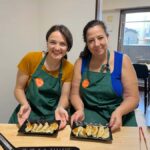
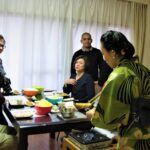
A calm 3-hour flow inside Yuki’s Osaka home
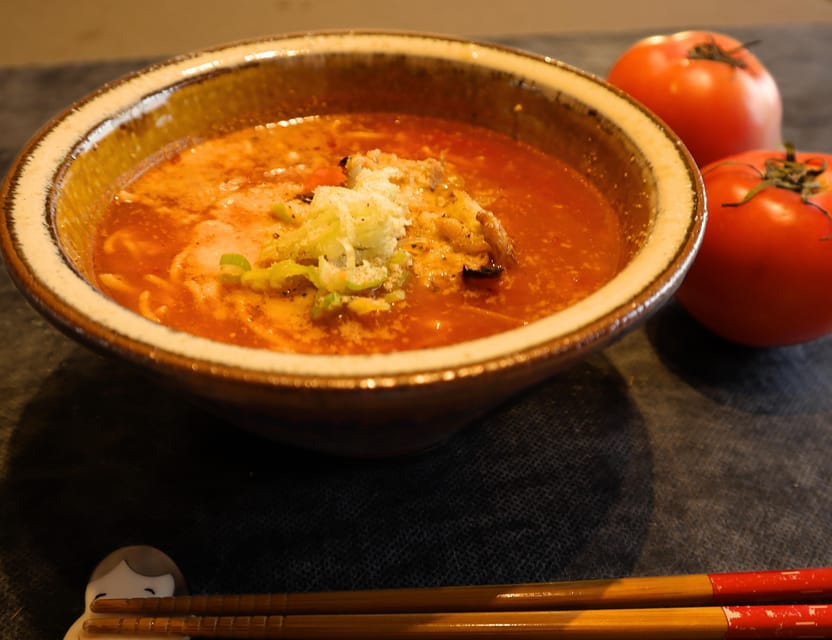
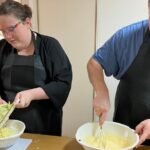
The whole experience runs about 3 hours, and it moves like a good kitchen shift: prep, hands-on work, then cooking, then eating. You’ll start with a warm welcome and a rundown of the ingredients and tools, plus practical tips on Japanese cooking methods.
Then you’ll go to the ramen step first. You make gluten-free ramen noodles, then work on the soy sauce-based broth. After that, you switch gears into tomato ramen, which gives you a chance to understand how Japanese flavors shift when the base changes.
Next comes gyoza. You’ll make wrappers from rice flour, create a savory filling, fold the dumplings, and pan-fry them. Finally, you sit down for the meal in a cozy dining area while you get guidance on flavors—and if you choose it, you’ll taste the sake pairing with the food you just made.
Ramen noodles from rice flour: the chewy-texture challenge
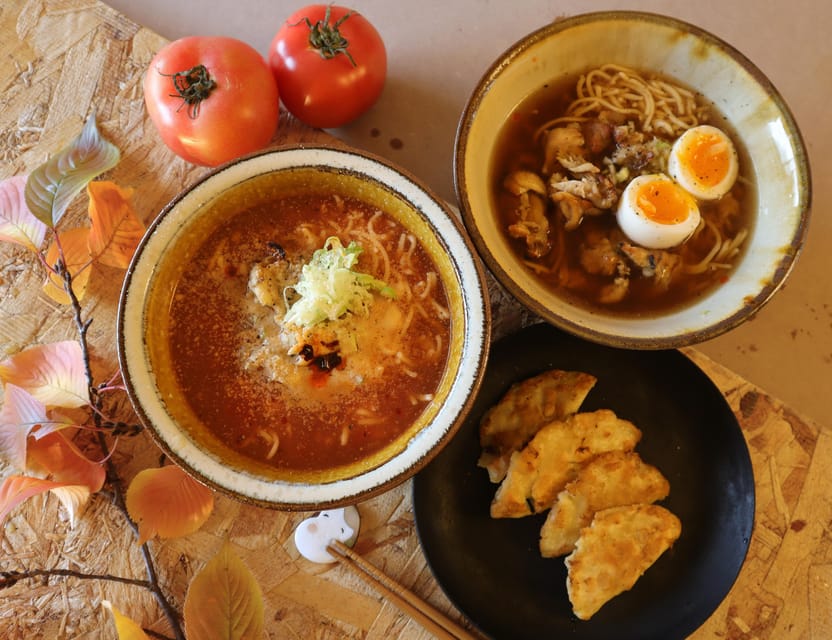
Ramen lives and dies by the noodle texture. Here, the class focuses on what you actually need to do when there’s no wheat flour to help you out. You’ll learn step-by-step techniques for making noodles with rice flour, with the key target being that chewy feel you want in ramen.
This is also where the class is most “skill-building” and less “recipe dumping.” You’re not just given a list and sent away. You’re coached through the process, which matters because rice-flour dough behaves differently than wheat dough.
One more practical benefit: you’ll leave with recipes and tips, so you can repeat the texture at home. The goal isn’t perfection in one try—it’s understanding the method well enough that your next attempt improves fast.
Soy sauce ramen and the tomato twist you can actually copy
You’ll make a soy sauce ramen that’s rich and savory, using a soy-based broth designed to pair with your handmade noodles. This part teaches you the logic of Japanese flavoring: how to build depth and balance so the broth doesn’t taste flat once it meets your gluten-free noodles.
Then you’ll make tomato ramen, which is a refreshing tangy variation. The class treats it like a real Japanese-style adaptation, not a random experiment. That matters for value: you learn a second approach you can recreate, instead of just getting a one-bowl cooking win.
If you care about eating well after the class, this two-ramen setup is a big deal. It trains your palate to recognize how the same noodle can feel completely different with a new base—and that makes future ramen experiments less guessy.
Gyoza wrappers, folding, and pan-fried crunch
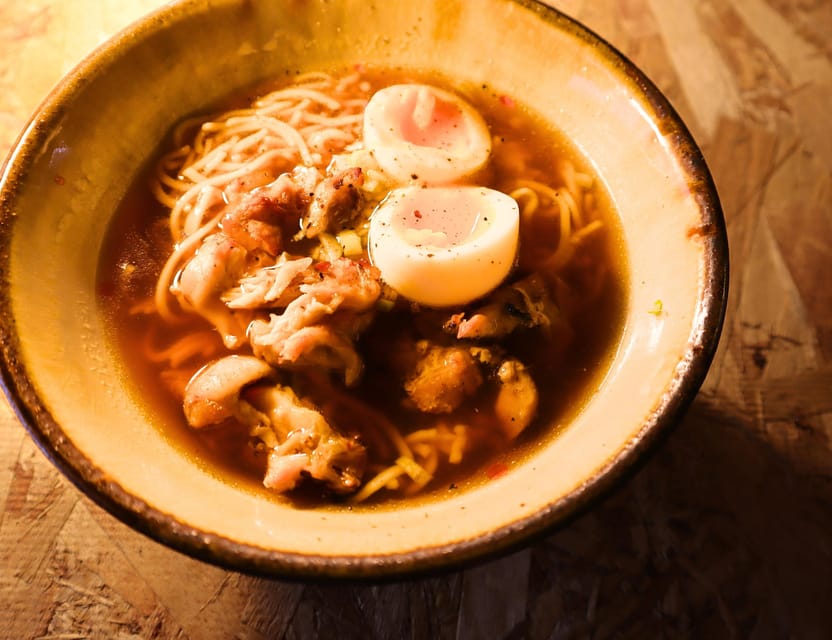
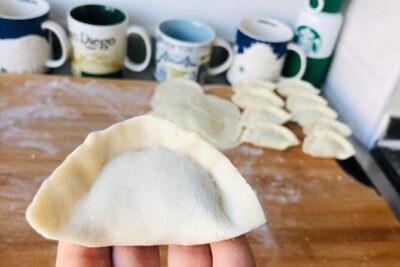
Gyoza is the part that turns cooking knowledge into something you can impress people with. First, you’ll craft gluten-free gyoza wrappers from rice flour, which is satisfying and practical—especially if you’ve ever tried to fake dumplings with the wrong texture.
Then you move into the filling and folding. You’ll learn how to make a savory filling, and you’ll practice folding the dumplings into a shape that holds together while cooking. The folding step isn’t just about looks; it affects how the wrapper cooks and how the filling stays inside.
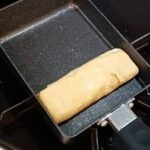
Finally, you pan-fry the gyoza until they’re golden and crisp. This is the technique that makes or breaks the “crispy outside, tender inside” goal. You get to see what works while you’re actively cooking, so you can adjust in real time instead of learning only through trial and error later.


Sake pairing and the meal where it all comes together
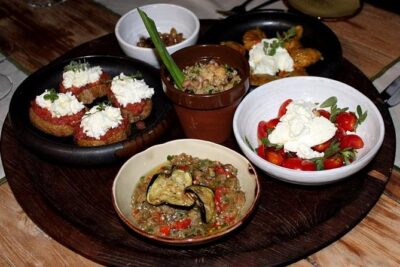
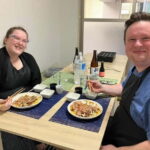
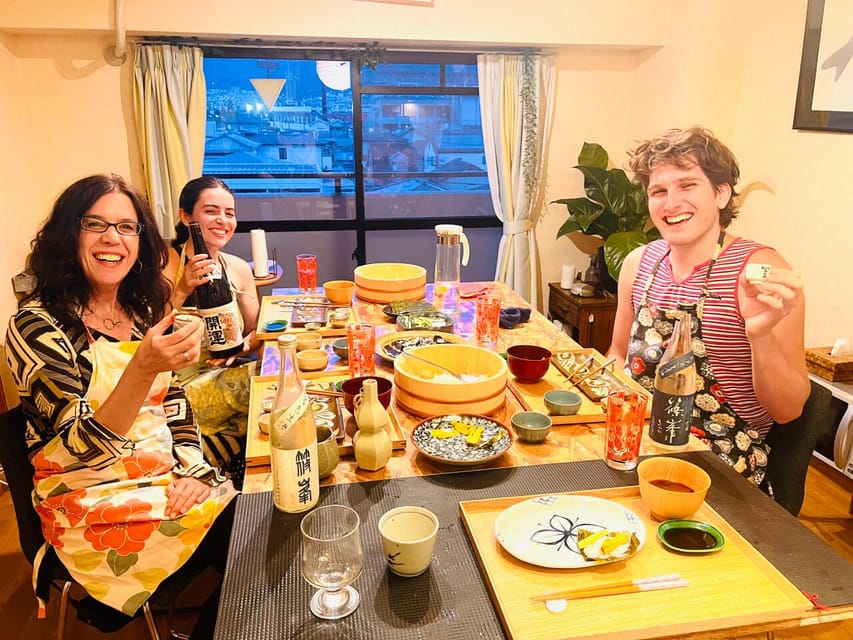
Once you finish cooking, you eat your creations in a cozy dining area. This part matters more than you’d think. Many classes end with a rushed “here you go.” This one slows down enough that you can taste with intention and learn what each dish is doing.
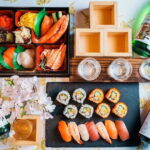
If you choose the optional pairing, you’ll get three 45ml servings of sake: two chilled (Junmai and Junmai Ginjo) plus one warm Junmai. The point isn’t sake trivia. It’s flavor pairing—how different temperatures and styles change the way the ramen and gyoza taste.
And yes, you’ll talk through the flavors as you eat. That guidance helps you remember the cooking choices you made earlier, like why your broth tastes a certain way or what crispness does to the overall bite of the dumpling.
What makes Yuki’s teaching style work
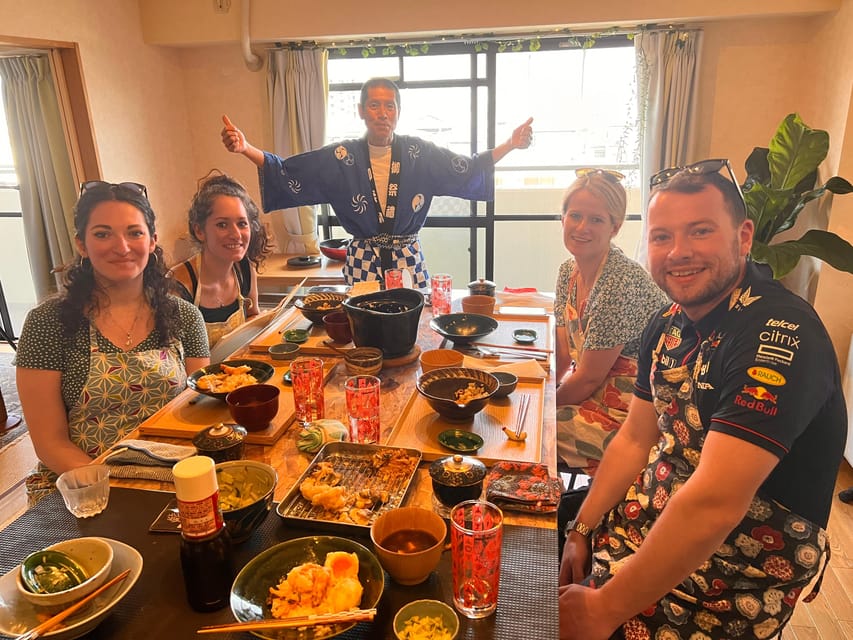
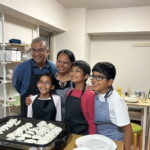
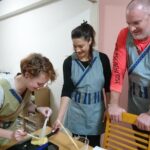
Yuki is the sole instructor, which is a big part of why this feels personal. The class is limited to 4 participants, and you can feel that during hands-on steps—there’s room for questions, and you don’t get stuck waiting for someone to notice your dough has gone slightly sideways.
The teaching style is also built for mixed experience levels. There’s no requirement for prior cooking experience, and the pace is explained clearly enough that beginners can follow without feeling lost. If you already cook, you’ll still get value from the gluten-free adjustments and the technique coaching.
Another detail I appreciate: the atmosphere is friendly and relaxed, with lively conversation mixed into the work. That makes the time feel shorter and helps you actually enjoy the learning curve instead of rushing it.
Getting to 4-19 Nukata-cho (and what to wear)
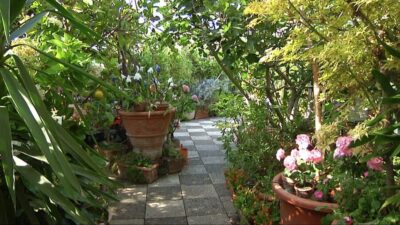
You’ll meet at 4-19 Nukata-cho, Osaka, about a 5-minute walk from Nukata Station. The neighborhood is quiet, and the venue is a residential-style building marked with a welcoming sign at the entrance.
Your directions are provided after booking, which helps if you’re arriving on foot and want to avoid wandering through the wrong side streets. Transportation to the venue is not included, so plan your own route to Nukata Station.
What to bring is simple: comfortable clothes. You’ll be standing, working with dough, and doing hands-on cooking steps, so you’ll want clothes that can handle flour and heat without stress.
Price and value: what $103 buys you here
At $103 per person for 3 hours, this class isn’t the cheapest way to eat in Osaka. But it is strong value for what you get.
Here’s why the price makes sense:
- You make multiple dishes from scratch: ramen noodles, two ramen broths, gyoza wrappers, gyoza dumplings
- The class includes a full meal of what you cook, so your time turns directly into food
- You get recipes and tips, which turns the experience into real skills you can use later
- You’re taught by a single instructor in a small group of 4, meaning more attention per person
- The gluten-free part isn’t a side option; it’s the core of the lesson, including noodle and wrapper technique
Add in that the setting is a traditional home kitchen rather than a crowded demo space, and the overall experience feels more like a focused food workshop than a quick tourist meal.
Who should book this Osaka class (and who should skip it)
You should book if you want practical cooking skills, not just a nice meal. This is especially good if gluten-free is a must for you, because the class is designed around rice-flour ramen noodles and gyoza wrappers rather than last-minute substitutions.
It also works well if you enjoy an intimate setting. Small group size, a home environment, and patient step-by-step instruction make it a solid pick for couples and solo cooks who want conversation without chaos.
You might want to skip it if you hate hands-on cooking. This is active: rolling dough, folding dumplings, and pan-frying take effort. Also, it’s not suitable for people over 95 years, based on the activity guidelines.
Should you book this gluten-free ramen and gyoza class?
If you come to Osaka wanting a food experience you can repeat at home, I think you’ll like this. You’ll leave with real methods for gluten-free noodles and wrappers, plus technique for crisp dumplings and two ramen flavor styles.
Book it if you’re curious, hungry, and ready to work at a kitchen bench. Skip it only if you want a passive show or you can’t handle the physical parts of cooking for 3 hours.
In short: if gluten-free ramen and gyoza are on your wish list, this is one of the most direct ways to learn the how, not just the what.
FAQ
How long is the cooking class?
The class lasts 3 hours.
What is included in the price?
The price includes the hands-on cooking class, a personal instructor, recipes and tips, and a full meal of what you cook.
Is the class taught in English?
Yes, the instructor teaches in English.
How many people are in the group?
The group is small and limited to 4 participants.
What should I bring or wear?
Wear comfortable clothes suitable for cooking.
Is transportation to the venue included?
No, transportation to the venue is not included.