REVIEW · UBUD
PRIVATE Ubud Market Tour & Balinese Cooking Class with Putu
Book on Viator →Operated by Traveling Spoon · Bookable on Viator
Your morning market stop turns into real cooking lessons. You’ll go with Putu through Pejeng Market for seasonal fruit, veg, and spices, then you’ll eat lunch with three generations of her family in their compound home. I also like how hands-on it is, from shopping to chopping, with plenty of time to ask questions and learn the why behind the flavors.
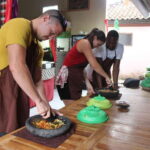
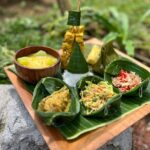
Next comes the kitchen part. You’ll help Putu prepare 2–3 dishes such as banana leaf parcels and Balinese curry, using a simple, practical setup and learning how specific ingredients are used in family recipes. The pace feels calm and personal, not staged.
One thing to consider: this is a 7:00am start, and you’ll be in motion for most of the day, so if mornings drain you, plan an easy rest of your trip.
In This Review
- Key points to know before you go
- Why Putu’s market morning matters more than the recipe list
- Pejeng Market at 7am: what you’ll actually do with Putu
- Lunch at Putu’s compound: where the culture feels lived-in
- The cooking lesson on a two-burner stage: banana leaf parcels and curry
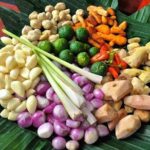
- What you’ll learn about Balinese spices and ingredients
- Door-to-door private transfers in Ubud: small comfort, big payoff
- Price of $95: does it feel like value or just a fee?
- Vegetarian and dietary needs: how flexible is the menu?
- Who should book this (and who might not love it)
- Tips to make your market-to-kitchen day smoother
- FAQ
- What time does the tour start?
- How long does the experience last?
- Is this a private experience?
- What happens at Pejeng Market?
- How many dishes will I cook?
- Is the lunch included?
- Are vegetarian or vegan options available?
- Does the price include transportation?
- Should you book Putu’s Ubud Market Tour and Cooking Class?
Key points to know before you go
- A true private experience: only your group, with Putu guiding you step-by-step.
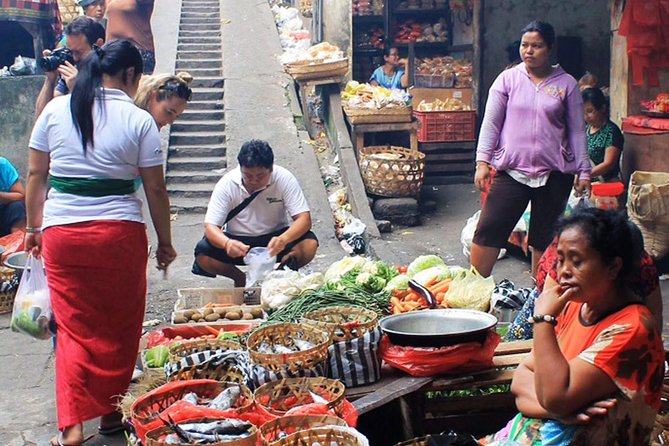
- Pejeng Market first: you’ll spend about 30 minutes shopping with the locals for what ends up on your table.
- Learn by doing: you’ll chop, grind, and cook, not just watch.
- 2–3 Balinese dishes: expect classics like banana leaf parcels and Balinese curry, depending on season.
- Family compound lunch: you’ll share a home meal as part of daily life, not a restaurant performance.
- Simple kitchen, fast cooking: Putu works on a basic two-burner cooktop yet handles a full menu.
Why Putu’s market morning matters more than the recipe list
In Ubud, you’ll see plenty of cooking classes. Most of them still feel like you’re visiting a kitchen that’s been designed for tourists. This one starts earlier and more naturally: you begin at Pejeng Market, where ingredients are chosen the way they are for everyday cooking.
That early start changes the whole tone of the experience. Instead of beginning with a pre-planned menu, you begin with what’s in season. You’ll see the fruits, vegetables, and spices that are most relevant right now, and you’ll understand how those choices affect the final flavor. It’s a small shift, but it makes the food lesson stick in your head.
The other big reason I like this format is the family element. Lunch happens in Putu’s family compound, and you’re not just eating in the background while someone tells you a story. You’re part of the moment—talking, helping where you can, and seeing how Balinese food sits inside a real household rhythm.
You can also read our reviews of more tours and experiences in Ubud.

Pejeng Market at 7am: what you’ll actually do with Putu
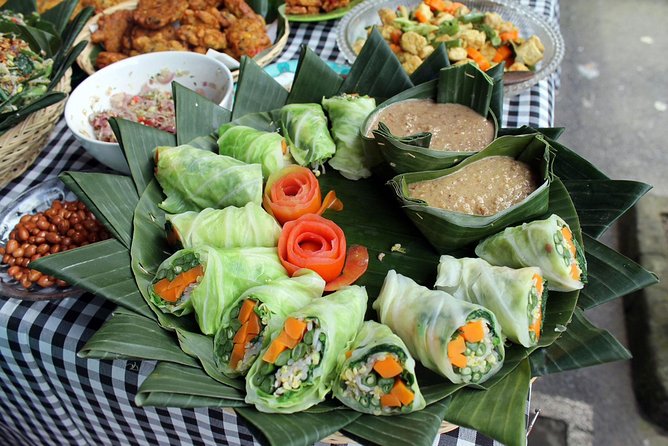
You’ll be picked up from your Ubud hotel at 7:00am, then driven to the market. Once there, Putu guides you through what’s available, and you shop together for the ingredients you’ll use later.
You should plan for about 30 minutes at the market. That’s long enough to get oriented, taste a few things, ask practical questions, and pick up what matters. It’s also short enough that you won’t feel dragged through stalls for hours. If you’re the type who gets restless when a schedule won’t move, this timing tends to feel fair.
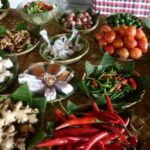
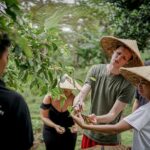
Photo time matters here. The market is a natural setting for pictures—colorful produce, spice textures, and everyday scenes. Bring a camera you’re comfortable using in close quarters. You’ll also want to be ready to look closely: the point isn’t just to spot something pretty, it’s to learn what’s in season and how cooks think about flavor building.
One practical thing: this isn’t a lecture. Putu’s explanations come as you’re shopping. She points out ingredients and connects them to what the family typically makes, which helps you remember what you learned without studying.
Lunch at Putu’s compound: where the culture feels lived-in
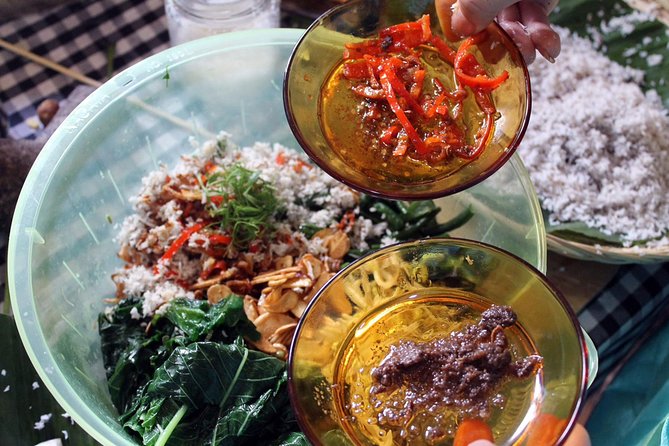
After the market, you’ll drive back to Putu’s home compound and settle in for lunch. This is one of the most meaningful parts of the experience, because it happens in the same setting where people likely cook and eat every day.
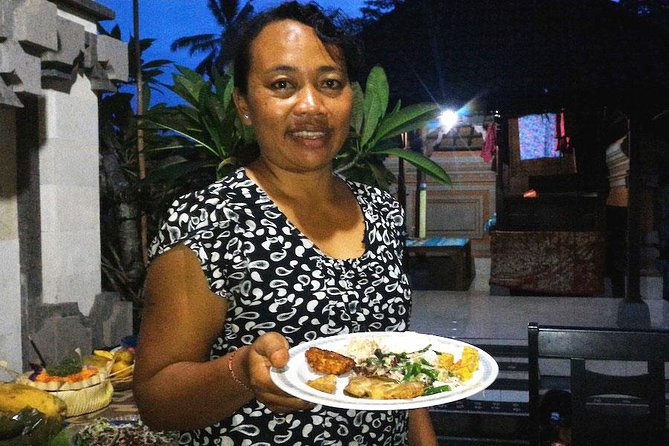
The highlight is that you’ll eat with three generations of a local family. That matters because you’re watching how family roles and food knowledge overlap—who’s teaching, who’s helping, and how traditions are passed along. It also helps you understand that Balinese cooking isn’t just about taste. It’s about routine, community, and the way the household supports itself.
What makes compound-home dining special is the informality. You’ll be chatting while you eat. If you’re curious, you can ask questions; if you’re simply hungry, you can enjoy the meal without turning it into an interview.
And yes, there’s a social side beyond the meal. You’ll likely notice that the experience balances food with conversation, so it doesn’t feel like a scripted “tour moment.” Instead, you get a window into daily life in Ubud.
The cooking lesson on a two-burner stage: banana leaf parcels and curry
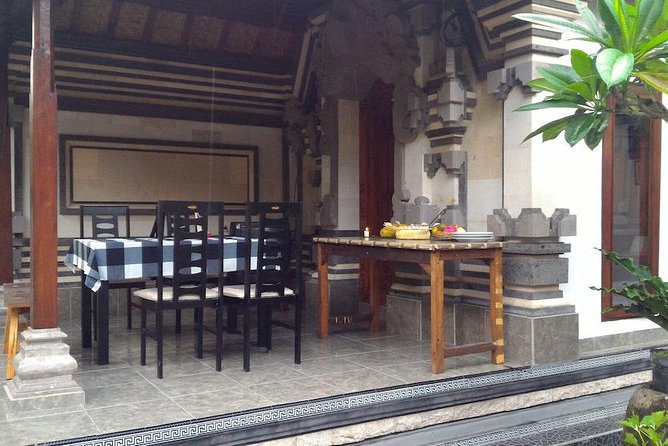
Once lunch settles, you move into the cooking part. The class typically lasts about 1–2 hours, and you’ll work together to prepare 2–3 authentic Balinese dishes.
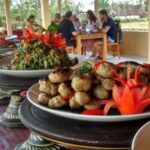
From what you can expect, banana leaf parcels and Balinese curry are key examples. These dishes teach different lessons: one is about wrapping and cooking with aromatic leaves, and the other is about building a curry base from spices and seasoning choices.
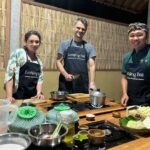
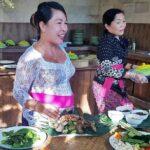
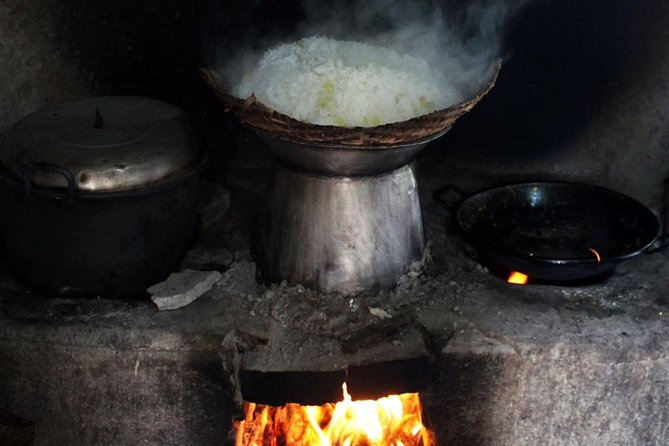
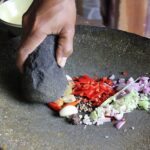
In the kitchen, Putu keeps it practical. The setup is described as simple, with a two-burner cooktop. That’s good news for you. A basic kitchen means she’s not relying on flashy gadgets. She’s relying on technique and timing—grinding spices, chopping efficiently, and moving quickly even when cooking multiple dishes.
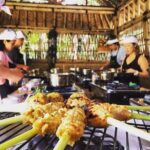
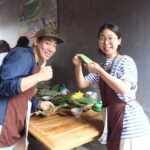
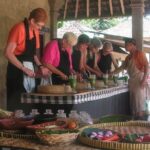
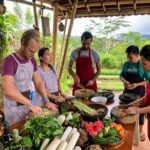
What you’ll do matters as much as what you’ll taste. You should expect to chop, grind, and grill as part of the cooking flow. If you enjoy active classes, this will feel satisfying. If you’d rather observe, you may still be encouraged to participate at your comfort level, because the whole point is learning by doing.
What you’ll learn about Balinese spices and ingredients
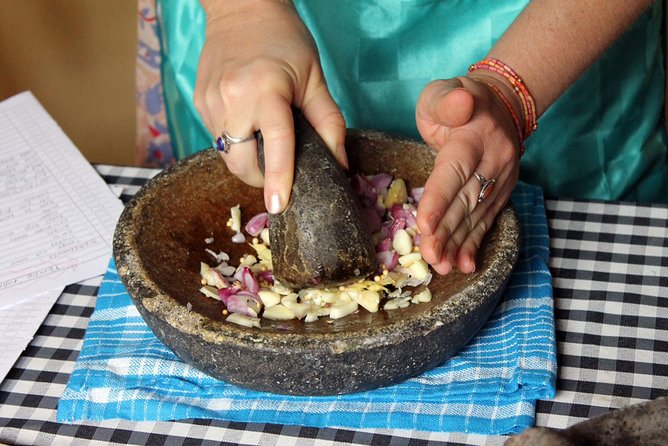
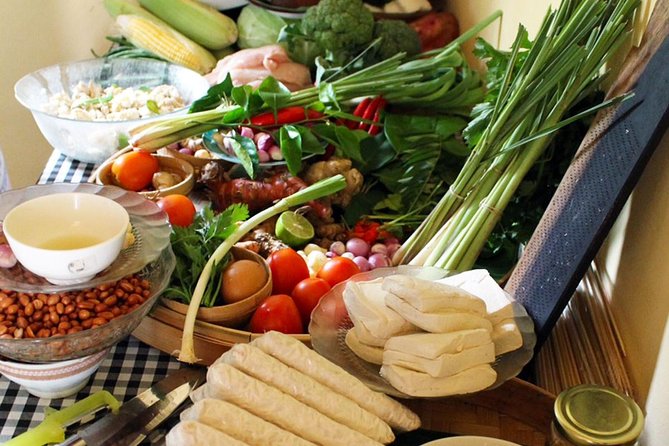
The market and kitchen sections aren’t separate experiences. They connect. Putu introduces what you buy at the market, then shows how those ingredients behave when cooked.
One of the most useful details is that Putu teaches about the medicinal qualities of Balinese ingredients. That doesn’t mean it’s presented like a textbook. It’s usually practical and tied to how people use ingredients in everyday recipes. You’ll hear the family logic behind why certain flavors show up again and again.
You’ll also learn about the spices Putu uses in her family recipes. Expect explanations that tie back to what you’re actively preparing—so when you taste something, you’ll know what likely created that effect. This is where the class becomes more than a meal. It becomes ingredient literacy.
Also, the menu may vary by season. That means you’re not locked into a single list of dishes. If you go when different fruits or spices are available, your choices—and your learning—will reflect what’s actually fresh. For many people, that’s one of the reasons this type of tour feels more real.

Door-to-door private transfers in Ubud: small comfort, big payoff
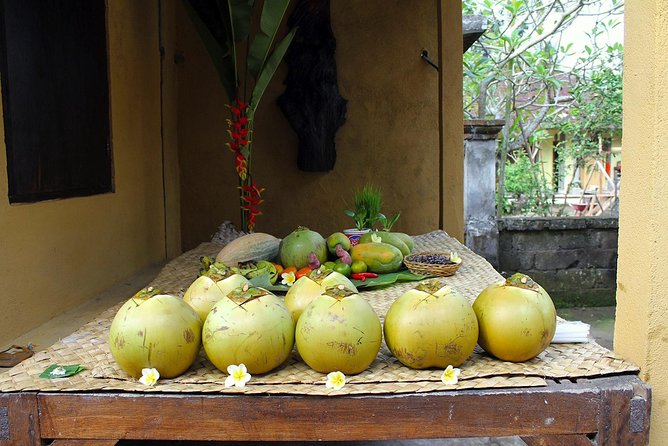
The day runs with logistics that stay easy. You get door-to-door private round-trip transfers from Ubud, and the tour is private, so you’re not mixing with strangers in the van.
That matters more than it sounds. A 7:00am pickup can be rough if you’re navigating a new area on your own. Having the drive handled means you can focus on the experience instead of figuring out transport and timing.
This is also a good format for groups who want privacy and less waiting. Because it’s private, you follow Putu’s pace rather than a strict group rhythm. If you have questions while shopping or want a slower moment in the kitchen, there’s more flexibility than in larger group setups.
One note: the pricing includes round-trip transport from Ubud only. If you’re staying outside Ubud, there’s an extra transportation charge. If you’re deciding between neighborhoods, it’s worth factoring in that difference.
Price of $95: does it feel like value or just a fee?
At $95 per person, this isn’t a bargain, but it can feel like real value if you care about the content. Here’s what’s included:
- Private market tour and cooking class with Putu
- Homecooked lunch
- Round-trip transport from Ubud
- All taxes, fees, and handling charges
- Gratuities
When you break it down, you’re paying for three things that are hard to replicate cheaply: a guided market experience, a hands-on cooking lesson tied to what you bought, and transportation that saves you from coordinating it yourself at dawn.
If your only goal is food without context, you could do it cheaper at a restaurant. But if you want to learn the ingredient logic and cook alongside a home cook, the price starts to make more sense. This is a full morning-to-midday experience with a local host, not just a plated meal.
Group discounts exist too. If you’re traveling with friends or family, it’s worth asking whether the per-person price drops when you book together.
Vegetarian and dietary needs: how flexible is the menu?
The tour notes that vegetarian and vegan options are available if you request them at booking. It also asks you to advise about allergies, dietary restrictions, or cooking preferences when you reserve.
That’s important. A cooking class can go wrong fast if someone is avoiding key ingredients but the menu can’t adjust. Here, the setup is designed to handle preferences, at least with vegetarian or vegan needs, and possibly with other restrictions as long as you communicate them early.
If you’re vegetarian or vegan, you’ll want to confirm what dishes can be adapted, since the menu may vary with season. If you have allergies, be extra clear about what you need to avoid. You’ll get the best outcome when your dietary needs are part of the plan from day one.
Who should book this (and who might not love it)
This tour is a great match for you if:
- You like hands-on cooking rather than watching from the sidelines
- You want a local market first, then a home meal
- You enjoy learning how ingredients connect to culture, not just tasting food
- You’re comfortable with a morning start
It may not be the best fit if:
- You strongly dislike early mornings or long hotel pickup days
- You prefer fully hands-off experiences
- You’re looking for a wide restaurant-style menu with lots of variety beyond what’s cooked together
The private format helps a lot. Since it’s only your group, you can make the day work around your comfort level and interests. And because Putu’s kitchen is described as simple, it won’t feel like you’re in a show kitchen. It feels like a real home kitchen.
Tips to make your market-to-kitchen day smoother
A few practical moves can help you enjoy it more:
- Wear comfy clothes you can cook in. You’ll be at the market and working in a kitchen area.
- Bring a camera or make sure your phone has space and battery. The market is photo-friendly.
- Tell Putu about dietary needs right away. The tour explicitly invites it during booking.
- Go to bed early if you’re not used to 7:00am mornings. The time helps the market feel authentic.
- Keep questions ready. Putu explains ingredients and spices as you shop and cook, so curiosity pays off.
If you like food tourism, this kind of day rewards attention. Putu isn’t just teaching how to cook. She’s showing how people buy and cook in daily life.
FAQ
What time does the tour start?
The start time is 7:00am.
How long does the experience last?
The duration is about 5 hours.
Is this a private experience?
Yes. It’s private, with only your group participating.
What happens at Pejeng Market?
You spend about 30 minutes shopping with Putu, learning about seasonal fruits, vegetables, and spices, and picking up ingredients for your cooking lesson.
How many dishes will I cook?
You’ll prepare 2–3 Balinese dishes, depending on the season.
Is the lunch included?
Yes. Homecooked lunch is included.
Are vegetarian or vegan options available?
Yes. Vegetarian and vegan options are available if you advise the provider at booking.
Does the price include transportation?
Transportation is included from Ubud only. Round-trip transport is included, but if you’re staying outside of Ubud there is an extra charge.
Should you book Putu’s Ubud Market Tour and Cooking Class?
If you want one of the most practical, authentic food experiences in Ubud, I’d say this is a smart pick. You get a market morning with Putu, a home lunch with three generations, and a hands-on cooking lesson where you actually help make dishes like banana leaf parcels and Balinese curry. The private format and door-to-door transfers reduce stress, especially with the 7:00am start.
Book it if early mornings don’t scare you and you enjoy learning by doing. Skip it if you’re only chasing a quick meal and prefer to stay fully hands-off. Either way, you’ll come away with food you can name—and ingredient knowledge you can use long after your trip.