REVIEW · OSAKA
Osaka : Cooking Class Okonomiyaki & Takoyaki course in Nanba
Book on GetYourGuide →Operated by 株式会社XLSWORLD · Bookable on GetYourGuide
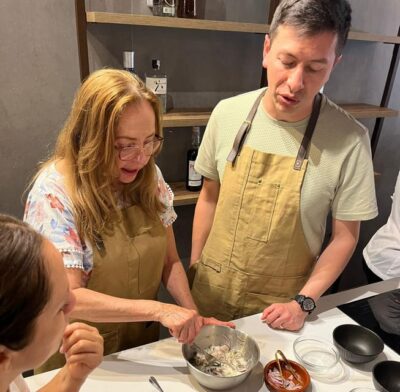
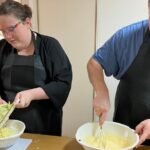
Your hands make Osaka in a real kitchen. In this Namba-area class, you’ll learn to cook okonomiyaki and takoyaki, then eat what you make with drinks. I love that it is hands-on from the first minute, not a sit-and-watch demo.
Second, I like that you leave with take-home recipes and real technique notes, so you can recreate the flavors later. The small group format also keeps things friendly, and instructors can correct what you’re doing while you cook.
One heads-up: the class is priced as a premium foodie activity, and the meal afterward can be filling. If you’re trying to keep costs tight or you do not want a big stomach-full, plan accordingly.
In This Review
- Key things to know before you book
- Okonomiyaki and Takoyaki in Osaka: what this class really delivers
- Meet your instructors and get comfortable fast
- Inside the kitchen: your 30-minute orientation and prep
- The okonomiyaki part: making Osaka’s savory pancake the right way
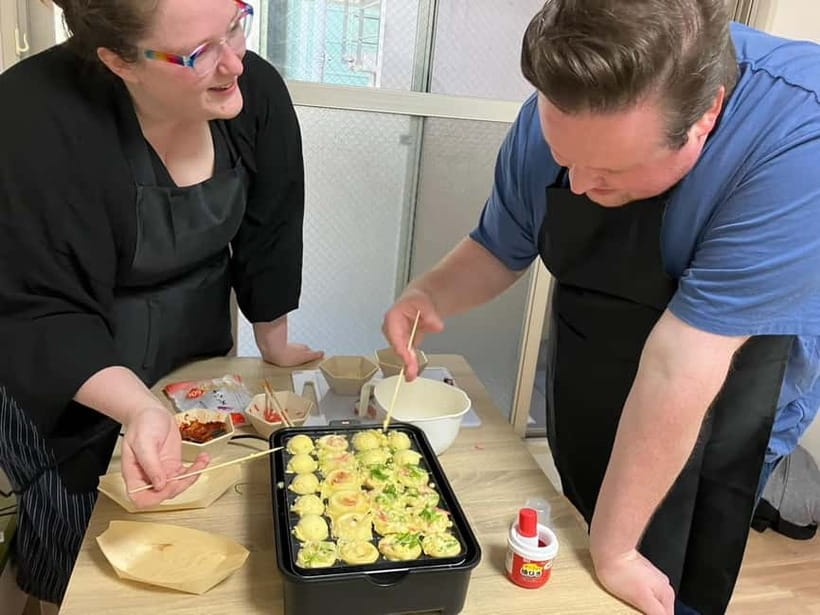
- The takoyaki part: dough ball timing, turning, and filling
- Your tasting session: eat what you made with sake, beer, and soft drinks
- What you get included, and what you need to plan yourself
- Getting to the meeting point in Osaka (and not wasting time)
- Price and value: is $70 per person a fair deal?
- Who should book this Osaka cooking class, and who might skip it
- Simple tips so you get the most from the class
- Should you book this Osaka Okonomiyaki & Takoyaki class in Nanba?
- FAQ
- What dishes will I learn to make in Osaka?
- How long is the cooking class, and what happens during that time?
- Is the tasting included, and what drinks are served?
- What’s included in the price, and what is not?
- How large is the group?
- What languages do instructors use?
- Where is the meeting point, and what should I do when I arrive?
- Can I cancel, and is the class wheelchair accessible?
Key things to know before you book
- Hands-on cooking time: a 30-minute orientation and prep, then 1.5 hours of cooking.
- You make two Osaka icons: okonomiyaki (savory pancake) and takoyaki (savory dough balls).
- Take-home recipes: you get the instructions to recreate both dishes.
- Tasting with drinks: sake, beer, and soft drinks during the 1-hour tasting.
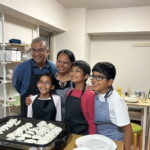
- Small group (up to 8): you cook together, and instruction stays personal.
- English-friendly support: instructors work in English (and Japanese; the description also mentions Spanish support).
Okonomiyaki and Takoyaki in Osaka: what this class really delivers
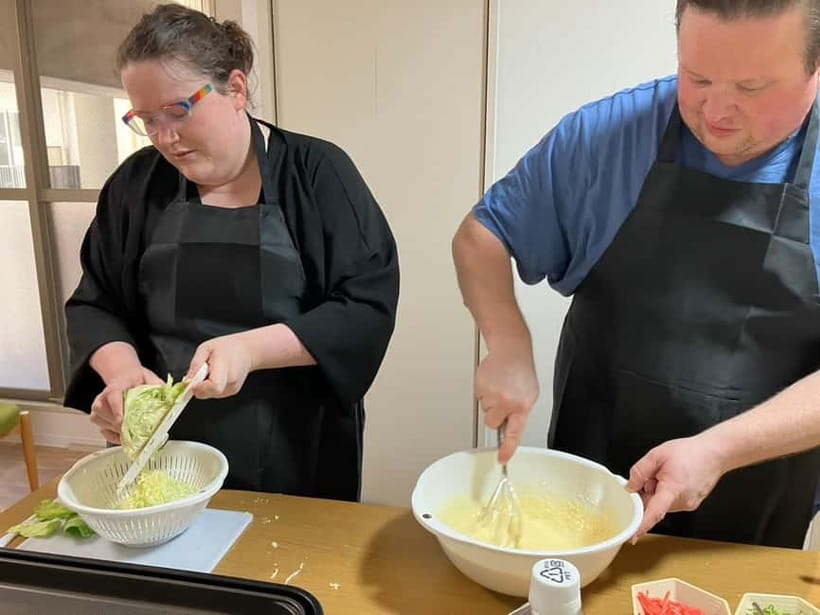
Osaka is famous for comfort food you can eat with your hands, and this class hits both sides of the city’s snack universe: the griddle pancake that people love for its textures, and the street-corner balls that crack open to reveal piping-hot fillings.
What makes this course worth your time is the structure. You do not just get a plate and a story. You get a workstation, guidance, and enough cooking time to actually build skill. The class runs about 2 hours total, with 30 minutes to get oriented and prep, 1.5 hours to cook, and 1 hour to taste what you made.
You’ll also get a cultural bonus without needing to hunt around for it yourself. Many small details in okonomiyaki and takoyaki cooking are all about rhythm: mixing batter to the right consistency, learning how to manage heat, and mastering timing so everything lands cooked and not soggy. That is the kind of know-how you can’t easily pick up just by reading.
You can also read our reviews of more tours and experiences in Osaka.
Meet your instructors and get comfortable fast
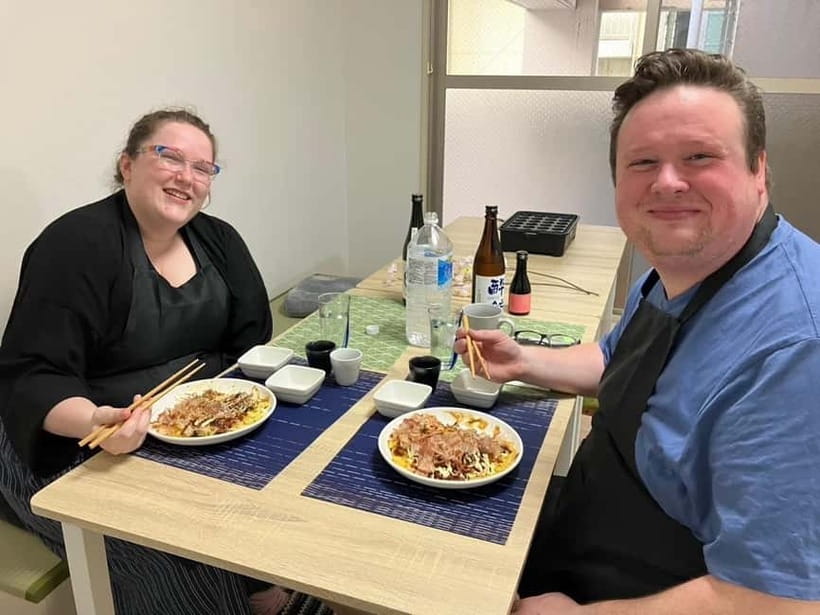
The vibe here is practical and welcoming. Instructors are friendly and step in as you cook, with English help available (and Japanese as well). You may also hear Spanish support mentioned in the class description, so the overall goal is clear: you should feel like you can keep up.
Instructors I noticed are often named Nana and Mimi in student accounts, and other host names like Asami and Sacha show up too. Regardless of which combination you get, the pattern is consistent: they teach in a way that helps you look more competent than you expected.
The first 30 minutes matters more than you might think. It’s not just formalities. You get set up, learn what each ingredient is doing, and get a feel for the tools and workflow before the cooking starts. That makes the rest of the session feel smoother, especially if you’ve never cooked Japanese street food before.
Inside the kitchen: your 30-minute orientation and prep
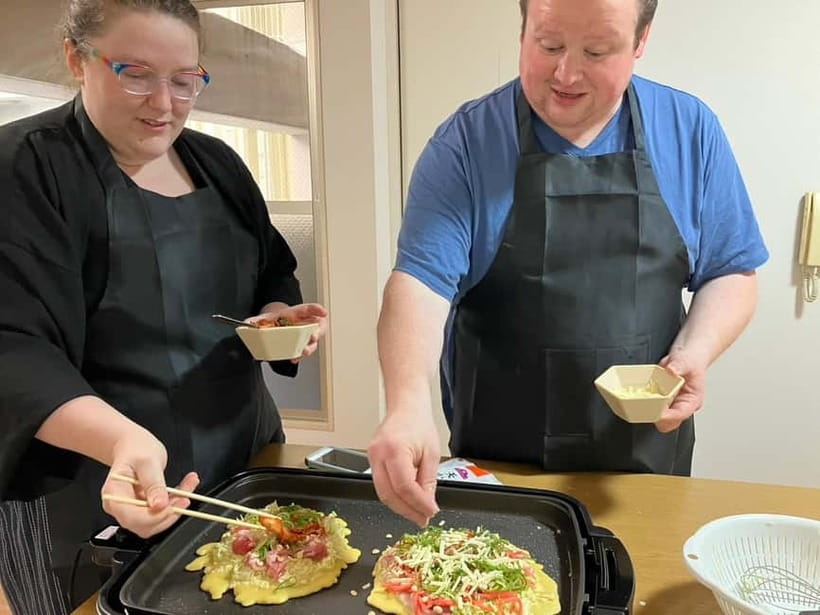
Expect the orientation and prep to focus on three things: understanding the components, setting up your station, and learning the sequence you’ll follow.
You should come ready to cook. The class provides all ingredients and tools, so you do not need to shop or bring utensils. Still, show up with a basic mindset: you’re going to mix, flip, and handle hot items. If you’re the sort of person who panics at the thought of a busy griddle, take a breath. The orientation is there to prevent that exact stress.
In practical terms, this segment helps you:
- understand what goes into okonomiyaki batter and topping choices
- learn how takoyaki is assembled and cooked in stages
- get your station organized so you’re not searching for things while heat is on
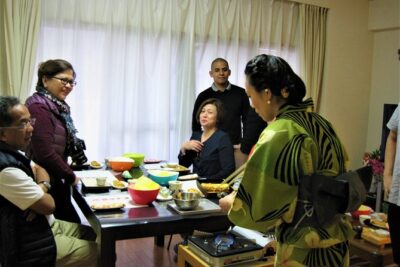
It also sets expectations for the group cooking. You’ll be cooking together, not alone at a private counter, so you’ll want to keep an eye on what your neighbors are doing too. That is part of the fun, and it keeps the pace moving.
The okonomiyaki part: making Osaka’s savory pancake the right way
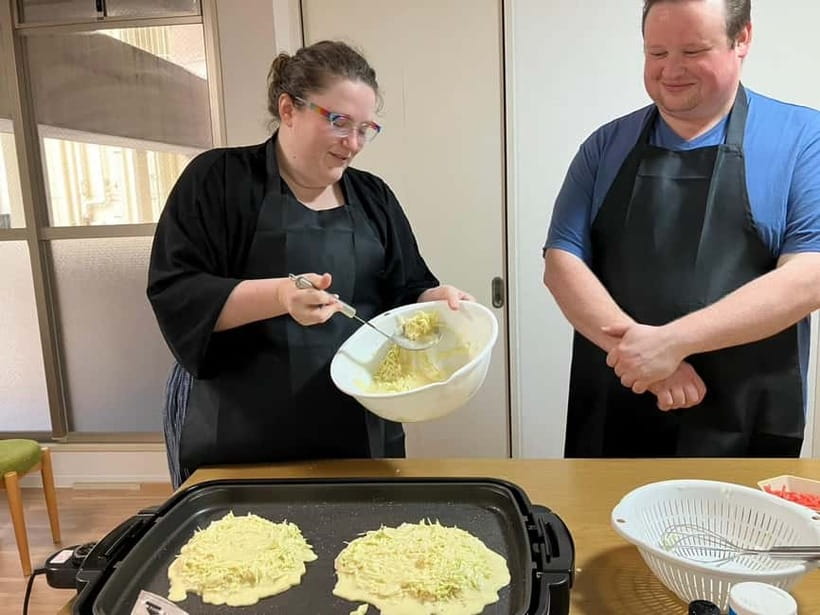
Okonomiyaki can look simple until you try it. The difference between okay and great usually comes down to texture and heat management.
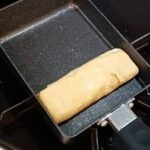
In this class, you learn how to assemble and cook your okonomiyaki so it comes out cooked through and satisfying, with the kind of balance that makes it an Osaka staple. The cooking time is long enough that you’re not just flipping once and hoping. You work through the process with guidance.
What I like about learning okonomiyaki in a class setting is that you can feel what the batter should do. Too runny and you struggle to hold shape. Too thick and you’re fighting uneven cooking. You get corrections in real time, which is the best kind of learning.
Also, you’re not stuck with theoretical food. You’ll taste your own work later, so you immediately understand the cause-and-effect between technique and flavor.
The takoyaki part: dough ball timing, turning, and filling
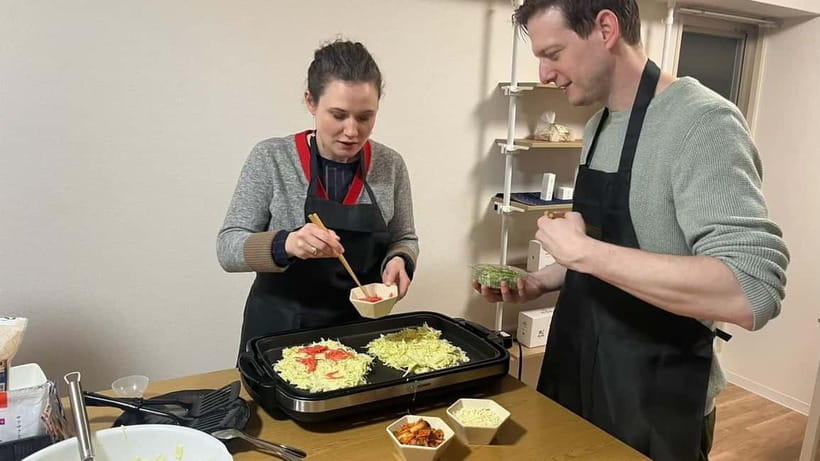
If okonomiyaki is the griddle pancake, takoyaki is the precision test. Takoyaki is all about turning at the right moment. You want the surface set enough to form a ball, but you still need interior heat to finish the filling.
During the 1.5 hours of hands-on cooking, you’ll do the takoyaki portion as well, with instructors guiding you through assembly and cooking steps. The key is rhythm. The turning and cooking cycles are fast enough that you can feel yourself improving as you go.
One practical point: takoyaki is messy in the way street food can be messy. That’s normal. The class environment is designed for it. Just wear comfortable clothes you don’t mind getting food on (even with precautions, cooking can happen).
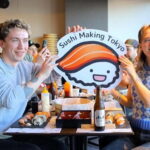
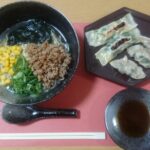
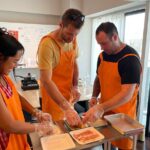
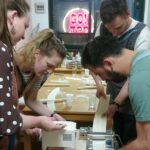
Your tasting session: eat what you made with sake, beer, and soft drinks
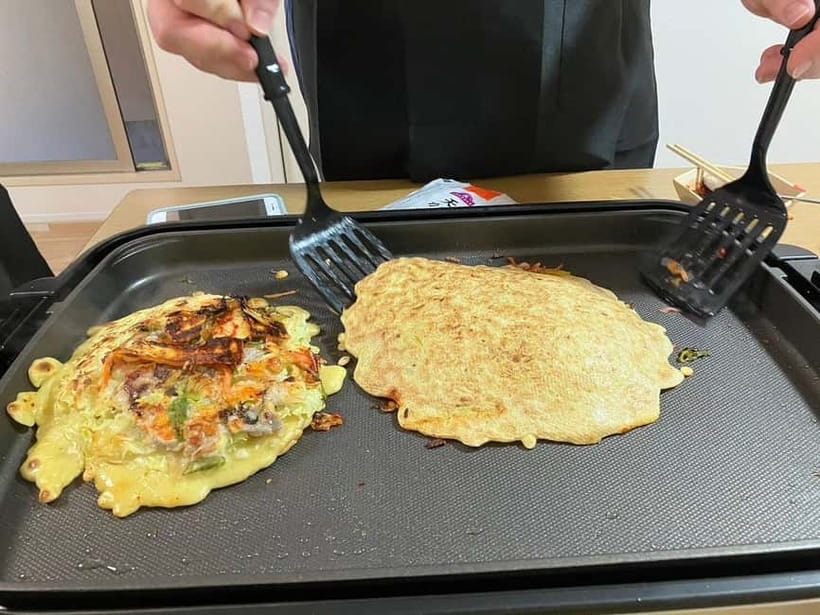
The best part of cooking classes is always the tasting, because it answers the biggest question: did you actually learn something.
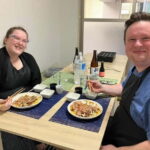
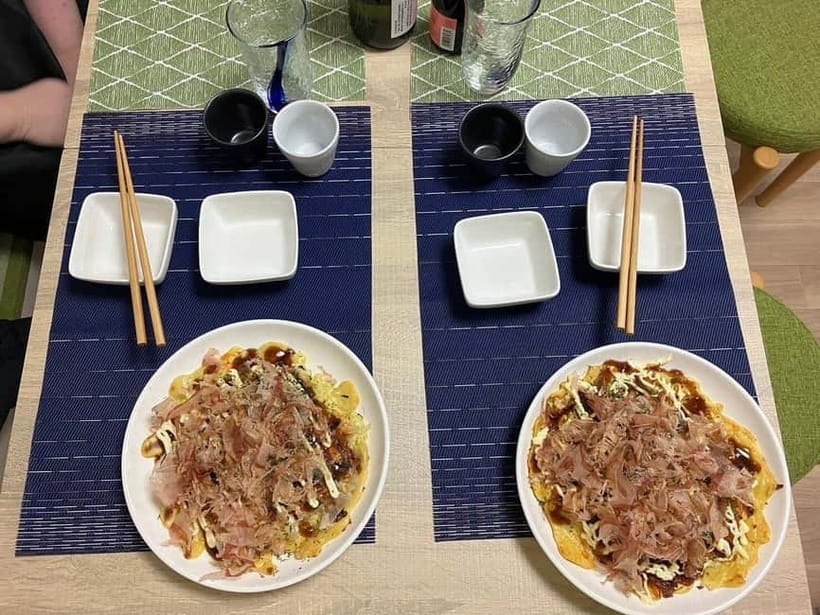
After cooking, you get a 1-hour tasting session where you enjoy your okonomiyaki and takoyaki. Drinks included in the tasting are sake, beer, and soft drinks. You can treat this like a casual hangout at the end of class rather than a formal dining experience.
This is also where the class helps you connect the dots. You’ll taste your final product, then think back to the exact moments when the texture changed or the heat seemed to shift. That memory is what makes the recipe useful later.
One more consideration. A student tip is to avoid eating a heavy meal beforehand. This class gives you enough food that you’ll want room for it. If you’re planning a full Osaka day with multiple stops, schedule this for a time when you can genuinely enjoy the meal instead of forcing it.
What you get included, and what you need to plan yourself
Here’s the practical breakdown.
Included:
- all ingredients and cooking tools
- expert guidance from Washoku professionals
- 1.5 hours of hands-on cooking
- 30-minute orientation and prep
- 1-hour tasting with sake, beer, and soft drinks
- recipes to take home
Not included:
- hotel pickup and drop-off
- any additional food and drinks beyond what’s served in the tasting
That last point matters. In Japan, it’s easy to assume food is already covered when you see a set class price. Here, you’re covered for the tasting portion, but if you want extras, you’ll pay separately.
Also, since there’s no pickup, you’ll want to plan your own transit. The meeting point is a short, very specific address in Osaka, so being on time and knowing how you’re getting there helps.
Getting to the meeting point in Osaka (and not wasting time)
The meeting point is at Dear Court Semba 303, 4-chōme-3-1 Bakurōmachi, Chuo Ward, Osaka 541-0059.
When you arrive at the building entrance:
- Press 303
- Then press the button labeled 呼 (call)
- Go up to Room 303 on the 3rd floor once the door opens
This is the kind of detail that saves stress. Buildings can be tricky, and cooking classes run on tight timing once heat starts. If you’re coming from Namba, give yourself a little buffer and arrive a bit early so you’re not rushing up stairs while hungry.
Also note: pets are not allowed. Wheelchair access is listed as available, but as with any small cooking space, the practical flow can depend on the building layout. If you have mobility needs, it’s worth confirming that the room and setup work well for your situation.
Price and value: is $70 per person a fair deal?
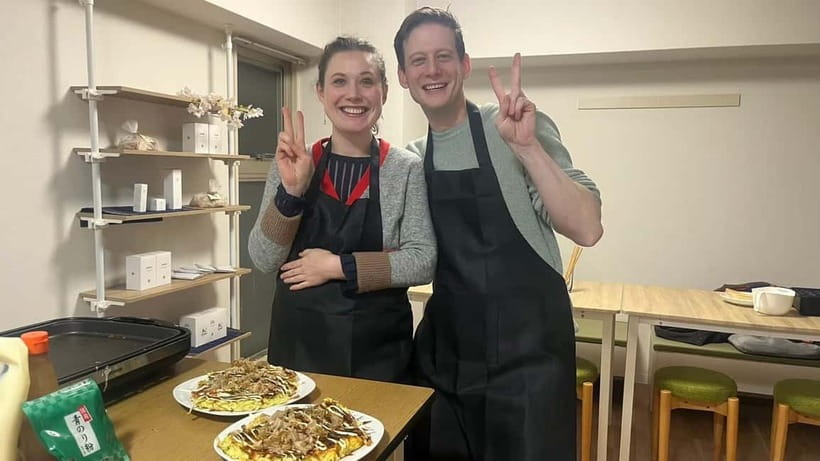
The listed price is $70 per person for a 2-hour class with ingredients, tools, professional guidance, a full cooking session, and a drink-included tasting.
That value can look different depending on what you’d otherwise do in Osaka. If you’re the type who already knows you’ll eat okonomiyaki and takoyaki, paying for instruction can feel worth it because you’re buying more than dinner. You’re buying technique and the ability to recreate it.
At the same time, one student account referenced a higher per-person figure (around $116). Prices can vary by date, currency conversion, or booking conditions. So do a quick check before you lock in: confirm the total you’ll pay at checkout and whether it matches what you expect.
Where the class feels like a strong deal:
- you get recipes to take home
- you cook for yourself with guidance
- drinks are included with the tasting
Where it might feel pricey:
- if you only want a quick snack experience and not the cooking work
- if you’re trying to keep food spending low for the day
Who should book this Osaka cooking class, and who might skip it
This class fits best if you want food with a hands-on angle. You’ll likely enjoy it if you:
- like learning how things are made, not just eating them
- want to cook Osaka classics like okonomiyaki and takoyaki
- appreciate small-group instruction and a social cooking setting
- care about bringing recipes home for repeat meals
It might not be your best match if:
- you want hotel pickup or a fully guided sightseeing route (this class is focused on cooking)
- you’re avoiding alcohol entirely (sake and beer are included options during tasting, though you can choose what you drink)
- you want very light eating afterward (the tasting portion can be a lot)
Because it’s a small group limited to 8 participants, the atmosphere usually feels more personal than bigger food tours. Some classes can even feel close to private if your group is small, but you should still expect shared prep and cooking space.
Simple tips so you get the most from the class
Before you go, think about comfort and timing. Cooking sessions can get warm and active.
- Wear comfortable clothes. Even with tools and guidance, cooking can get a little chaotic.
- Come hungry enough for the tasting. The okonomiyaki and takoyaki meal is part of the experience.
- Bring curiosity. The value is in technique, so ask questions when you’re unsure.
- Save your recipes once you get home. The class gives you the instructions; using them is what turns this into a repeat Osaka memory.
If you’re traveling solo, this is also a nice option because the group cooking creates natural conversation. You’re not stuck watching from a distance.
Should you book this Osaka Okonomiyaki & Takoyaki class in Nanba?
Book it if you want a true Osaka food skill, not just a meal. The combination of hands-on cooking, small-group guidance, and a drink-included tasting gives you a complete experience, and the recipes to take home make it more than a one-night story.
Skip it if you only want a quick snack stop, or if you’re trying to avoid spending on a structured food activity. And if you have a limited appetite, plan your day so you can enjoy what you cook without feeling stuffed.
If you’re flexible, you’ll likely leave with both full plates and better cooking instincts. That’s the point of this class.
FAQ
What dishes will I learn to make in Osaka?
You’ll make okonomiyaki (savory Japanese pancakes) and takoyaki (savory dough balls).
How long is the cooking class, and what happens during that time?
The total duration is about 2 hours: 30 minutes for orientation and prep, 1.5 hours for hands-on cooking, and 1 hour for tasting.
Is the tasting included, and what drinks are served?
Yes. After you cook, you’ll have a 1-hour tasting session with drinks including sake, beer, and soft drinks.
What’s included in the price, and what is not?
Included are all ingredients and tools, expert guidance, the orientation and cooking time, the tasting session with drinks, and recipes to take home. Not included are hotel pickup/drop-off and any additional food or drinks beyond the tasting.
How large is the group?
This is a small group limited to 8 participants.
What languages do instructors use?
Instruction is available in English and Japanese. The class description also notes Spanish support.
Where is the meeting point, and what should I do when I arrive?
The meeting point is Dear Court Semba 303, 4-chōme-3-1 Bakurōmachi, Chuo Ward, Osaka 541-0059. Use the doorbell: press 303, then the 呼 (call) button, and go to Room 303 on the 3rd floor once the door opens.
Can I cancel, and is the class wheelchair accessible?
You can cancel up to 24 hours in advance for a full refund. The experience is listed as wheelchair accessible.