REVIEW · HANOI
Hanoi Farm Tour and Cooking Class with Local Family
Book on GetYourGuide →Operated by Farm tour and Home cooking in Hanoi · Bookable on GetYourGuide
The market tastes like Hanoi history. I love the chance to see a 1000-year-old market that dates back to the Le King Dynasty in 1428, and I love ending with hands-on Vietnamese home cooking in a family kitchen. The main drawback is simple logistics: hotel transfers are not included, and the village is about 35–40 minutes from central Hanoi.
After a short drive west, you swap city noise for farm rows and fruit trees. You’ll go with an English-speaking local host, and the day’s magic is how the family feeds you while you chat about daily life—often at a relaxed pace with hosts like Mandy or Manh making explanations easy to follow.
In This Review
- Key highlights you’ll actually care about
- Why the Le King Dynasty Market Is the Real Starting Line
- From Bitter Melon Fields to Orange and Pomelo Trees
- Cooking Class in a Hanoi Family Kitchen (Not a Demo Room)
- The Private Host Factor: English Guidance with Real Questions
- How the 4 Hours Feel on the Ground
- Price and Value: Why $43 Can Make Sense Here
- Practical Notes Before You Go (So Nothing Feels Hard)
- Should You Book This Hanoi Farm Tour and Cooking Class?
- FAQ
- How long is the Hanoi Farm Tour and Cooking Class?
- Where is the meeting point, and where do we end?
- What is included in the $43 per person price?
- Do I need hotel pickup or transfer?
- What happens if my day is not a market day?
- What crops and fruits will we see on the farm walk?
- Is the guide English-speaking?
- Can I cancel and get a full refund?
Key highlights you’ll actually care about
- A market stop with long roots: the market has been operating since 1428
- Farm walk right next door: bitter melon, corn, cauliflower, cabbage, tomatoes, and more
- Fruit gardens you can name: oranges, pomelos, papayas, guavas, and bananas
- Cooking in a family home: you cook traditional dishes with fresh ingredients
- Private, English-guided pacing: talk with your host and learn how locals live
Why the Le King Dynasty Market Is the Real Starting Line
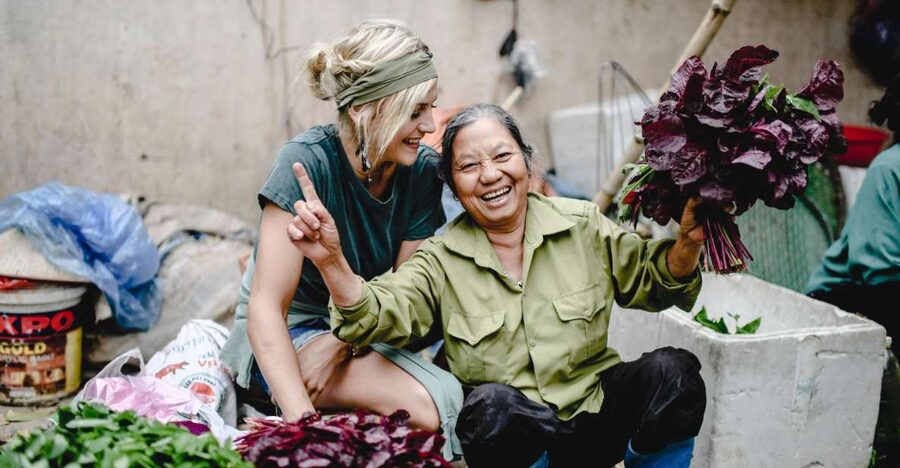
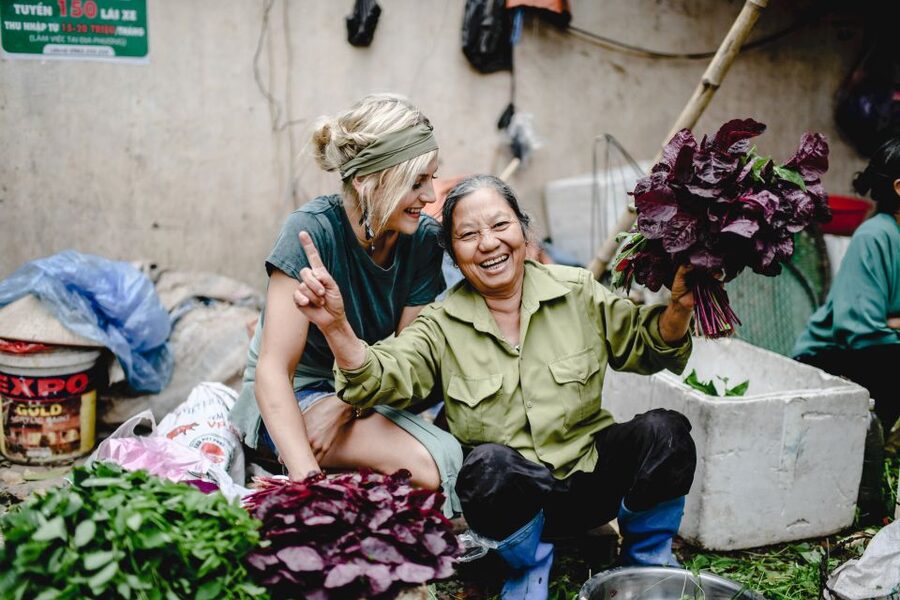
This tour kicks off with a drive out of Hanoi—about 35/40 minutes west from the Old Quarter area—and then you meet your guide at Đình Phương Viên, Đê Song Phương, Hoài Đức, Hà Nội. The market visit is the heart of the morning, because it’s not staged. You’re walking through a place that’s been active since the Le King Dynasty of 1428.
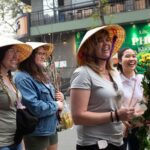
On market days (which happen two or three times per week), the scene can be intense in the best way. You may see people trading animals like dogs, cats, pigs, chickens, and ducks, plus practical items like bamboo baskets. You’ll also catch the small human details that make it real: older women chewing betel and areca nut, and blacksmiths working with bright braziers nearby.
The market is also your crash course in how countryside and city connect. Even if you don’t know what everything is, you’ll quickly understand that this is where villages gather to buy, sell, and catch up. If your day isn’t a market day, don’t worry—the tour shifts to another market with local produce like fish, vegetables, fruits, and meat, so you still get the food-first view of daily life.
You can also read our reviews of more tours and experiences in Hanoi.
From Bitter Melon Fields to Orange and Pomelo Trees
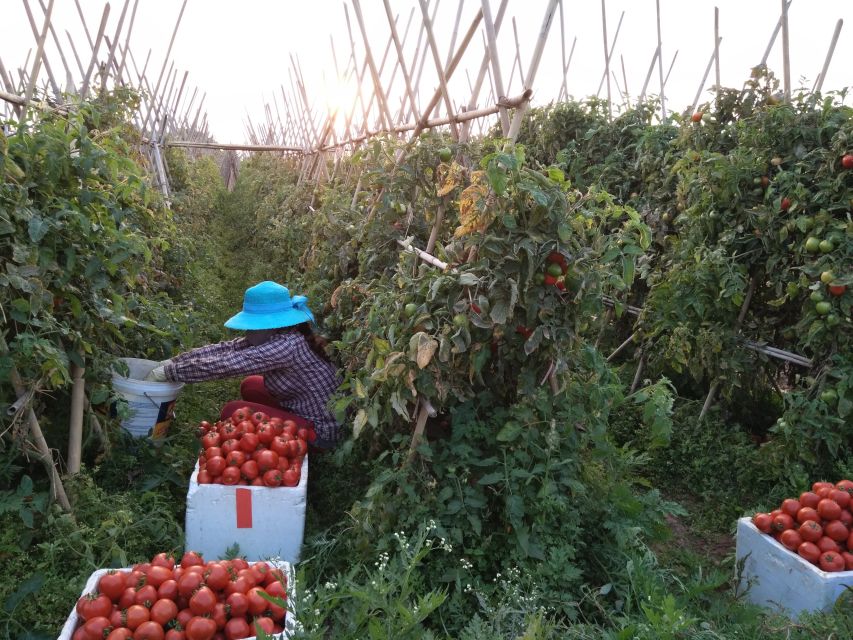
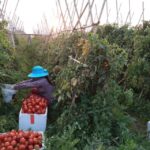
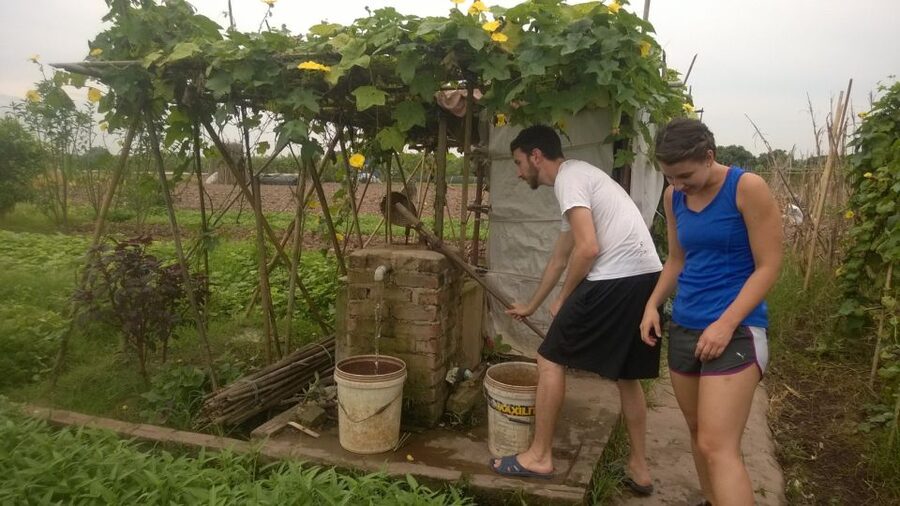
Once you finish the market, you’re right next door to the working farms. This is one of the smartest parts of the experience because it links what you saw at the market to what people actually grow. You’ll walk vegetable fields growing bitter melon, corn, cauliflower, cabbage, tomatoes, green peas, and soybean.
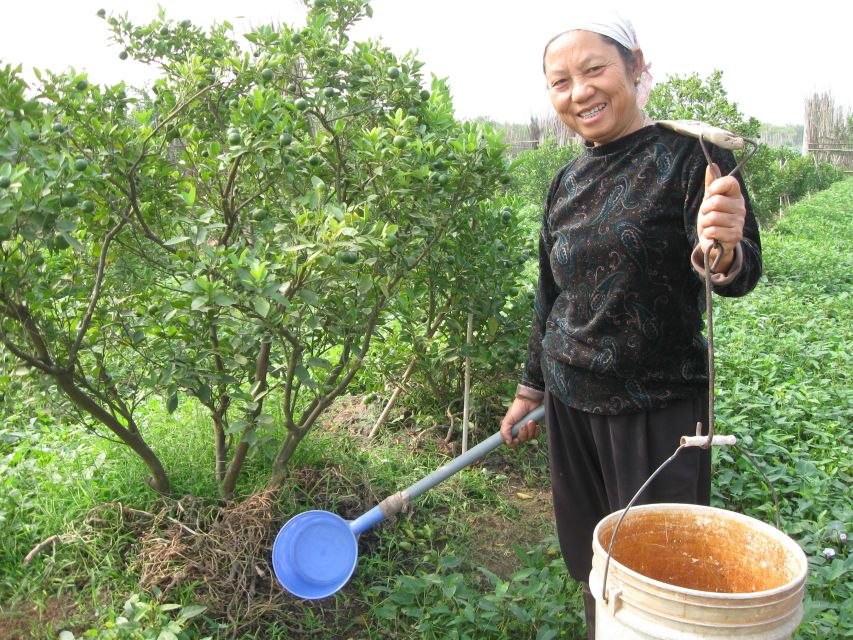
What I like here is how you’re not just looking at plants—you’re meeting the people who cultivate them. You’ll get time to talk with a working farmer, ask about cultivation techniques, and learn about lifestyle. That conversation matters, because it turns Vietnamese farming from a concept into something practical and human.
Then the walk shifts into fruit gardens, where you can spot oranges, pomelos, papayas, guavas, and bananas. This is a nice change of pace from the busier market. You also get a clearer sense of how a farm day works in real seasons and real routines, not just in photos.
If you’re the kind of traveler who likes to understand where food comes from, this farm segment is the bridge that makes the cooking class feel earned. Without it, the meal would be good. With it, the meal feels like a story you helped build.
Cooking Class in a Hanoi Family Kitchen (Not a Demo Room)
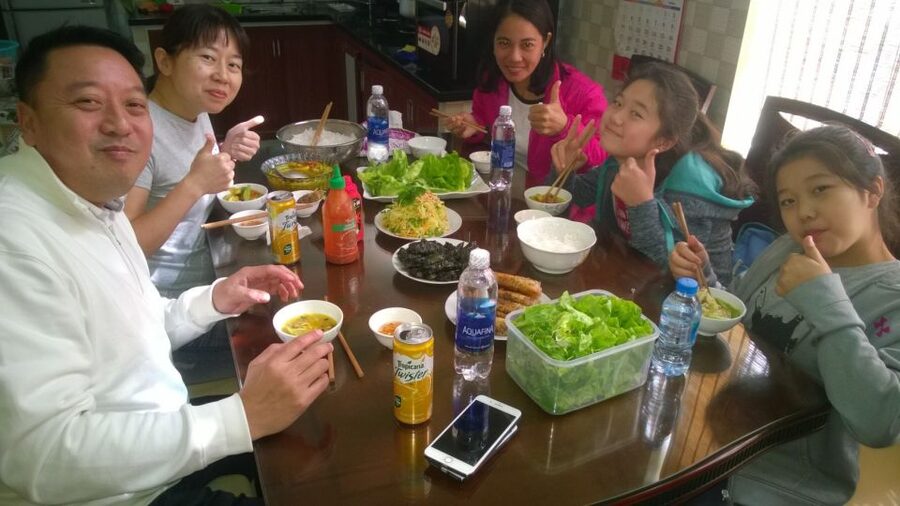
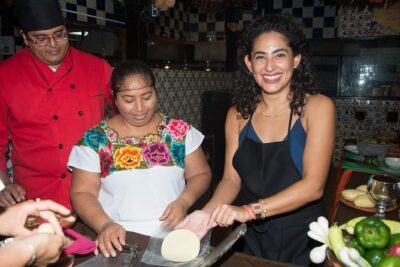
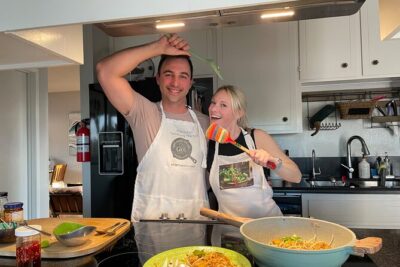
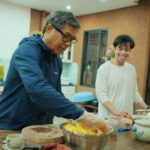
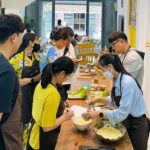
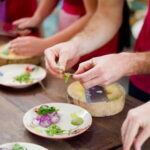
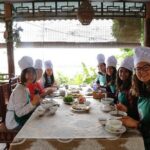
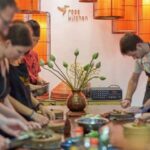
After the market and farm walk, you head to a local home for the cooking class. This is where the day becomes hands-on. You’ll learn how to cook traditional Vietnamese recipes with your host and the family, using fresh vegetables and fruit from the area.
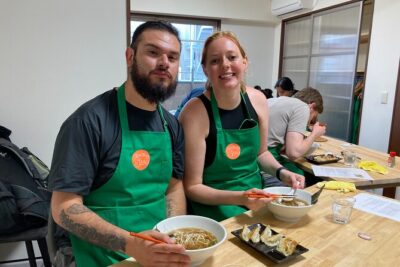
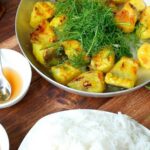
One practical detail: you’ll be sent a detailed menu so you can choose what you’ll cook. That choice matters because it shapes your whole experience, from what you chop and stir to what you end up eating. You’ll also enjoy drinks and a meal that comes from what you cooked, with tea and traditional cake included along the way.
The best setup here is the family element. Cooking in a home kitchen changes the vibe instantly. Instead of feeling like you’re watching a performance, you’re part of a lived-in routine—where people share food, answer questions, and explain how they do things at home.
It’s also a food lesson disguised as a cultural one. You’ll get a feel for flavors and ingredients that match what you saw at the market and farm. That connection is why people walk away thinking the cooking class is the standout part, not just an add-on.
The Private Host Factor: English Guidance with Real Questions
This is a private group tour, so you’re not squeezed into a rushed crowd. You’ll travel with a local host who speaks English, and the focus stays on conversation and understanding rather than checkpoint tourism.
In practice, this means you can ask follow-up questions like what certain crops are used for, how people handle farming work, and what the market means to surrounding villages. In places where the language barrier is real, a thoughtful host is the difference between seeing and understanding.
Also, the family portion isn’t a side detail. The home kitchen is where cultural exchange lands. You’ll share food, drink tea, and talk about family life and customs—simple, human stuff that doesn’t feel like a lecture.
Hosts such as Mandy or Manh (names that have come up for this experience) tend to keep things friendly and grounded, and they help you connect the dots between market, farm, and cooking.
How the 4 Hours Feel on the Ground
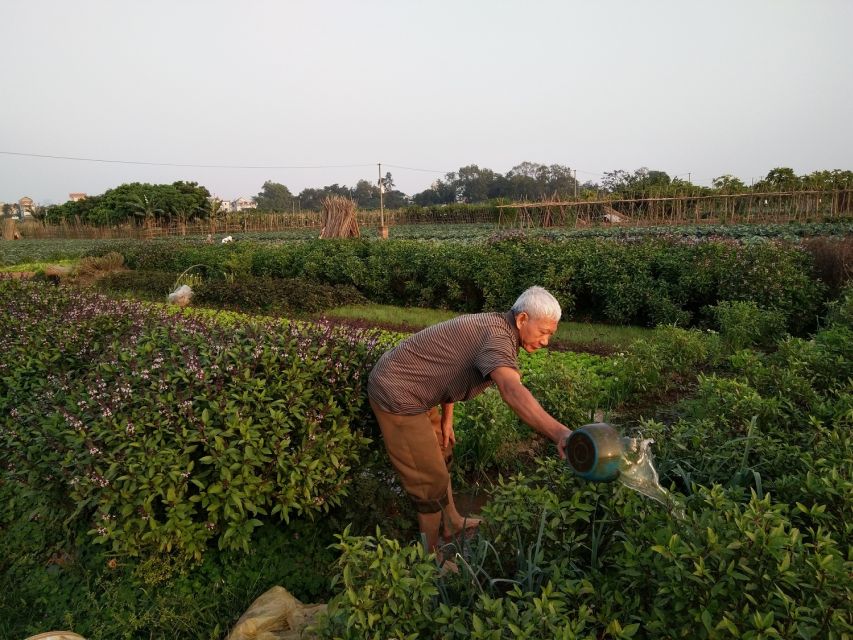
The total duration is 4 hours, and it includes the drive, the market, the farm walk, and the cooking. That sounds compact, and it is. The trick is that the tour is designed so every stop builds on the last, so you’re not bouncing around with dead time.
Expect the drive first, since the village is about 18 km from Hanoi Old Quarter and takes around 35–40 minutes by car. Once you arrive, the market visit sets the rhythm. On a market day, the pace can feel busy because the action is real and ongoing.
After that, the farm walk gives you a slower, greener feeling. You’ll move through fields and orchards, then finish in the home kitchen where you’ll work, eat, and chat. By the end, you’ll likely feel like you did more than a tour—you’ll feel like you spent time with a household and a community.
If you’re sensitive to pace, plan for the fact that markets can be crowded and lively. If you prefer calm movement with lots of sitting down, you might want to balance this day with quieter activities elsewhere in Hanoi.

Price and Value: Why $43 Can Make Sense Here
The price is $43 per person, and it’s worth looking at what you’re actually getting. You’re paying for a private English-speaking local host, market and farm visits, a cooking class, and then a full meal with drinks. On top of that, you’re also getting access to a family home experience, which is typically harder to arrange on your own.
The cost also reflects the structure of the day. It’s not just watching food prep. You’re learning in stages: market ingredients and culture first, then farming, then cooking, then eating. That full chain is what makes the value feel real.
One item to factor in: transfers from your hotel are not included. The good news is the local guide recommends using a taxi to reach the village, and it’s described as the cheapest and most comfortable way. So your only extra cost is getting to the meeting point, which keeps the base price focused on the actual experience.
Practical Notes Before You Go (So Nothing Feels Hard)
Plan on arranging your own taxi to the meeting point at Đình Phương Viên, Đê Song Phương, Hoài Đức, Hà Nội. The activity ends back at this same meeting point, so think of it like a local outing where you meet, go, and return to one spot—not a door-to-door hotel tour.
Bring the basics for comfort. Since the route includes walking through farms and gardens, wear shoes you feel good in for uneven ground. Also, keep expectations realistic for a farm-to-home schedule: markets can be noisy and active, and the cooking time is active too.
One clear limitation: the tour is not suitable for pregnant women. If you’re traveling with someone who needs easier access or a fully seated schedule, it’s worth choosing a different kind of Hanoi experience.
Should You Book This Hanoi Farm Tour and Cooking Class?
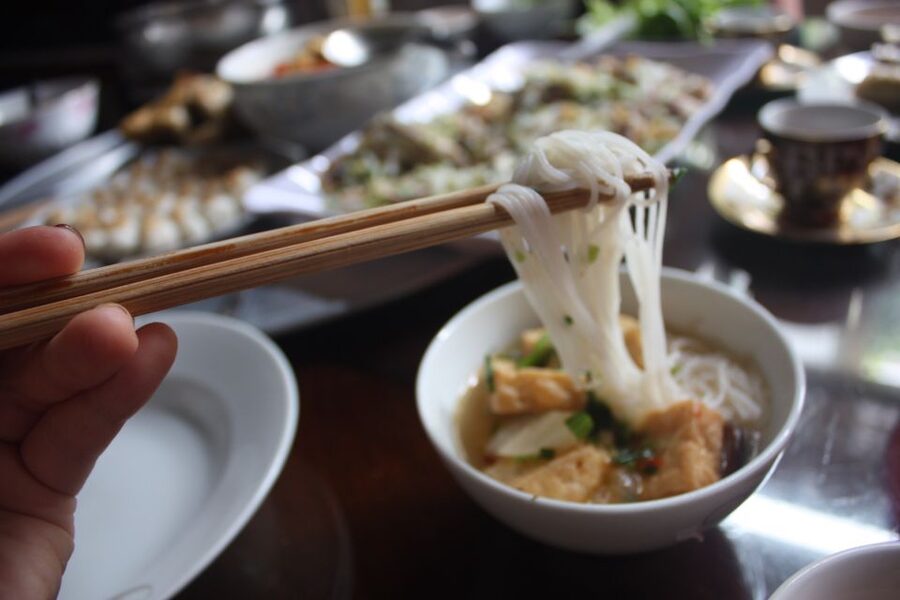
If you want more than a quick food show, book it. This is the kind of day where you see the ingredients growing, learn how they connect to the market, then cook and eat them in a family kitchen. The overall flow is designed to make the meal feel meaningful, not just tasty.
You should also book if you like talking to locals and getting an English guide who can explain what you’re seeing without turning it into a lecture. If you’re okay handling taxi logistics and a 4-hour commitment, this is strong value for a unique home-cooking experience just outside Hanoi.
FAQ
How long is the Hanoi Farm Tour and Cooking Class?
The experience lasts 4 hours, with starting times depending on availability.
Where is the meeting point, and where do we end?
You start at Đình Phương Viên, Đê Song Phương, Hoài Đức, Hà Nội, and the tour ends back at the same meeting point.
What is included in the $43 per person price?
The price includes a private English-speaking local host, market and farm visits, the cooking class, your meal, and drinks.
Do I need hotel pickup or transfer?
No. Transfer from your hotel is not included, and the recommendation is to book a taxi to reach the village.
What happens if my day is not a market day?
If you visit on a non-market day, the tour visits another market with local produce such as fish, vegetables, fruits, and meat.
What crops and fruits will we see on the farm walk?
You’ll walk vegetable fields with bitter melon, corn, cauliflower, cabbage, tomatoes, green peas, and soybean. You’ll also see fruit gardens with oranges, pomelos, papayas, guavas, and bananas.
Is the guide English-speaking?
Yes. The host provides a live English-speaking guide.
Can I cancel and get a full refund?
Yes. Free cancellation is available up to 24 hours in advance for a full refund.