REVIEW · KYOTO
Izakaya Style Cooking Class
Book on Viator →Operated by Cooking Sun · Bookable on Viator
Kyoto’s best food lessons are the ones you can cook again at home. This izakaya-style cooking class at Cooking Sun has you learning Japanese seasoning, making dashi, then sitting down to enjoy what you cook. I especially like the hands-on pace and the clear guidance from Keiko and her team, with support that keeps even slower cooks moving.
I also like the take-home value: you leave with recipes designed for real home kitchens, not just show-and-tell cooking. One consideration: dinner is included, but food and drinks aren’t automatically covered beyond that, so if sake (or other extras) get offered, confirm the price before you order.
In This Review
- Quick highlights
- Why an izakaya class feels more Kyoto than another dinner plan
- Cooking Sun Kyoto and the traditional wood-house setup
- The real lesson: dashi, seasoning, and getting flavor right
- Your izakaya menu: multiple dishes, seasonal swaps, and a real dinner finish
- How the 3-hour flow works, from izakaya history to your knife time
- Price and value: what $71.63 buys you in Kyoto
- Who should book this izakaya cooking class
- Taking it home: turning recipes into real Japanese meals
- Should you book the Izakaya Style Cooking Class?
- FAQ
- How long is the cooking class?
- What time does the class start?
- Where does the class take place?
- How many people are in a booking?
- Is there an English-speaking instructor?
- What’s included in the price?
- Are drinks included with dinner?
- Can I get a full refund if I cancel?
Quick highlights
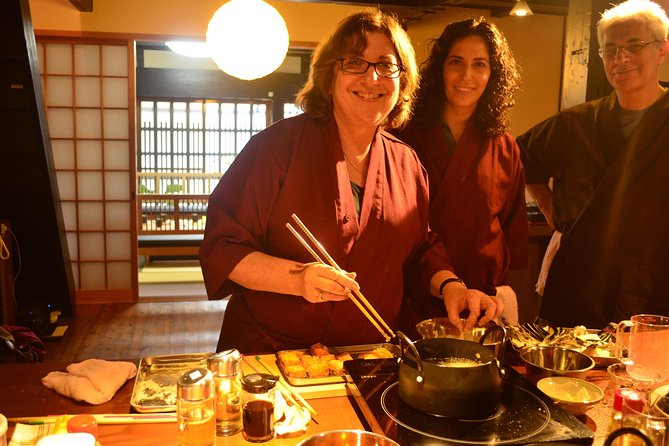
- Small group size (max 8) so you get practical attention, not just a front-row view
- English-speaking cooking instructor with step-by-step help
- Dashi and seasoning techniques that make everything taste more Japanese, faster
- Dinner included, after you cook a multi-dish izakaya spread
- Seasonal menu swaps, so the exact dishes can vary based on what’s available
Why an izakaya class feels more Kyoto than another dinner plan
Izakaya is Japan’s answer to tapas energy: casual, shareable plates designed for good conversation and easygoing appetite. The cool part here is that you’re not only eating familiar tourist dishes. You’re learning the building blocks behind popular home-and-izakaya favorites, so you understand why the flavors work together.
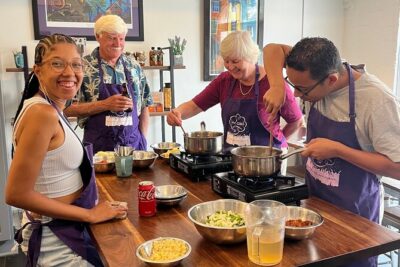
This format also beats the usual “watch someone cook” class. You get real time at your station, with guidance that helps you hit the basics: seasoning balance, texture, and timing. That matters in Japanese home cooking, where a small change in stock strength or sauce thickness can shift the whole dish.
You can also read our reviews of more tours and experiences in Kyoto.


Cooking Sun Kyoto and the traditional wood-house setup
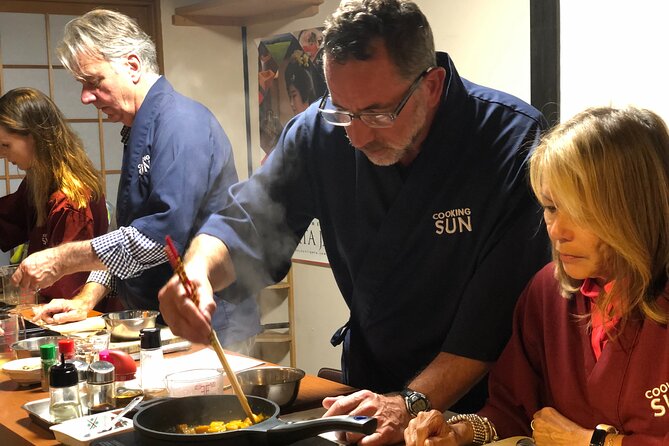
The class meets at Cooking Sun Kyoto, 679 Funayachō, Shimogyo Ward. You start at 2:00 pm, and it’s set up so you end back where you began. With a maximum of 8 people per booking, you’re working in a calmer space than you’d expect from many group tours.
It’s also described as a traditional wood house in Kyoto. That’s not just decoration. A workshop-style studio like this usually means fewer distractions and smoother movement between prep, cooking, and eating. You’ll also get an apron, which sounds small, but it helps you focus instead of worrying about your clothes.
The real lesson: dashi, seasoning, and getting flavor right
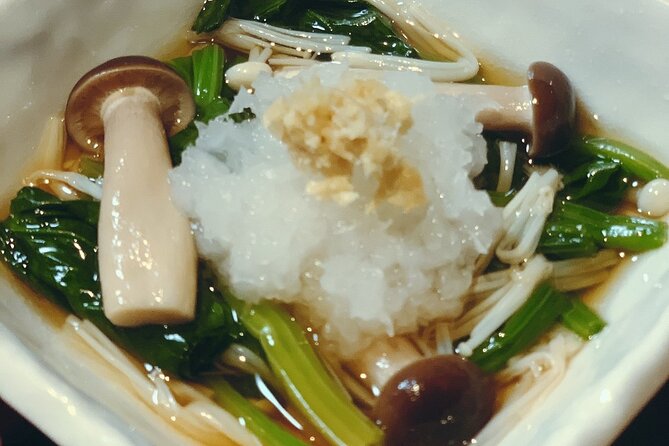
The centerpiece of the class is learning how to make dashi, Japanese soup stock. Dashi is one of those foundations that makes a lot of Japanese cooking taste instantly more authentic. Even if you’ve had miso soup before, dashi is the skill that helps your cooking taste layered instead of flat.
You’ll also learn Japanese seasoning techniques as part of the lesson. That includes how sauces and seasonings behave differently depending on ingredients and heat. Expect guidance on how to think through what you’re doing, not just which button to press or when to add a splash. The goal is for you to replicate the dish later without guessing.
If you’re a beginner, the class is structured to keep you moving step-by-step. If you cook already, you’ll still pick up useful nuance—especially around stock and sauce adjustments. Japanese cooking often rewards attention to consistency, so you get practice where it counts.
Your izakaya menu: multiple dishes, seasonal swaps, and a real dinner finish
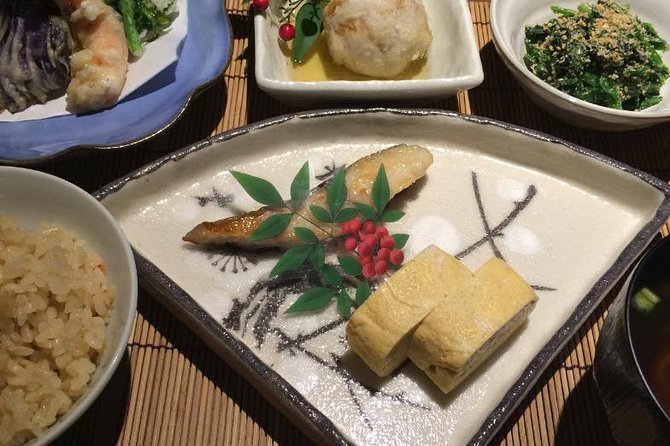
The class is built around making and eating an izakaya-style meal. While the exact lineup can change with seasonal ingredient availability, you should expect a mix of Japanese home favorites and casual izakaya plates.
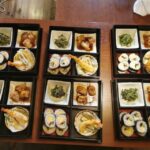
Typical dishes that may appear include things like:
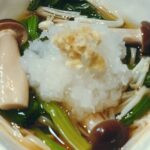
- spinach with sesame sauce
- teriyaki yellowtail
- vegetable chowder
- mushroom tempura
- rice with vegetables
Some previous menus also included cucumber salad, pumpkin soup, and a mochi dessert. The important takeaway is that you’re cooking across different categories: warm soups, crispy-fried items like tempura, sauced vegetables, and rice. That variety trains you on different techniques instead of repeating the same method five times.
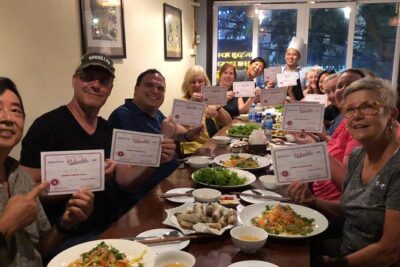
You’ll finish by sitting down with the group to enjoy the meal you made. That part is more than a reward. Eating immediately after cooking helps you connect flavor decisions to results while everything is still fresh in your mind.
One more detail worth planning for: come hungry. Since this is a hands-on dinner experience, the portions can add up fast once everything hits the table.
How the 3-hour flow works, from izakaya history to your knife time
Even though the class is short—about 3 hours—the structure is designed to keep the learning dense without feeling rushed.
It typically starts with an introduction to the origins of izakaya. You’ll hear how it’s often traced back to the 18th century, when rice was taxed to brew sake, and how Edo-era sake bottle shops helped shape the izakaya culture by serving food alongside sake. The modern izakaya is basically a budget-friendly social spot where people snack and linger.
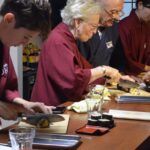
Then you move into ingredient and technique basics with your English-speaking chef. After demos, you get hands-on and do the work: knife time, sauce work, and bringing the dishes together. Many classes also keep prep efficient, so you spend more energy cooking than chopping for hours.
Finally, you eat as a group. That dinner is part of the value because it turns the class into a complete experience: learn, cook, then enjoy right away.


Price and value: what $71.63 buys you in Kyoto
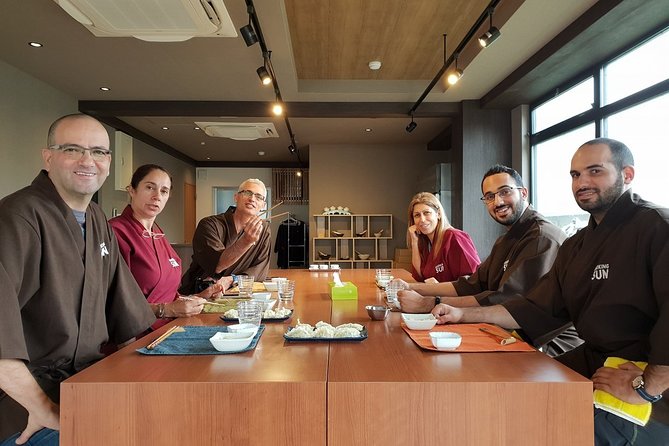
At $71.63 per person for a 3-hour class, the value depends on what you usually pay in Kyoto for food-focused activities. Here, you’re not just paying for a seat at dinner. You’re paying for:
- all ingredients for the cooking
- dinner
- an English-speaking cooking instructor
- an apron
- recipes to take home
That’s a big difference from a basic tasting. With cooking classes, the ingredients and teaching time are a real cost, and the take-home recipes are what make the class payoff last beyond the day you book.
Also, this runs in a small group (max 8), which makes the per-person price feel more reasonable. If you’ve done bigger group workshops before, you know how quickly “hands-on” can turn into “watching while someone else handles the hard parts.” This format aims to avoid that.
One practical note: food and drinks beyond dinner aren’t automatically included unless specified. So if you’re expecting sake or other drinks, budget a little extra and confirm costs up front.
Who should book this izakaya cooking class
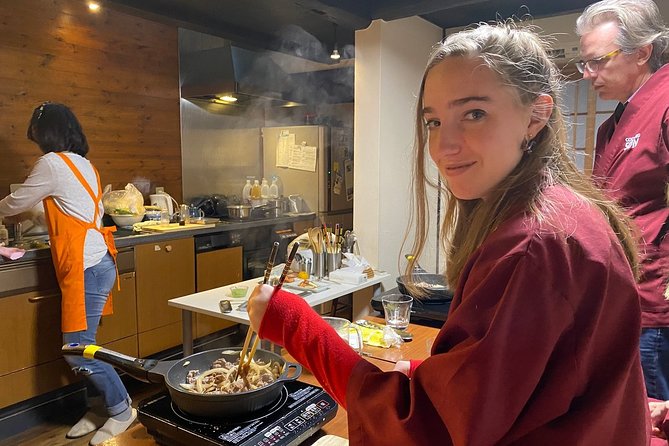
You’ll have the best time if you want more than a meal. This is ideal for:
- travelers who like practical skills they can repeat at home
- food lovers who want to understand Japanese flavor foundations like dashi
- couples, friends, or small families who want an activity that still ends with a proper dinner
It also fits a range of cooking experience. The class design includes support so beginners don’t feel lost, while cooks still find enough technique and sauce logic to feel satisfied.
If you have dietary needs, you should advise the team at booking. The only thing I’d be cautious about is assuming it will be identical to the standard menu every time. But the team is set up to handle dietary requirements based on what they’re told in advance.
Taking it home: turning recipes into real Japanese meals
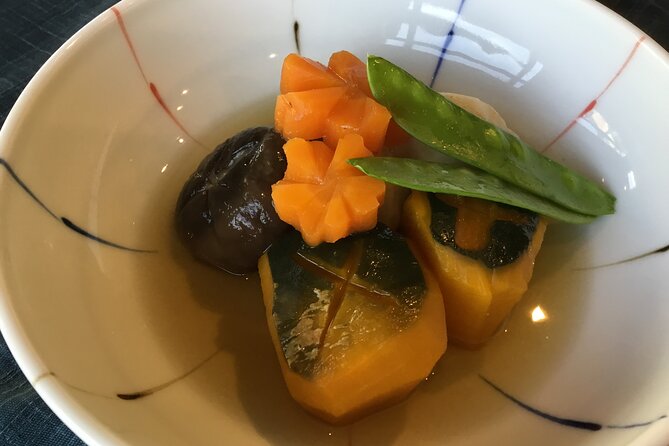
The class doesn’t end when you leave. You take the recipes with you, which is where this type of experience pays off. The goal is for you to recreate dishes for friends and family without needing a Japanese kitchen full of specialty items.
When you cook at home after this class, focus on the core techniques you practiced:
- make dashi (and adjust the strength thoughtfully)
- season with intention, not just salt dumping
- follow sauce consistency guidance so textures match
Also, ask your guide for tips and recommendations before you go. Even one small suggestion—like how to tweak seasoning for a certain ingredient—can save you from repeat mistakes later.
Should you book the Izakaya Style Cooking Class?
If you’re in Kyoto and want a food experience that’s hands-on, teachable, and repeatable, I think you should book this. The combination of dashi-focused learning, a multi-dish izakaya spread, and recipes to take home is a strong mix of fun and long-term value.
I’d consider skipping or adjusting expectations if you’re mainly looking for a drink-and-stroll nightlife vibe, or if you only want a very specific set of dishes. Because menus can shift with seasonal ingredients, plan to enjoy the cooking journey rather than hunt for one exact plate.
FAQ
How long is the cooking class?
It runs for about 3 hours.
What time does the class start?
The start time is 2:00 pm.
Where does the class take place?
It meets at Cooking Sun, 679 Funayachō, Shimogyo Ward, Kyoto, 600-8466, Japan.
How many people are in a booking?
A maximum of 8 people per booking.
Is there an English-speaking instructor?
Yes. The class includes an English-speaking cooking instructor.
What’s included in the price?
Dinner, all ingredients for cooking, an English-speaking cooking instructor, and an apron.
Are drinks included with dinner?
Food and drinks are not included unless specified. Dinner is included, but you may want to confirm any additional drinks cost before ordering.
Can I get a full refund if I cancel?
Yes, free cancellation is offered. You can cancel up to 24 hours in advance for a full refund; within 24 hours, the amount paid is not refunded.