REVIEW · KYOTO
Kyoto: Japanese Washoku Bento Small Group Cooking Class
Book on GetYourGuide →Operated by Yamamoto Rie · Bookable on GetYourGuide
Bento cooking teaches real Japanese technique. This class turns washoku—seasonal, balanced Japanese home cooking—into something you can actually make, from dashi to tempura, taught by chefs like Ai and Chef Yamamoto Rie. It’s run in a small group (max 5), so you’re not just watching.
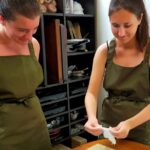
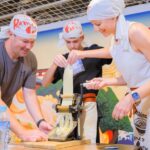
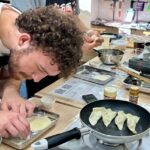
I like the hands-on focus: you work with a knife using a proper Japanese approach and you learn the key steps behind tempura frying and bento components. I also love that you don’t end with one item—you build a full bento box and eat it together with the group.
The main trade-off is time and intensity: it’s 150 minutes centered on cooking and eating, and you need to arrive on time at Kyoto Laundry Cafe, because arriving more than 15 minutes late can cancel your reservation.
In This Review
- Key things I’d pay attention to
- Kyoto Laundry Cafe to Saiin: how the class really starts
- Washoku and the bento idea: why this lunch format matters
- Your 150 minutes of food: the 4-dish bento menu
- Dashi stock and tempura frying: the techniques that transfer to your kitchen
- Dashi: the flavor base you’ll use again
- Tempura: technique over luck
- Knife skills in a Japanese approach: where you get better fast
- Eating together: the meal is part of the lesson
- Price and value: why $58 can be fair (or not)
- Who this bento class suits best
- Practical tips to help you enjoy it more
- Should you book this Kyoto bento class?
- FAQ
- What is the duration of the Kyoto bento cooking class?
- How many people are in the class?
- Where do I meet for the class?
- Where is the class held in Kyoto?
- What dishes will I learn to cook?
- What languages will the instructor use?
- Is there a cancellation option if my plans change?
- Can I join if I use a wheelchair or have diabetes?
- What if I arrive late to the meeting point?
Key things I’d pay attention to
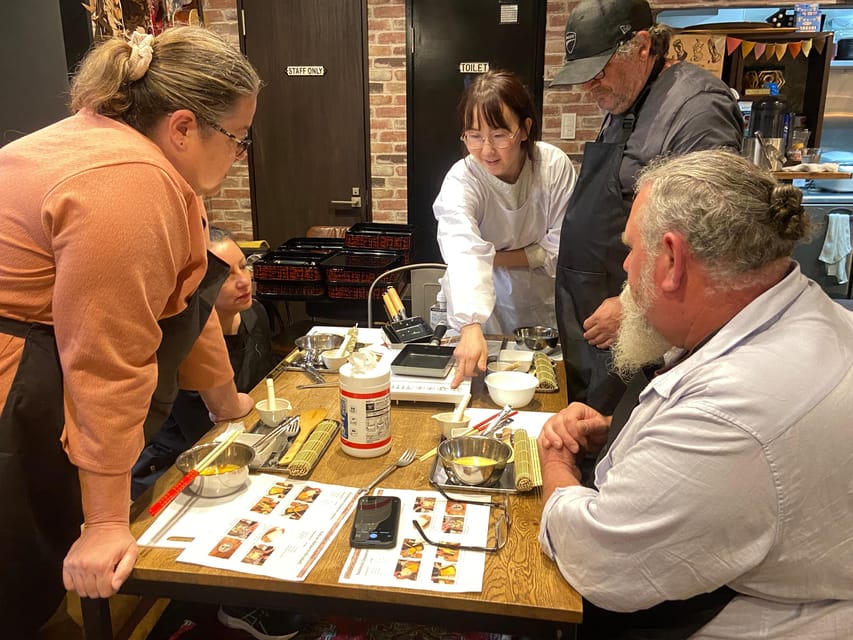
- Small group size (up to 5): more personal coaching while you’re working
- Dashi + tempura techniques: two skills you can reuse at home
- Knife skills for washoku prep: not just chopping, but Japanese-style handling
- A real 4-dish bento build: sushi rolls, tempura, tofu salad, and a rolled omelette
- Eat what you make: your bento box is both a project and the meal
Kyoto Laundry Cafe to Saiin: how the class really starts
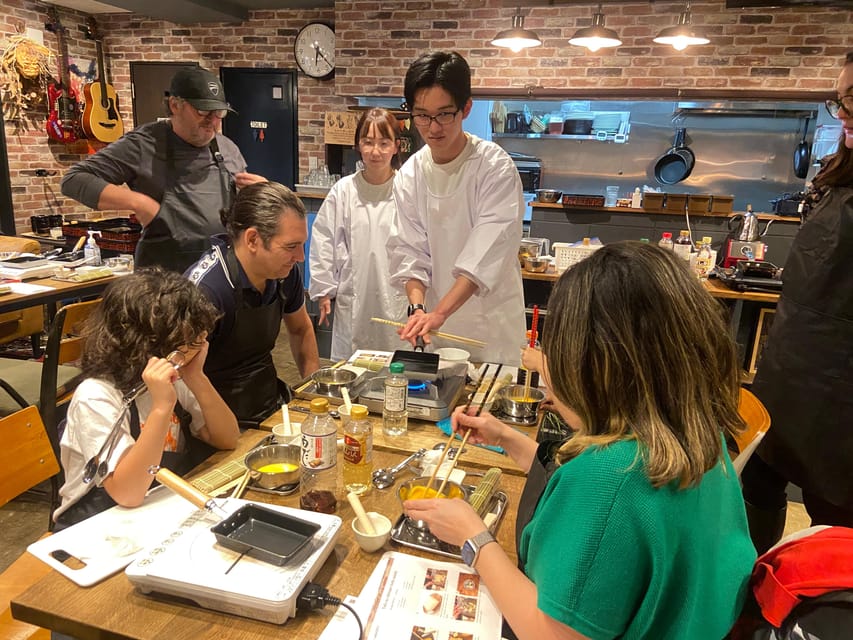
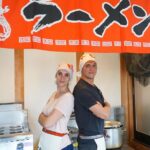
This experience starts at KYŌTO LAUNDRY CAFE (京都ランドリーカフェ), which acts as the meeting point. The class is held near Saiin Station on the Hankyu Railway side, and the cafe is only about 5 minutes from the station—useful if you don’t want to stress about catching the chef at the last second.
On the day, the chef comes to pick you up at the cafe. That’s a nice touch because it removes the guesswork of where the kitchen is. Just don’t treat this like a casual meet-and-greet: the schedule matters. If you show up more than 15 minutes late, your reservation can be canceled automatically, and they won’t be able to accommodate last-minute schedule changes tied to late arrivals.
Once you’re with the group, the tone is very “work at the station, learn the method.” This isn’t a lecture-heavy cooking tour. You’ll move into prep and cooking right away, guided in English and Japanese, depending on the instructor.
You can also read our reviews of more tours and experiences in Kyoto.
Washoku and the bento idea: why this lunch format matters
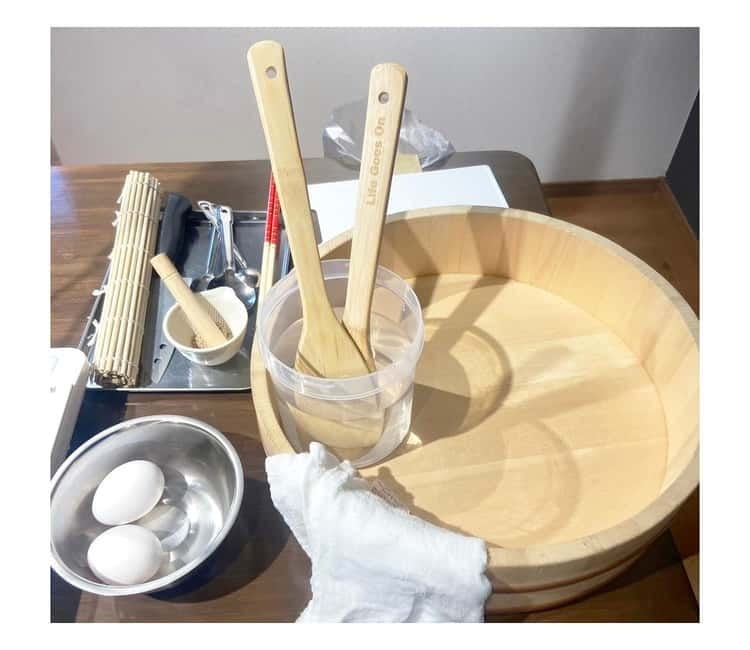
Bento isn’t just food packed in a box. In washoku, it’s a way to think about balance—flavor, color, and texture—and how you portion dishes so they’re enjoyable together, even when the meal is portable.
In this class, that philosophy shows up early. You’re learning how Japanese people think about lunch as a set of separate dishes that work as a unit. That matters because bento training pushes you beyond “cook one thing.” You learn how to plan a meal where different components bring different roles: something crispy, something savory, something light, and something comforting.
You’ll also pick up the context behind the food you’re making. Several parts of the class focus on what bento is and how it relates to everyday Japanese eating today. The chefs (including Ai and Chef Yamamoto Rie) tend to explain not only the how, but the why—like why dashi is such a backbone flavor in washoku and why tempura isn’t just frying, it’s timing and technique.
That context is what makes this feel more useful than a one-off recipe session.
Your 150 minutes of food: the 4-dish bento menu
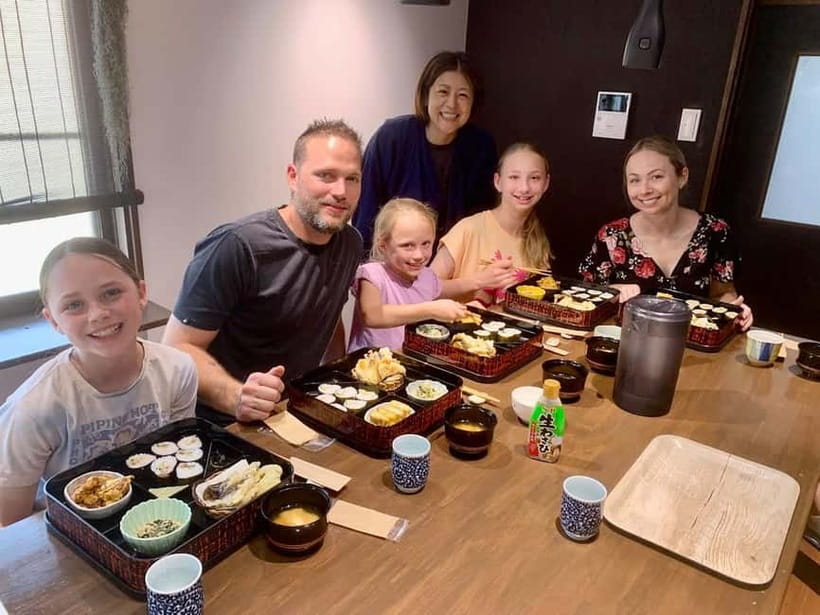
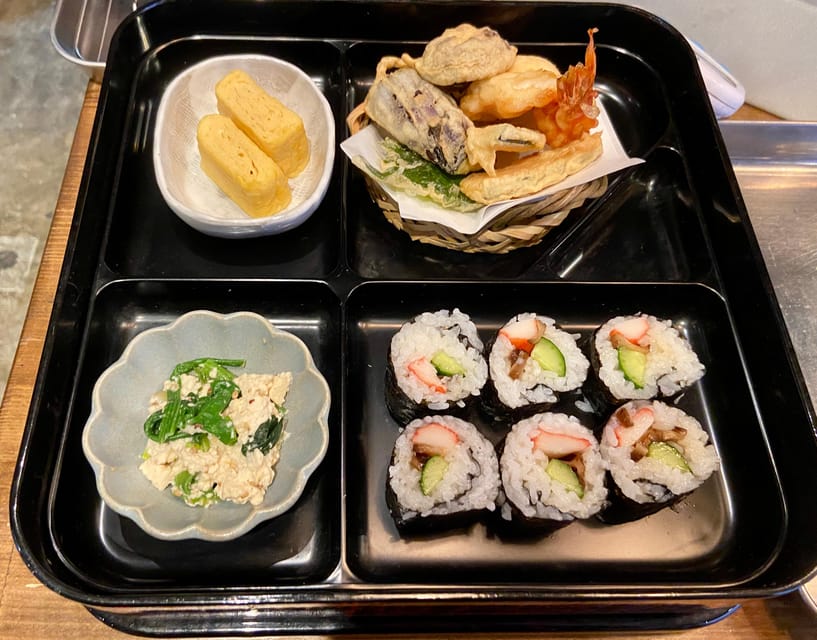
The class builds a complete bento box, and you’ll learn multiple techniques rather than one specialty dish. The menu revolves around 4 dishes, plus the core foundations like dashi and proper prep.
Here’s what you can expect to make:
- Sushi rolls
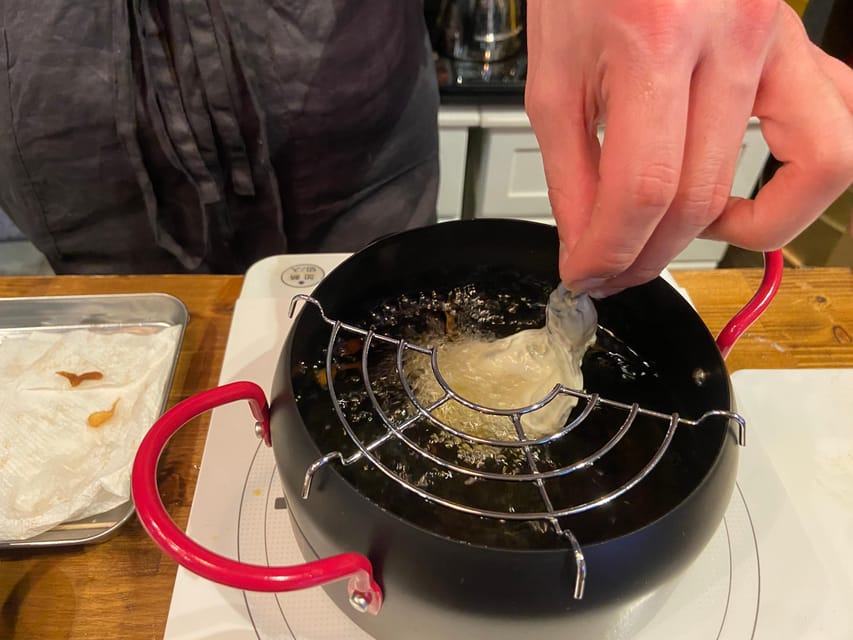
- Tempura
- Tofu salad
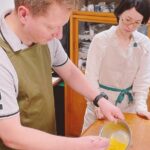
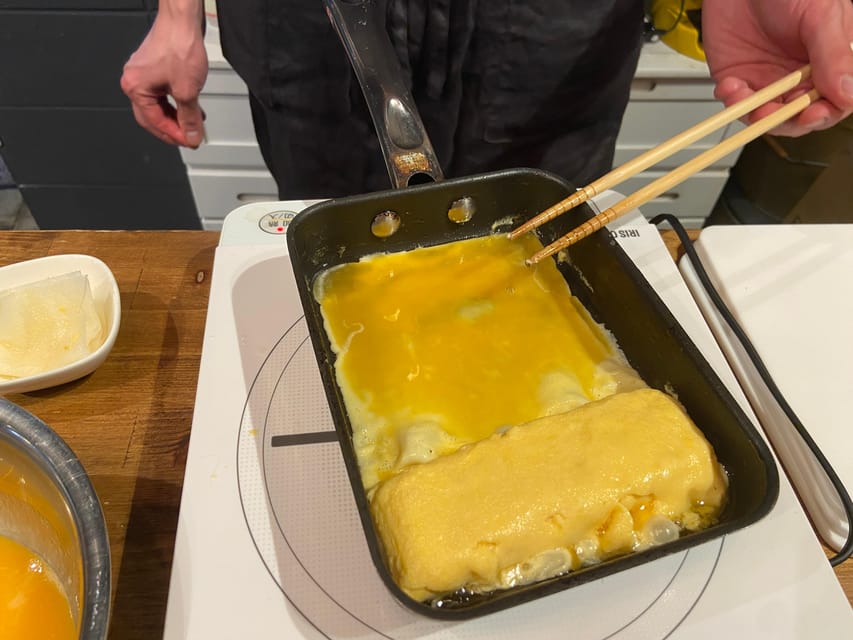
- Japanese rolled omelette
It’s worth noting that the bento box is designed as a “separate dishes” meal. So you’ll do different styles of cooking in the same session: rolling, frying, assembling, and controlling doneness.
Also, you’re not left with a tiny tasting. The class is structured so you cook enough to enjoy a big shared meal at the end. Many people explicitly note that it’s a lot of food—so yes, plan to arrive hungry.
Dashi stock and tempura frying: the techniques that transfer to your kitchen
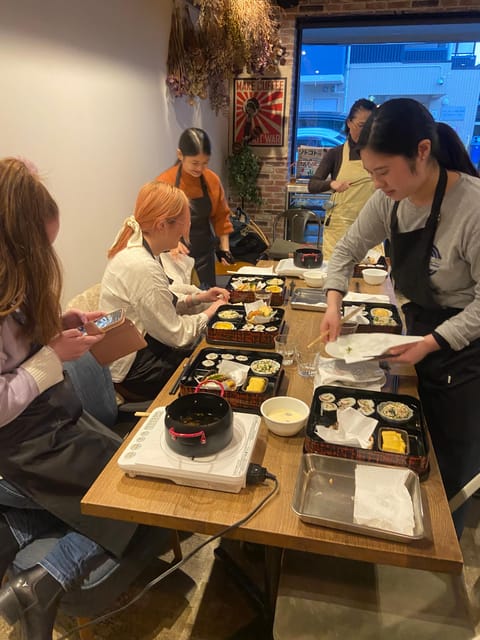
Two parts of this class tend to make the biggest impression: making dashi stock and learning how to fry tempura.
Dashi: the flavor base you’ll use again
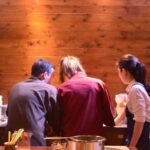
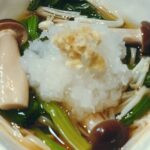
Dashi is the savory foundation behind a huge range of Japanese dishes. In this class, you learn how to make it as part of the cooking flow, not as a separate science lesson. When you understand how dashi is built and used, you stop treating Japanese flavors as a mystery. You can recreate the taste profile at home when you’re making soups, dipping sauces, or adding depth to simple dishes.

Tempura: technique over luck
Tempura sounds straightforward—fry something batter-coated. But good tempura is about control: managing heat and understanding how the batter behaves. This class teaches you the practical method, including how to handle the frying steps so your results come out more consistent.
What I like here is that you aren’t just told “be careful.” You practice the process with guidance, so you learn the approach, not just the recipe. And since tempura is one of those dishes people often fear cooking at home, that’s real value.
Together, these two techniques give you a shortcut: after Kyoto, you’re not only able to make bento—you can build washoku flavor into other meals too.
Knife skills in a Japanese approach: where you get better fast
Knife work is the quiet hero of this class.
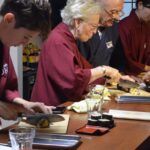
You’ll work on knife skills and learn a proper Japanese approach to prep. That can be surprisingly empowering if you’ve only ever cooked from the side of a cutting board with whatever speed feels comfortable. In a bento-focused class, the knife matters because each component needs its shape, size, and prep style.
Even if you’re not a confident cook, you should find that the instruction is practical: how to hold the knife, how to handle ingredients, and how to prep in a way that supports the dish you’re making next.
Small group size also helps here. With a limit of 5 participants, the instructor can correct technique while you’re working instead of waiting until the end when it’s too late to change anything.
This is the kind of skill that sticks. You might not remember every ingredient detail, but if you leave with improved chopping habits, you’ll feel the difference the next time you cook.
Eating together: the meal is part of the lesson
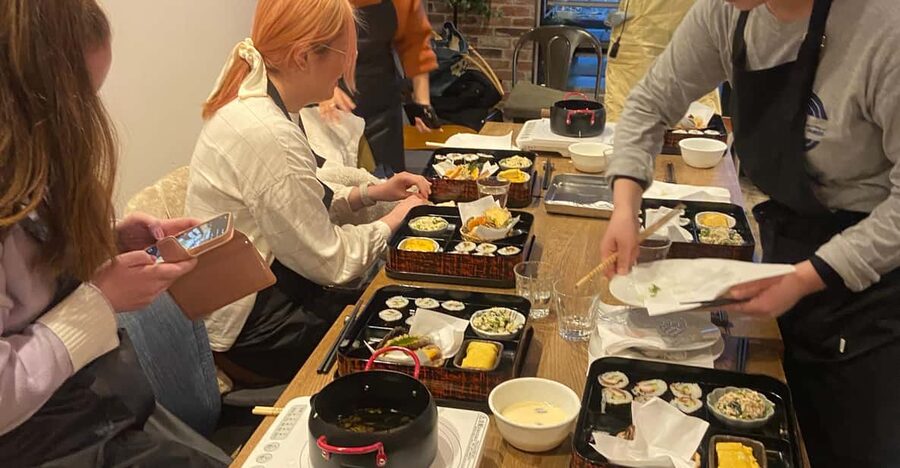
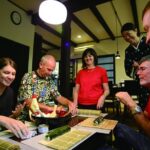
This class isn’t only about cooking in silence. After everything is made, you eat together while chatting with the people in your group. That shared meal matters because it closes the loop: you taste what you built and see how the different bento components work side by side.
It also gives context to the flavor choices. When you eat your own sushi rolls, tempura, tofu salad, and rolled omelette, it becomes easier to understand what the chefs were aiming for—balance, texture contrast, and that clean washoku feel.
Many people mention that the class atmosphere stays friendly and encouraging, with instructors answering questions as you go. In practical terms, that means you can ask things like what to focus on next time, or how to adapt the technique for your own kitchen.
Price and value: why $58 can be fair (or not)
At $58 per person for 150 minutes, this class lands in the “good value if you want hands-on cooking” category.
You’re paying for:
- a trained instructor (English/Japanese)
- ingredients and equipment (including aprons)
- instruction for multiple techniques, not just one dish
- a full 4-dish bento outcome plus a shared meal
If you’re used to food tours that cost about the same but give you more eating than learning, the value here shifts toward skill-building. You’re not only tasting Japanese food—you’re learning repeatable methods: dashi, tempura frying, knife work, and how to think in bento sets.
The one way this might feel less worth it is if you’re not interested in cooking or you’re only looking for quick sightseeing. This is a kitchen experience first. If you’re the type who enjoys making things (even imperfectly at first), it’s a strong pick.
Who this bento class suits best
This is a great fit if:
- you want a true cooking class rather than a tasting-only experience
- you like structured guidance but still want to do the work yourself
- you’re excited by washoku and seasonal balance, not just learning one “famous” dish
- you’d like skills you can carry home and use for lunches
It’s also a strong option for a first cooking class in Japan because bento teaches you a lot at once: technique, portioning, and flavor balancing.
Two additional notes from the provided info:
- It’s not suitable for wheelchair users and certain health situations (including people with diabetes as stated).
- It’s not set up for very young children (it lists restrictions for children under specific ages).
If you’re in a small group and want maximum instruction time, the limit of 5 participants is a big advantage.
Practical tips to help you enjoy it more
A few things I’d do before you go:
- Plan your arrival so you’re at Kyoto Laundry Cafe on time for pickup. The 15-minute late cutoff is strict.
- Come with a healthy appetite. This is not a snack class; you’ll cook a lot and eat what you make.
- If you have allergies, bring them up with the team. One guest reported that a shrimp allergy was handled with a substitution, which suggests the instructors can be flexible when informed.
Also, the class is in English and Japanese, but you don’t need Japanese to participate. If you’re learning or curious, the bilingual support makes it easier to understand the technique steps and the food context.
Should you book this Kyoto bento class?
If you want one afternoon in Kyoto that teaches real skills, I’d book it.
This class hits the sweet spot: hands-on cooking, a full bento box build, and high focus on repeatable techniques like dashi and tempura. The small group setup makes it easier to ask questions and get corrections while you cook. And because you end up eating what you make, it feels satisfying, not rushed.
I’d skip it only if you’re not interested in cooking at all, or if your schedule is likely to be late—because that pickup timing matters more than it does in many other activities.
FAQ
What is the duration of the Kyoto bento cooking class?
The class lasts 150 minutes (about 2.5 hours).
How many people are in the class?
It’s a small group limited to 5 participants.
Where do I meet for the class?
Meet at KYŌTO LAUNDRY CAFE (京都ランドリーカフェ). The chef picks you up at this location.
Where is the class held in Kyoto?
The cooking class is held near Saiin Station (Hankyu Railway).
What dishes will I learn to cook?
You’ll make a bento box with 4 dishes: sushi rolls, tempura, tofu salad, and a Japanese rolled omelette. You’ll also learn how to make dashi stock.
What languages will the instructor use?
The instructor speaks English and Japanese.
Is there a cancellation option if my plans change?
Yes. You can cancel up to 24 hours in advance for a full refund.
Can I join if I use a wheelchair or have diabetes?
No. The activity states it is not suitable for wheelchair users and people with diabetes.
What if I arrive late to the meeting point?
If you arrive more than 15 minutes after the scheduled meeting time, the reservation is automatically canceled, and schedule changes due to late arrival aren’t accommodated.