REVIEW · SEOUL
(Seoul) Korean Cooking Class with a Professional Chef
Book on GetYourGuide →Operated by Ricely Cooking Studio · Bookable on GetYourGuide
Cooking something real beats memorizing a list. This Seoul-area Korean cooking class (in Gyeonggi Province) is built around a relaxed, small-group format where you cook your own meal at your own station with tips Koreans use at home. I like that it stays practical—hands-on prep, actual cooking, and then you sit down to eat. I also like that you get take-home help in the form of recipes and photos/videos. One consideration: the menu is set by the day, so you’ll want to match your visit to the dishes you’re most excited about.
The host, Da-ye, runs Ricely Cooking Studio and also owns the British brunch cafe Nosh in Seoul. She teaches Korean food in English and brings a background in hotel culinary arts plus years of menu consulting and cross-cultural cooking instruction. Because it’s limited to active participants, you should plan this as a focused 2.5-hour experience, not a social hangout with friends watching from the sidelines.
In This Review
- Key Points You’ll Care About
- Seoul-Area Korean Cooking Class, The Setup That Makes It Work
- Who You’re Learning From: Da-ye’s Korean Food Background
- What You Cook: The Menu by Day (Choose Your Day Like a Food Planner)
- Monday & Tuesday: Korean Home-Cooked Meal Comfort Set
- Wednesday: Korean Street Food (Bunsik) Day
- Thursday: Another Home-Cooked Set, More Fermentation and Pan-Cooking
- Friday: Vegan Korean Home-Cooked Meal
- The Class Flow: How the 2.5 Hours Usually Feel
- What You Take Home: Recipes, Photos, and Less Guesswork Later
- Price and Value: What $105 Gets You (And Why It Can Be Fair)
- The Main Considerations: Who This Is For
- Pair It With the Rest of Your Seoul Day
- Should You Book This Seoul Korean Cooking Class?
- FAQ
- How long is the cooking class?
- What group size can I expect?
- Is the class taught in English?
- What dishes are cooked on different days?
- What’s included with the meal?
- Do I receive recipes or photos after the class?
- Is this class suitable for children?
- Is there a separate entrance?
- Can I cancel and get a full refund?
Key Points You’ll Care About
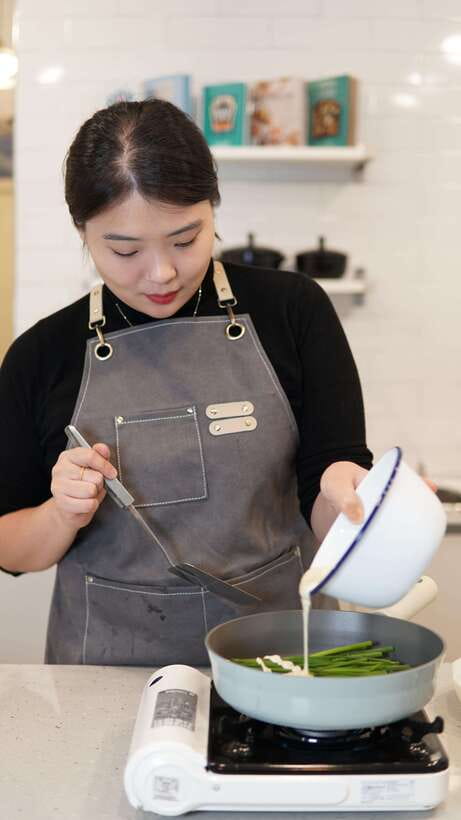
- Max 3 people per class means more direct attention while you cook
- Daily menus are different, from home-cooked classics to street food and a vegan option
- You eat what you make with rice, kimchi, and complimentary drinks included
- Da-ye teaches in English and uses home-cooking tricks, not just restaurant shortcuts
- You leave with recipe cards plus photos/videos for easier repeat cooking
- No spectators allowed, so this is best as your personal cooking time
Seoul-Area Korean Cooking Class, The Setup That Makes It Work
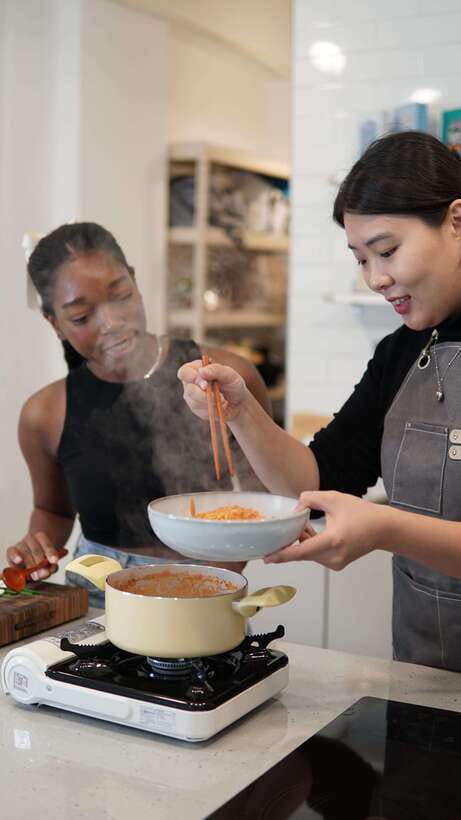
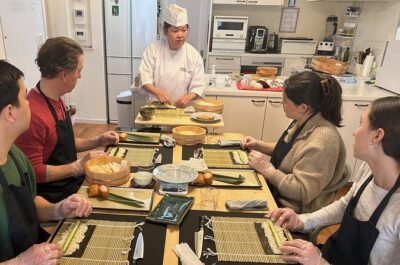
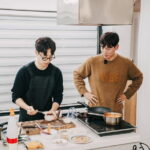
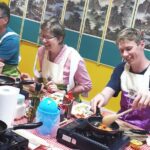
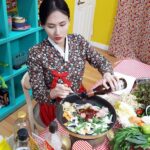
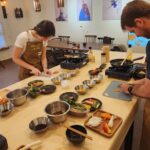
This class is designed around one simple idea: you learn Korean cooking by doing Korean cooking. You’re not watching from across the room. You’re at a station, cooking alongside the process Da-ye guides you through, with tips you can use later when you’re shopping in Seoul or recreating the food at home.
The small-group limit (maximum 3 participants) is a big deal here. Korean cooking has a rhythm—timing for pancakes, thickness for stews, how quickly sauces reduce—and the class works because your instructor can correct small issues early. It also helps if you’re not a confident cook yet. You can ask questions without feeling rushed.
Another smart piece is the way the meal is built in. The class isn’t just a cooking session that ends and leaves you hungry. You get to sit down and enjoy what you made, with rice and kimchi included and complimentary drinks during the meal. That matters, because Korean food is meant to be eaten together—savory, spicy, fermented, and comforting, often all on one table.
You can also read our reviews of more tours and experiences in Seoul.
Who You’re Learning From: Da-ye’s Korean Food Background
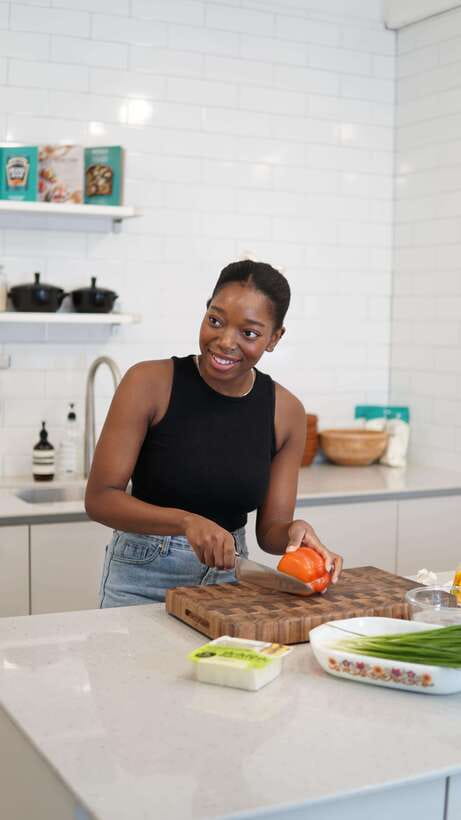
Da-ye is the owner of Ricely Cooking Studio and also runs Nosh, a British brunch cafe in Seoul. Her background is a useful mix for travelers: she studied hotel culinary arts in South Korea, moved to the UK in her 20s, then spent years exploring cuisines across Europe while doing menu consulting for restaurants interested in Korean food (including vegan and vegetarian recipes).
In practice, that usually shows up in how classes feel. You can expect explanations in English, clear steps, and cooking guidance aimed at real home kitchens—not only professional equipment. And because she’s taught many ages and nationalities over about 12 years, the class tends to stay approachable. You’re not expected to already know Korean pantry basics or technique names.
If you like food that comes with context—why something tastes the way it does—this is the style that fits. Da-ye’s teaching background in multicultural London also suggests she’s used to dietary preferences and cultural questions, especially around vegan or vegetarian requests.
What You Cook: The Menu by Day (Choose Your Day Like a Food Planner)
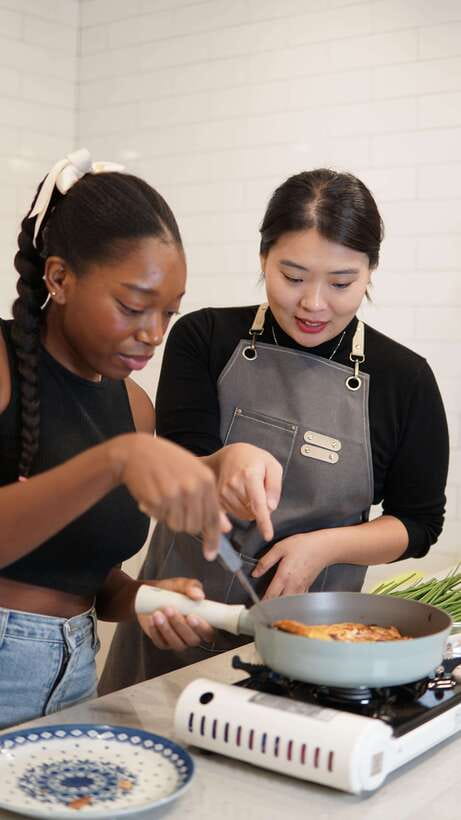
The schedule is a key decision point. You’ll want to pick the day that matches what you most want to eat, because each day has a fixed theme and a set of dishes.
Monday & Tuesday: Korean Home-Cooked Meal Comfort Set
On Mon and Tue, the class is built around a Korean home-cooked meal with 3 main dishes:
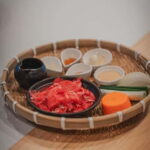
- Beef bulgogi
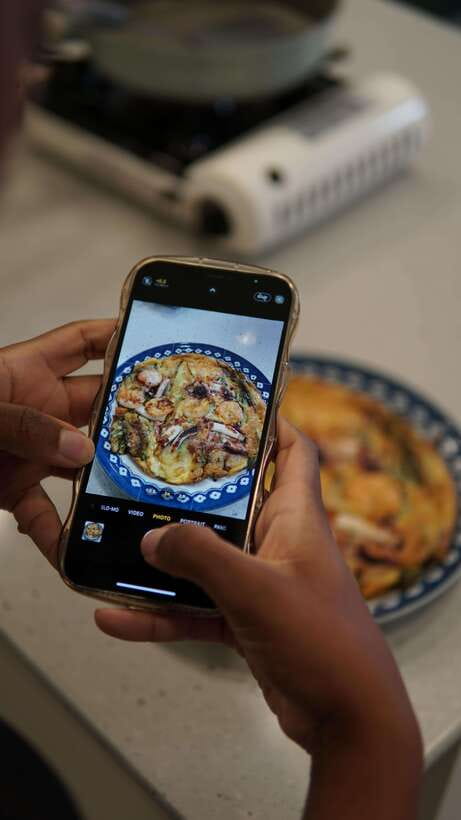
- Seafood pa-jeon (seafood spring onion pancake)
- Pork kimchi jjigae
This lineup is a classic Korea starter pack. Bulgogi gives you the sweet-savory backbone of many Korean flavors. Pa-jeon teaches you the pancake side of Korean cooking—where texture and sizzling matter. And kimchi jjigae is the cozy, fermented, spoon-food dish that makes the whole table feel complete.
If you want the most well-rounded “first Korean meal” experience, this is a strong pick.
Wednesday: Korean Street Food (Bunsik) Day
Wednesday switches to a street-food style feast:
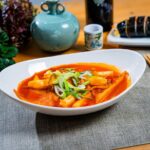
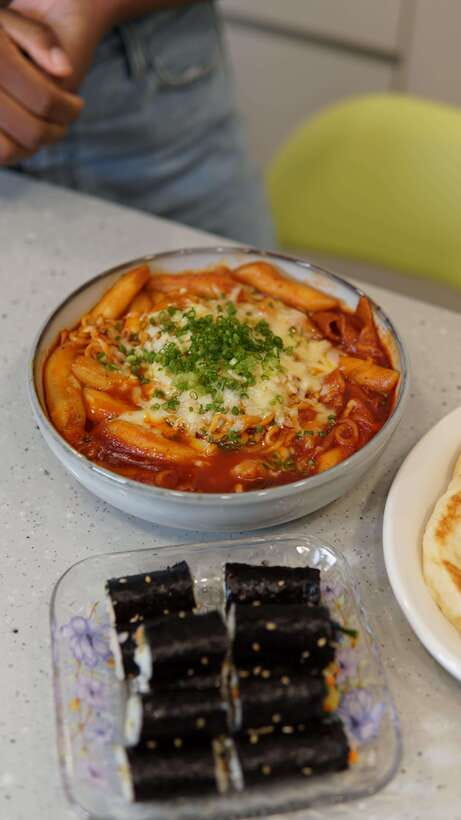
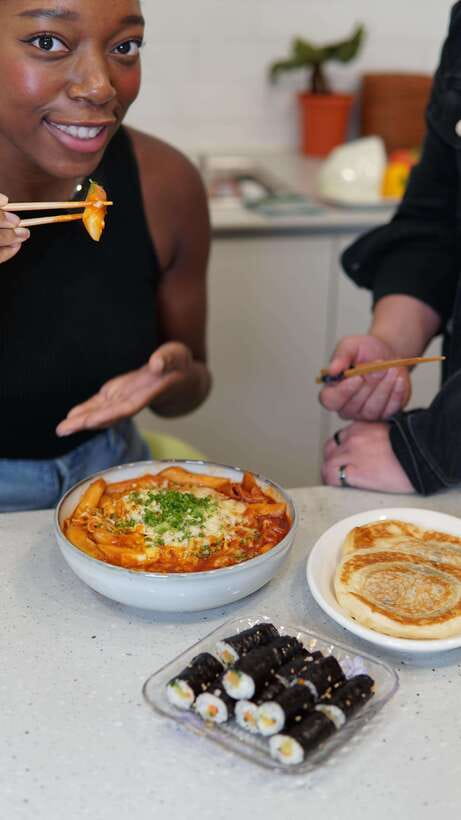
- Tteok-bokki
- Korean fried chicken (dakgangjeong)
- Mini kimbap
This day is for snack-lovers and people who want bold, crowd-friendly flavors. Tteok-bokki is all about the sauce coating and how it clings to rice cakes. Dakgangjeong brings the crunchy-saucy contrast that street food is famous for. Mini kimbap gives you a handheld balance so the meal feels playful, not just heavy.
It’s also a great option if you’ve already had Korean barbecue elsewhere and want something different.
Thursday: Another Home-Cooked Set, More Fermentation and Pan-Cooking
Thursday stays home-cooked, again with 3 main dishes:
- Dakgalbi
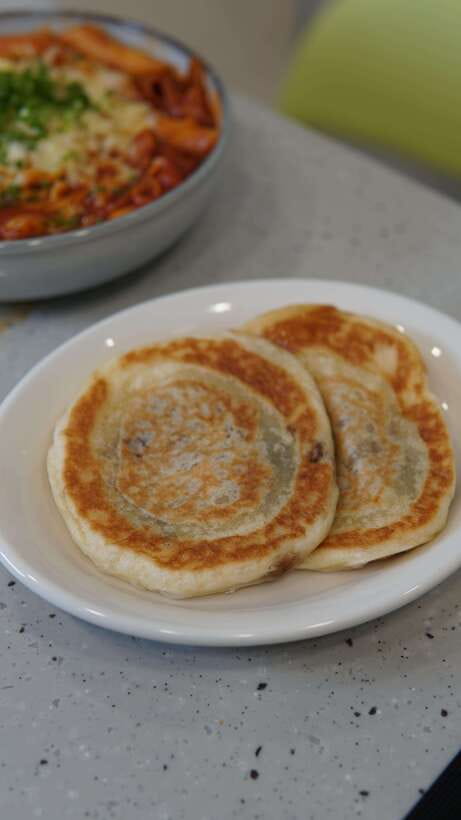
- Kimchi jeon
- Doenjang jjigae (soy bean paste stew)
Dakgalbi brings a lively stir-fry flavor and the pleasure of cooking something that smells great while it’s still in progress. Kimchi jeon teaches you the pancake technique again, but with kimchi as the star for deeper tang. Doenjang jjigae adds the soy bean paste factor, which brings a round umami base to Korean stews.
Pick Thursday if you like fermentation flavors—kimchi and doenjang style stew notes—and you want Korean home cooking that leans savory and earthy.
Friday: Vegan Korean Home-Cooked Meal
Friday is a vegan Korean set with 3 main dishes:
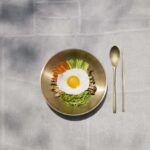
- Bibimbap
- Japchae
- Doenjang jjigae
This is a great day if you eat plant-based or just want to expand your Korean cooking skills. Bibimbap helps you understand how balance works in Korean meals—hot, cool, crunchy, saucy, and topped. Japchae teaches the glassy noodle experience and the sauce-y stir-fry logic behind it. And doenjang jjigae is important because it’s not just vegetables in broth—it’s the soy bean paste depth that makes Korean stews feel like full meals.
If you’ve struggled to find vegan-friendly Korean cooking classes in Seoul, this Friday option is one of the most direct answers.
The Class Flow: How the 2.5 Hours Usually Feel
The stated duration is 2.5 hours, and that includes both teaching time and the time you spend eating what you cooked. That’s useful info. You’re planning for a full meal experience, not a quick hands-on demo.
Here’s what the structure implies, based on what’s included:
- You start with a welcome coffee or drink.
- You cook your chosen dishes at your station with instruction in English.
- You enjoy the meal afterward with complimentary drinks, rice, and kimchi.
- Afterward, you receive recipe cards and also get photos (and videos).
Because the class stays small, the teaching style tends to move at a pace that keeps you busy. Instead of waiting for the instructor to finish one big demonstration, you’re usually moving alongside the process—mixing, prepping, cooking, and adjusting.
One practical benefit: the included rice and kimchi take the pressure off. Korean meals work best as a system, and the class gives you part of that system so you can focus on learning the dishes instead of improvising sides.
What You Take Home: Recipes, Photos, and Less Guesswork Later

A lot of cooking classes end with a nice meal and a vague memory. This one aims to reduce the guessing part.
You’ll get:
- Recipe cards after the class
- Photos and videos
That matters especially for dishes like pancakes and stews, where technique and sauce consistency can make or break the result. When you’re back home (or even back in Seoul trying to repeat it in a rental kitchen), photos help you match the look, and videos help you match timing.
It’s also a comfort for travelers. You can treat this like a food souvenir you can actually cook with, instead of just something you ate.
Price and Value: What $105 Gets You (And Why It Can Be Fair)
At $105 per person for about 2.5 hours, this isn’t a budget activity. But it also isn’t overpriced for what’s included: a professional chef/instructor, small group size (max 3), a full meal experience with drinks, plus recipe cards and photos/videos after.
Here’s the value equation I use:
- Hands-on instruction takes time and attention, which is harder to deliver at large scale
- A real meal is included, so you’re not paying just for cooking skills
- Take-home materials reduce the cost of repeating the dish later
If you’ve ever tried to cook Korean dishes from a normal cookbook with no technique help, you know why classes like this earn their price. Korean home cooking has patterns. The class helps you learn those patterns quickly.
If $105 feels steep, you’ll get the best outcome by choosing the day that matches your tastes (home-cooked set vs street-food set vs vegan set). That way you’re not paying for dishes you’re only mildly interested in.
The Main Considerations: Who This Is For
This class is clearly built for participants, not observers. Only paid guests who are actively taking part in the cookery lesson are permitted in the studio during classes. Friends or family who want to watch won’t have a waiting area provided.
It also isn’t suitable for children under 18, so plan on this being an adult-focused food experience.
If you like cooking, or you want a deeper way to understand Korean flavors beyond restaurant meals, you’ll probably love it. If you just want a quick snack and photos for Instagram, this is likely more work than you want. You’re cooking real dishes, then eating them.
Also, language is English. That’s a plus if you don’t want to rely on translation apps for instructions.
Pair It With the Rest of Your Seoul Day
This cooking studio is in Gyeonggi Province, but the connection to Seoul is close. Da-ye runs Nosh, a British brunch cafe in Seoul, and that makes it easy to plan a simple food day: cook a Korean meal, then switch styles for a brunch stop before or after.
If you’re spending limited time in Korea, this kind of experience gives you something that a sightseeing-only day can’t: practical technique and a stack of recipe guidance you can reproduce later.
Should You Book This Seoul Korean Cooking Class?
Book it if you want a small-group Korean cooking lesson that focuses on home-cooking style results. The strongest reason to book is the combination of hands-on cooking, the included meal with rice and kimchi, and the take-home recipe cards plus photos/videos. It’s the kind of class that turns Korean food from something you ate into something you can cook.
Skip it if you’re mainly looking for entertainment and don’t want to actively cook. Also, choose your day carefully because the dishes differ by weekday—your “best value” depends on getting the menu you actually want.
If you match those two points, this is a very solid way to spend a few hours in the Seoul food universe.
FAQ
How long is the cooking class?
The class lasts 2.5 hours, and that includes both the teaching time and the time you spend eating the meal you made.
What group size can I expect?
It’s a small group experience limited to a maximum of 3 participants at a time.
Is the class taught in English?
Yes. The instructor teaches in English.
What dishes are cooked on different days?
The menu depends on the day:
- Mon and Tue: beef bulgogi, seafood pa-jeon, pork kimchi jjigae
- Wed: tteok-bokki, Korean fried chicken (dakgangjeong), mini kimbap
- Thu: dakgalbi, kimchi jeon, doenjang jjigae
- Fri: vegan bibimbap, japchae, doenjang jjigae
What’s included with the meal?
You’ll have a welcome coffee or drink, and after cooking you can enjoy your meal with complimentary drinks, rice, and kimchi.
Do I receive recipes or photos after the class?
Yes. You receive recipe cards after the class, plus photos and videos.
Is this class suitable for children?
No. It is not suitable for children under 18.
Is there a separate entrance?
Yes. There is a separate entrance to help you skip the line.
Can I cancel and get a full refund?
Yes. You can cancel up to 24 hours in advance for a full refund.