REVIEW · UBUD
Small-Group Farm Tour & Balinese Cooking Class in Ubud with Kadek
Book on Viator →Operated by Traveling Spoon · Bookable on Viator
You eat the fruits of your own labor. In Ubud, this farm-to-table experience with Kadek turns a walk through an organic plot into a real cooking class and meal you can actually recreate.
Two things I genuinely like: the hands-on farm walk (you gather ingredients you’ll cook), and the way the cooking time feels personal, not rushed. You may even meet a guide such as Apung for the day, while Kadek leads in the kitchen.
One thing to plan for: it’s outdoors and can get hot and muddy, so wear shoes you don’t mind getting a little dirty and bring bug spray.
In This Review
- Key Highlights You Should Know Before You Go
- Ubud Pickup, Straw Hats, and a 5-Hour Day Plan
- The 30–45 Minute Farm Walk With Kadek: Picking Spices the Real Way
- Outdoor Community Kitchen Cooking: 2–3 Balinese Dishes in Two Hours
- From Wet Towels to Lunch: Eating With Balinese Ritual Respect
- Kolak, Coffee, and the Take-Home Recipe Book That Actually Helps
- Price and Value at $49 With Transfers and Tips Included
- Practical Stuff: Heat, Shoes, Bugs, and Diet Requests
- Should You Book This Ubud Farm Cooking Class?
- FAQ
- How long is the Small-Group Farm Tour & Balinese Cooking Class?
- Where does the experience start and end?
- Is hotel pickup included?
- How many people are in the group?
- What do you do during the farm tour?
- How long is the cooking class, and how many dishes will you cook?
- Can you accommodate vegetarian diets or allergies?
- What’s included with the meal?
- What happens if the tour is canceled for poor weather?
Key Highlights You Should Know Before You Go
- Farm walk with real ingredient picking: about 30–45 minutes gathering produce and spices like beans and lemongrass.
- Outdoor community kitchen class: around 2 hours cooking 2–3 Balinese dishes in a hands-on setup.
- Kadek’s ritual affects meal timing: he offers the food to mother nature first, so you eat without waiting for him to finish.
- Straw hats, wet towels, and a refreshing drink: practical comfort after the muddy part of the tour.
- Meal + dessert + hot drink included: kolak plus Balinese coffee or lemongrass tea, with local alcohol also included.
- Max 10 travelers for a calmer feel: small-group pacing that helps you actually learn, not just watch.
Ubud Pickup, Straw Hats, and a 5-Hour Day Plan
This is built for an easy day out of central Ubud. The total time runs about 5 hours, and you’ll typically be picked up from Ubud hotels for round-trip transportation. If you’re staying outside the covered Ubud area, you meet at the Maybank KCP Gianyar on Jl. Raya Ubud No.115 in Petulu, and you’ll still get taken back there after the experience.
The format is simple: start with the farm, then move to a traditional outdoor cooking kitchen, then sit down to eat what you made. You get a mobile ticket, and confirmation comes through after booking (so plan your schedule with a little breathing room).
One small but helpful detail: they provide straw hats for the farm walk. You’ll still want sun protection, but it takes the edge off the “why did I wear a light shirt today” problem.
You can also read our reviews of more tours and experiences in Ubud.
The 30–45 Minute Farm Walk With Kadek: Picking Spices the Real Way
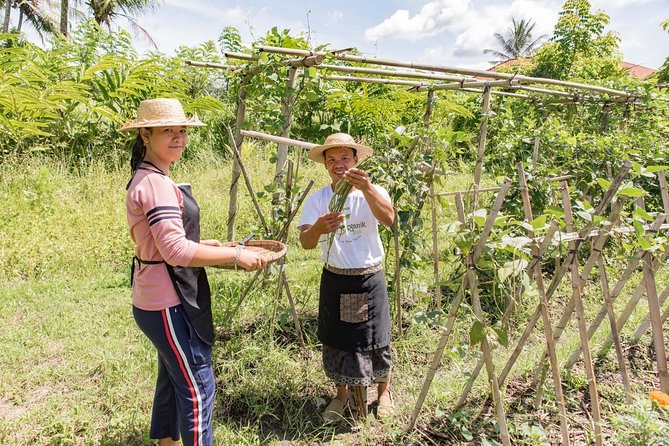
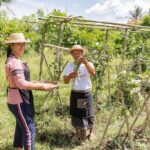
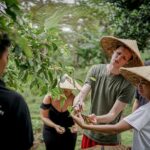
The day starts with a local farm walk hosted by Kadek, where you learn how the farm works and collect ingredients you’ll cook later. This part lasts roughly 30–45 minutes, and it’s not staged like a photo stop. You’ll move through bushes and muddy ground as you gather items used in Balinese cooking.
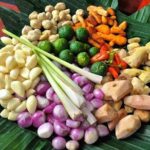
Expect to pick things like:
- Beans
- Lemongrass
- Other farm produce and spices that match what you’ll learn in the kitchen
This is the part that makes the whole experience click. When you pick the ingredients yourself, the cooking steps make more sense. You also get a feel for how Balinese flavors start long before the stove—herbs, roots, and spices are treated as the foundation, not a garnish.
You’ll also get a quick reset during the transition into cooking. After the farm walk, there’s a refreshing drink and wet towels so you can wipe off the sweat and farm grime before you start chopping.
A quick practical note: some of the ground can be muddy, so shoes matter. Closed-toe shoes with grip are best, because you don’t want to be negotiating slippery patches while also trying to listen.
Outdoor Community Kitchen Cooking: 2–3 Balinese Dishes in Two Hours
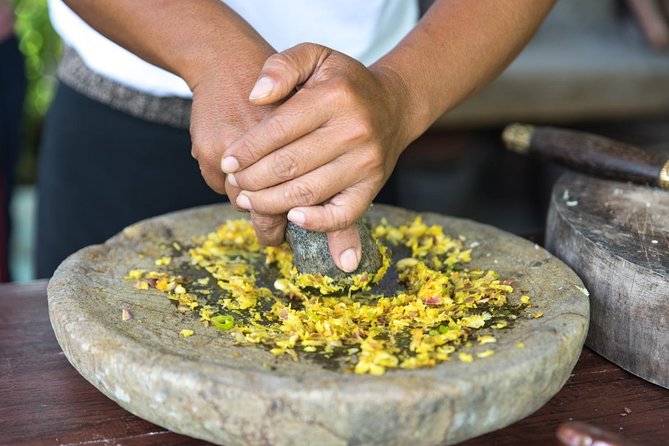
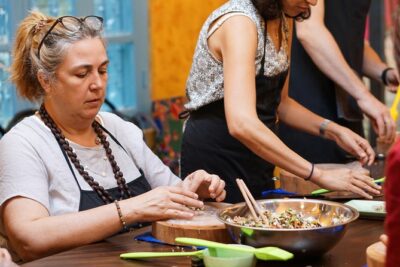
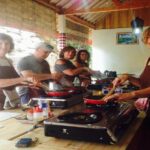
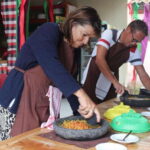
After the farm, you shift into a traditional Balinese style outdoor community kitchen. The cooking lesson runs about 2 hours, and the goal is practical: you learn 2–3 authentic dishes and then eat them.
This is where the small-group size helps. With a maximum of 10 travelers, you’re more likely to get corrections, not just instructions. The experience also leans into personalized attention, so you’re not left behind while others move faster.
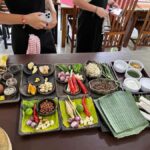
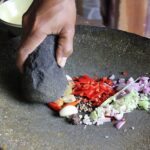
The instructor will guide you through the steps, and you’ll work on the “how,” not just the “what.” The menu can vary, but you might cook dishes like:
- Nasi sela (rice with sweet potato)
- Garang asem (chicken cooked with Balinese spices)
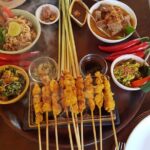
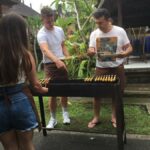
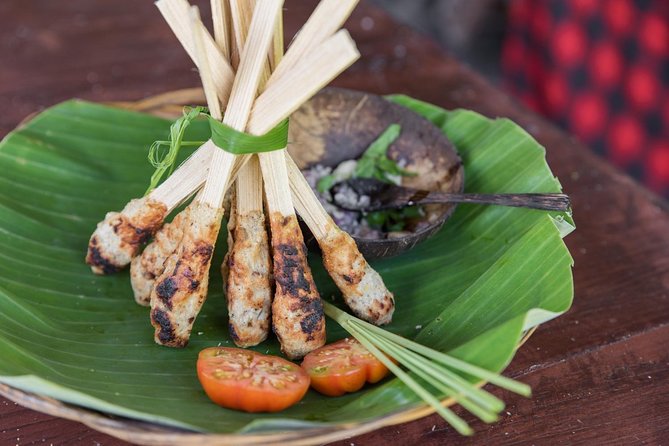
- Tuna satay (fish kebabs)
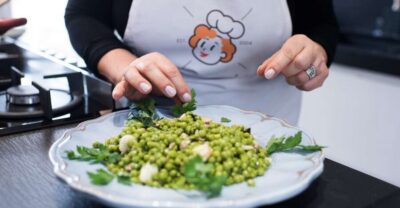
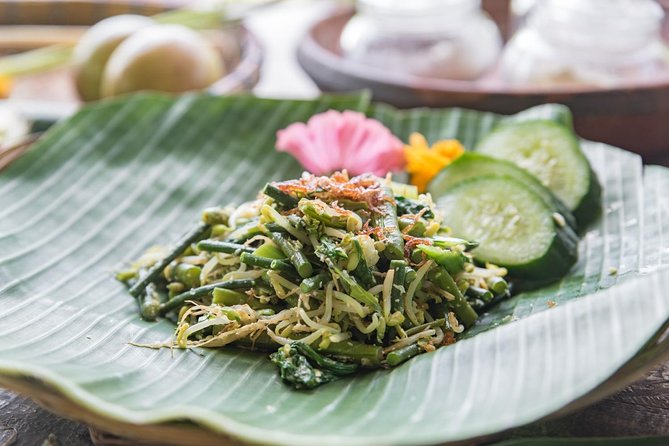
- Sayur urab (green vegetables with coconut and spices)
What I like about this approach is that it’s teaching you Balinese cooking logic, not just handing you a finished flavor. You’ll see how spices combine, how textures change, and how Balinese cooking balances savory, aromatic, and slightly tangy elements depending on the dish.
If you’re worried about skill level: the dishes they teach are described as easy-to-make. You’re learning a process you can repeat, which is exactly what you want from a vacation cooking class.
From Wet Towels to Lunch: Eating With Balinese Ritual Respect
Once the cooking phase ends, you move into the meal. This is also where you’ll see a small cultural detail that affects the schedule.
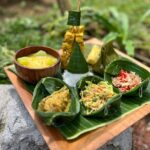
Kadek won’t join you for the meal right away. He first needs to offer the food to mother nature and he prefers you start eating without waiting for him to finish the ritual. For me, that’s a meaningful moment because it reminds you this isn’t just a cooking show. Food in Balinese culture has a relationship to the world around you, and you’re participating in a practice, not just consuming a product.
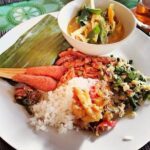
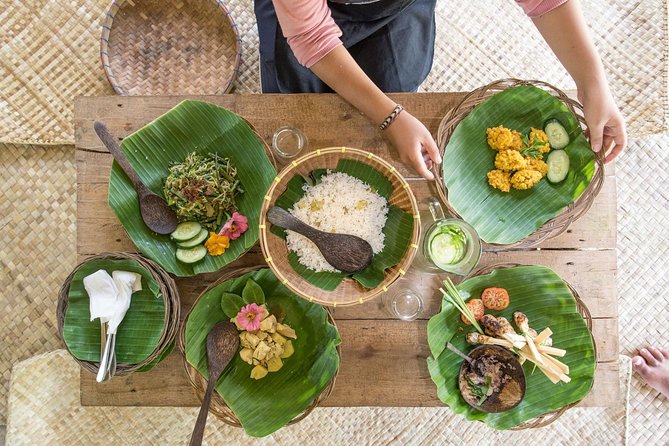
Your meal is also more than “one plate and you’re done.” You’ll usually get:
- The dishes you cooked during class
- A dessert course
- A hot drink
Before you start eating, those wet towels and the drink from earlier help you feel human again. It’s the difference between a great experience and a great experience you later resent because your clothes are sticking to you.
Also, there’s a drinks component built in: local alcohol is included, typically 1–2 glasses. If you’d rather skip alcohol, you can still enjoy the meal, but the experience is clearly set up so you’re not arriving at lunch already empty-handed.
Kolak, Coffee, and the Take-Home Recipe Book That Actually Helps
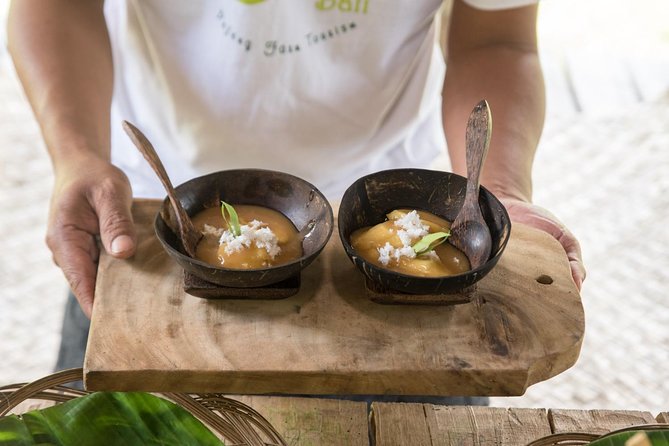
Dessert is kolak, a banana dessert, paired with Balinese coffee or lemongrass tea. It’s a comforting end to a day that starts with heat, walking, and chopping.
Then you get the part that turns this from a one-day memory into a home skill: you take home a small recipe book. Even if you don’t cook every week, you now have a reference point for the dishes you learned—ingredients, steps, and the order of operations that makes Balinese cooking work.
How to use it at home:
- Cook one dish first so the recipe book feels familiar.
- If you run into ingredient differences, use your recipe as a guide for technique and flavor balance, not just exact wording.
- Treat the spice mix as the heart of the dish. That’s where the identity lives.
This is also why the farm walk matters. When you’ve seen ingredients growing and handled them during prep, you’re more likely to adapt responsibly at home instead of giving up because your local grocery didn’t carry the exact same version.

Price and Value at $49 With Transfers and Tips Included
At $49 per person, this lands in the “good value” zone for Ubud. The price doesn’t only cover cooking instruction. You’re also getting:
- Round-trip transfers from Ubud hotels (only if you’re staying in Ubud)
- The farm tour (including ingredient picking)
- A home-cooked meal you helped make
- Dessert and a hot drink
- Local alcohol (typically 1–2 glasses)
- A recipe book
- Taxes, fees, and handling charges
Gratuities are listed as included too. That matters because cooking classes often feel “budget” until you add transportation, extra drinks, and last-minute extras. Here, the day is packaged.
Booking pace is steady too. On average, it’s booked about 10 days in advance, so if you’re traveling at peak times, don’t wait until the last minute to grab your spot.
Practical Stuff: Heat, Shoes, Bugs, and Diet Requests
This experience is outdoors, and you should dress like you’re going to work up a sweat. Wear clothes and shoes appropriate for walking and cooking in a working farm. Bring your own protections if you’re sensitive:
- bug spray
- sunscreen
- a hand towel or tissues
Even with straw hats and wet towels, you’ll be in the elements. Plan for sun and humidity, and expect a little mud during the ingredient-gathering part. Nothing extreme is mentioned, but the setting is real farm terrain.
Dietary needs are handled, but you need to tell them up front. If anyone has allergies, dietary restrictions, or cooking preferences, advise at booking. A vegetarian option is available, and you should flag it during reservation so your menu can match what you can eat.
Also, because it’s outdoors, it depends on good weather. If weather forces a change, the experience offers a different date or a full refund.
Should You Book This Ubud Farm Cooking Class?
If you want more than a standard cooking class, I think this is a smart yes. You’re not just learning recipes on a counter—you’re learning how ingredients become flavor by starting in an organic farm plot and ending with a meal that respects Balinese ritual.
Book it if:
- you like hands-on experiences more than watching
- you want an authentic Balinese cooking day in Ubud
- you value a small-group setting (max 10)
Skip it or think twice if:
- you hate outdoor walking in heat or don’t do well with muddy ground
- you’re looking for purely indoor, air-conditioned comfort
- you want a very food-focused class with zero cultural context (this includes the mother-nature offering moment)
Overall, this is a good-value way to learn Balinese cooking with real context, not just a recipe transfer.
FAQ
How long is the Small-Group Farm Tour & Balinese Cooking Class?
It runs for about 5 hours total.
Where does the experience start and end?
It starts at Maybank KCP Gianyar, Jl. Raya Ubud No.115, Petulu, Kecamatan Ubud, Kabupaten Gianyar, Bali 80571, Indonesia, and it ends back at the same meeting point.
Is hotel pickup included?
Round-trip hotel pickup and drop-off are included only if you’re staying in Ubud (with coverage for certain areas). If you’re staying outside Ubud, pickup is not included.
How many people are in the group?
It’s a small-group experience with a maximum of 10 travelers.
What do you do during the farm tour?
You walk around the farm with Kadek, learn about how the farm works, and gather produce and spices you’ll use in your cooking. This part lasts about 30–45 minutes.
How long is the cooking class, and how many dishes will you cook?
The cooking class lasts about 2 hours, and you’ll learn to make around 2–3 dishes.
Can you accommodate vegetarian diets or allergies?
Yes. A vegetarian option is available, and you should advise them at booking about allergies, dietary restrictions, or cooking preferences.
What’s included with the meal?
You’ll eat the dishes you cook, plus dessert (kolak) and Balinese coffee or lemongrass tea. Local alcohol (1–2 glasses) is also included.
What happens if the tour is canceled for poor weather?
If it’s canceled due to poor weather, you’ll be offered a different date or a full refund.