REVIEW · UBUD
Balinese Cooking Class at Organic Farm
Book on Viator →Operated by Mai Organic Farm · Bookable on Viator
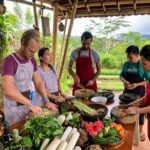
Cooking lunch at a working organic farm. This Bali class is interesting because you start in the fields at Mai Organic Farm, pick what you’ll cook, then cook on a traditional wood-fired stove for a real farm-to-table meal. I like that the group stays small (around eight people), and you get hands-on time instead of watching from the sidelines. One thing to consider: it’s a rural setup outside Ubud, so plan for walking on farm ground and a full, 5-hour block.
You’ll also get a real taste of how Balinese farming works, including the UNESCO-protected Subak irrigation system, not just a cooking demo. And yes, there’s plenty to drink along the way, from fresh juices to lemongrass tea and Balinese coffee.
The overall vibe is relaxed, cooperative, and community-minded, so come ready to get a little hands-on. If you want a polished, hotel-style experience, this is the opposite.
In This Review
- Quick hits before you go
- Mai Organic Farm in Pejeng: the part that makes this class feel real
- The Subak system lesson: why this farm tour is more than sightseeing
- Welcome drinks, herbal sips, and a real coffee/tea break
- Picking herbs for sate lilit and corn fritters, then cooking on fire
- Eating your communal lunch in a gubuk hut
- Price, timing, and Ubud pickup without the hassle
- Who should book this cooking class in Ubud (and who might skip it)
- Should you book Mai Organic Farm’s Balinese cooking class?
- FAQ
- How long is the Balinese cooking class?
- What dishes will I learn to cook?
- What drinks are included?
- Is pickup included from Ubud?
- What is the group size?
- Where does the experience start?
- Will I receive a mobile ticket?
- When will I get confirmation after booking?
- Is the experience weather dependent?
- What’s the cancellation policy?
Quick hits before you go
- Farm ingredient picking first: herbs, fruit, and vegetables are selected in the fields before you cook
- Wood-fired cooking: traditional stove and an outdoor grill style kitchen show up in the cooking steps
- Six Balinese dishes on the menu: including sate lilit kebab and tuna sate, plus corn fritters
- Small group, big participation: numbers are kept tight so you can join the cooking (or watch closely if you prefer)
- Drinks built into the experience: sip juice, infused water, herbal drinks, plus Balinese coffee and lemongrass tea
- Subak and organic farming context: you learn how the ingredients are grown, not just how to chop them
Mai Organic Farm in Pejeng: the part that makes this class feel real
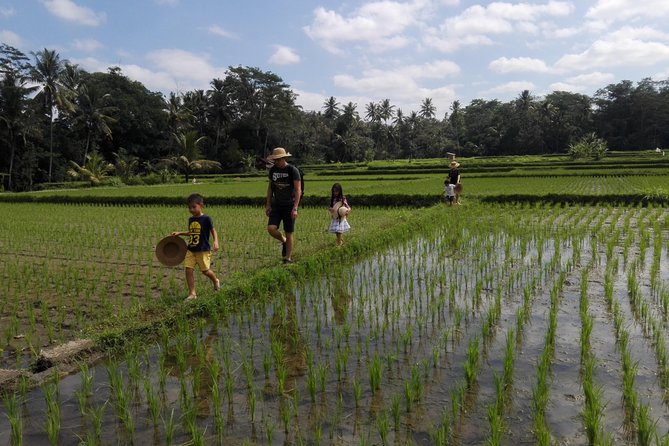
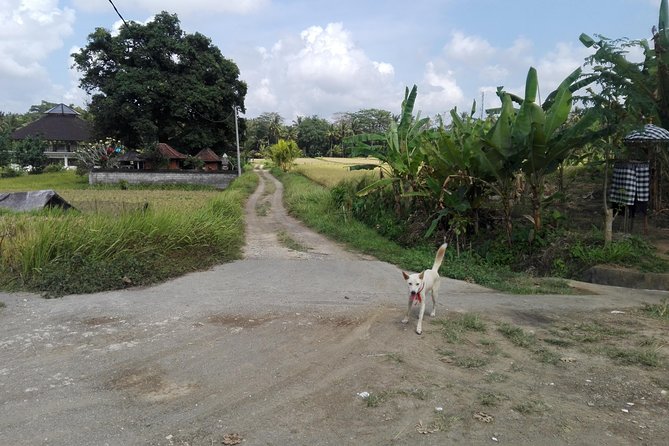
The day starts at Mai Organic Farm near Pejeng, in the Tampaksiring area (outside central Ubud). This matters because you’re not just transported to a kitchen. You’re in the place where the food comes from.
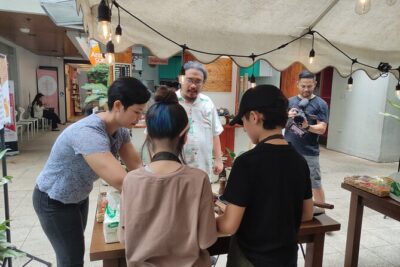
You begin with a welcome drink, and the timing is calm. You’ll sit in a shaded area of the farm while the team explains their community movement and how they grow organic produce. The wording and focus are practical: it’s about farming choices, not marketing.
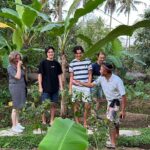
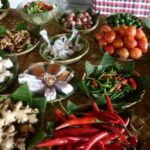
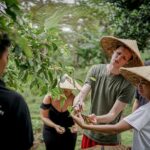
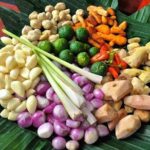
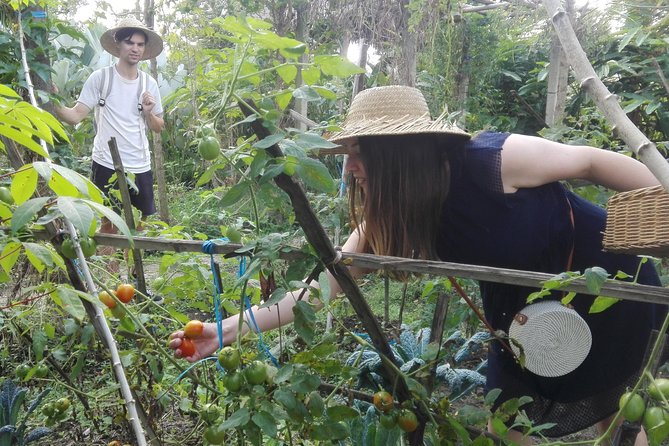
Then you walk. You’ll follow the farm paths to see how ingredients are cultivated, and you’ll pick many of the herbs and produce that will end up in your dishes later. I love this part because it flips the usual cooking class script. You’re not guessing what a spice is or where it comes from. You can point to the plant, smell it, and recognize it later at the cutting board.
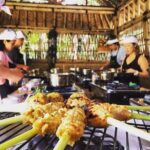
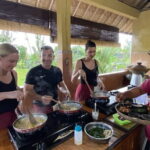
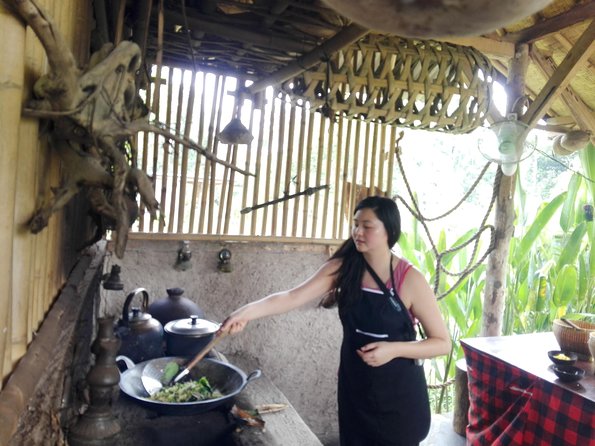
One more detail that pops up in the experience: the cooking kitchen is set up for traditional methods. Guests describe using an outdoor grill and a fire stove, and that shows in the flavor you’ll get from the cooking process, not just the menu.
If you’re short on time in Bali, this is still worth it. You’re paying for the full arc: learn the farm basics, pick ingredients, cook together, then eat what you made.
You can also read our reviews of more tours and experiences in Ubud.
The Subak system lesson: why this farm tour is more than sightseeing
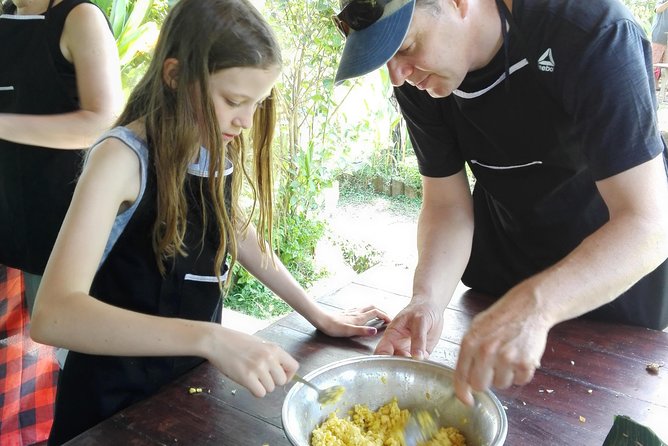
Between the welcome drink and cooking, you get a farm walk plus an explanation of Balinese organic farming. A key highlight is the UNESCO World Heritage–recognized Subak system, which is the traditional irrigation system that helps communities grow rice and other crops.
Why this matters for you: food in Bali isn’t just about recipes. It’s tied to water, timing, and land stewardship. When the guide explains the Subak system, you start to understand why certain ingredients are available and how farming is organized around shared resources. Even if you don’t remember every detail, the idea sticks: farming is communal, not solitary.
You’ll also hear about local efforts connected to farmer income and village quality of life. The experience frames this class as support for local farmers from Pejeng. I like that the day isn’t only about your lunch. It gives you a sense of how your ticket connects back to the community.
This part also sets up the cooking well. Once you’ve walked through the farm, you’re not treating spices and greens like ingredients in a grocery store. You’re treating them like living plants with a season and a purpose.
One consideration: the farm walking portion is part of the experience. Wear shoes you’re okay getting a little dirty, and don’t count on perfectly smooth surfaces.
Welcome drinks, herbal sips, and a real coffee/tea break
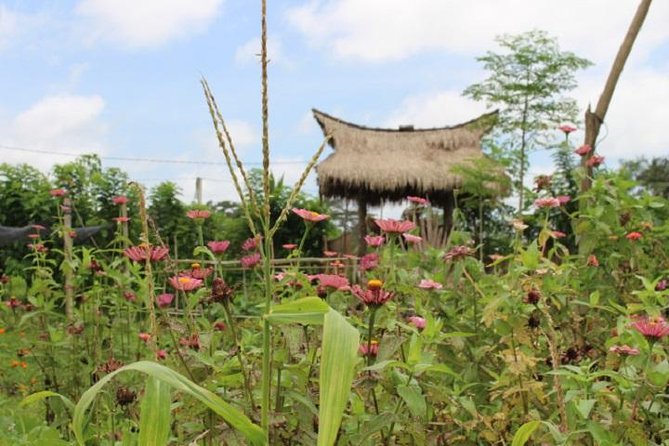
Expect drinks to show up in multiple moments, not just at the start. The menu includes sip juice, infused water, herbal drinks, Balinese coffee, and lemongrass tea.
The farm area begins with a refreshing welcome drink. Some participants specifically mention coconut water at arrival, which fits the vibe of the day: light, cooling, and low-pressure.
Later, you’ll drink a juice made with vegetables and fruit from local farms. It’s part of the rhythm of the day: you tour, rest briefly, taste something fresh, then get moving again toward cooking.
And then the class includes the classic Balinese warm and herbal drinks: lemongrass tea and Balinese coffee. Even if you’re a tea person who usually skips coffee, the way it’s presented here is more like a cultural stop than a caffeine grab. You’re tasting while the day’s story is still fresh.
Practical tip: pace yourself. With this kind of day, you’ll be drinking and eating across several stages, so keep some room for lunch at the end.
Picking herbs for sate lilit and corn fritters, then cooking on fire
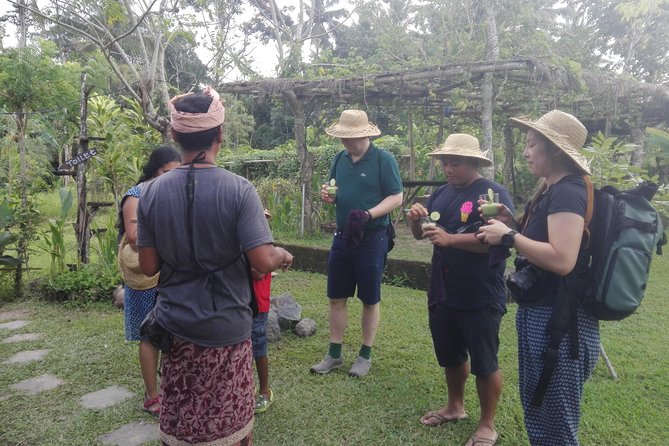
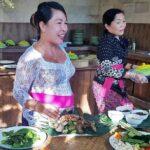
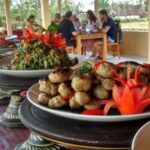
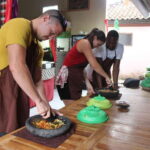
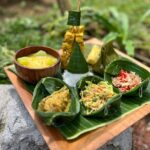
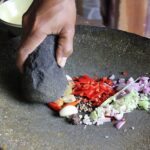
Now comes the main event: you prepare six Balinese dishes. The class includes favorites such as sate lilit kebab, tuna sate, and corn fritters. You also learn to make additional components and sauces that tie the dishes together.
What you’ll likely cook isn’t just one recipe you repeat. It’s a mix that covers different flavors and textures. Some dishes lean into minced meat shaped into bites (sate lilit), while others balance sweet and savory (corn fritters). Tuna sate gives you that savory protein base, and the supporting flavors make the plates feel complete rather than random.
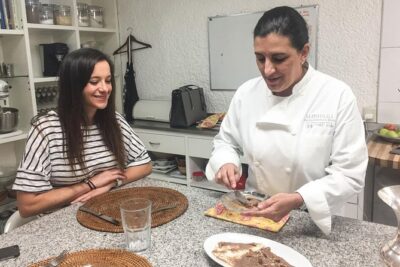
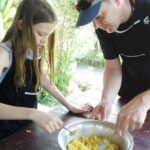
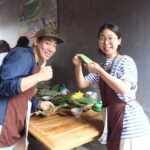
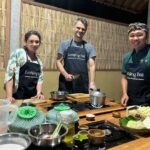
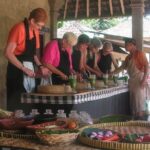
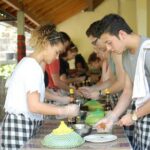
The cooking is also designed to be flexible. You can participate as much as you want, which is great if you’re traveling with kids or if you simply want to try one dish closely while watching another step. Guests describe it as fun and inclusive, with a team effort atmosphere. The kitchen setup supports that: you’re working on a grill/fire stove style environment, not a sterile indoor station.
I like this approach because it teaches the method behind the flavor. When you cook something on a traditional heat source, you learn what changes when fire is involved: timing, aroma, and texture shift fast. That’s the part you’ll remember when you try to recreate these flavors later.
One more detail I’d watch for: some dishes include tuna and meat. If you eat only vegetarian, you’ll want to ask in advance what can be adjusted. The data here lists specific dishes, so don’t assume a vegetarian version is built in.
Eating your communal lunch in a gubuk hut
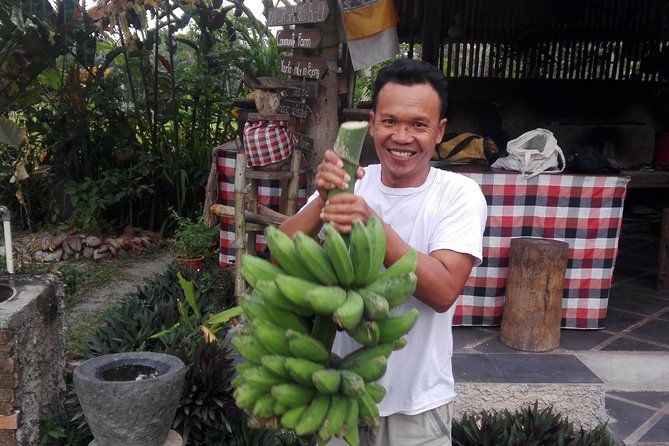
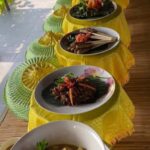
After cooking, you sit down and eat together in a tranquil gubuk (hut). This is one of the best “slow down” moments of the day. You go from hands-on work to an actual shared meal, and you get to talk with your group while everything is still hot.
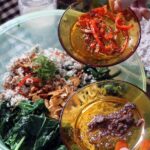
Communal dining is more than a nice photo moment. It helps the cooking class make sense. When you taste a dish you helped prep (and maybe even helped cook), the flavors feel earned. You can connect the ingredients you picked in the fields to what ends up on your plate.
You’ll also get something tangible to take home. In at least one account, the team gives a recipe book at the end. That’s useful because you don’t just taste the dishes; you get a way to rebuild them later.
If you’re traveling with kids, this meal structure tends to work well. One family mentioned their children loved harvesting ingredients and then cooking lunch together. The day isn’t just entertainment for kids; it’s active work with payoff, which usually holds attention better than a lecture.
My practical advice: arrive hungry, then plan for the fact that the day is paced with both drinks and multiple cooking steps. You’ll likely have a satisfying lunch without needing to add anything afterward.

Price, timing, and Ubud pickup without the hassle
This class costs $40 per person for about 5 hours. For Bali, that price lands in the value zone because you’re not paying just for a kitchen time slot. You’re paying for transport from central Ubud hotels and rentals (round-trip transfers), a farm tour with ingredient picking, and a meal you help cook on traditional equipment.
Also, the group size cap is a big deal. A smaller group (around eight people, with a stated maximum of 10) means you’re more likely to touch ingredients, learn steps directly, and ask questions without waiting your turn forever.
Timing matters too. Starting from central Ubud with pickup means you won’t spend your energy figuring out roads or routes. The experience ends back at the meeting point, which keeps the day simple.
If you prefer to meet there yourself, the start point is listed as Mai Organic Farm Bali, Subak Kana, Banjar Panglan, with the Pejeng, Tampaksiring area address. Use that if you’re planning your own ride.
For your planning: bring comfortable clothing you can move in. You’ll be walking the farm, picking ingredients, and then cooking. Lightweight layers help because farm shade and outdoor cooking heat can change how you feel during the day.
Who should book this cooking class in Ubud (and who might skip it)
I think this is a strong match if you want a food experience tied to real daily life: organic growing, community support, and traditional cooking methods.
It’s especially good for:
- Couples who like learning through hands-on activities
- Families with kids who enjoy picking ingredients and making food together
- People who’ve taken cooking classes before and want something less staged and more connected to the farm
You might skip it if:
- You’re expecting a flashy, scripted show rather than a working farm day
- You can’t handle farm walking or outdoor cooking setups
- You need strict dietary options and want vegetarian changes without being asked ahead of time
If your Bali plans include temples and beaches, this class balances the schedule with something grounded and practical: you’ll leave with a better sense of how food systems work in Bali, not just a new recipe.
Should you book Mai Organic Farm’s Balinese cooking class?
Yes, if you want farm-first learning and not just a recipe lesson. The combination of ingredient picking, Subak and organic farming context, and traditional fire-stove cooking is what makes this one different.
Book it if you like experiences where the group is small and you can actually participate. The day’s structure also works well because it moves logically: farm intro, farm walk and picking, fresh drinks, then cooking six dishes, and finishing with a shared meal in the hut.
If you’re the type who hates walking and prefers to stay clean and seated, this might feel like too much. But if you can handle a few muddy moments and you’re excited to taste what you helped make, this is one of the best value-style activities around Ubud.
FAQ
How long is the Balinese cooking class?
The experience runs for about 5 hours.
What dishes will I learn to cook?
You’ll learn to cook six Balinese dishes. The examples listed include sate lilit kebab, tuna sate, and corn fritters, along with other Balinese favorites.
What drinks are included?
The experience includes sip juice, infused water, herbal drinks, Balinese coffee, and lemongrass tea.
Is pickup included from Ubud?
Pickup is offered, and round-trip transfers are included from central Ubud hotels and rentals.
What is the group size?
The experience is capped at just eight travelers in the overview, and it’s also listed with a maximum of 10 travelers.
Where does the experience start?
The activity starts at Mai Organic Farm Bali, Subak Kana, Banjar Panglan, near Pejeng, in the Tampaksiring area of Gianyar, Bali.
Will I receive a mobile ticket?
Yes, the experience includes a mobile ticket.
When will I get confirmation after booking?
You’ll receive confirmation within 48 hours of booking, subject to availability.
Is the experience weather dependent?
Yes. The experience requires good weather. If it’s canceled due to poor weather, you’ll be offered a different date or a full refund.
What’s the cancellation policy?
Free cancellation is available. You can cancel up to 24 hours in advance of the start time for a full refund.