REVIEW · KYOTO
Kyoto: Afternoon Japanese Izakaya Cooking Class
Book on GetYourGuide →Operated by Cooking Sun · Bookable on GetYourGuide
Cooking in an izakaya style kitchen feels easier than it sounds.
This Kyoto afternoon class turns Japanese dining culture into something you actually do: you cook, chat, and eat in a casual, counter-like flow that mirrors what happens at home and in local spots. I especially like the hands-on rhythm and the recipe support that helps you repeat the dishes after your trip. The one thing to keep in mind is that it’s a fairly active, fast-moving 3 hours—so if you want slow, quiet cooking, you may find the pace a bit intense.
The format is built around two cooking rounds. You’ll work with your chef on 2 or 3 dishes, then go back and learn 2 or 3 more, and you’ll eat the results both times. I also like that the instructors teach for real life: they explain techniques in a way that beginners can follow, while still offering enough “why this works” detail for confident cooks.
There’s one potential drawback to plan for: you’ll be talking while cooking and eating, as in izakaya-style dining. If you’re the kind of traveler who prefers minimal conversation, you might want to set expectations for a social, hands-on class rather than a silent demo.
In This Review
- Key things that make this Kyoto izakaya class worth your time
- Kyoto’s Izakaya Kitchen Is a Break from the Usual Tourist Loop
- Finding Cooking Sun Near Shimogyo Ward and Getting Ready to Cook
- The Two-Round Class Flow: Cook, Learn, Eat, Then Cook Again
- What You’ll Cook: Japanese Home Dishes You Can Recreate Later
- Instructors and the Social Side of Izakaya Cooking
- What You Get: Ingredients, Tools, and a Recipe Book for Real Practice
- Timing, Pace, and How to Fit It Into Your Kyoto Afternoon
- Value Check: Is $67 for 3 Hours a Smart Deal?
- Who This Class Is Best For (And Who Might Want Something Else)
- Should You Book This Kyoto Izakaya Cooking Class?
- FAQ
- How long is the Kyoto afternoon izakaya cooking class?
- How many dishes will I cook?
- Is the instructor English-speaking?
- Where do I meet for the class?
- What’s included in the price?
- What if I have dietary requirements?
- Is the class wheelchair accessible?
- Can I cancel for a refund?
Key things that make this Kyoto izakaya class worth your time
- Izakaya-style cooking and eating together: you’re not just watching, you’re doing it in steps.
- English instruction that keeps you moving: clear explanations and a pace that doesn’t stall.
- Dishes you can recreate: documented recipes and utensils provided for home practice.
- Menu variety beyond generic sushi: examples include okonomiyaki and flavor bases like dashi.
- Support for different needs: dietary requirements can be handled with advance notice.
Kyoto’s Izakaya Kitchen Is a Break from the Usual Tourist Loop
Kyoto is great for temples, gardens, and photo stops. But food is where the city turns personal. This afternoon class is a practical way to understand Japanese dining culture without getting stuck in a restaurant where you only order and move on.
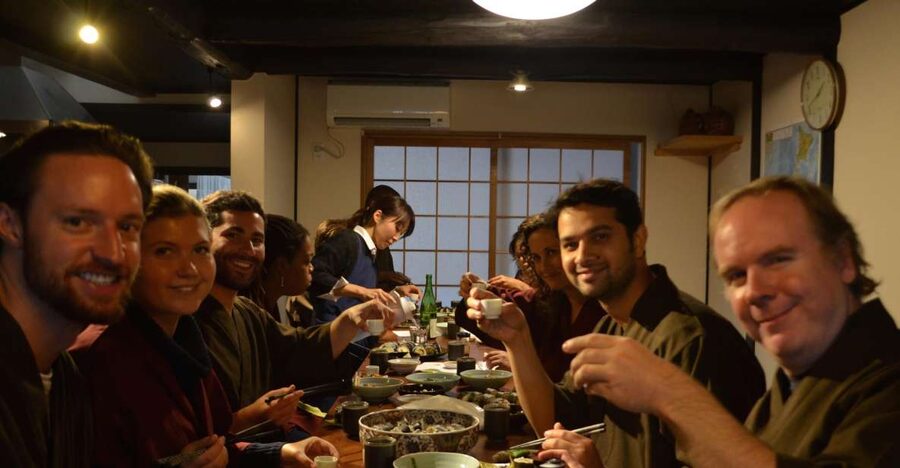
The izakaya idea matters. Izakaya-style eating is relaxed. It’s not fancy formality. You eat while things are still warm and you talk as the meal comes together. In the class, that shows up as a cooking-and-eating flow, not a one-direction lecture.
This is also a smart choice when you want a “Kyoto moment” that isn’t just another line on your sightseeing plan. You get indoor, hands-on time in a compact window. And you’ll leave with flavors you can actually reproduce, not just memories.
You can also read our reviews of more tours and experiences in Kyoto.

Finding Cooking Sun Near Shimogyo Ward and Getting Ready to Cook
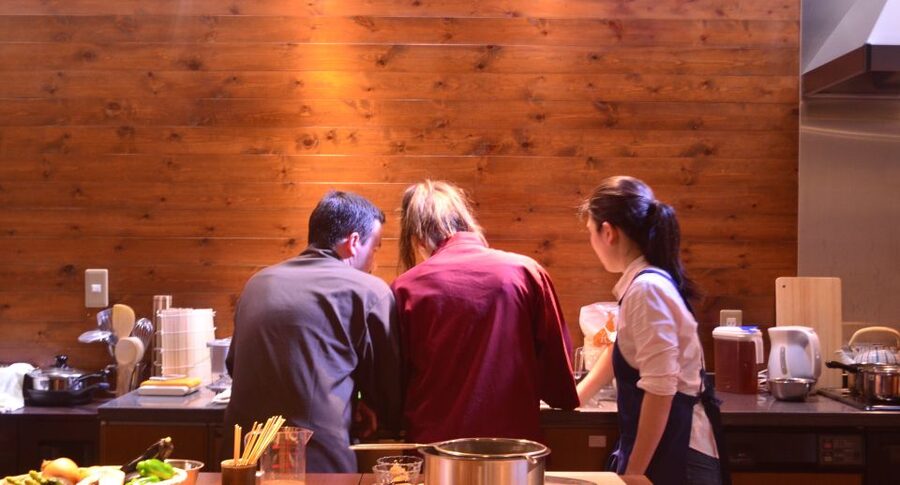
You’ll meet at Cooking Sun, Funayacho, Shimogyo Ward, Kyoto (600-8466). Shimogyo is an easy base for many visitors, and that helps because you’re not committing to a far-flung destination for a 3-hour experience.
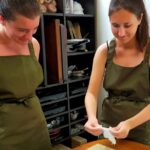
One comfort: the class is wheelchair accessible, so it’s designed to work for guests who need that. And because apron and utensils are included, you don’t need to pack kitchen gear or worry about having the right tools.
When you arrive, the goal is to get you cooking quickly. Reviews repeatedly point out how organized the setup is—ingredients laid out, cookware ready, and instructions delivered in clear steps. That’s not a small detail. In a cooking class, the difference between “fun” and “stress” is usually whether the station is ready when you are.
The Two-Round Class Flow: Cook, Learn, Eat, Then Cook Again
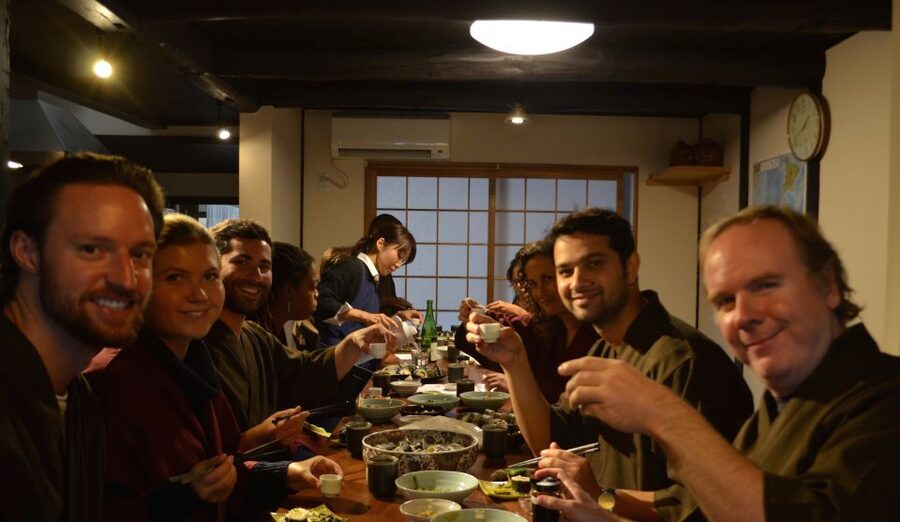
The class runs for about 3 hours, typically in the afternoon. The structure is straightforward and it keeps your energy up: you cook, you eat, you go back for more learning, and then you eat again.
Here’s what the flow is like:
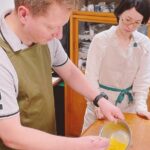
- First cooking round: you cook 2 or 3 dishes with your chef.
- First meal: you sit down and eat what you made.
- Second cooking round: you return to the kitchen and learn 2 or 3 more dishes.
- Second eating: you eat again after the second round.
This matters for two reasons. First, you build confidence. You taste what you’re doing early, so the rest of the lesson feels less like homework. Second, you learn pacing—the way Japanese home cooking and izakaya dining often work. It’s not one dish at a time for hours. It’s batches, timing, and eating while the meal is in progress.
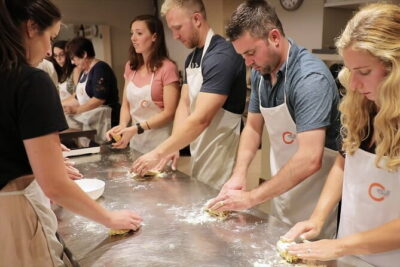
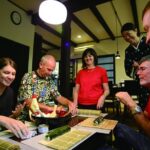
Expect plenty of interaction. As in many izakaya counter setups, you’re encouraged to talk with the chef while cooking and eating. You’re not just following steps—you’re asking questions and getting them answered in context.
What You’ll Cook: Japanese Home Dishes You Can Recreate Later
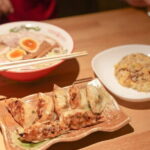
The class is about Japanese home dishes, not only the most tourist-famous items. The exact menu can vary by session, but you can look forward to dishes that use core pantry flavors and clear techniques.
From real examples that guests have done here, you may see items like:
- Okonomiyaki (one guest called it the best they’d had)
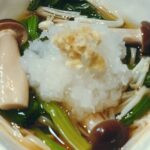
- Flavor foundations such as dashi broth (including learning the basics behind it)
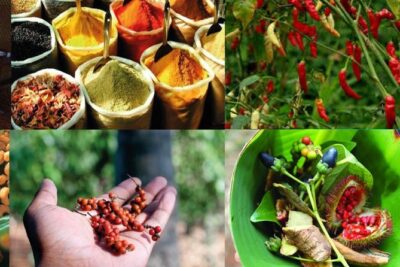
- Ingredients commonly associated with Japanese cooking, like mirin and dashi (one guest left needing mirin and dashi for their own cupboard)
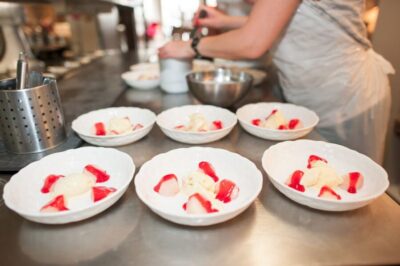
Now, about quantity: the activity describes 2–3 dishes as the core of the course. But some sessions run a bit fuller. One review mentions cooking up to six savory dishes plus dessert. Another highlights a menu that went beyond a minimal set. So while the class is structured around a clear plan, don’t be surprised if the menu feels more generous than you expect.
If you’re a beginner, this is good news. You’re not trying to memorize complicated “chef-only” tricks. The goal is to teach methods you can repeat at home: sauces, broth basics, and the kind of practical step-by-step assembly that makes Japanese food feel less mysterious.
Instructors and the Social Side of Izakaya Cooking
What makes this class work isn’t only the recipes. It’s how the instructors teach.
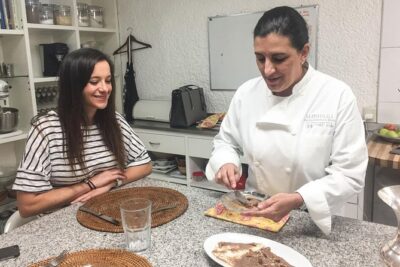
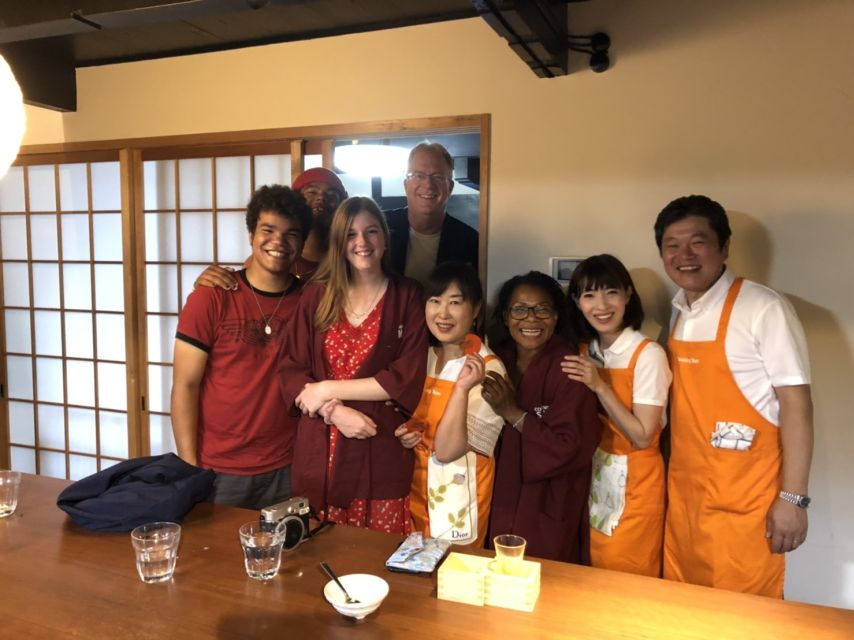
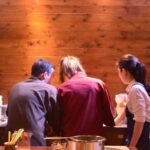
The teaching style is practical and friendly. Many reviews mention instructors who are patient and encouraging, with English that makes the process easy to follow. People also call out the atmosphere as warm—like you’re learning with hosts, not being processed through a factory experience.
In terms of names you might recognize from guest feedback, instructors include Yumi and Yumiko. There’s also mention of a strong team behind the experience. That consistency shows in the details: clear guidance, steady timing, and help when you need it.
And yes, the “chat while you cook” part is real. If you like the idea of learning food culture through conversation—ingredients, technique, regional habits—that’s where you’ll get the most value.

What You Get: Ingredients, Tools, and a Recipe Book for Real Practice
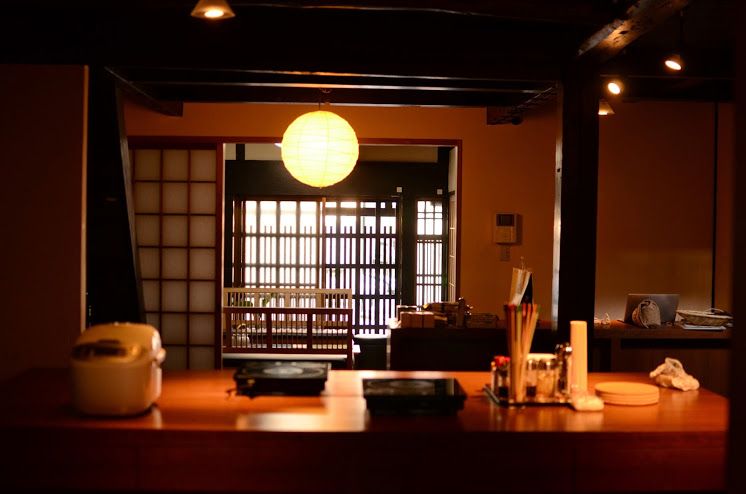
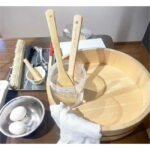
This class takes away a major barrier: ingredients and gear. You’ll have ingredients provided, plus an apron and utensils. That means you can focus on the cooking instead of hunting down hard-to-find items mid-trip.
But the best part for repeat value is that you leave with recipes. Guests consistently mention a documented recipe set and a recipe book with step-by-step instructions for each dish. That’s what turns a great afternoon into actual progress at home.
Also, the class can adapt if you have dietary needs. The activity advises you to tell the supplier about dietary requirements when booking. One guest specifically noted vegetarian accommodation, including separate utensils and pans when needed. So if you eat differently for health or preference, you’re not automatically stuck with a watered-down experience.
For many people, that recipe booklet is the difference between “fun class” and “useful class.” You’ll want that folder in your kitchen the next time you’re craving something beyond plain rice and noodles.
Timing, Pace, and How to Fit It Into Your Kyoto Afternoon
The class runs for 3 hours. That’s long enough to learn multiple techniques and taste what you’ve made, but short enough that you can still enjoy Kyoto afterward.
The pace can feel active. Several reviews describe the class as fast-paced, and that makes sense because there’s a lot happening: cooking, then eating, then cooking again. The good news is that instructions are step-by-step and organized, so the speed doesn’t feel chaotic for most guests. It feels like a well-run kitchen session, not a scramble.
If you’re planning the day, try to treat it as your “main event.” You’ll come out fed and satisfied. Then you can head back to sightseeing with your stomach taken care of.
Value Check: Is $67 for 3 Hours a Smart Deal?
At $67 per person, this isn’t the cheapest thing you can book in Kyoto. But it’s also not charging you like a fancy restaurant meal.
Here’s the value logic that adds up:
- You get guided cooking time, not just a tasting.
- Ingredients and tools are included, so there’s less extra spending and less hassle.
- You make multiple dishes (typically 2–3, with some sessions cooking more).
- You eat the meal you cook.
- You leave with recipes you can repeat at home, which is the real long-term payoff.
Cooking classes can be hit-or-miss. The ones that feel worth it usually do three things: keep you engaged, prevent common mistakes with good step-by-step support, and give you something usable afterward. This class scores well on all three.
If you love food and want a tangible souvenir—something that turns into dinner at home—this price starts to feel reasonable.
Who This Class Is Best For (And Who Might Want Something Else)
This fits well for a wide range of travelers.
It’s a great match if:
- You want Japanese food culture through hands-on cooking, not just eating
- You like structured lessons that still feel social
- You want recipes that help you cook at home rather than just collect photos
It also works if you’re not a strong cook. One review points out that someone who doesn’t cook had a good time and still felt successful. On the other end, there’s feedback from a chef with decades of experience who still learned useful things, which suggests the instruction isn’t only aimed at beginners.
Who might hesitate:
- If you strongly prefer quiet, solo activities, the izakaya-style talking while cooking might feel too social.
- If you only want the most famous Kyoto dishes and nothing else, you may find the menu more “home-style variety” than what you expected.
Should You Book This Kyoto Izakaya Cooking Class?
Yes, I’d book it if you want a real skill, not just a nice afternoon. The class format is practical: you cook, eat, learn more, then eat again. You’re not left hungry for knowledge once the meal ends.
Choose it especially if you want:
- Japanese home cooking techniques with clear guidance in English
- A recipe booklet you can actually use
- A break from walking all day, with a meal that feels earned
If you’re on the fence, consider this rule of thumb: if you’d rather learn how to make a dish than only order it in restaurants, this is the kind of class that pays off long after Kyoto fades from your camera roll.
FAQ
How long is the Kyoto afternoon izakaya cooking class?
The class lasts about 3 hours.
How many dishes will I cook?
The program is built around cooking 2–3 dishes, though some sessions may include more dishes depending on the menu.
Is the instructor English-speaking?
Yes. The instruction is provided in English.
Where do I meet for the class?
You’ll meet at Cooking Sun, Funayacho, Shimogyo Ward, Kyoto 600-8466.
What’s included in the price?
The class includes cooking instruction, ingredients, 2–3 dishes, and an apron and utensils.
What if I have dietary requirements?
If you have dietary needs, you should let the local supplier know upon booking.
Is the class wheelchair accessible?
Yes, the activity is wheelchair accessible.
Can I cancel for a refund?
You can cancel up to 24 hours in advance for a full refund.