REVIEW · OSAKA
Well-balanced BENTO (lunch box) Cooking Class
Book on Viator →Operated by Sakura Cook · Bookable on Viator
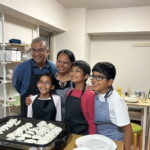
In Osaka, bento turns into a hands-on craft. This Sakura Cook class focuses on real Japanese lunch skills, from making dashi broth to shaping triangular rice balls and packing a good-looking bento. You work in a small group, so you are not just watching.
What I like most is the way the class teaches flavor at the source: dashi. Instructors such as Yumi explain the history and the process behind the soup stock, and that helps everything taste more like home cooking. I also love the practical bento coaching, including onigiri shaping with plastic molds and the step-by-step advice on how to arrange items so it looks balanced and appetizing.
The main consideration is that the menu you cook centers on classic ingredients like Wagyu beef and shrimp. If you have strict dietary limits, you will need to flag them at booking so the instructor can guide you appropriately.
In This Review
- Key highlights
- Osaka Bento 101: why this cooking class feels like local lunch prep
- Sakura Cook in Kitahorie: what you do before the first pan heats up
- Dashi first: the broth lesson that makes the whole bento taste right
- Seven home-style bento dishes: wagyu, shrimp, salmon, egg, squash, mushrooms, greens
- Onigiri with plastic molds: shaping triangles without guesswork
- Packing your bento: how to make it look good and stay balanced
- Eating your creations: chopsticks, Itadakimasu, and miso soup pairing
- Price and value at $92.24: what you pay for besides the food
- Who this Osaka bento class suits best
- Should you book this class in Osaka?
- FAQ
- Where does the class meet in Osaka?
- How long is the cooking class?
- What is the group size limit?
- Is the ticket mobile?
- Will I get confirmation after booking?
- Is the class suitable for children?
- What if I have dietary requirements?
- What dishes will I be making?
- What is the cancellation policy?
Key highlights
- Small-group format (max 8) so you can participate in the full process without feeling rushed
- Dashi hands-on lesson with clear explanations from instructors like Yumi
- Triangular onigiri using plastic molds, then forming two rice balls yourself
- Up to seven classic bento dishes, using ingredients such as Wagyu beef, shrimp, salmon, egg, squash, mushrooms, and greens
- Bento packing guidance to make your box look good, not just taste good
- Complimentary miso soup served with the lunch you cooked
Osaka Bento 101: why this cooking class feels like local lunch prep
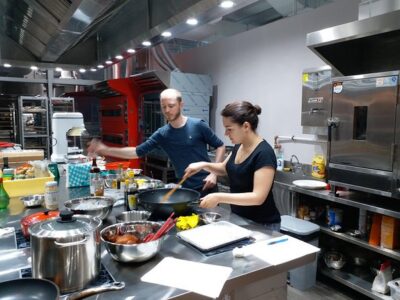
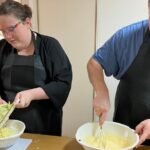
This is not a vague cooking demo. You cook, you shape, and you pack, all inside a single 2 hours 30 minutes session. That matters, because bento is a system: flavor, portioning, and layout all work together.
The format also matches how lunch actually happens in Japan. Dashi shows up across dishes, rice is shaped carefully, and vegetables get tucked in for color and balance. By the time you say Itadakimasu, your lunch makes sense as a complete meal—not a pile of side dishes.
And since this is in Osaka, you get a strong chance to learn the culture of eating well on ordinary days. Bento is everyday Japan: practical, neat, and not about showy ingredients.
You can also read our reviews of more tours and experiences in Osaka.
Sakura Cook in Kitahorie: what you do before the first pan heats up
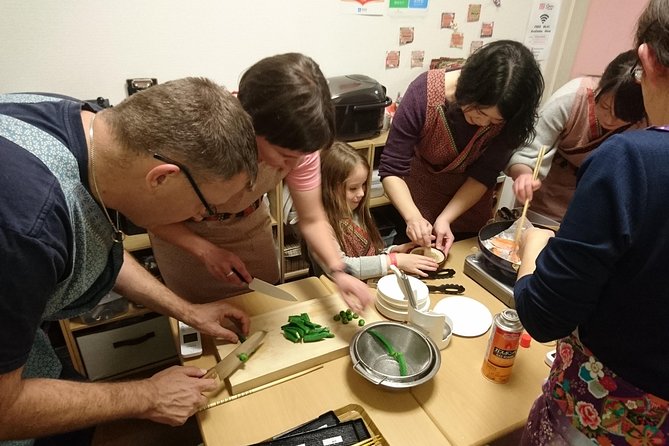
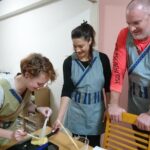
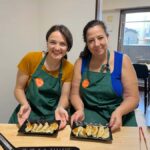
Your class starts by choosing a lunch box and putting on an apron. That small step helps you think like you are packing for real—because you can picture the container while you cook.
Then you get moving right away. The session is run by the Sakura Cook team, in a dedicated space near public transportation. The meeting point is Banix北堀江Japan, in Nishi Ward, Kitahorie (3-chōme62 システマギャラリー), and the activity ends back where you started.
Timing is part of the value here. With only about 2.5 hours, you do not waste time on long theory lectures or waiting for someone else to finish. You will likely feel busy in a good way: chop, mix, cook, and pack as the class goes.
Dashi first: the broth lesson that makes the whole bento taste right
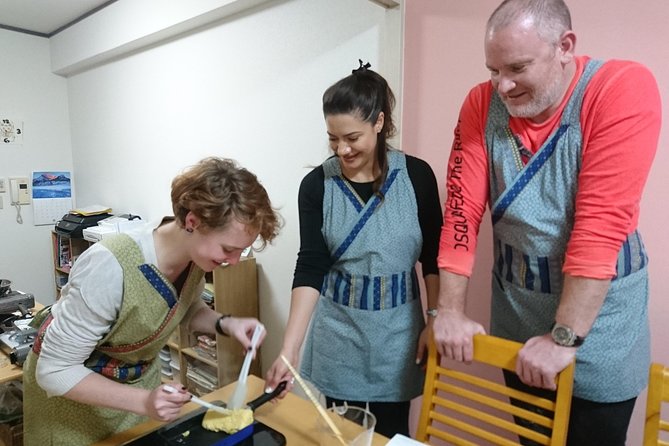
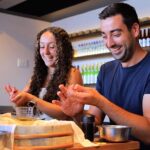
You begin with dashi, the traditional Japanese broth base. That is a smart move, because dashi is not just soup—it supports the flavor profile of many Japanese dishes.
The teaching style is also part of why this works. Instructors like Yumi share the history and the process behind the stock, so you understand what you are doing instead of copying steps blindly. If you have ever wondered why Japanese food tastes so clean and rounded, dashi is the reason.
Practical bonus: once you learn the broth idea, it is easier to connect the rest of the meal. When you make simmered or grilled items later, you are not guessing. You have a flavor foundation to build on.
Seven home-style bento dishes: wagyu, shrimp, salmon, egg, squash, mushrooms, greens
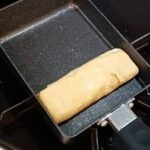
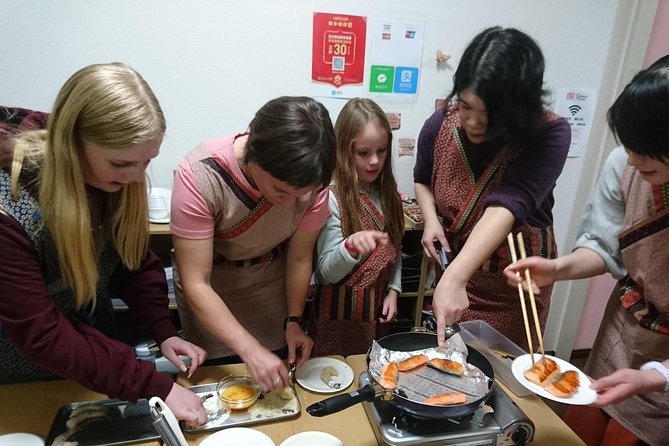
After the dashi start, you cook up to seven classic dishes often made in Japanese homes. The ingredients you work with include Wagyu beef, shrimp, salmon, egg, squash, mushrooms, and green vegetables.
You also practice the key cooking methods that show up in everyday Japanese kitchens:
- frying
- grilling
- simmering
- marinating
This variety is a hidden strength. Many cooking classes teach one technique, then move on. Here, you rotate skills, so you leave with a mental map for how Japanese home cooking handles different ingredients.
Because the dishes are designed to fit into a bento, you are also training your sense of balance. Bento items tend to work together in flavor and texture, and you get a chance to experience that logic while you cook.
One more nice detail: you are not expected to memorize recipes. You are guided through technique, then helped as you move from one dish to the next. That keeps the class fun, even if you are a first-timer.
Onigiri with plastic molds: shaping triangles without guesswork
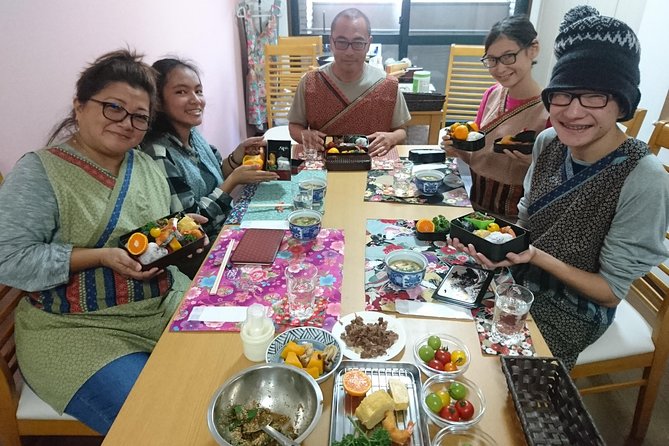
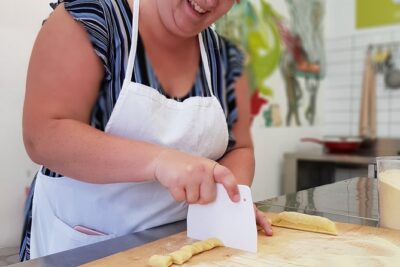
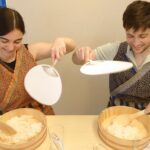
Triangular rice balls are the bento signature, and this class teaches the mechanics. You practice shaping using plastic molds first. That takes the pressure off. You are learning the form before you have to worry about getting everything perfect in rice consistency and handling.
After the practice run, you complete two rice balls yourself. The “two rice balls” detail is important for realism: you get enough repetition to learn the shape, but the class still has time for the rest of your lunch.
You’ll also learn the timing mindset behind onigiri. Rice should be handled carefully and packed with intention so it holds together and stays neat in the box. Even if you never plan to make bento again, learning how rice texture affects structure is useful.

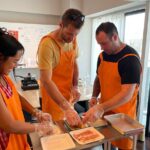
Packing your bento: how to make it look good and stay balanced
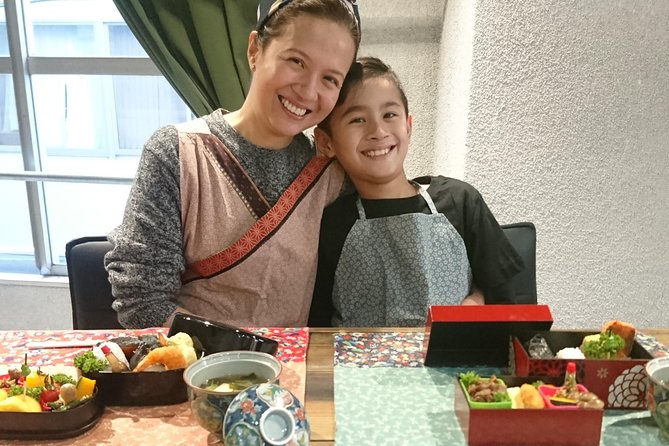
When the dishes are finished, you shift from cooking to packing. This is where the class becomes genuinely “bento” and not just cooking.
You will pack your meal with fresh vegetables, and your instructor provides specific advice on an attractive pack way. That guidance matters because bento layout is not random. People tend to arrange items so flavors do not overwhelm each other, colors contrast, and the box looks inviting when you open it.
Also, the class helps you coordinate timing. You are packing while everything is still cohesive and ready to serve, not cooking one dish at a time and then waiting around. With only about 2.5 hours, good pacing is part of the design.
One practical tip you can borrow even outside this class: think in layers and sections. Keep wetter items managed so they do not smear or steam up everything else. The instructor’s arrangement style gives you a model you can copy.
Eating your creations: chopsticks, Itadakimasu, and miso soup pairing
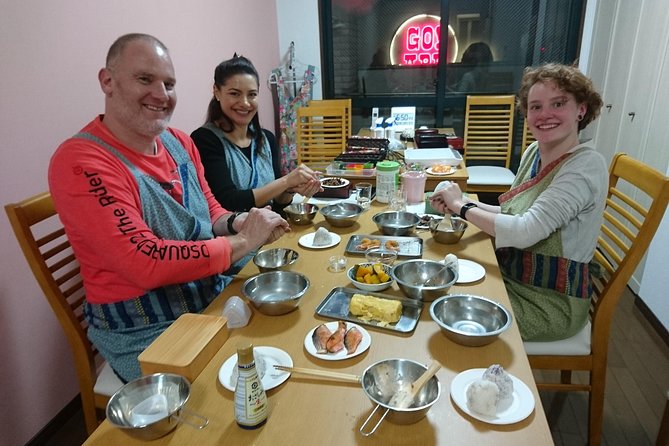
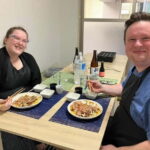
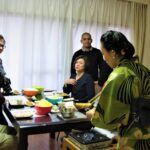
At the end, you place your dishes in the lunch box, add chopsticks, and say Itadakimasu. Then you eat what you made—plus you get complimentary miso soup to complement your bento.
That pairing is more than a nice finish. Miso soup gives warmth and comfort, and it balances a meal that is otherwise made of bite-size items. Bento can feel light, and soup helps it feel complete.
This is also the moment when the class pays off emotionally. When your lunch looks like lunch—neat, portioned, and intentional—you stop thinking of it as a class project. It becomes your meal.
And because you made both the savory components and the rice centerpiece, you get to taste the whole system working together.
Price and value at $92.24: what you pay for besides the food
At $92.24 per person, this class sits in the mid-to-higher range for hands-on cooking in Japan. But the structure justifies the cost if you value instruction and an end-to-end result.
Here is what you are really paying for:
- guided dashi fundamentals
- practice with multiple cooking techniques
- making up to seven bento dishes within the session
- shaping onigiri and learning the triangle process
- coaching on bento packing and presentation
- the ability to eat the finished lunch with miso soup
If you tried to recreate this on your own, you would spend time figuring out ingredients, recipes, and tools. This class compresses the learning into one focused block, with an instructor steering your decisions so you do not waste your effort.
Also, the group size cap (up to 8) tends to improve value. You can participate instead of standing to the side. You are not competing for attention in a crowd.
Who this Osaka bento class suits best
This class is a great fit if you want a practical skill you can bring home. Bento packing, onigiri shaping, and learning dashi process are the kind of knowledge that turns into repeatable cooking.
It also works well for people who like a clear structure. The flow is straightforward: dashi first, then dishes, then rice balls, then packing and eating. You always know what comes next.
It is family-friendly in the sense that children can join, but children must be accompanied by an adult. If you are traveling with a 12-year-old or an interested teen, a structured class with hands-on tasks can be a good match, as long as they are comfortable cooking basics.
If you have tight dietary restrictions, contact matters. The class asks you to advise dietary requirements at booking. Because the core dishes include ingredients like Wagyu beef and shrimp, you should plan to be flexible or confirm options before you go.
Should you book this class in Osaka?
Yes, I would book it if you want a bento skill session that ends with a real lunch you packed yourself. The combination of dashi learning, multiple dish techniques, and bento arrangement coaching is hard to beat for one afternoon.
Skip it only if you expect a casual, low-effort experience or if your dietary needs are complex without clear accommodations. Otherwise, this is one of those Osaka experiences that turns Japanese food from an idea into something you can actually do at home.
FAQ
Where does the class meet in Osaka?
It meets at Banix北堀江Japan, 550-0014 Osaka, Nishi Ward, Kitahorie, 3-chōme62 システマギャラリー. The activity ends back at the meeting point.
How long is the cooking class?
The duration is approximately 2 hours 30 minutes.
What is the group size limit?
This experience has a maximum of 8 travelers.
Is the ticket mobile?
Yes, you’ll receive a mobile ticket.
Will I get confirmation after booking?
You receive confirmation within 48 hours of booking, subject to availability.
Is the class suitable for children?
Children must be accompanied by an adult.
What if I have dietary requirements?
Please advise any specific dietary requirements at the time of booking.
What dishes will I be making?
You prepare dashi and up to seven classic bento dishes, plus triangular rice balls (onigiri). The class uses ingredients such as Wagyu beef, shrimp, salmon, egg, squash, mushroom, and green vegetables.
What is the cancellation policy?
You can cancel for free up to 24 hours in advance for a full refund. If you cancel less than 24 hours before the start time, the amount paid is not refunded.