REVIEW · TOKYO
Basic Japanese Home Cooking with Fermented Foods(Teriyaki & Miso)
Book on Viator →Operated by Coji Life Cooking · Bookable on Viator
Fermentation turns Tokyo comfort food into science class. This 2-hour cooking session in central Tokyo is all about miso, koji, and teriyaki-style flavors, taught with more instructor feedback in a max-6 group. You’ll also get a short lecture on the why behind fermentation, not just the how.
I love that the recipes are designed to be doable after you leave—simple steps, clear explanations, and a menu that shifts with the season. One thing to consider: the vegan lunch uses deep-fried tofu, but you’ll cook in the same kitchen as the non-vegan version, so it’s not built for strict separation.
In This Review
- Key Highlights You’ll Actually Care About
- A smart Tokyo break: home-style cooking built around fermentation
- Getting there: Akasaka-Mitsuke Station to a central kitchen in about 2 hours
- The flow of the class: lecture, prep, cooking together
- 1) Arrival and quick setup
- 2) A short fermentation lecture with real explanations
- 3) Cooking a traditional home meal using fermented ingredients
- 4) Eating together (lunch or dinner) plus tea
- 5) Lecture handout so you can cook again later
- Miso, koji, and mirin: the practical science you can use at home
- Why the small-group format matters for fermentation
- Vegan option: deep-fried tofu, shared kitchen, plan accordingly
- Where the value really comes from: instruction plus a full meal
- Seasonal menus and the bonus of joining both fermented-food classes
- Who this class suits best
- Should you book this fermented home-cooking class?
- FAQ
- How long is the cooking class?
- Where does the class start?
- Is transportation included in the price?
- What’s included in the ticket price?
- What dietary options are available?
- Will the vegan option be cooked separately?
- Does the class use mirin, and is it safe for children?
- How big is the group?
- Does the menu stay the same?
- What if I need to cancel?
- Is confirmation immediate after booking?
Key Highlights You’ll Actually Care About
- Max 6 people = real feedback from the certified instructor while you cook
- Fermented-food lecture explains ingredients like miso and koji, plus what mirin does in cooking
- Central Tokyo location near Akasaka-Mitsuke Station, about a 10-minute walk from Shibuya’s area
- Seasonal menu changes so you’re not stuck with the same dishes every day
- Vegan option available using deep-fried tofu—ask in advance, since the kitchen is shared
- Meal + tea + handout included, so you’re not paying extra just to eat
A smart Tokyo break: home-style cooking built around fermentation
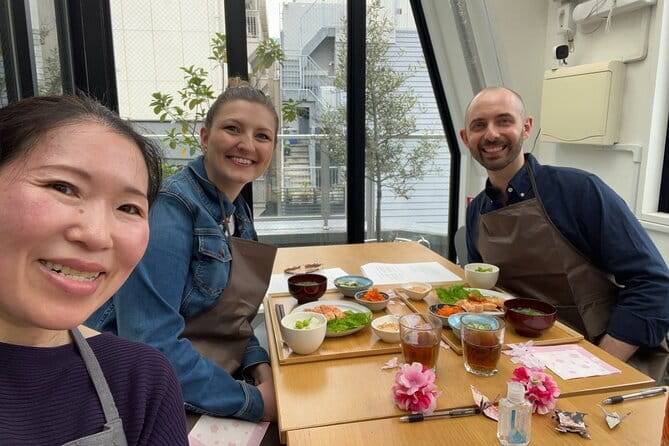
Tokyo can feel nonstop: train, shop, eat, repeat. This class gives you a different rhythm. Instead of hunting for the next meal, you learn how a Japanese home cooks a lunch or dinner that leans on fermented staples.
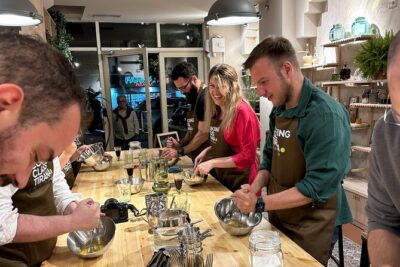
The big idea here is practical. Fermented foods like miso and koji can taste complex, but the techniques behind them are teachable. In a short lecture (with a handout afterward), you’re guided through how fermentation flavors develop and how you can use those flavors in everyday cooking. Then you get hands-on, so you’re not just watching while someone else performs culinary magic.
It also helps that the instruction is built for non-experts. Even if you’ve never cooked with miso beyond tasting a soup, the class focuses on easy recipes and manageable steps. And because it’s small-group, you can ask questions while you’re still at the cutting board—not five stops later, when your memory has already started to fade.
You can also read our reviews of more tours and experiences in Tokyo.


Getting there: Akasaka-Mitsuke Station to a central kitchen in about 2 hours
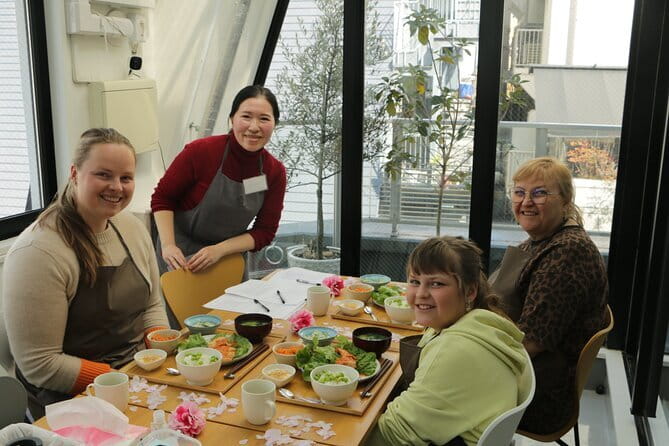
The meeting point is Akasaka-Mitsuke Station (3-chōme-1-6 Akasaka, Minato City). From there, you’ll walk into the kitchen area. The class description notes that the kitchen is in central Tokyo—around 10 minutes from Shibuya Station when you include a short walk—so you’re not dealing with huge transit times or long outdoor stretches.
Two practical perks come with this setup:
First, it keeps your day flexible. The class is about 2 hours, which is long enough to feel like you learned something, but short enough to still enjoy the rest of Tokyo afterward.
Second, it’s weather-friendly. Central locations mean fewer changes depending on conditions. Still, this experience is noted as requiring good weather, so if it’s canceled due to weather, you’ll be offered another date or a refund.
One more logistics detail worth knowing: you’ll get a mobile ticket, and the class can take place at a different kitchen location within central Tokyo if needed. You’ll be notified after booking if that happens.
The flow of the class: lecture, prep, cooking together
You’re not just dropped into a kitchen and told to freestyle. The structure is simple and it works.
Here’s the typical pace you should expect:
1) Arrival and quick setup
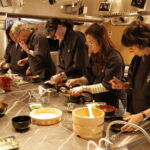
You’ll arrive at the meeting point, then head to the kitchen. You’ll get a rental apron, settle in, and likely meet your instructor and the rest of the group. With a max of 6 travelers, the room stays comfortable—no squeezing past people every five minutes.
2) A short fermentation lecture with real explanations
In small-group format, the instructor walks you through key fermented ingredients—especially miso and also other staples used in the meal. In the discussion, you’ll cover what these ingredients are, why fermentation matters for flavor, and how they show up in Japanese cooking.
This is also where you can ask questions. If you’ve wondered why miso isn’t just one flavor, or what koji contributes, this is the part to focus on.



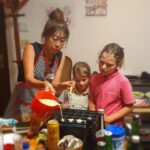
3) Cooking a traditional home meal using fermented ingredients
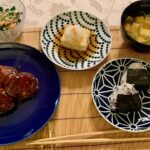
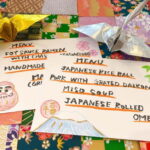
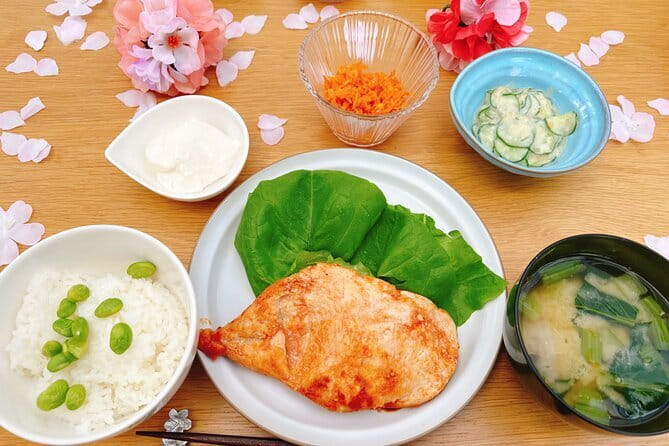
Then the class shifts from theory to making. The class centers on easy recipes using traditional Japanese fermented ingredients, and the overall theme is Teriyaki & Miso.
What you cook may change depending on the season, so don’t expect the exact same menu year-round. But you can be confident the menu will still revolve around fermented flavors, and you’ll walk away with a process you can repeat at home.
4) Eating together (lunch or dinner) plus tea
You’ll eat the meal you prepared, with coffee and/or tea included, such as Japanese tea or green tea. Lunch or dinner is included, so you’re leaving the class properly fed, not just armed with recipes and vibes.
5) Lecture handout so you can cook again later
You also receive a lecture handout—presentation material from the lecture—so you can translate what you learned into your home kitchen. If you’ve ever returned from a cooking class and then tried to remember measurements from pure optimism, this helps a lot.
Miso, koji, and mirin: the practical science you can use at home
Fermented foods have a reputation for being mysterious. This class turns that into something you can actually work with.
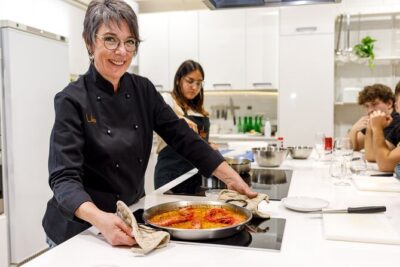
You’ll learn about traditional Japanese fermented ingredients—especially miso—and how they behave when cooked. You’ll also hear about koji, the key ingredient behind many Japanese fermentation practices. The instructor doesn’t just name-drop; she explains the process and how it affects the final taste.
One ingredient that deserves a clear heads-up is mirin. The class uses a small amount of mirin, which contains alcohol. The good news: the description notes the alcohol is removed during cooking, so the dish is safe for children. The tasting part is not available for children, though.
What’s the takeaway for you? You’ll understand which fermented ingredients are about depth and richness, which are more about balance, and how cooking changes the flavor. That makes it easier to swap in what you can find after you get home—rather than freezing up in front of a confusing row of miso types.
Why the small-group format matters for fermentation
Fermentation questions are the kind you don’t want to guess about. If you ask, you get feedback while you’re still cooking. That’s the difference between learning a recipe and learning a method.
And in this class, the instructor also shares helpful tips beyond the stove. From personal experience in classes like this, it’s often the offhand advice that saves you later. Here, you can expect guidance such as how to shop for ingredients in Tokyo, including what to look for once you’re out in supermarkets.
Vegan option: deep-fried tofu, shared kitchen, plan accordingly
If you’re vegan, you’re not out of luck. The class states that vegan lunch or dinner options are available by using deep-fried tofu.
But there’s an important consideration: the vegan option is prepared by using deep-fried tofu, and you’ll share the kitchen with the non-vegan version. So if you’re someone who needs strict separation—ingredients, utensils, or workspace—this may not match your expectations. It’s better to decide this upfront rather than hope the kitchen runs like a private test lab.
Still, the fact that a vegan menu exists at all makes this class more useful than many food tours that treat dietary needs as an afterthought. Just make sure you request vegan when you apply.
Where the value really comes from: instruction plus a full meal
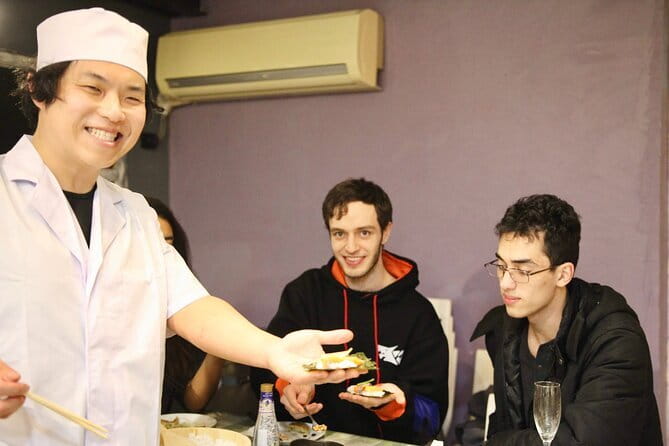
At $70.36 per person for about 2 hours, you’re paying for more than food. You’re paying for:
- Hands-on instruction from a certified instructor in a small group (max 6)
- A fermentation lecture with a handout
- A full lunch or dinner you helped make
- Coffee and/or Japanese tea included
- A rental apron
So the value isn’t only that you get to eat. It’s that you get to eat what you learned to cook, with guidance you can’t get from a cookbook page.
Also, consider what you’d normally spend in Tokyo to recreate the same experience. If you tried to copy this after the trip, you’d still need the technique and context—especially around fermented flavors. Here, you get both, in a time-box that fits a travel day.
One cost note: transportation fee to get to the venue is not included. The good news is the location is near public transport, so it should be straightforward to reach.
Seasonal menus and the bonus of joining both fermented-food classes
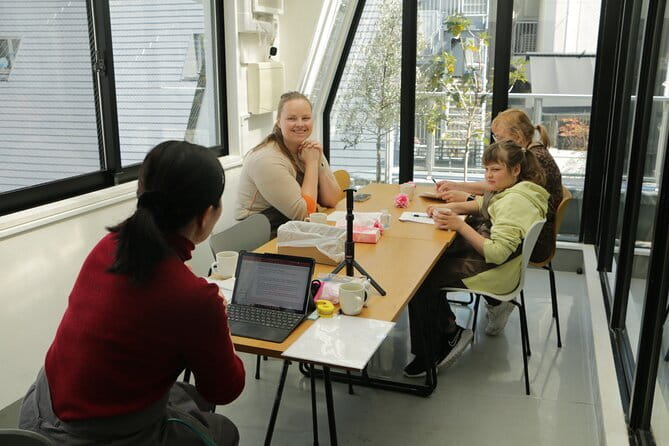
The menu changes depending on the season, so it stays tied to what ingredients taste best and makes the class feel less like a repeat performance.
There’s also a neat add-on if you’re really into this theme. The provider offers another class called Fermented Food Dessert Class starting at 2pm. If you join both classes on the same day, you’ll receive a special gift: rice koji amazake, the ingredient used in the dessert class.
That’s a good option if you want fermentation to run through your whole day—savory first, then something sweet.
Who this class suits best
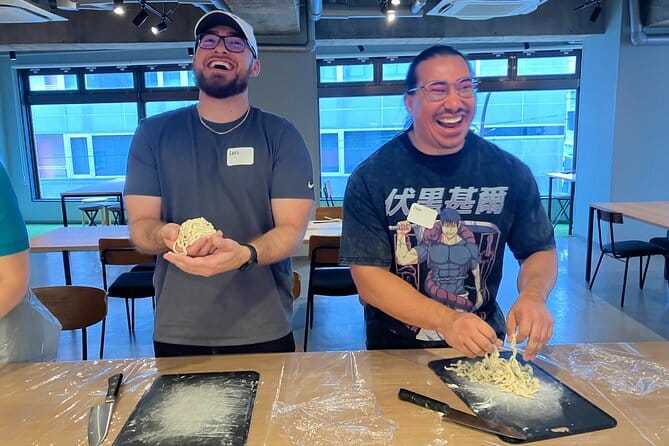
This experience fits best if you want:
- A break from constantly eating out
- A hands-on way to learn about fermented foods in Japanese cooking
- A small group format where you can ask questions
- Recipes that are meant to be repeated at home
It’s also a good match if you like food culture but get bored by long lectures. Here, the lecture is short and purpose-built, and then you’re cooking right away.
For families: the experience says it’s not suitable for children 6 and under, and it’s best for adults and children aged 7 and above. The mirin alcohol detail matters here mainly for tasting rules, not for safety as described.
Should you book this fermented home-cooking class?
If you’re the type of traveler who wants to leave Tokyo with more than photos, I’d book it. The strongest reasons are the small-group instruction and the focus on fermented ingredients you can actually use at home—especially miso and koji-based flavors tied to teriyaki-style cooking.
Book it even if you’re not a confident cook. The class is built for easy recipes and gives you a handout so you can repeat the process later. The main thing to decide first is your dietary needs: if you’re vegan and okay with a shared kitchen setup, it’s a great way to learn without skipping the main theme.
If you want a strict vegan or allergy-separation cooking environment, you should double-check how the kitchen will work for your needs before committing. The class asks you to let them know about allergen restrictions, so use that option.
In short: this is a practical, cozy Tokyo food experience that teaches you something you’ll still use after your last train ride.
FAQ
How long is the cooking class?
The class is about 2 hours long.
Where does the class start?
The meeting point is at Akasaka-Mitsuke Station, 3-chōme-1-6 Akasaka, Minato City, Tokyo 107-0052, Japan.
Is transportation included in the price?
No. Transportation fee to come to the venue is not included.
What’s included in the ticket price?
You’ll get lunch or dinner, a rental apron, coffee and/or tea (including green tea or other Japanese tea), and a lecture handout.
What dietary options are available?
Vegan lunch or dinner options are available by using deep-fried tofu. You’ll need to ask for the vegan option when you apply.
Will the vegan option be cooked separately?
The description notes that the kitchen is shared with the non-vegan version.
Does the class use mirin, and is it safe for children?
The class uses a small amount of mirin, which contains alcohol. The alcohol is removed during cooking, so the dish is described as safe for children, but the tasting is not available for children.
How big is the group?
The maximum group size is 6 travelers.
Does the menu stay the same?
No. The menu changes depending on the season.
What if I need to cancel?
Free cancellation is available. You can cancel up to 24 hours in advance for a full refund, and changes within 24 hours aren’t accepted. If canceled due to poor weather, you’ll be offered a different date or a full refund.
Is confirmation immediate after booking?
Confirmation is received at the time of booking unless you book within 3 days of travel, in which case confirmation is received within 48 hours subject to availability.