REVIEW · UBUD
Bali Ubud Paon Cooking Class
Book on Viator →Operated by Wandernesia · Bookable on Viator
Spices, smoke, and a morning market in Ubud. This Paon Bali class is a small-group way to learn real Balinese cooking, with hotel transfers that keep the day easy. You also get a kitchen setup in a scenic home setting, not a generic cooking studio.
What I like most is the hands-on flow and the fact that you’re cooking alongside a professional Balinese instructor with a helpful support team. I also really love the food focus, especially dishes like banana-leaf fish and minced chicken satay, which you can actually try to recreate later.
One thing to consider: if you book the morning version, you’ll start early enough to hit the market before things heat up, and the transfer is within Ubud area only. If you’re staying outside Ubud, plan on an extra charge.
In This Review
- Key things to know before you go
- Paon Bali Cooking Class is built for learning, not performing
- Ubud Traditional Art Market: how to shop like a cook
- Paon Bali’s kitchen: forest views, easy pacing, real participation
- The menu: banana-leaf fish and satay, plus the rest of the meal
- Transfers, timing, and group size: making it fit your Ubud day
- Price and value: what $44 covers in real terms
- Tips to get the most out of your session
- Who this cooking class is best for
- Final decision: should you book Paon Bali in Ubud?
- FAQ
- How long is the Bali Ubud Paon Cooking Class?
- Is hotel pickup included?
- Do I visit a market?
- What’s included in the price?
- What is not included?
- How big is the group?
- When will I get confirmation after booking?
- Is lunch included?
- Is there a cancellation policy?
Key things to know before you go
- Small group (max 15) means you get real attention while you cook.
- Morning market is the star: you shop ingredients and learn what makes them special.
- Hands-on teaching so you aren’t just watching.
- Lunch is included, and it’s the meal you cooked.
- Recipes and sharing options are part of the experience (including WhatsApp in some cases).
- Ubud-only transfers keep it smooth if you’re based in town.
Paon Bali Cooking Class is built for learning, not performing
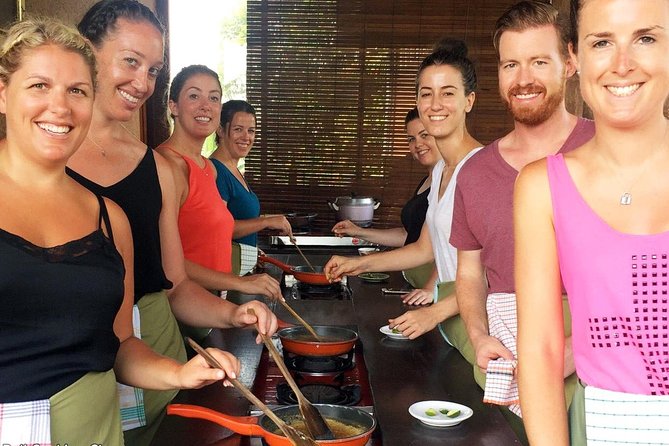
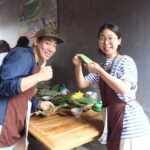
This is the kind of Bali activity that makes sense even if you’re not a confident cook. The structure is friendly and organized, with instructors guiding you step-by-step and support staff helping keep the class moving. You’ll spend time doing the work, from prep to shaping and cooking, not just standing nearby.
The small-group size matters more than you might think. When a group is under control, you can ask questions without feeling rushed. That’s where the class earns its high satisfaction rate: 96% recommended and a 4.9 rating from 117 reviews. In real terms, it means people leave feeling like they understood the why, not just the what.
Also, the setting helps. Several people talk about the home-style kitchen with views of the forest. It makes the class feel more like a morning at someone’s beautiful place than a formal tour bus stop.
You can also read our reviews of more tours and experiences in Ubud.

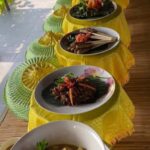
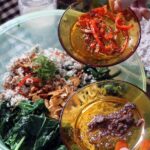
Ubud Traditional Art Market: how to shop like a cook
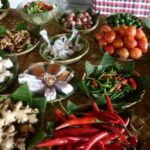
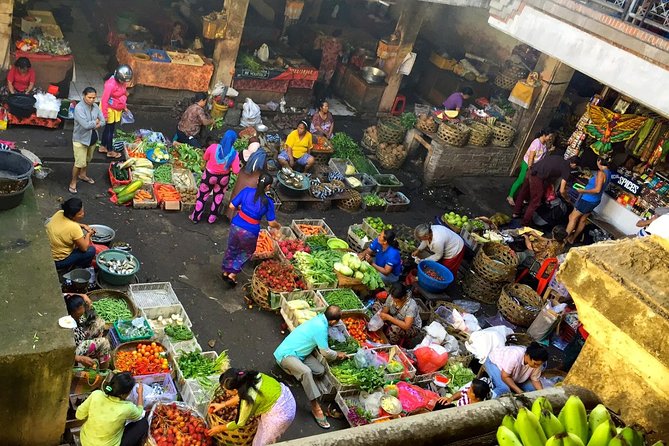
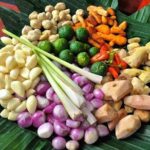
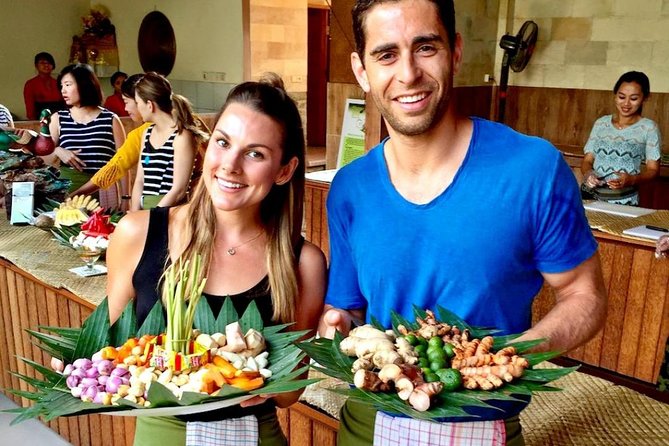
If you choose the morning session, your first stop is the Ubud Traditional Art Market. This is not a quick photo stop. The goal is to meet real ingredients for real Balinese cooking, while your guide explains what you’re looking at and how it’s used.
Here’s what this part does for you: it gives your cooking class context. Spices and produce aren’t interchangeable. When someone shows you how a local ingredient fits a dish, you start learning flavor building blocks you can use again at home.
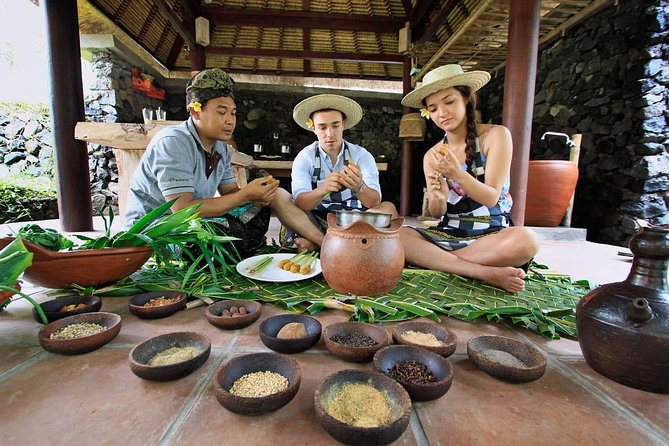
A smart way to approach the market is to watch for two things: aroma and function. Some spices and items are easier to find in Bali than in the US, so this is the moment when you learn what to buy if you want to repeat the meal later. Reviews mention people picking up spices that are hard to find back home, so if that’s your goal, pay attention during the shopping part and ask what’s most useful to take away.
If you’re sensitive to heat, plan for it. Morning is still often warm in Ubud, and market walking means some standing and looking up close at stalls.
Paon Bali’s kitchen: forest views, easy pacing, real participation
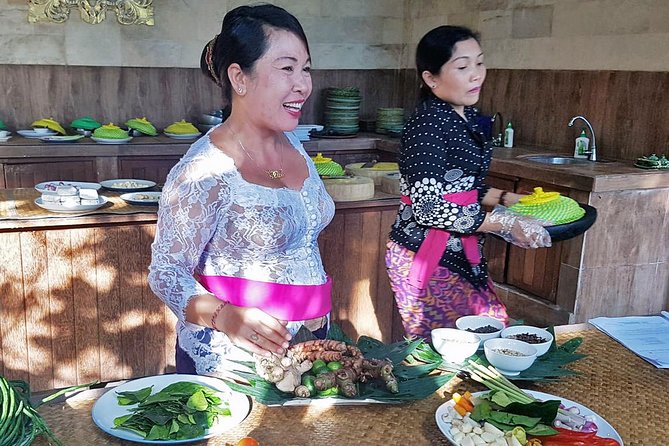
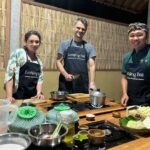
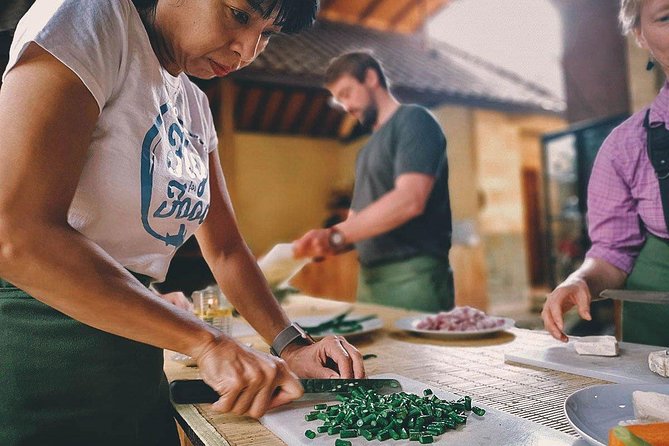
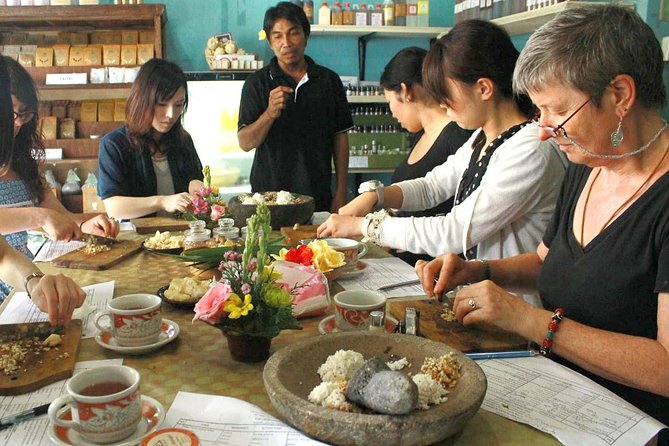
After the market, you move to the cooking class location, which is set up as a class-style home experience. The big win here is the pacing. Reviews repeatedly mention the class feeling efficient and clean, with an easy-to-follow process and enough support so you can keep up.
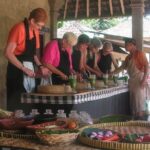
You’ll be doing a lot. That’s the point. The format is built around hands-on participation—prepping ingredients and cooking the dishes yourself—so the lesson sticks.
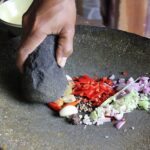
Expect explanations to focus on purpose, not just steps. People note that instructors walk you through the role of each ingredient. That’s important for Balinese flavors, because so many dishes rely on combinations of aromatics and spice pastes. If you only copy the step order, you’ll miss the flavor logic.
One more small but useful detail: a class certificate is included. It’s not why you’re going, but it’s a nice touch if you’re the type who likes tangible proof you learned something.
The menu: banana-leaf fish and satay, plus the rest of the meal
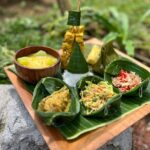
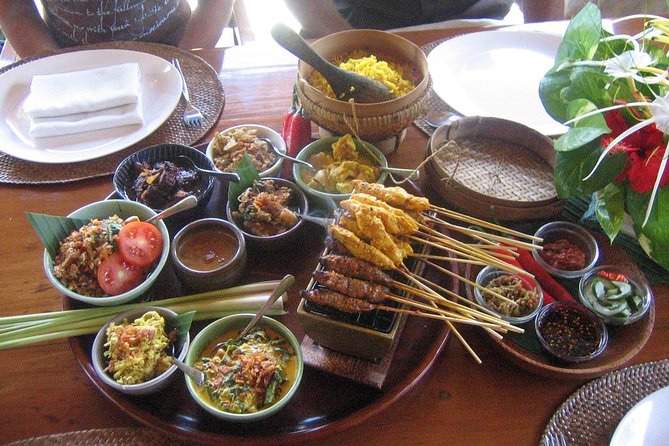
The highlight dishes you’ll make include banana-leaf fish and minced chicken satay. These aren’t random crowd-pleasers. They’re the kind of flavors that feel distinctly Balinese and help you understand why local cooking techniques matter.
Banana-leaf cooking is a good example. Cooking in leaf isn’t just about looks; it influences aroma and the way the dish cooks. Satay, on the other hand, teaches you about spice paste mixing and how seasoning balances with cooking method.
Beyond those named dishes, you’ll generally end up with a multi-dish meal. The class format typically lets you prepare several elements so lunch feels like a full spread rather than a snack. And yes, lunch is included—so you’re not paying extra to eat what you worked on.
This is also where the learning becomes practical. When you taste the food you made, you’re more likely to remember what ingredient choices did what. That’s the whole point of doing market plus cooking, instead of just taking a cooking lesson.
Transfers, timing, and group size: making it fit your Ubud day
The class runs about 5 hours. If you’re trying to schedule other Ubud hits—temples, waterfalls, cafes—this slot is workable. It’s long enough to feel like you really did something, but not so long that it eats your entire day.
Pickup is offered, but there’s an important boundary: transfers are within the Ubud area only. That’s fine if you’re staying in central Ubud, but if you’re outside town, you should expect an extra charge for pickup and drop-off beyond Ubud.
Group size also helps with logistics. The experience caps at 15 travelers, which keeps the pace manageable. That matters because cooking classes stall when the group is too big—people waiting for turns, stations overloaded, and fewer chances to ask questions. Here, the size is designed to prevent that.
One more small timing factor: if you pick the morning version, you’ll want comfortable shoes. Market walking plus a cooking lesson means you’re on your feet more than you expect.



Price and value: what $44 covers in real terms
At $44 per person, this class is priced for value because it bundles several things that often cost extra separately. You get the cooking lesson itself, lunch, a market visit (on the morning session), and Ubud transfers.
It also includes a cooking class certificate, which is not a main driver, but it’s part of why the experience feels complete. And the mobile ticket and fast confirmation window help you feel organized once you book.
What’s not included is important. Tips are not included, and you’ll pay more if you need pickup/drop-off outside Ubud. Also, the experience is non-refundable and cannot be changed for any reason. So pick your date carefully, especially if you’re juggling temple visits or weather-dependent plans.
Overall, if you’re paying for the learning plus a meal you actually make, $44 feels reasonable. This isn’t just a tour. It’s a full half-day activity built around ingredients, technique, and food.
Tips to get the most out of your session
Here are a few ways to make the class more useful and less stressful:
- Ask questions about ingredient substitutes. Since you’re shopping locally, your instructor can help explain what matters most if you can’t find the same items at home.
- Pay attention during market shopping to what’s hard to source elsewhere. Reviews mention buying spices for home use, so this is the moment to focus.
- If recipes matter to you, confirm what you receive. Some people mention getting recipes and even having the option to receive them via WhatsApp.
- Wear clothes you don’t mind getting a little spice on. Cooking is hands-on, and aroma is part of the experience.
If you’re planning to cook again after this class, treat it like a learning session for your future self. Take notes on flavor cues you notice while eating, not just on the steps.
Who this cooking class is best for
This works well for:
- Food-focused travelers who want to learn technique, not just eat.
- Couples and small groups. The class structure makes it easy to enjoy with others without losing individual attention.
- Beginner cooks who learn best with guidance and participation.
It’s also a great choice if you’ve tried Bali food already and want to recreate it. The market visit and ingredient explanations give you a foundation that a standard cooking lesson alone might not.
If you dislike early mornings, you can still go in a later session format, but the key difference is that the traditional market stop is only included with the morning session.
Final decision: should you book Paon Bali in Ubud?
If you want a practical Bali food experience—market ingredients, hands-on cooking, and lunch you made—this is a strong pick. The combination of small group size (max 15), highly positive satisfaction (96% recommended, 4.9 rating), and the real focus on Balinese dishes makes it a value-packed half-day.
Book it if:
- You’re staying in Ubud and want included transfers.
- You prefer learning by doing.
- You care about making Balinese flavors again at home.
Skip or rethink it if:
- You can’t do an early morning market visit and you’d be disappointed losing that ingredient shopping piece.
- You’re staying well outside Ubud and don’t want to deal with extra pickup costs.
- Your schedule is fragile, because the experience is non-refundable.
If that sounds like you, go ahead. This is one of those Ubud activities that turns into a skill, not just a memory.
FAQ
How long is the Bali Ubud Paon Cooking Class?
The experience lasts about 5 hours.
Is hotel pickup included?
Hotel transfer services are included within the Ubud area only. Pickup/drop-off outside Ubud has an additional charge.
Do I visit a market?
Yes, the traditional market visit is included only on the morning session.
What’s included in the price?
Included items are the market visit (morning only), lunch, a cooking class certificate, and hotel transfer services within Ubud.
What is not included?
Tips are not included, and everything not listed under inclusions is also not included (plus individual traveler insurance is not included).
How big is the group?
The maximum group size is 15 travelers.
When will I get confirmation after booking?
Confirmation is received within 48 hours of booking, subject to availability.
Is lunch included?
Yes, lunch is included.
Is there a cancellation policy?
The experience is non-refundable and cannot be changed for any reason.