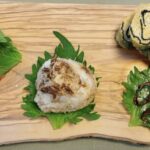
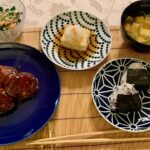
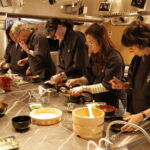
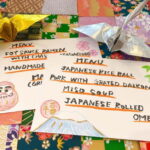
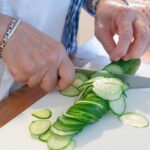
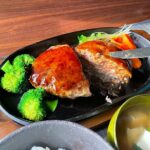
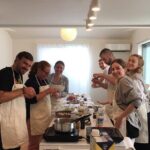
First bites tell a story. In Tokyo, this ramen and gyoza cooking class near Yanaka turns restaurant cravings into real kitchen skills. You’ll make a dashi-based ramen soup from scratch, fold gyoza, and then eat what you cooked—guided by Yuki at YUZU WASHOKU STUDIO, about 10 minutes from JR Nishi Nippori Station. What I like most is the hands-on pace (you do the work, not just watch) and the way Yuki teaches so you leave with steps you can repeat later. One consideration: the menu is not gluten-free, and you don’t make egg noodles or gyoza wrappers from scratch.
The format is simple and friendly. You meet at the studio, get a short home-cooking talk and Tokyo guide, then spend the bulk of the time cooking and tasting together. If you want a fun meal in the middle of your day plus real technique—this is a great fit. If you’re expecting true workshop-level noodle and wrapper making, plan for the fact that the emphasis is on the broth, soup, and gyoza process rather than homemade wheat wrappers.
In This Review
- Key Things You’ll Do in This Tokyo Ramen & Gyoza Class
- Why This Class Works So Well Near Yanaka
- Meet at 10:00 and Get Oriented Fast (Then Get Cooking)
- The Ramen Part: Broth, Soup, Toppings, and the Dashi Backbone
- Noodles and wrappers: what you will and won’t do
- Chashu pork topping (and vegetarian adaptation)
- Gyoza: Filling, Folding, and Getting the Bottom Crispy
- The Seasonal Veggie Side Dish and How It Completes the Meal
- Japanese Table Setting Basics (Yes, It’s Worth It)
- Small Class Energy With a Real Instructor (Yuki Leads)
- Included Lunch: You Don’t Just Cook, You Eat
- Price and Value: Is $110.56 Worth It?
- Who This Class Is Best For
- A Couple of Practical Considerations Before You Go
- So, Should You Book This Ramen and Gyoza Class Near Yanaka?
- FAQ
- What time does the class start near Yanaka?
- How long is the cooking and tasting portion?
- Where do I meet the instructor?
- Is hotel pickup included?
- What dishes are included in the class meal?
- Do you make ramen noodles and gyoza wrappers from scratch?
- Can the menu be adapted for vegetarians?
- Is the class a small group or private activity?
- What happens if weather is bad?
Key Things You’ll Do in This Tokyo Ramen & Gyoza Class
- Hands-on ramen soup and dashi from scratch so you understand the core flavor engine
- Gyoza filling and folding techniques, then pan-frying for a golden bottom
- Chashu pork preparation is part of the topping plan, with adaptations possible for vegetarian needs
- Seasonal veggie side dish plus green tea to round out your home-style meal
- Basics of Japanese table setting so you can actually sit down like locals
Why This Class Works So Well Near Yanaka
Tokyo has plenty of food experiences. This one is different because it teaches you how the food gets made, not just how it tastes.
You’re cooking home-style ramen and gyoza, which matters. Ramen can feel complicated in a restaurant. In class, the focus is on simple ingredients and practical techniques that you can recreate later. Even better, you’re not stuck standing back while someone else does the work. The structure gives you time to learn, handle, cook, and then eat.
The setting near Yanaka also helps. Yanaka is the kind of neighborhood where you can slow down and get more “everyday Tokyo” than “tourist Tokyo.” Pairing that mood with a cooking class is smart. You get a warm, lived-in activity that doesn’t feel like a factory tour of food.
You can also read our reviews of more tours and experiences in Tokyo.
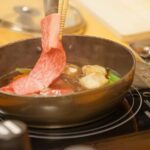
Meet at 10:00 and Get Oriented Fast (Then Get Cooking)
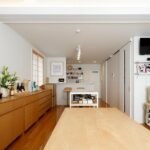
The day runs with a clean rhythm. You meet at the studio at 10:00 a.m. (address: 1-chōme-58-4 Nishinippori, Arakawa City, Tokyo 116-0013). There’s a short lecture that helps you understand what you’re about to make.
From 10:15 to 10:30, you’ll hear about Japanese home cooking and get a quick Tokyo guide. This isn’t just storytelling. It sets expectations for the style of ramen and the general mindset behind Japanese cooking: balance, texture, and doing things step by step.
Then the main block is 10:30 a.m. to 12:30 p.m. Cooking and tasting happen in that window. That timing is ideal if you’re planning a day where you want lunch included without losing half your afternoon to transit.
The Ramen Part: Broth, Soup, Toppings, and the Dashi Backbone
Here’s where the class earns its place for food nerds and casual eaters alike. You learn ramen that starts with dashi broth and ramen soup from scratch.
That’s important because dashi is the flavor foundation. Once you understand how it’s built, you can apply the same thinking to other soups and noodle dishes later. Instead of treating ramen as a mysterious bowl of magic, you see it as technique plus ingredients.
Noodles and wrappers: what you will and won’t do
If you’re hoping for everything-from-scratch noodles and gyoza wrappers, read carefully: this is a home-style ramen and gyoza class, and you do not prepare egg noodles or gyoza wrappers from scratch.
But don’t let that scare you off. The class still gives you the core ramen learning. You’ll be making the soup and dashi, and you’ll work with toppings. If you take one thing away, it’s the flavor system—how the broth gets layered into something comforting and satisfying.
Chashu pork topping (and vegetarian adaptation)
The plan includes learning to prepare chashu pork as a topping. That gives your bowl depth and gives you something to recreate at home, not just broth and assembly.
If you have dietary needs, the menu can be adapted for vegetarians. Based on what I’ve seen go smoothly in similar classes with Yuki, the instructor is clearly paying attention and can adjust the meal so everyone can sit down and eat together. Still, the class is not suitable for a gluten-free diet.
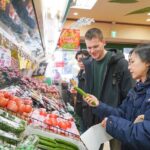
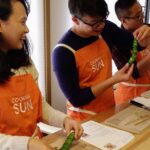
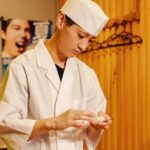


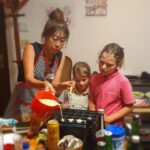
Gyoza: Filling, Folding, and Getting the Bottom Crispy
Gyoza is where many classes fall short because they either make it too easy or teach the steps too fast. This one is built around the process.
You’ll learn:
- How to make the handmade gyoza filling
- How to master folding techniques
- How to pan-fry them to get that signature crispy, golden bottom
That sequence matters. Crisp gyoza is about timing and contact with the pan. Folding is also about structure: it affects how the gyoza holds together when it hits heat.
And because the class is hands-on, you’ll likely leave with confidence that you can make gyoza again without needing a cheat sheet. Even if your first batch isn’t perfect, you’ll understand what to change: fold tighter, manage heat, and aim for that crisp base.
The Seasonal Veggie Side Dish and How It Completes the Meal
You don’t just leave with ramen and gyoza. The class also includes a seasonal vegetable side dish and green tea.
The vegetables will vary by season, which keeps the menu realistic for a studio kitchen. It’s also part of how Japanese meals stay balanced: you’re not eating all starch and pork in one sitting.
In practice, this side dish fills out your lunch so your tasting portion feels like an actual meal. It also gives you ideas for how to pair ramen-style flavors with something lighter and cooked.
Japanese Table Setting Basics (Yes, It’s Worth It)
One sneaky detail that makes this class feel more authentic is the time spent on basics of Japanese table setting.
You might think you’re just there for food skills, and that’s true. But table setting is part of the culture of eating together. Knowing where items go, how to sit and serve, and the basic manners around a shared meal helps you enjoy the tasting portion more and makes the whole experience feel less like a demo.
Also, if you’re the type who likes to bring a piece of a place home, this is one you’ll actually use the next time you host friends.
Small Class Energy With a Real Instructor (Yuki Leads)
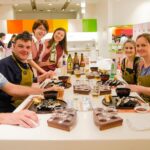
Yuki is the name you’ll hear around this studio experience. The teaching style comes through in how the class runs: friendly, engaging, and focused on getting you doing the steps yourself.
What stood out in the feedback I’m using to frame this review is that Yuki can:
- keep things fun without losing the practical teaching
- stay attentive to dietary needs (including vegetarian modification)
- maintain a welcoming atmosphere that makes beginners feel comfortable
That last point is huge. Cooking classes can sometimes feel stressful if you’re clumsy in a kitchen. When the instructor is patient and upbeat, you actually learn faster.
And yes, you’ll likely get to wear an apron and use provided towels. Those little details help you feel ready, not like you’re borrowing someone else’s kitchen.
Included Lunch: You Don’t Just Cook, You Eat
After all the work, you sit down and enjoy your creations. The included lunch is homestyle ramen and gyoza, plus the seasonal veggie side dish and green tea.
This is one of the best values in cooking classes: you’re not paying mainly for ingredients you’ll never taste. You’re paying for technique, guidance, and the satisfaction of eating what you made.
Also, because the class ends back at the meeting point, it’s easy to plan your next stop after lunch. You’re not stuck navigating a complicated tour flow.
Price and Value: Is $110.56 Worth It?
At $110.56 per person for about 2 hours 30 minutes, this isn’t a bargain-bin activity. But it also isn’t overpriced for what you get.
Here’s why I think the value holds:
- You’re learning multiple skill sets: dashi/ramen soup, chashu topping, gyoza filling + folding + frying
- The class includes lunch: ramen, gyoza, seasonal side dish, green tea, plus water
- The format is hands-on with a small class size feel, and it’s described as a private activity where only your group participates
To judge value, I ask: would you pay for a meal plus a real workshop? For many people, the answer is yes—especially in Tokyo, where cooking instruction in a focused setting can be hard to find.
The main reason the price might not fit you is if you only want to sample ramen. If your goal is eating, a restaurant meal will cost less. But if you want to take home a method you can repeat, the workshop time is the real product.
Who This Class Is Best For
This class fits best if you want a hands-on food day without overthinking it.
You’ll probably love it if:
- you’re a couple or solo traveler who wants a guided activity that feels social but not crowded
- you want authentic Japanese home cooking skills, not just a tasting
- you like technique learning: soups, folding, pan-frying
- you want a mid-morning lunch that’s part of the experience
It may not be the best match if:
- you need a gluten-free menu (this class isn’t suitable for gluten-free diets)
- you specifically want to make noodles and gyoza wrappers from scratch
A Couple of Practical Considerations Before You Go
A few things to think about so your day runs smoothly:
- The class requires good weather. If it’s canceled due to poor weather, you’ll be offered a different date or a full refund.
- Confirmation comes at booking time, so you should have the info you need ahead of arrival.
- There’s no hotel pickup or drop-off, so plan to get to Nishi Nippori (about a 10-minute walk) or nearby by local transport.
- If you have allergies or special dietary needs, check in early. The menu can be adapted for vegetarians, but not for gluten-free.
So, Should You Book This Ramen and Gyoza Class Near Yanaka?
If you want one Tokyo food activity that gives you both a great lunch and real cooking skills, I’d book it. The combination of ramen soup from scratch, hands-on gyoza folding and pan-frying, and a welcoming instructor style makes it feel like a genuine home-cooking experience rather than a scripted show.
Skip it if your top priority is gluten-free food or if you’re specifically looking to make noodles and wrappers from absolute zero. In that case, you’ll want a different kind of workshop.
FAQ
What time does the class start near Yanaka?
The class starts at 10:00 a.m., with meeting at the studio at that time.
How long is the cooking and tasting portion?
The session runs for about 2 hours 30 minutes total, with cooking and tasting scheduled from 10:30 a.m. to 12:30 p.m..
Where do I meet the instructor?
You meet at 1-chōme-58-4 Nishinippori, Arakawa City, Tokyo 116-0013, Japan.
Is hotel pickup included?
No. Hotel pickup and drop-off are not included.
What dishes are included in the class meal?
The included meal includes homestyle ramen, gyoza (dumplings), a seasonal vegetable side dish, and green tea.
Do you make ramen noodles and gyoza wrappers from scratch?
No. The class is home-style, so you do not make egg noodles or gyoza wrappers from scratch. You will learn how to make dashi broth and ramen soup from scratch.
Can the menu be adapted for vegetarians?
Yes. The menu can be adapted for vegetarians, but it is not suitable for a gluten-free diet.
Is the class a small group or private activity?
It’s described as a private tour/activity, meaning only your group participates, and it’s set up for a small, personalized experience.
What happens if weather is bad?
If the class is canceled due to poor weather, you’ll be offered a different date or a full refund.