REVIEW · TOKYO
Tokyo Sushi Making Experience & Japanese Cooking Class
Book on Viator →Operated by Tokyo Sushi Making Experience & Japanese Cooking Class · Bookable on Viator
Tokyo sushi becomes real fast. In just 1 hour 30 minutes, you’ll learn sushi history and proper bite etiquette from an English-speaking instructor, then make your own maki, temari, and nigiri with fresh ingredients like tuna, salmon, and flying fish roe in a small group. You eat what you make, which is the quickest way to actually understand the shape, texture, and balance.
I especially like the vibe: friendly hosts who explain steps clearly and stay patient, even when you’re learning from scratch. Another big plus for me is the cultural add-on—there’s talk about sushi origins and the etiquette behind each bite, not just a cooking demo. One thing to consider: the class price doesn’t include bottled water or any alcohol, so if you plan to add sake or shochu, budget extra—and remember Japan’s legal drinking age is 20.
In This Review
- Key Things I Found Most Useful
- A Hands-On Sushi Class at Shinbashi’s S-PLAZA
- What You Learn: Sushi History, Etiquette, and Three Styles
- Maki sushi: the roll that teaches structure
- Temari sushi: a different texture, a fun shape
- Nigiri sushi: technique and presentation
- The Ingredients: Fresh Fish and Flying Fish Roe Details
- How the Small Group Works (and Why That Matters)
- Optional Sake or Shochu: Add Flavor, Not Complications
- The Photo Takeaway and Shared Meal Feel
- Price and Value: What $59.46 Buys You in Tokyo
- Getting the Most Out of Your 1.5 Hours
- Should You Book This Tokyo Sushi Making Experience?
- FAQ
- How long is the Tokyo sushi making class?
- What’s included in the price?
- Do I need to bring ingredients or utensils?
- Can I add sake or shochu?
- What group size should I expect?
- Where does the class meet?
- What is the cancellation policy?
Key Things I Found Most Useful
- Make maki, temari, and nigiri in a single class, not a long multi-day course
- English-speaking instruction plus Traditional and Simplified Chinese support
- Eat your creations right after you learn them, so skills stick fast
- Optional sake or shochu for a more authentic feel (and ID rules apply)
- A max group size of 15, which helps you get real attention
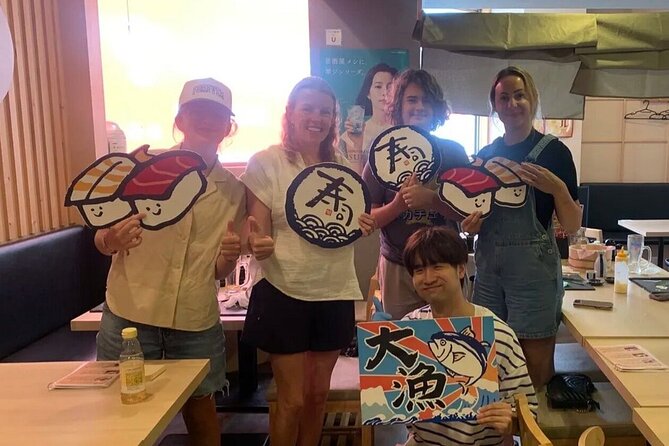
- Commemorative photos to take away, so you can remember details later
A Hands-On Sushi Class at Shinbashi’s S-PLAZA
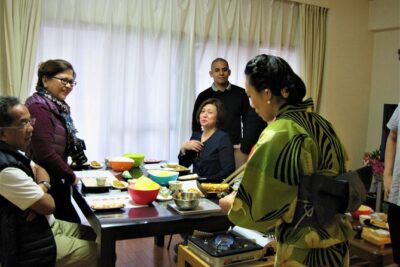
If you want Tokyo food without the usual standing-in-a-line stress, this sushi-making experience is built for getting results quickly. The meeting point is in Minato City’s Shinbashi area, at S-PLAZA弥生Ⅱ, 2-chōme-15-10, and it ends back there too. You’ll get a mobile ticket, and it’s near public transportation, which matters because you’ll want to arrive on time—this class moves.
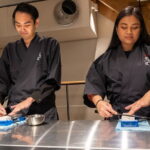
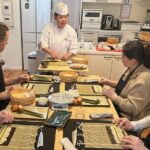
The setting is a classroom-style cooking space with staff who can help in English, Traditional Chinese, or Simplified Chinese. That language support is a practical edge: sushi is easy to mess up, but it’s much easier when you can actually ask questions and get corrected fast.
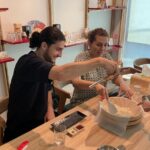
And here’s the real reason I like this format: you don’t just watch. You’re making sushi—hands-on—within a tight time window. That’s ideal if you’re short on time but still want something more meaningful than a single restaurant meal.
You can also read our reviews of more tours and experiences in Tokyo.

What You Learn: Sushi History, Etiquette, and Three Styles
This isn’t only a how-to. You also get context. The class covers sushi history and culture, and you’ll hear about the art and etiquette behind each bite. That part is worth your attention because sushi etiquette isn’t random rules. It’s mostly about how to taste properly—things like how to handle soy sauce, how to approach bites, and how to appreciate the relationship between fish, rice, and garnish.
Then you shift from ideas to muscle memory.
Maki sushi: the roll that teaches structure
You’ll learn to make maki sushi. Expect to work with fresh ingredients such as tuna, salmon, and flying fish roe. Maki is the best starter because you can see the goal clearly: tight roll, neat shape, and balanced filling. When you make it yourself, you understand why good rolls hold together and how rice consistency changes everything.
Temari sushi: a different texture, a fun shape
The class also includes temari sushi. Temari is typically more about shaping—small, rounded bites—so it feels different from rolling. It’s also a nice change of pace in a short session. If you get stuck on the roll, temari gives your hands a new job, and your brain a breather.
Nigiri sushi: technique and presentation
Finally, you’ll work on nigiri. Nigiri teaches you to think in terms of proportions: fish placement, rice amount, and how the bite should feel in your mouth. Nigiri is also where attention to detail pays off, because the “look” and the “taste” are tightly linked.
Across all three, the aim is simple: you learn enough to repeat the technique at home, not just copy a single perfect plate.



The Ingredients: Fresh Fish and Flying Fish Roe Details
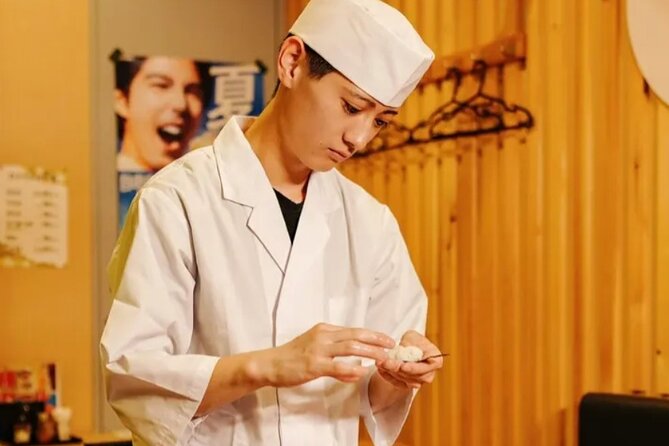
One reason I’d pick this class is the ingredient focus. You’ll work with recognizable fish like tuna and salmon, plus flying fish roe. Having roe in the mix helps you understand why texture matters in sushi—not everything is about flavor alone. That pop of roe changes the bite, and you feel that immediately when you’re shaping rolls.
The class includes making sushi with items like squid too (listed among the ingredients for included snacks). Even if you’re not a hardcore seafood fan, it’s usually a manageable experience because the sushi portion size lets you taste and move on.
Also, you should appreciate the “you don’t need to bring anything” approach. You’re not hunting for tools, ingredients, or special equipment before you even arrive. It’s a great fit for travelers who pack light and want the activity to be fully handled.
How the Small Group Works (and Why That Matters)
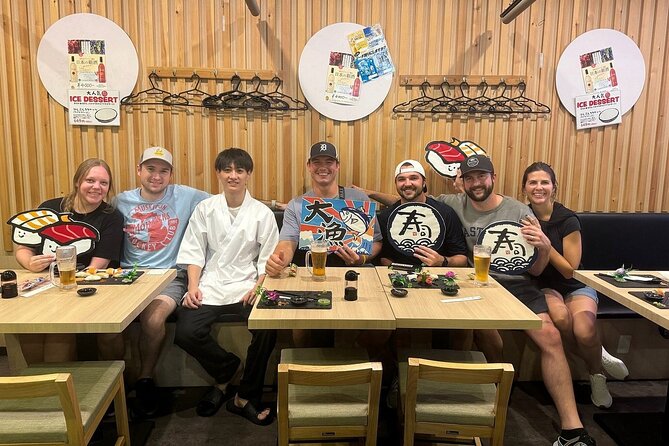
This is capped at 15 travelers. That number sounds small—and it is small enough to matter. Sushi skills don’t improve from watching alone. They improve when someone checks your rice handling, your shaping, and your rolling technique while you’re still in the process.
In the reviews, the hosts are repeatedly described as friendly and patient, and I think that’s the main ingredient here. When you’re learning fast, you need instructors who don’t rush you just because the clock is ticking. This class runs about 1 hour 30 minutes, so you’ll want calm guidance more than you want strict timing pressure.
And if you’re coming with kids, this kind of patient instruction is especially helpful. The class is age-eligible from 4 and up, so it’s designed for families, not only adults.
Optional Sake or Shochu: Add Flavor, Not Complications
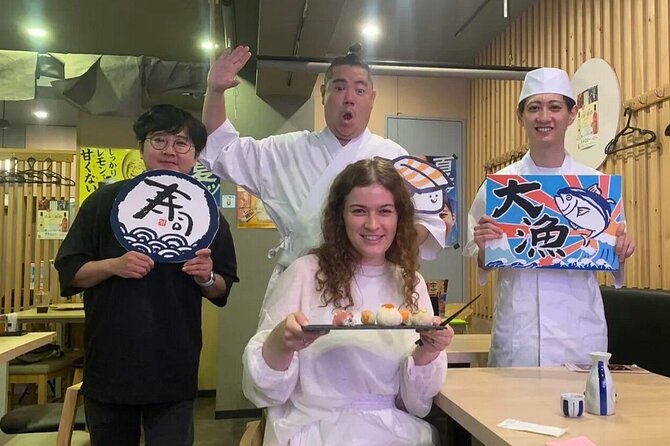
If you want the more “Japanese evening meal” feel, you can add sake or shochu. It’s listed as an optional add-on, and it’s the sort of detail that can make the experience feel more like a real celebration rather than only a cooking lesson.
Two practical cautions:
- Alcohol is not included in the price. You’ll need to order drinks separately.
- Japan’s legal drinking age is 20, so bring valid ID if you plan to drink.
Also, even if you do add alcohol, this is still an active cooking class. Keep it light so you can focus on the techniques—rolling and shaping are hard enough without extra buzz.
The Photo Takeaway and Shared Meal Feel
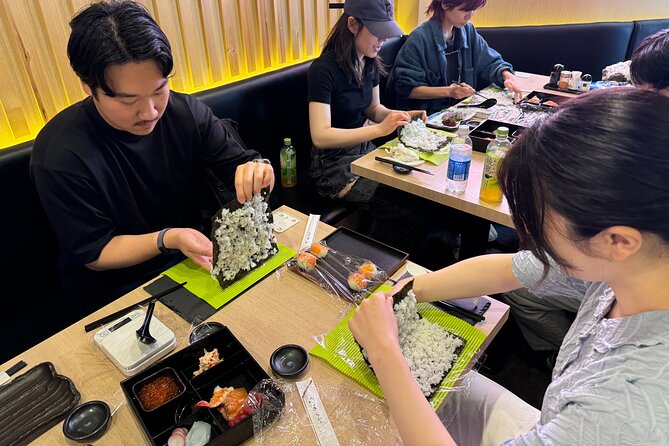
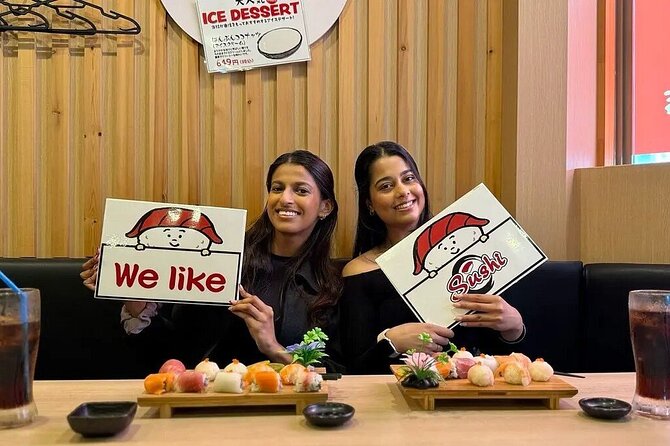
You’ll take away commemorative photos, which is a small detail that turns out to be big. Sushi is quick, and once the rice cools and the session ends, it’s easy to forget exactly how your finished plates looked. The photos give you a memory you can actually use later, especially if you want to recreate the same shapes at home.
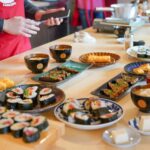
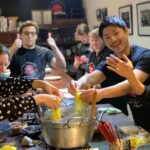
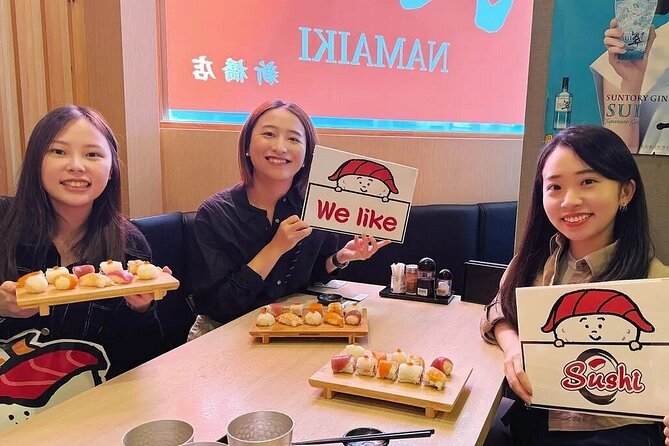
There’s also a social part to the experience: once you’ve made your sushi, you savor your creations alongside others in the class. That shared meal angle matters because it turns the session from a solo hobby into a brief Tokyo moment with other people who also care about food.
Price and Value: What $59.46 Buys You in Tokyo
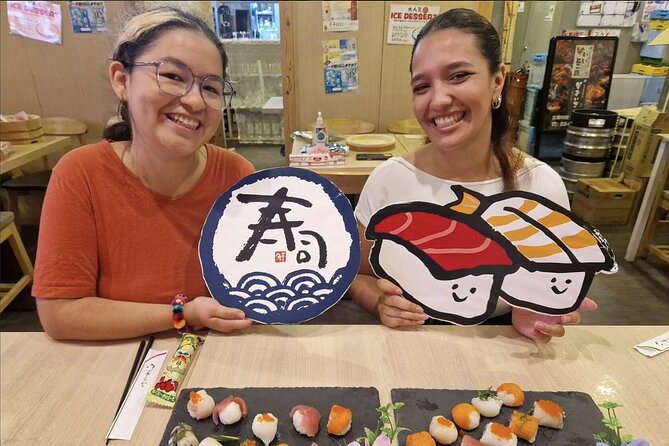
At $59.46 per person for about 90 minutes, this class sits in the “smart splurge” category. You’re paying for three things that are hard to recreate on your own while traveling:
- Instruction in multiple sushi techniques (maki, temari, nigiri)
- Fresh ingredients handled for you
- A guided experience with cultural context and photos
You do need to watch for the usual extras. The price does not include:
- Bottled water
- Any alcoholic beverages (sake/shochu must be ordered separately)
But even with those potential add-ons, the class is good value if you’re the type who learns by doing. A lot of sushi tastings teach you what to order. This one teaches you how it’s made.
One more value signal: it’s typically booked about 54 days in advance. That doesn’t mean you can’t book later, but it suggests the dates fill up. If you want a specific day during your trip, you’ll likely do better booking early.
Getting the Most Out of Your 1.5 Hours
This class is short, so your best plan is to arrive ready to work. Here are a few ways to get more out of the experience without overthinking it:
- Bring a curious mindset. Sushi etiquette and history are part of the lesson, not fluff.
- Be willing to redo small steps if your instructor adjusts your rice handling or shaping.
- If you’re adding sake or shochu, choose one. Keep your focus on making clean rolls and neat bites.
- Take your commemorative photos soon after you finish, when everything is still fresh-looking.
And because it’s a maximum of 15 people, it’s also worth asking questions when you have them. This is the kind of class where one small correction can change your whole roll.
Should You Book This Tokyo Sushi Making Experience?
I think you should book it if you want a practical Tokyo food memory that goes beyond eating. This is a strong pick for:
- First-time sushi makers who want hands-on instruction fast
- Families (age 4+) who need patient teaching
- Travelers who like cultural context alongside cooking technique
- Anyone who wants something short and high-return during a busy Tokyo trip
You might skip it if:
- You’re only interested in a casual meal and don’t want to cook at all
- You hate paying for optional add-ons like bottled water or alcohol
- You’re very uncomfortable with a timed class format (it’s about 1 hour 30 minutes)
FAQ
How long is the Tokyo sushi making class?
It runs about 1 hour 30 minutes (approx.).
What’s included in the price?
You get snacks made during the class (including maki sushi and temari sushi, with ingredients such as tuna, salmon, and squid), plus an English/Chinese-speaking guide. You also take away commemorative photos.
Do I need to bring ingredients or utensils?
You can enjoy learning sushi in a short time without bringing anything.
Can I add sake or shochu?
Yes, you can add sake or shochu for an authentic experience, but alcoholic beverages are not included and must be ordered separately. The legal drinking age in Japan is 20, so bring valid ID if you plan to drink.
What group size should I expect?
The experience has a maximum of 15 travelers.
Where does the class meet?
It meets at Japan, 105-0004 Tokyo, Minato City, Shinbashi, 2-chōme 15-10, S-PLAZA弥生Ⅱ.
What is the cancellation policy?
You can cancel for a full refund up to 24 hours before the experience starts. If you cancel less than 24 hours before, you won’t get a refund.