REVIEW · TOKYO
Tokyo Keen Japanese Knife and Sashimi Workshop
Book on Viator →Operated by 割烹道 · Bookable on Viator
One sharp skill, then lunch you made. This small-group Japanese knife and sashimi workshop pairs whetstone sharpening with hands-on sashimi cutting, followed by a zuke-don meal.
I like how practical it feels: you don’t just watch, you practice the angles and motions. I also like the food payoff, especially when your sliced fish turns into a tuna bowl you’ll actually eat. The one thing to consider is that it’s a guided group class, so you won’t get a private, one-on-one pace.
In This Review
- Key Things to Know Before You Go
- Where Knife Culture Meets a Real Cooking Class in Nishiazabu
- The Pre-Cut Lesson: How Japanese Knives Are Made and Used
- Sharpening on a Whetstone: The Skill That Changes Everything
- Knife Work and Sashimi Cutting: Learning the Motion, Not Just the Result
- Zuke-don Lunch You Build Yourself: Marinated Fish Over Rice
- What’s Included (and Why Those Extras Matter)
- Price and Value: Does $130.78 Make Sense for 2 Hours?
- Who Should Book This Workshop (and Who Might Not)
- Should You Book the Tokyo Keen Japanese Knife and Sashimi Workshop?
- FAQ
- How long is the workshop?
- How many people are in the group?
- Is lunch included?
- Do we taste sake?
- Do I need prior knife experience?
- Where does the workshop start?
- Is transportation included?
Key Things to Know Before You Go
- Small group (max 8) keeps attention on your technique, not just the demo.
- You sharpen on a whetstone with support, even if it’s your first time.
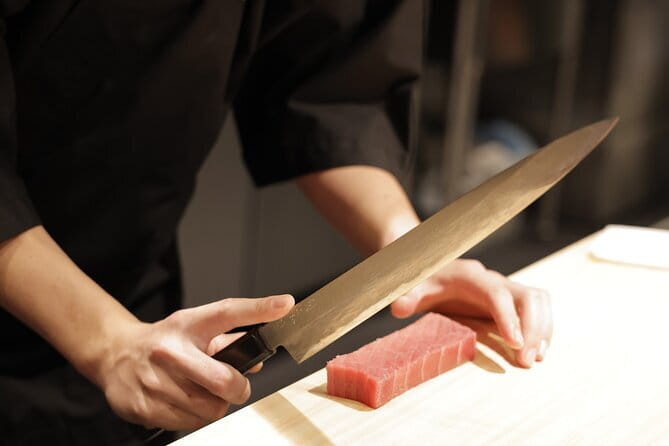
- Hands-on sashimi cutting helps you feel how sharp a real Japanese blade is.
- You make zuke-don for lunch (usually tuna, depending on availability) plus miso soup.
- Sake tasting is included with drinks at the meal.
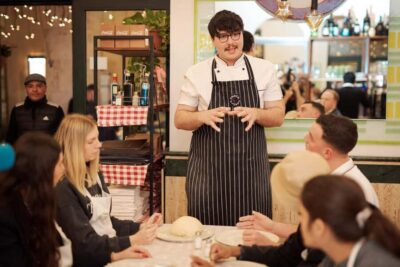
- Chef Naoya and interpreter Hiromi are part of the team in at least some sessions, making it easier for non-Japanese speakers to follow along.
Where Knife Culture Meets a Real Cooking Class in Nishiazabu
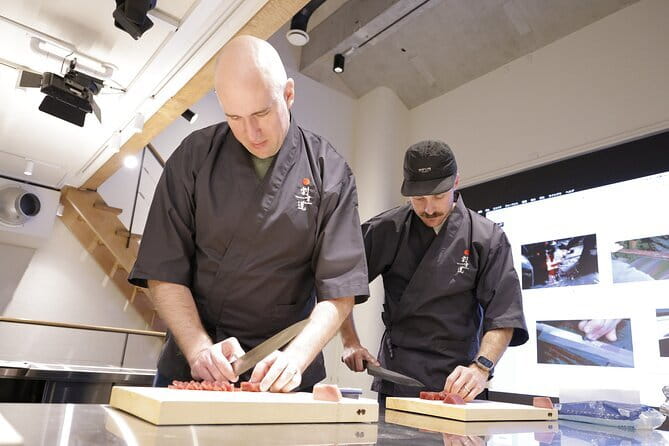
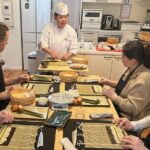
This workshop is based in Tokyo’s Minato City neighborhood of Nishiazabu, at the Kappodo HQ / Tokyo D kitchen studio. The setting matters here. You get the sense that this isn’t a quick show-and-tell; it’s a working kitchen-style teaching space where tools, technique, and food all connect.
The class runs about 2 hours, and it stays focused: knife talk first, then knife work, then lunch. Because the group is capped at 8 travelers, you’re more likely to get your questions answered in real time and try the motions yourself instead of hovering at the edge.
Also, you’ll be using a real Japanese knife in a guided way. That sounds simple, but it’s the heart of the experience. Learning knife skills from someone who can correct your hand position is the difference between feeling inspired and actually understanding what to practice later.
If you’re the kind of traveler who likes food and also likes learning the tool behind the food, this is a great match.
You can also read our reviews of more tours and experiences in Tokyo.
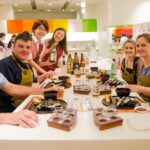
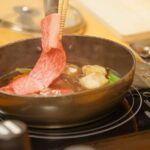

The Pre-Cut Lesson: How Japanese Knives Are Made and Used
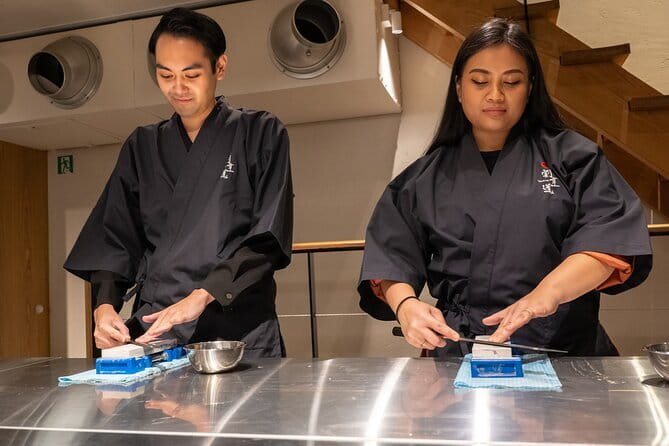
You start with an explanation of Japanese knife culture and customs, including how a Japanese knife is made. That doesn’t mean you’re turning bolts and forging steel yourself. It means you learn what makes these blades different and why people treat knife use like a craft, not just a task.
This is where the class helps you avoid common beginner mistakes. For example, technique matters because these knives are designed to work with a specific kind of cutting motion and edge behavior. You’ll also get context on why slicing and portioning isn’t random in Japanese kitchens.
Then comes the demonstration. You’ll see how the instructor handles the knife and how the cuts are controlled. Watching is important, but the class quickly moves from watching to doing, which is exactly what you want if you’re buying into the experience for real skill, not just a cool story for later.
Sharpening on a Whetstone: The Skill That Changes Everything
The workshop puts knife sharpening at the center. You’ll learn how to sharpen a Japanese knife using a whetstone, and the instructor will guide you step by step. Even if you’ve never done this before, you’re not left to figure it out on your own.
This is one of the most valuable parts because sharpening is where many home cooks fall off. A knife can look fine and still cut poorly if the edge isn’t properly worked. When you learn the basics—how the stone and angle work together—you start understanding why some knives feel effortless and others drag.
You also get exposed to the idea that different knife types need different thinking. One of the most praised parts of this workshop is that you’re shown multiple knife types, not just one blade. That gives you a mental map for what you might see later in Japanese kitchens and specialty shops.
Practical note: whetstones involve water and a wet work area. Expect a hands-on setup and take your time. The goal isn’t speed; it’s consistent contact and control. That’s what makes the edge behave well when it meets fish.
Knife Work and Sashimi Cutting: Learning the Motion, Not Just the Result
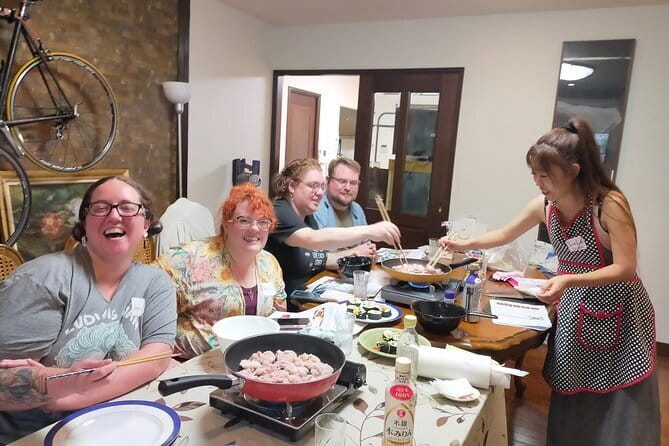
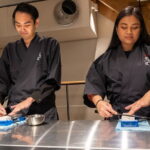
After sharpening, you test your skills with a knife cutting session. The class includes a demonstration of knife work and then time for you to cut sashimi yourself. This is where you feel the difference between a merely sharp knife and a properly used Japanese blade.
Sashimi cutting isn’t only about being careful. It’s about learning control—how to guide the knife with your hand position and how to keep the motion clean. Because it’s a small group, the instructors can help correct what you’re doing while you practice.
The experience also nudges you to notice texture. When your cut is right, the fish looks and feels different on the plate, not just in appearance but in the bite. When it’s off, you can often tell quickly. That immediate feedback is a powerful teacher.
One more useful thing: the workshop structure makes it easier to connect tool-to-food. You sharpen, you cut, then you eat. That flow keeps your learning from becoming abstract.
Zuke-don Lunch You Build Yourself: Marinated Fish Over Rice
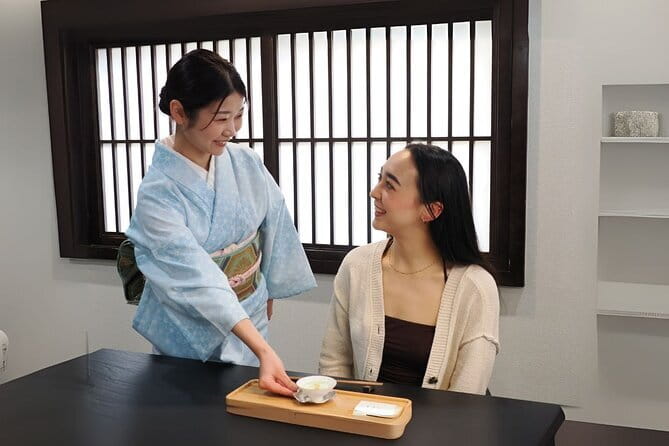
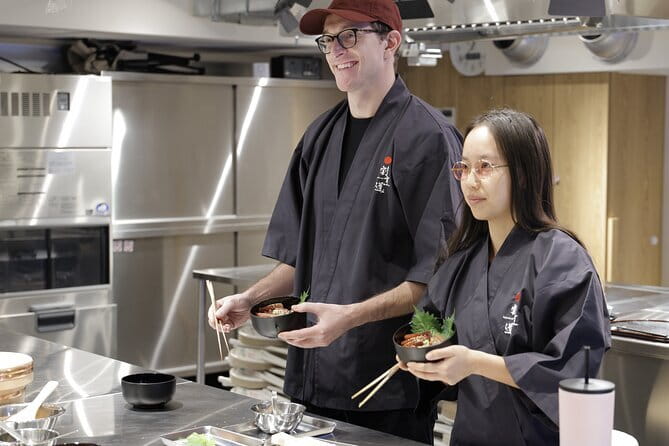
Then you shift into cooking. You’ll learn how to make zuke-don, a bowl of rice topped with marinated sashimi (often tuna, though the fish can vary based on availability). While the fish is marinating, you also continue with sharpening practice, so you never feel like you’re waiting around for the next step.
The cooking portion helps you translate what you learned at the cutting board. When you slice fish for zuke-don, you’re not just practicing technique—you’re building the texture and portioning that will matter in the finished bowl.
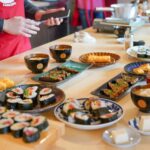
At the end, you eat what you made: your tuna bowl and miso soup. Drinks are included, and there’s also a tasting of Kappodo original sake. That sake addition is a nice touch because it’s part of the local food culture around the brand and kitchen world you’re inside.
You’ll likely notice the class makes lunch feel like a reward, not an afterthought. That’s not always true in cooking tours, but here the meal is tied tightly to the skill you learned earlier.



What’s Included (and Why Those Extras Matter)
This workshop includes the basics that keep the experience comfortable and smooth: all tools and aprons used in the lessons, plus a tour guide. You also get a certificate of participation, which is a fun souvenir if you like proof you actually learned something.
There’s also a practical bonus: the chance to get 10% off items at the 1F Shop on the same day as your workshop visit. If you’ve ever left a Japanese kitchen class thinking, I should have asked about that one knife detail, this helps. It’s an easy way to connect your new understanding with a real purchase, without feeling rushed.
And yes, there’s alcohol tasting included, but it’s a tasting, not a long drinking session. The focus stays on technique and food.
Price and Value: Does $130.78 Make Sense for 2 Hours?
At $130.78 per person for about 2 hours, the big question is value. The good news is that you’re not paying for a long tour bus ride or a generic meal. You’re paying for access to hands-on instruction, sharp tools, and a complete loop from technique to lunch.
Here’s what makes the price feel more reasonable:
- Small group size (max 8) reduces the “waiting your turn” problem.
- You get both sharpening and sashimi cutting practice, not just one.
- Lunch is included, and it’s tied directly to what you cut and learn.
- The workshop also includes sake tasting, plus drinks.
It’s not the cheapest thing you’ll do in Tokyo. But if you’re even mildly curious about Japanese knives, this is the kind of experience where the skill transfer is the point. You leave with a better understanding of what a good edge feels like and how sharpening is part of owning and using quality knives.
Who Should Book This Workshop (and Who Might Not)
This class suits you if:
- You want hands-on Japanese food technique, not just watching.
- You’re curious about knife sharpening and the role it plays in cutting.
- You enjoy a structured class where the meal connects to the skills.
- You’d like a small group experience with friendly instruction that helps you keep up.
You might think twice if:
- You only want a quick food experience and don’t care about tools or technique.
- You prefer very slow, personalized coaching with no group dynamics at all.
- You’re not interested in eating sashimi or fish-based zuke-don (the class centers on that).
Also, for first-timers, there’s reassurance built in: instructors help you with the whetstone. That’s the kind of support that makes a workshop like this feel doable.
Should You Book the Tokyo Keen Japanese Knife and Sashimi Workshop?
Yes, I think you should book it if you like practical learning with a real food payoff. This isn’t a “knife facts” lecture. It’s a skills + lunch format where you sharpen, cut sashimi, then eat what you made.
Two details that tip the scale for me: the small group size and the way the day ties together. When you sharpen and cut with guidance, then turn it into zuke-don, the learning sticks. Add the miso soup and sake tasting, and you get a complete experience that feels worth the time.
If you’re curious about Japanese knives and you want more than a souvenir, this is a strong choice.
FAQ
How long is the workshop?
The workshop lasts about 2 hours.
How many people are in the group?
The class has a maximum of 8 travelers.
Is lunch included?
Yes. You’ll have lunch, specifically the tuna bowl you make, plus miso soup.
Do we taste sake?
Yes. A tasting of Kappodo original sake is included, along with drinks.
Do I need prior knife experience?
No. The instructor helps you, including when learning to sharpen with a whetstone.
Where does the workshop start?
It starts at Kappodo H.Q / Tokyo D kitchen Studio in Nishiazabu, Minato City.
Is transportation included?
No. Private transportation is not included.