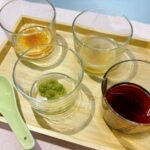
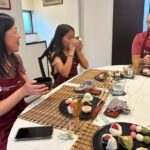
REVIEW · TOKYO
Japanese Sake Tasting & Wagyu Sukiyaki Cooking Class in Tokyo
Book on Viator →Operated by 割烹道 · Bookable on Viator
Sake changes with temperature, fast. I like that this class teaches sake tastings at three temperatures using the same bottles, side by side, so you can actually taste how warmth shifts flavor. I also love that you finish by making and eating premium Wagyu sukiyaki you cook at the table, not just watching a show. One thing to consider: this is an energetic 2-hour session, so plan to arrive on time and come hungry, because the food portion moves quickly.
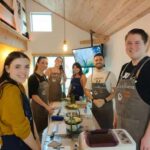
It runs with a maximum of 8 travelers, which keeps questions from getting lost and makes the room feel like a small workshop instead of a factory line. The setting is a kitchen studio in Nishiazabu near public transportation, and you’ll likely be guided by instructors with names like Hiromi-san and other staff such as Naoya-san or Kimagai taking the sukiyaki lead, depending on the day.
In This Review
- Key highlights worth your time
- Two hours in a Tokyo kitchen studio: what the class feels like
- Entering the sake lesson: three temperatures and the serving choices that matter
- Pairing snacks: training your palate in small steps
- Wagyu sukiyaki workshop: how the hot pot becomes the lesson
- Why Kano-style matters here (and what to watch for)
- Vegetable carving demo: the show happens while you cook
- Eating your own lunch: sake pairing at the table
- Price and value: why $129 can make sense in Tokyo
- Practical stuff: meeting point, timing, and group size
- Who should book this class (and who might skip it)
- Should you book the Japanese Sake Tasting & Wagyu Sukiyaki class?
- FAQ
- How long is the class?
- Where does the experience start?
- What food and drink are included?
- Do I need to arrange transportation?
- How many people are in the group?
- Is cancellation free?
Key highlights worth your time
- Three-temperature sake tastings: chilled, room temperature, and warm, using the same sake for clear comparisons
- Sake flavor changes with vessels: learn how serving tools and temperature work together
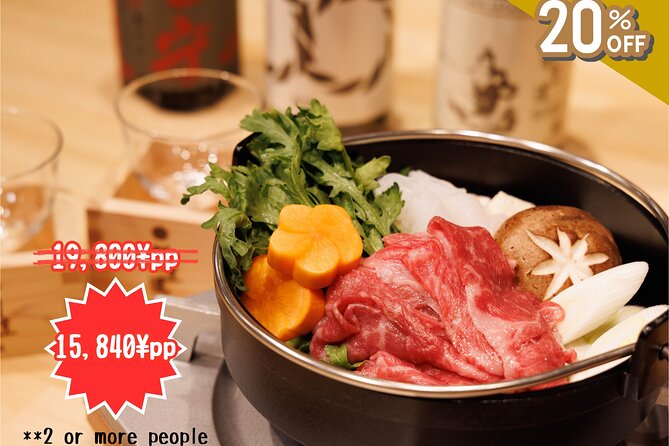
- Hands-on Wagyu sukiyaki: cook, simmer, and eat your own hot pot (not just a meal ticket)
- Live vegetable carving demo: decorative knife skills happen while your sukiyaki cooks
- Small group size (max 8): more attention, more chances to ask questions
- 10% off the 1F shop the same day: a useful perk if you want to bring Japanese treats home
Two hours in a Tokyo kitchen studio: what the class feels like
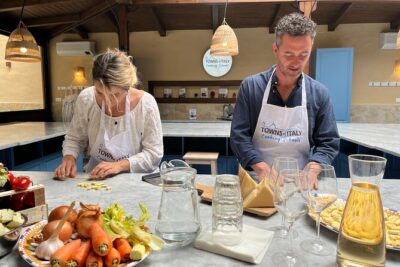
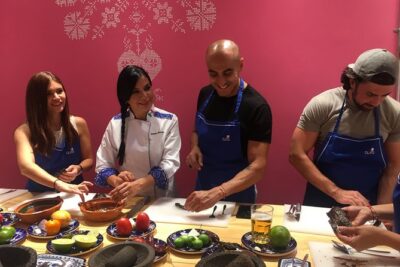
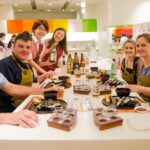
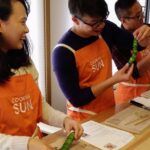
This is the kind of Tokyo food experience I like best: practical, hands-on, and centered on a real skill you can take home with you. You start in a kitchen studio setting at the Kappodo H.Q / Tokyo D kitchen Studio in Nishiazabu. Since the max group size is 8, you won’t be shouting across rows or waiting forever for basic steps.
The vibe is upbeat and focused on flow: a short sake lesson, snacks for pairing, then the sukiyaki cooking stage as your hot pot simmers. By the time you sit down to eat, you’ve already learned the “why” behind the flavors, so the meal feels less random and more intentional.
The schedule is also friendly to planning: it starts at 11:00am and runs about 2 hours. That means you can treat it like your main late morning/early lunch anchor, then keep the rest of your day for temples, neighborhoods, or shopping.
You can also read our reviews of more tours and experiences in Tokyo.

Entering the sake lesson: three temperatures and the serving choices that matter
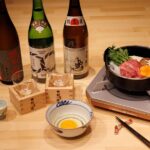
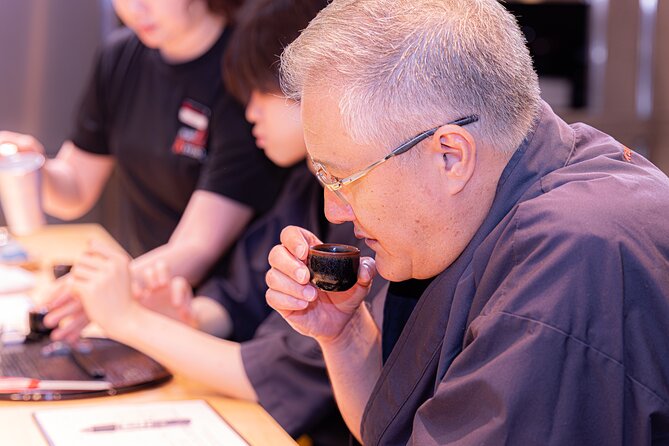
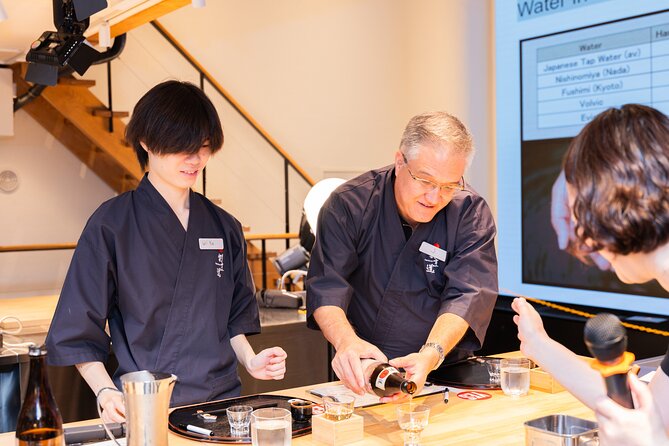
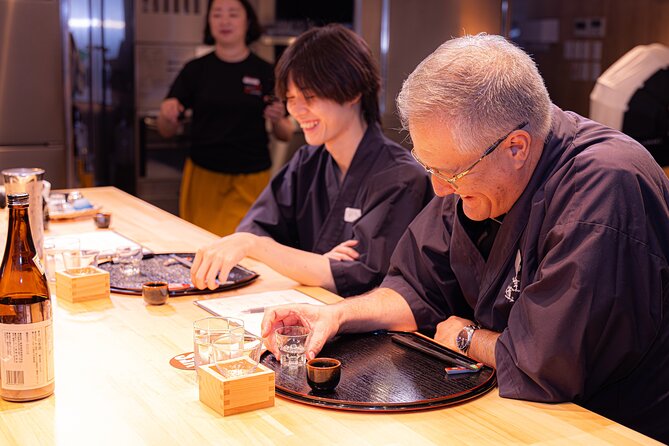
The class begins with a concise sake tasting led by an expert. The core idea is simple, and it’s what makes the lesson click: you taste the same sake at different temperatures so you can stop guessing how sake should taste.
You’ll compare:
- Chilled sake
- Room temperature sake
- Warm sake
That temperature shift can change aroma and how the flavor lands on your tongue. You don’t need a chemistry background. You just need two senses: smell and taste, and the class gives you structured moments to compare.
You also learn that the vessel matters. Same sake, different serving tools—so your taste experience shifts. This is the kind of detail that pays off later in Tokyo when you order sake at a restaurant or shop. You’ll have a mental checklist: is this served cold, lukewarm, or warm, and what kind of cup or container are they using?
Pairing snacks: training your palate in small steps
Between pours, you’ll pair sake with selected Japanese snacks. This part is easy to miss if you only think of sake as a drink. Here it’s used like a tool: each pairing helps you notice which flavors feel lighter, more rounded, or more prominent.
From the way people describe the experience, the snacks also add variety without making the lesson feel like a lecture marathon. It’s enough food to keep you comfortable while the tasting portion stays organized.
Wagyu sukiyaki workshop: how the hot pot becomes the lesson
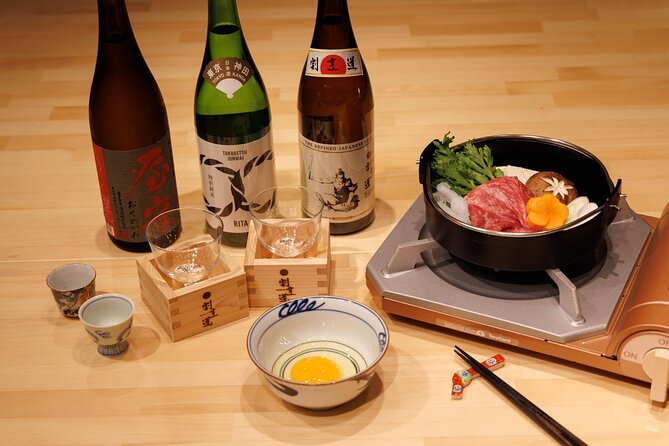
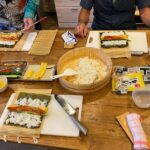
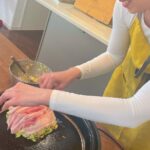
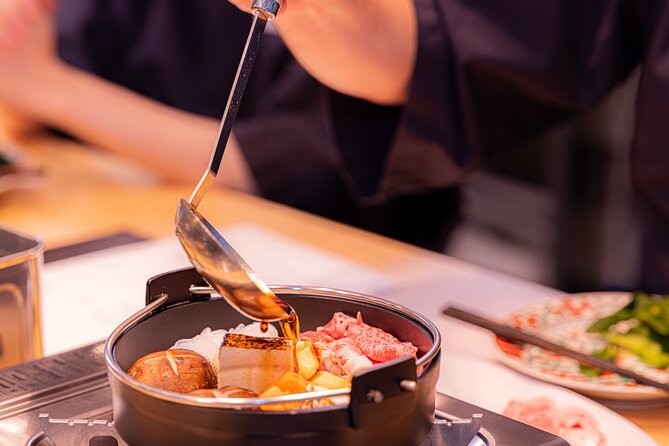
After the sake portion, you move into the hands-on portion: a Wagyu sukiyaki workshop. This is where the experience stops being “informational” and turns into “do it yourself.”
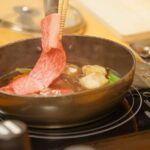
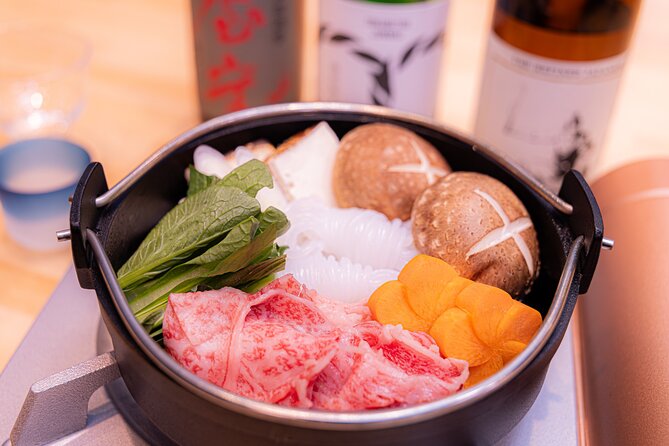
You’ll cook and savor your own hot pot using premium Wagyu beef. The fact that it’s Wagyu matters beyond brand hype. In this setting, you’ll taste what changes when higher-quality beef meets a classic sukiyaki-style build—sweet-salty sauce notes, tender texture, and a richer mouthfeel than you might expect from an average hot pot.
Sukiyaki also works well as a cooking class because it has an obvious timeline. While the pot is working, you get that moment where ingredients transform rather than just heat up. You’re not rushing every second; you’re building something that rewards patience.
Why Kano-style matters here (and what to watch for)
The class is described as Kano-style sukiyaki, with chefs such as Kimagai mentioned in the context of leading the workshop. I like styles like this because they give the meal a structure. Instead of “make sukiyaki however,” you get an approach with clear taste outcomes.
In practice, you’ll pay attention to timing: when to add ingredients, how the pot simmers, and how the balance of flavors develops as it heats. Those details are exactly what you want if your goal is to recreate the experience at home later.


Vegetable carving demo: the show happens while you cook
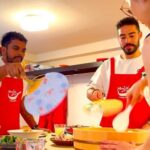
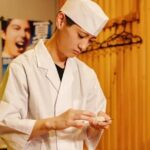
While your sukiyaki simmers, you’ll watch a professional chef’s vegetable carving demonstration. This is one of those “nice-to-see” cultural moments, but it’s not random theater. It also makes sense in the context of food appreciation: Japanese cooking often treats presentation as part of the flavor experience.
You’ll see decorative carving techniques happening in real time. Even if you don’t try carving yourself during this class, you’ll walk away with a better sense of how Japanese kitchens value detail. And since it occurs while your pot is cooking, it fills time without stealing attention from the meal you’ll actually eat.
Eating your own lunch: sake pairing at the table
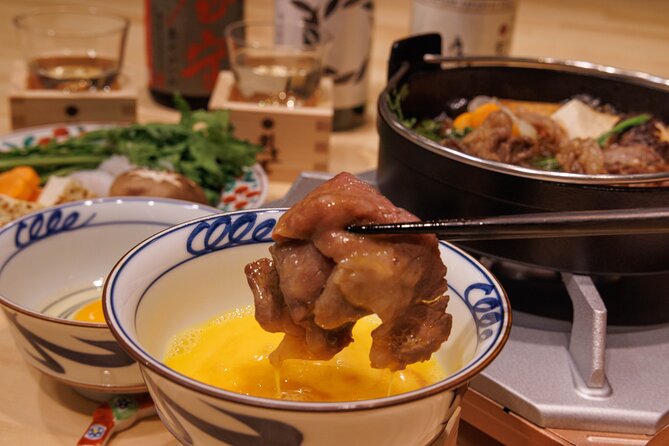
When it’s time to eat, you’re not just handed a plate. You’re sitting down with a hot pot you cooked. That changes the whole experience, because you can connect taste to process.
And yes, you can pair the sukiyaki with sake to finish the experience. This is where the earlier temperature lesson comes full circle. If the earlier pours taught you that warmth shifts flavor, this final pairing helps you apply it to a richer, savory dish.
I find that most people remember food more than facts. So this pairing stage is smart: it turns what you learned into something you feel in your mouth, not something you nod at.
Price and value: why $129 can make sense in Tokyo
At $129 per person for about 2 hours, you’re paying for more than lunch. The included items are the key to understanding the value:
- Alcoholic beverages: sake in three temperature ranges (plus other sake options)
- Lunch: Wagyu beef sukiyaki
- Equipment used for the sake pairing lesson
- Certificate of participation
- Same-day perk: 10% off items at the 1F shop
In Tokyo, a premium meal and sake can add up fast, especially when quality ingredients like Wagyu are involved. What you’re getting here is a combination of:
1) tasting instruction,
2) cooking instruction, and
3) the actual meal with premium meat.
So if you’d otherwise pay for a meal plus separate sake tastings around town, this class can feel like an organized, all-in-one way to get both. The small group size also protects value: you’re more likely to get personal guidance rather than watching.
Practical stuff: meeting point, timing, and group size
You start at 11:00am at the Kappodo H.Q / Tokyo D kitchen Studio in Nishiazabu (Minato City, 2-chōme). The activity ends back at the meeting point, so it’s easy to slot into a day without complicated transit plans.
A couple of practical notes that matter:
- It’s near public transportation, so you can treat it as a simple destination stop.
- Private transportation is not included, so don’t plan on someone picking you up.
- The group max is 8 travelers, so if you prefer quieter, question-friendly activities, this size is a plus.
Who should book this class (and who might skip it)
This is a strong fit if you:
- want a hands-on food experience instead of a sightseeing-only day
- enjoy sake and want to learn how temperature changes flavor
- care about cooking techniques and presentation details (that vegetable carving demo is a bonus)
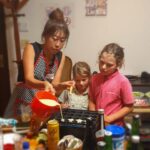
- are traveling with family or a small group who want one shared, practical activity
It may be less ideal if you:
- dislike alcohol. Sake tastings are part of the class structure, and the lesson revolves around tasting.
- prefer very long meals. This runs about 2 hours, so it’s focused rather than leisurely.
Should you book the Japanese Sake Tasting & Wagyu Sukiyaki class?
Yes, I’d book it if you want one Tokyo activity that hits multiple goals at once: skill, flavor, and a meal you helped make. The combination of three-temperature sake tasting, Wagyu sukiyaki cooking, and the chef-led vegetable carving demo gives you both instruction and entertainment—without turning it into a long, exhausting day.
Also, the small group limit (8 travelers) is a real quality factor. You’ll get more attention, and the experience stays friendly.
If you’re on the fence, ask yourself one question: do you want to remember Tokyo through cooking and taste, not just photos? If the answer is yes, this is a great choice.
FAQ
How long is the class?
It runs for about 2 hours.
Where does the experience start?
The meeting point is Kappodo H.Q / Tokyo D kitchen Studio (Cooking Workshop), in Nishiazabu, Minato City (106-0031 Tokyo). It starts at 11:00am and ends back at the meeting point.
What food and drink are included?
You’ll have sake available in three different temperature ranges (and other types of sake), plus lunch of Wagyu beef sukiyaki. Snacks are also included for pairing during the lesson.
Do I need to arrange transportation?
Private transportation is not included. The meeting point is near public transportation.
How many people are in the group?
This activity has a maximum of 8 travelers.
Is cancellation free?
Yes. You can cancel for a full refund if you cancel at least 24 hours in advance of the experience start time. Canceling within 24 hours isn’t refundable.