REVIEW · TOKYO
Sushi Cooking Class: AKEMI’s SUSHiKiTCHEN in Tokyo
Book on Viator →Operated by Akemi's Sushikitchen · Bookable on Viator
Sushi lessons in a Tokyo home beat restaurant lessons. This small-group class in Akemi’s SUSHiKiTCHEN has you making sushi with hands-on guidance, using carefully sourced ingredients and learning the story of the food as you cook. I especially like the personal attention from the host team (Akemi and Dan) and the ingredient quality, from Kyoto rice to fresh neta from Tokyo fish markets. The one drawback to plan for is that it’s not a quick demo: you cook a full meal yourself, so expect the full 2 hours 30 minutes even if you’re a first-timer.
You’ll meet at Sasazuka in Shibuya, step inside a quiet residential home, and spend the session learning techniques, terminology, and Japanese eating etiquette before eating what you made. It’s a great value if you want more than a plate of sushi—you want the how and the why.
In This Review
- Key Things I’d Bookmark Before You Go
- Entering Akemi’s Tokyo Home and What the Small-Group Setting Changes
- Who Akemi Is and Why Her Teaching Style Matters
- The Ingredients That Make This Class Feel Premium (And Practical)
- Kyoto rice, blended on purpose
- Fresh neta from Tokyo markets
- Why ingredient sourcing affects value
- How the 2.5-Hour Lesson Flows From Start to Finish
- 1) Start with technique and orientation
- 2) Learn the rice and the “why” behind it
- 3) Work with neta and build flavor
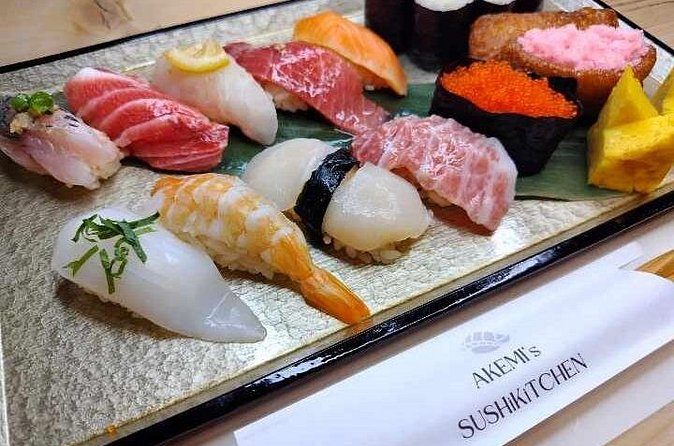
- 4) Make four types of sushi
- 5) Finish with the meal you cooked
- Sushi Etiquette, Terminology, and Culture You Can Use Tomorrow
- What First-Timers Should Expect (Without Getting Overwhelmed)
- Meeting at Sasazuka (Shibuya) and Making This Easy on Yourself
- Price and Value: Paying for Coaching, Not Just Sushi
- Should You Book Akemi’s Sushi Cooking Class?
- FAQ
- How long is the sushi cooking class?
- What group size should I expect?
- How many types of sushi will I make?
- Will the class include sushi history and etiquette?
- Will the instruction be in English?
- Where does the class meet?
- What’s the cancellation policy?
Key Things I’d Bookmark Before You Go
- Max five students (with a total cap of six travelers) so you’re not lost in a crowd
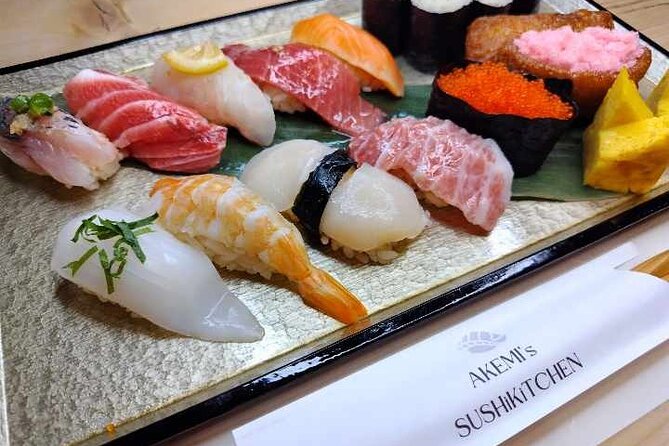
- Four types of sushi made hands-on, ending in the meal you cooked
- Edomae training and restaurant experience explained in clear English
- Special rice sourcing: blended rice ordered from Kyoto’s Hachidaime Gihey (est. 1787)
- Fresh fish (neta) linked to Tokyo markets, including Toyosu and Tsukiji
Entering Akemi’s Tokyo Home and What the Small-Group Setting Changes
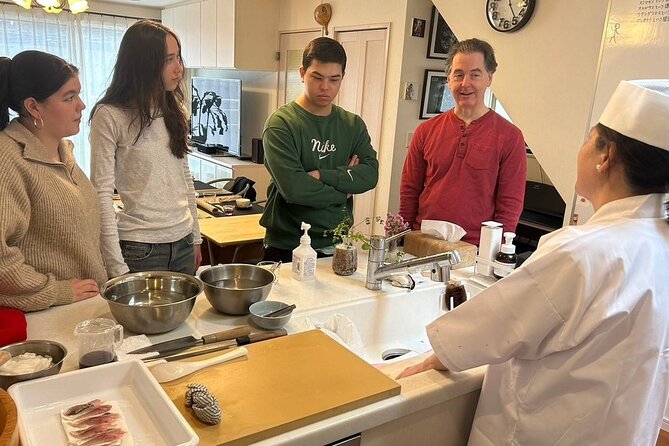
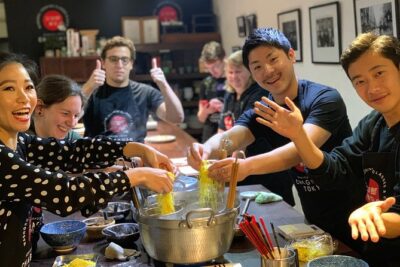
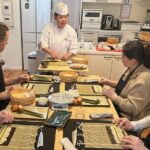
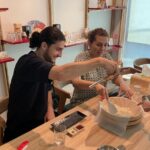
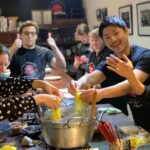
Sushi classes can go one of two ways: you watch, or you do. Here, you do. The experience takes place in a chef host’s home in a quiet residential area, which immediately changes the pace. You’re not squeezed into a loud counter seat. Instead, you’re in a setting where it’s natural to ask questions and get coaching right when you need it.
The small group size is the real headline for me. Lessons are limited to a maximum of five students, with the overall activity capped at no more than six travelers. That means you’re close enough to see technique, and you’re present enough to correct small mistakes before they turn into big ones. For something as fiddly as sushi—rice handling, blade control, and proper assembly—that kind of attention matters.
Also, this is a “learn by doing” format. You’re not only tasting; you’re building. You’ll leave with a meal you made with your own hands, which tends to stick better than anything you just read about at home.
You can also read our reviews of more tours and experiences in Tokyo.


Who Akemi Is and Why Her Teaching Style Matters
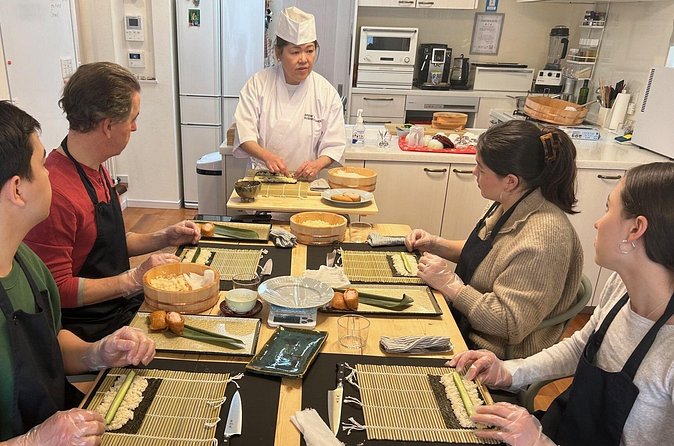
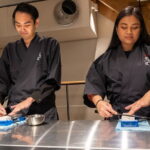
This class isn’t run by a random “chef for hire.” Akemi has 7 years of restaurant industry experience in Japan and has completed the Edomae Sushi Technique Acquisition Course at the Tokyo Sushi School. That combination matters for you because it usually means two things:
1) you’ll get correct core technique, and
2) you won’t be left translating a language you don’t speak.
Akemi also uses her English proficiency to teach in a way that’s meant to be fun and educational, not intimidating. Even if you’ve never tried sushi before, the structure is built for you to finish with sushi that tastes good, not just sushi that looks acceptable.
And then there’s Dan, part of the host team. From the way people describe the atmosphere, the lesson lands with the right mix of friendliness and instruction: you feel welcome, but you’re still learning step-by-step from someone who clearly knows the craft.
The Ingredients That Make This Class Feel Premium (And Practical)
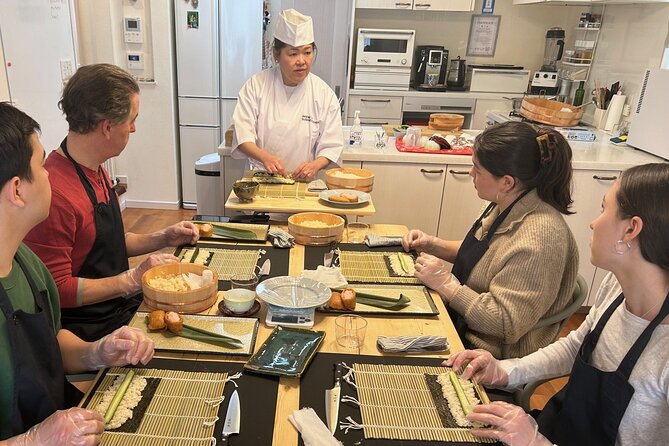
A big part of why this class is worth your time is that the ingredients are treated like part of the lesson, not just the reward at the end.
Kyoto rice, blended on purpose
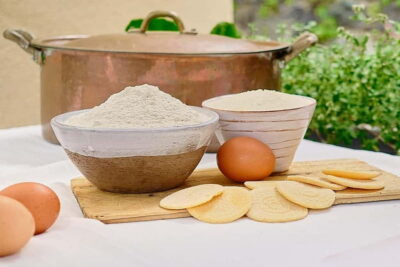
You’ll use blended sushi rice specially ordered from Hachidaime Gihey in Kyoto (est. 1787). That detail is more than trivia. Sushi rice is the foundation. If the rice is off—too wet, too dry, or not seasoned correctly—the entire bite changes. Using rice ordered from a long-running source gives you a consistent starting point so you can focus on learning technique.
Fresh neta from Tokyo markets
The fish, called neta, is sourced directly from Tokyo fish markets, including Toyosu and Tsukiji. When neta is handled well and sourced responsibly, you taste the difference instantly. And since this is a cooking class, you’re not just eating the fish—you’re learning how it fits into the finished sushi.



Why ingredient sourcing affects value
At $105.68 per person for about 2 hours 30 minutes, you’re paying for coaching plus quality ingredients, in a small group. In plain terms: you’re not only buying a meal. You’re buying a chance to learn the standards behind a great bite—rice quality and neta quality—while someone guides you through technique.
How the 2.5-Hour Lesson Flows From Start to Finish
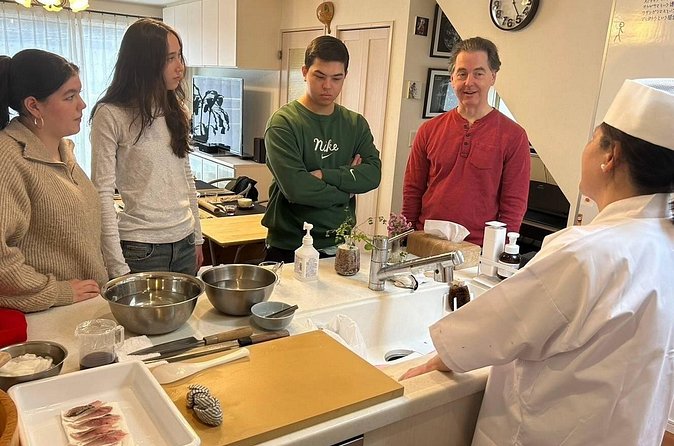
The class is structured around making sushi in stages, with enough time for you to practice and enough guidance to keep you from getting stuck.
1) Start with technique and orientation
You begin by learning what you’re making and how to approach each component. This is where Akemi’s teaching background helps: sushi isn’t just one skill. It’s rice handling, slicing/handling ingredients, assembly, and presentation. You’ll also pick up sushi terminology, which helps you follow along without feeling lost.
2) Learn the rice and the “why” behind it
Since sushi rice is so central, you’ll spend real time working with it. Even if you’ve eaten sushi before, you’ll learn what matters: the texture you’re aiming for, how rice should feel when handled, and what makes the seasoning balance land right. Using the specially sourced blended rice also means you’re working with a version that supports good results.
3) Work with neta and build flavor
Next comes the fish and flavor building. You’ll use fresh neta and learn how it pairs with the rice you prepared. This part is where many cooking classes lose people, because it’s easy to guess wrong about what makes a sushi bite taste harmonious. Here, the instruction is designed to help you connect the ingredient to the final result.
4) Make four types of sushi
The lesson culminates in four types of sushi, made by you. The specific styles aren’t listed in the info provided, but the key point is that you’re not repeating the same single roll again and again. You’re practicing different formats and learning how technique changes with each one.
5) Finish with the meal you cooked
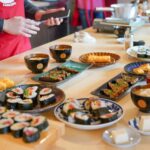
You’ll end by eating what you made. That may sound obvious, but it’s a big deal in cooking classes. If all you do is practice motions, you don’t get full feedback. Here, you get the feedback immediately—taste, texture, and how everything comes together in one meal.
Sushi Etiquette, Terminology, and Culture You Can Use Tomorrow
One reason this class gets a strong reaction is that it teaches more than kitchen technique. You’ll learn about the history of sushi, key terminology, and traditional sushi eating etiquette.
Here’s why that matters for your real life after the class:
- Terminology helps you order and describe what you like. Instead of saying I want the best thing, you can notice what’s what.
- Etiquette reduces the awkwardness factor when you eat sushi later. Small details can be intimidating, especially in Japan, and getting guided once lowers the stress.
- The history gives you context for why sushi evolved and how expectations formed over time. You start understanding sushi as a craft and a food culture, not just a trend.
This also seems to land well across cultures. Even Japanese guests have said they learned a lot about their own food culture. That’s a strong signal that the information isn’t just tourist-level “fun facts.” It’s the kind of knowledge that improves how you read the meal.
What First-Timers Should Expect (Without Getting Overwhelmed)
If you’ve never made sushi before, you have a big advantage here: the class is built for beginners. The format promises you’ll be able to leave with sushi you made yourself, even if you’ve never tried it at all.
Because the group stays small, Akemi can correct issues quickly—like rice handling problems or uneven assembly—before you get frustrated. And since the teaching is in English, you’re not forced to rely on gestures or guesswork.
Still, be realistic. This isn’t a hands-off workshop. You’ll be actively cooking, and that takes focus for the full 2 hours 30 minutes. If you get impatient with learning curves, plan to lean into the process. The payoff is eating something you truly learned how to make.
Meeting at Sasazuka (Shibuya) and Making This Easy on Yourself
The class starts at Tamanosato Sasazukaten1-chōme-56-18 Sasazuka, Shibuya, Tokyo 151-0073, Japan and ends back at the same meeting point.
That matters because it keeps the day simple. No long transit sequence and no “walk to a restaurant later” scramble. It’s also described as being near public transportation, so you should be able to reach it without turning the class into an all-day mission.
You’ll also receive a mobile ticket, so you’ll want to have your phone charged and ready. For the lesson itself, wear something comfortable. You’ll be working with food in a home environment, so practical clothing is your best friend.
One more practical note: service animals are allowed. If that’s relevant for you, it’s good to know this isn’t an environment that automatically excludes certain needs.
Price and Value: Paying for Coaching, Not Just Sushi
At $105.68 per person, this is not the cheapest thing in Tokyo. But for a small-group cooking class in a real home—with hands-on work, four sushi types, and ingredient sourcing you can trace—you’re paying for several value buckets at once:
- Instruction time with a trained sushi instructor (Edomae coursework plus restaurant experience)
- Small-group coaching so you’re not lost
- Quality ingredients like Kyoto-sourced rice and fresh neta from major markets
- A complete meal that you personally make
If you’re the type of traveler who remembers recipes because you learned them step-by-step, this price makes more sense. If you only want to eat sushi and don’t care about technique or culture, you may prefer a traditional meal somewhere else. But if you want to walk away able to explain what makes a sushi bite work, this class is structured for that.
Should You Book Akemi’s Sushi Cooking Class?
Book it if you want sushi education that’s practical, personal, and tied to real ingredients. This is a great fit for:
- first-timers who want guidance rather than intimidation
- food travelers who care about rice, fish, and technique
- anyone who wants sushi culture explained through history, terminology, and etiquette, not just cooking
Skip it if your main goal is just to eat quickly with minimal effort. You’ll cook the meal here, and the time commitment is real.
If you’re deciding between watching sushi being made and learning to make it yourself, this is the one that teaches you the skill behind the bite. For Tokyo, that’s exactly the kind of experience you can use long after you’ve checked out of your hotel.
FAQ
How long is the sushi cooking class?
It runs about 2 hours 30 minutes.
What group size should I expect?
The lesson is limited to a maximum of five students, and the activity has a maximum of six travelers.
How many types of sushi will I make?
You’ll learn to make four types of sushi.
Will the class include sushi history and etiquette?
Yes. You’ll learn about the history of sushi, essential terminology, and traditional Japanese sushi eating etiquette.
Will the instruction be in English?
Yes. Akemi teaches using her English proficiency.
Where does the class meet?
The start and end point is at Tamanosato Sasazukaten, 1-chōme-56-18 Sasazuka, Shibuya, Tokyo 151-0073, Japan.
What’s the cancellation policy?
You can cancel for a full refund up to 24 hours before the experience start time. If you cancel less than 24 hours before, the amount paid is not refunded.