REVIEW · TOKYO
Tokyo: Real Ramen & Dumpling Cooking with Master Chef
Book on GetYourGuide →Operated by LLC en · Bookable on GetYourGuide
Ramen lessons feel hard until you’re holding the noodles. In this Tokyo ramen and dumpling class in Ekoda, I love the hands-on pace and the clear, English explanations from Yoshi and Amo. I also like that you work through the whole meal build: semi-soft eggs, gyoza, and ramen assembly. One consideration: if you want the vegetarian ramen, you need to request it ahead of time, not same-day.
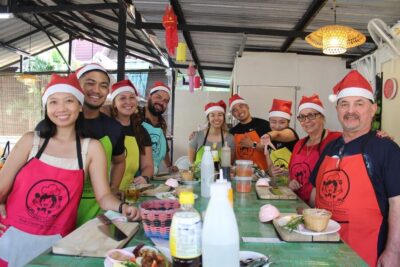
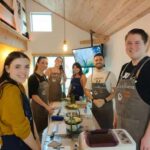
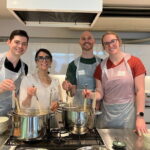
The class is designed for a small group (up to four), so it’s not a loud cafeteria setup where you just watch. You’ll be actively prepping toppings, folding gyoza, and timing parts of the ramen workflow—skills that actually transfer to your own kitchen later.
Expect a fun, family-style kitchen atmosphere with insider stories about ramen culture from an instructor with real restaurant experience abroad. The only drawback worth planning around is timing: late arrival can shorten the class, and the chef’s schedule is tight.
In This Review
- Key things to love about this Ekoda ramen workshop
- Where this Tokyo ramen class happens (and why Ekoda matters)
- Meet Yoshi and Amo: English instruction from real-world restaurant experience
- The full ramen and gyoza cooking flow (2 hours, real technique)
- Start with nitamago-style semi-soft eggs
- Prep ramen toppings with an eye for balance
- Slice, combine, fold: making gyoza from scratch
- Chashu step: flavoring and finishing the centerpiece
- Soup and noodle timing: the real ramen lesson
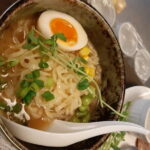
- Assemble your ramen bowl
- What’s included (and what that means for your money’s worth)
- Vegetarian ramen: how to get the option (and avoid surprises)
- Getting there: Ekoda Station, local trains, and a no-stress meetup
- Group size and the teaching vibe: why this feels different from big classes
- Price and value: is $99 a good deal for ramen skills?
- Who should book this Tokyo ramen and dumpling class?
- Should you book it? My practical take
- FAQ
- How long is the Tokyo ramen and dumpling cooking class?
- What is the price per person?
- Where is the meeting point?
- Do I need to take a specific train to get to Ekoda Station?
- Is the class taught in English?
- What do I make and eat during the class?
- Can I request vegetarian ramen?
- Do I receive the recipes after the lesson?
Key things to love about this Ekoda ramen workshop
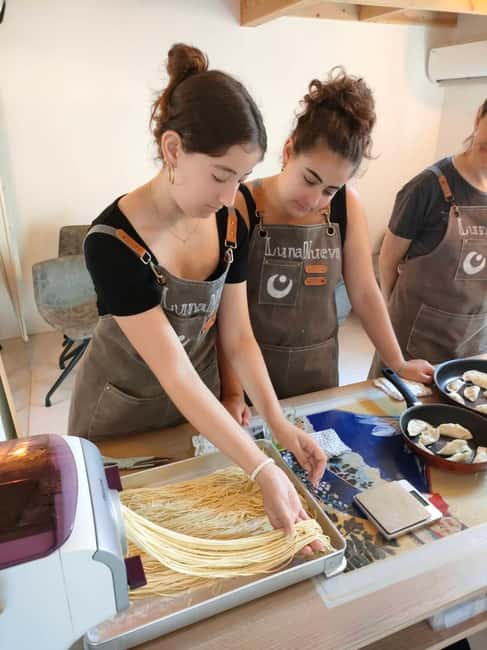
- Small group up to four, so you get personal help and real practice
- English-led instruction from Yoshi and Amo, with restaurant experience abroad
- Hands-on sequence: eggs, toppings, gyoza folding, chashu flavoring, soup + noodles
- Vegetarian ramen option, but it must be requested in advance
- You eat what you make, with ramen topped and gyoza served (5 pieces)
- Recipes sent afterward, so you can recreate your ramen at home
Where this Tokyo ramen class happens (and why Ekoda matters)
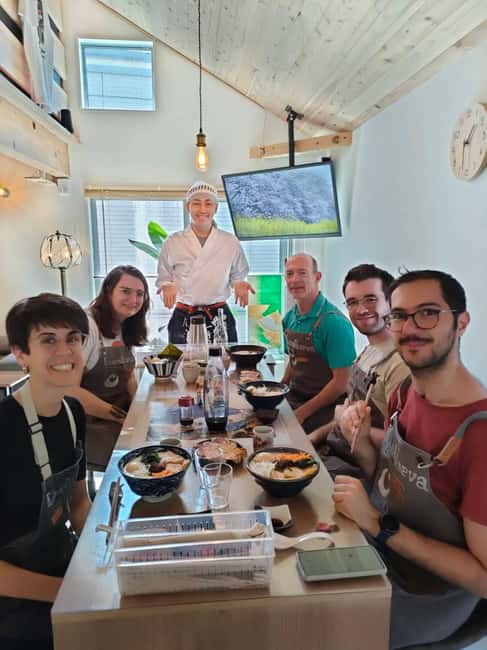
This cooking class takes place in Honshu, Japan, with the meeting point at Ekoda (Egota) Station (Nerima City). The address for the meeting point is 1 Chome-78 Asahigaoka, Nerima City, Tokyo 176-0005. It’s a good sign when a ramen class isn’t in a tourist bubble. Ekoda feels local—close enough to Tokyo’s energy, but not packed with show-floor distractions.
Plan to arrive early. You’re asked to be at the meeting point at least 15 minutes before the start so you can settle in. If you arrive late, your class may be reduced, which is the opposite of what you want when the goal is learning the full ramen and gyoza process.
You can also read our reviews of more tours and experiences in Tokyo.

Meet Yoshi and Amo: English instruction from real-world restaurant experience
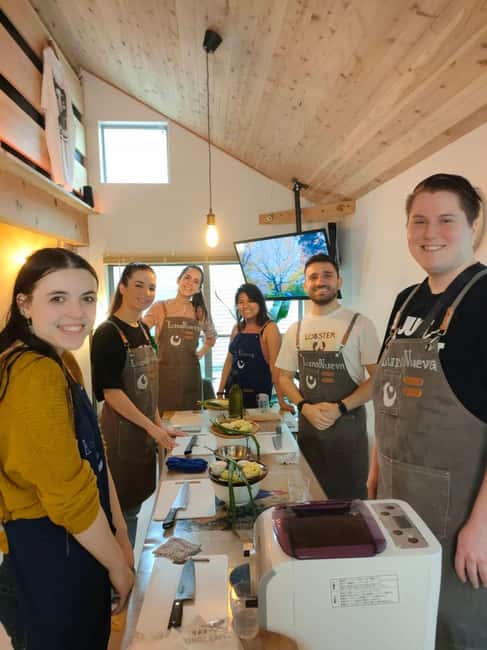
This is an English class led by Yoshi (the chef/instructor) and Amo (his assistant). They’re friendly, and what matters most is that they’re patient with questions. A lot of cooking classes say the instructions are clear. Here, the teaching style is hands-on and question-friendly, which makes a big difference when you’re learning technique, not just recipes.
Yoshi brings restaurant experience from abroad—he even ran his own restaurant in Sydney, Australia. That matters for you because cooking ramen isn’t just about ingredients. It’s about timing, texture, and control. When the instructor has cooked professionally and can explain the why behind the steps, you learn faster and you’re less likely to end up with a pot of noodles that’s either too soft or too firm.
The full ramen and gyoza cooking flow (2 hours, real technique)
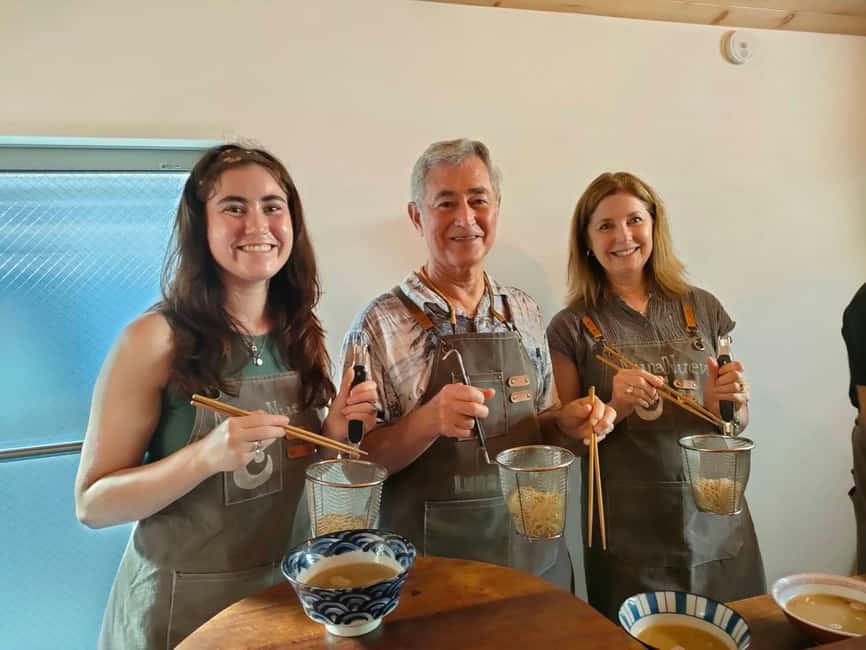
The class is built like a ramen workflow, not random cooking steps. You’ll move through the meal in an order that teaches you how parts support each other. Here’s what to expect, in the same spirit as the lesson sequence.
Start with nitamago-style semi-soft eggs
First up, you’ll learn how to make semi-soft boiled eggs. Included in the meal are Nitamago (seasoned runny yolk egg). This step teaches the timing basics that show up again in ramen—when you get the moment right, texture becomes perfect instead of accidental.
Prep ramen toppings with an eye for balance
Next, you’ll work on ramen toppings and likely handle items like seaweed, sliced spring onion, and wood ear fungus (all listed as included). These toppings aren’t just garnish. They add aroma, chew, and contrast to the noodles and broth.
You’ll then prep gyoza ingredients—because your ramen lunch doesn’t happen alone. Dumplings are part of the teaching plan, and they give you practice folding and cooking technique before you focus fully on the soup and noodles.


Slice, combine, fold: making gyoza from scratch
You’ll slice and combine ingredients for gyoza, then fold them. The class includes ramen and gyoza (5 pieces), so you’ll be making enough to eat, not just practicing one symbolic dumpling.
That folding stage matters because it’s where most people feel clumsy. The instructor’s pace helps you learn the structure, so the gyoza doesn’t just look right—it also cooks more evenly.
Chashu step: flavoring and finishing the centerpiece
You’ll infuse the chashu with flavor and then sizzle up the gyoza to perfection. The included chashu is described as slow cooked chicken. This part of the class is useful even if you don’t make chashu often, because it teaches how to build flavor before serving ramen as a finished bowl.
Soup and noodle timing: the real ramen lesson
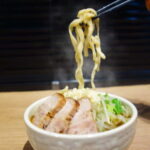
The grand finale includes crafting the soup, boiling the noodles, and then using a “cool noodle draining technique” that sounds simple but is actually very technique-heavy. When noodles hit the wrong temperature at the wrong time, ramen can go from springy to soggy fast. Learning the timing and handling here is where the class earns its price.
Assemble your ramen bowl
Finally, you’ll assemble the toppings onto your ramen. This last step helps you understand the ratio of broth, noodles, and toppings so your bowl looks right and tastes right. It’s also satisfying because you’re not waiting for someone else to plate—it’s your work.
What’s included (and what that means for your money’s worth)
The listed included items cover both the teaching and the meal. Here’s what you can count on:
- Ramen and gyoza (5 pieces)
- Ramen topping
- Nitamago (seasoned runny yolk egg)
- Chashu (slow cooked chicken)
- Seaweed
- Sliced spring onion
- Wood ear fungus
You’re also told that after the lesson, the provider will send the recipes. That’s a big deal. A class is fun in the moment, but the real value is keeping the process alive at home. With recipes in hand, you can recreate the same ramen style instead of guessing what to do differently next time.
And since you’re not bringing ingredients from a market list, you’re paying for an organized workflow. For $99 per person and a full 2 hours, that organization is part of the value—not just the food.
Vegetarian ramen: how to get the option (and avoid surprises)
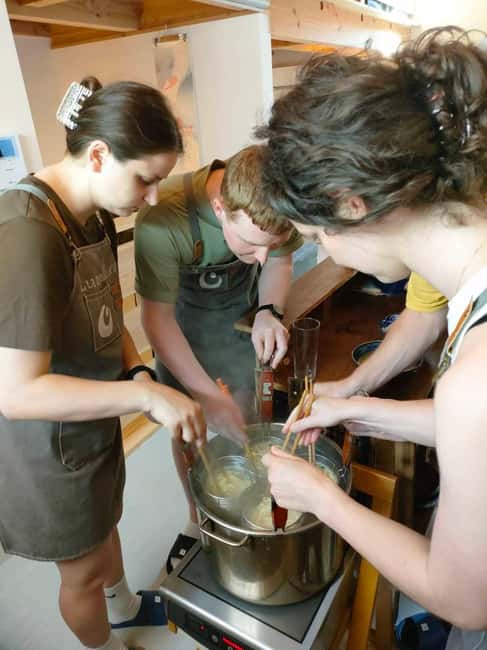
There is a vegetarian ramen option, but the rule is clear: you must inform them in advance. They also state they can’t accommodate same-day vegetarian requests without prior notice.
If you’re vegetarian, plan ahead when you book. This isn’t a “bring your own special ingredient” situation. It’s about getting the right setup done early so your broth and toppings match the class plan.
If you’re not vegetarian but you’re curious about vegetarian ramen, you might still like this option because it teaches you the flavor logic behind ramen. Just don’t wait until the day of the class to ask.
Getting there: Ekoda Station, local trains, and a no-stress meetup
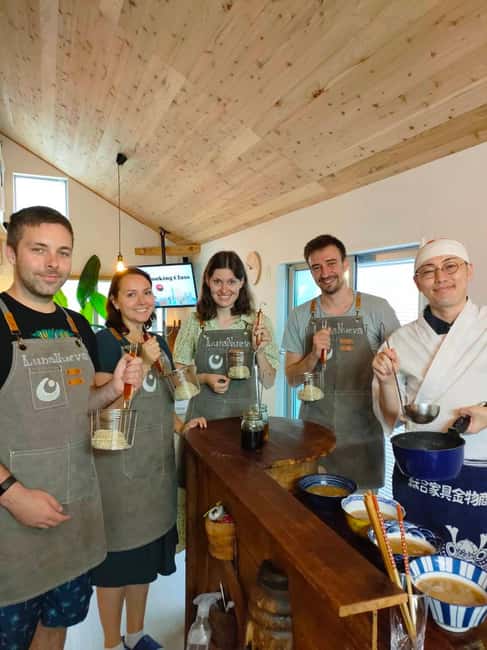
Logistics matter because you’re dealing with a start time and a short, tight schedule. Here’s the practical setup:
- Your meeting point is at Ekoda (Egota) Station.
- Pickup is included: the instructor will wait 15 minutes before at the out of ticket gate.
- Use the Seibu Ikebukuro Line (not JR).
- Don’t take the Rapid train. Use the local train, because it stops at Ekoda (Egota) station.
If you need help with directions, there’s a phone number provided: +818072621175. The class also strongly recommends adding it to your WhatsApp in case you’re offline and only have Wi-Fi available.
This is the kind of detail that saves time—and in a 2-hour class, saving time protects your learning.
Group size and the teaching vibe: why this feels different from big classes
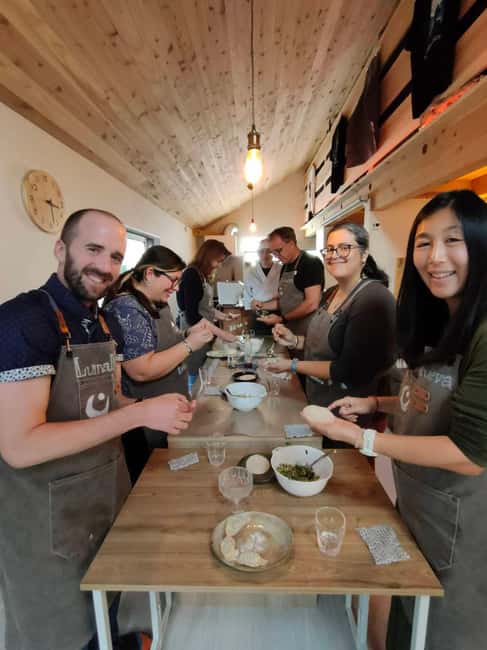
This experience has a possibility of a small group of up to four participants. That size changes the whole experience. You can get help while you’re folding dumplings. You’re not stuck waiting for the instructor to finish coaching someone else. It also means the kitchen energy stays manageable, with more back-and-forth.
The instruction is in English, and you’ll get insider context and fun anecdotes from the ramen world. The point of the stories isn’t just entertainment. They help you remember technique. When you can connect a method to a real ramen-world reason, you’re more likely to replicate it later.
Price and value: is $99 a good deal for ramen skills?
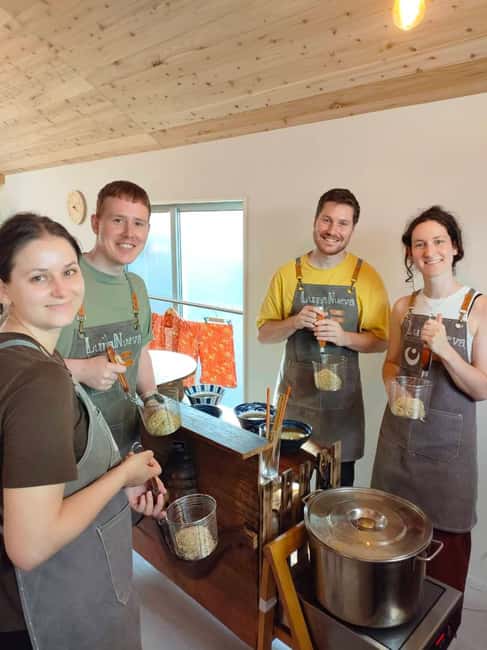
$99 per person sounds like a splurge until you look at what you actually get:
- Full lesson workflow for ramen + gyoza
- Specific techniques: eggs, topping prep, gyoza folding, chashu flavoring, soup + noodle timing
- A meal that includes multiple components: eggs, chashu, seaweed, spring onion, wood ear fungus, plus 5 gyoza
- Recipes sent after the class
- English instruction from instructors with restaurant experience abroad
Cooking classes at home markets can be cheaper, sure. But you’re paying for organization, guidance, ingredient prep, and the chance to learn a technique sequence that would be frustrating to troubleshoot alone.
If you’re the kind of traveler who wants more than a meal—if you want a skill you can repeat—this price starts to make sense fast.
Who should book this Tokyo ramen and dumpling class?
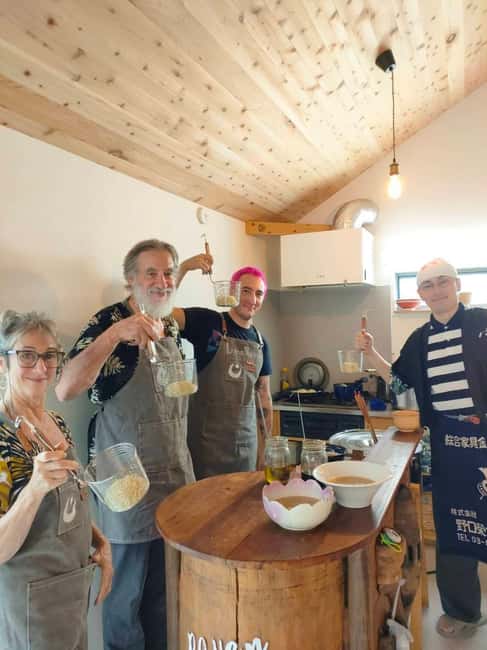
This is a strong match if you:
- Want a hands-on Tokyo food experience, not just watching
- Like cooking and want a method you can recreate at home
- Prefer English guidance and a smaller group pace
- Travel as a family (the class specifically notes you’ll cook with your family)
It may not be ideal if you:
- Are arriving late or rushing through Tokyo without buffer time
- Need vegetarian food but haven’t arranged it in advance
Should you book it? My practical take
If you care about learning technique—especially noodle timing, egg texture, and gyoza folding—book this class. The small group size, English-led coaching, and end-of-class recipes give you a real chance to carry the experience home.
If vegetarian ramen matters to you, do the smart thing: arrange it before you show up. Otherwise, you risk not getting the option you planned around.
Overall, this is one of those experiences that pays you back twice: once in the kitchen, and again later when you make ramen that actually tastes like ramen.
FAQ
How long is the Tokyo ramen and dumpling cooking class?
The class lasts 2 hours.
What is the price per person?
It costs $99 per person.
Where is the meeting point?
The meeting point is Ekoda (Egota) Station, at 1 Chome-78 Asahigaoka, Nerima City, Tokyo 176-0005, Japan.
Do I need to take a specific train to get to Ekoda Station?
Yes. Use the Seibu Ikebukuro Line and take the local train that stops at Ekoda (Egota) Station. The guidance says not to ride the Rapid train.
Is the class taught in English?
Yes. The instruction language is English.
What do I make and eat during the class?
You make ramen and gyoza (5 pieces). The meal includes Nitamago (seasoned runny yolk egg), chashu, seaweed, sliced spring onion, and wood ear fungus.
Can I request vegetarian ramen?
You can choose vegetarian ramen, but you must inform them in advance. They won’t be able to accommodate vegetarian requests on the same day without prior notice.
Do I receive the recipes after the lesson?
Yes. After the lesson, they will send the recipes to you.