REVIEW · KYOTO
Kyoto Ramen Spoon Painting & Michelin Cooking Class
Book on Viator →Operated by 無双心ラーメンアカデミー · Bookable on Viator
This ramen class has a creative twist. You’ll pair Kyoto temple stops with a hands-on ramen session where you paint a ceramic spoon and learn the method behind a Michelin-nominated bowl.
I like the step-by-step coaching from chef Shin, and I like that the kitchen work is real, practical, and not just a demo. I also respect the focus on ingredients they make in-house, including noodles and a long-simmered soup.
One thing to plan for: your spoon gets painted first, then baked in a kiln overnight, so it’s not an instant take-home craft. And if your dream is making every noodle step yourself, this format may feel more like cooking and assembling than producing noodles from scratch.
In This Review
- Kyoto Ramen Spoon Painting Meets a Real Cooking Lesson
- Musoshin Ramen Academy: Chef-Led, Small Group, Professional Kitchen
- The Ramen Spoon Craft: Paint It, Then Let the Kiln Do the Rest
- Cooking the Michelin-Nominated Style Ramen (Step by Step)
- What Happens Before Ramen: Temple Stops in Higashiyama
- Ramen You Eat at the End: No Hunger Panic
- Price and Value: What $65.89 Buys You in Kyoto
- Who Should Book This and Who Might Skip It
- Practical Tips to Make It Go Smoothly
- Should You Book This Kyoto Ramen Spoon and Cooking Class?
- FAQ
- How long is the Kyoto ramen spoon and cooking class?
- What does the experience cost?
- How big is the group?
- Do I eat the ramen during the activity?
- What souvenir do I make?
- When is the spoon baked?
- Who teaches the cooking part?
- Does the class include vegetarian or vegan options?
- Is this activity in a real restaurant setting?
- Where is the meeting point?
Kyoto Ramen Spoon Painting Meets a Real Cooking Lesson
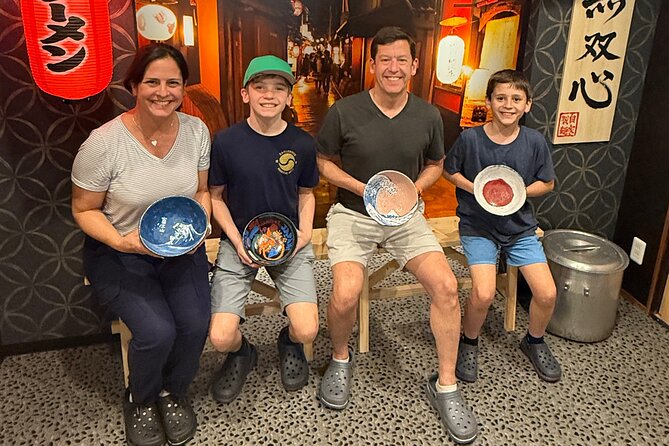
This experience is two souvenirs in one day: a keepable ramen spoon and a new set of ramen skills you can actually use later. It starts with a craft, moves into a chef-led cooking class, and ends with you eating the results.
The vibe matters here. This isn’t a classroom set up just for tourists. It’s run through Musoshin Ramen Academy, connected to a ramen restaurant setting, which keeps everything grounded in how ramen is built and served.
Musoshin Ramen Academy: Chef-Led, Small Group, Professional Kitchen
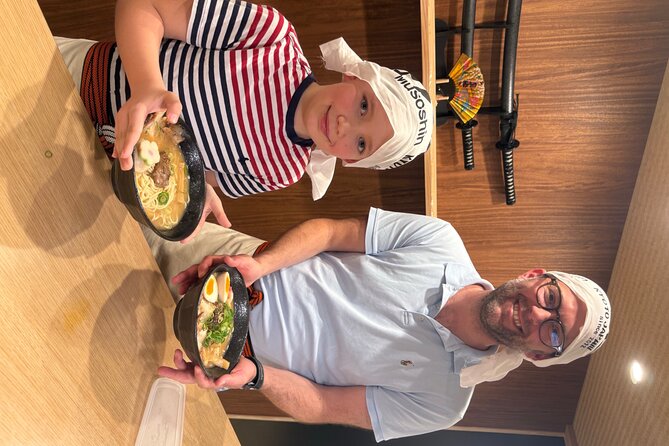
Musoshin Ramen started in Kyoto in 2022, and the academy format is designed to teach how their system works. They have multiple restaurants across Kyoto and Toronto, and they use the same recipe approach.
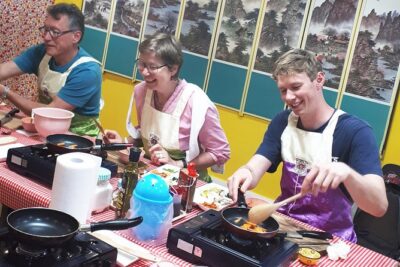
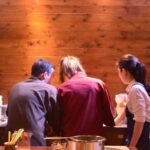
What you’re paying for is more than ingredients. It’s chef-level instruction in a professional kitchen setup, with an energetic team. In classes led by chef Shin and assistants such as Amiru, the teaching style stays patient while still moving at a good pace.
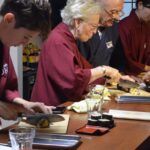
Group size is capped at 12 people, so you’re not just standing in a line waiting your turn. That small number also makes it easier to ask questions when you’re learning techniques or figuring out how toppings and broth work together.
You can also read our reviews of more tours and experiences in Kyoto.

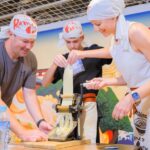
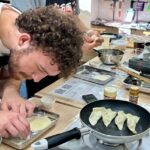
The Ramen Spoon Craft: Paint It, Then Let the Kiln Do the Rest
You’ll paint your own ramen spoon as the first major activity. It’s designed as a souvenir you’ll keep, and it’s also part of the ramen theme from start to finish.
The key detail is that the spoon is baked in a kiln overnight after your painting. So instead of rushing a craft session and calling it done, you’re making something that gets treated like real ceramic work, not a quick decoration.
The class provides ramen-related items such as an apron, plus parts of the ramen for cooking, and you’ll also have the bowl and spoon elements tied into the workshop workflow. One practical bonus: because the spoon is a planned part of the process, it’s not an afterthought to rush through at the end.
Cooking the Michelin-Nominated Style Ramen (Step by Step)

After the spoon, you move into the cooking portion. This is where the experience earns its keep for ramen lovers: you learn methodology, components, and what makes the broth and seasoning taste right.
Musoshin’s approach is ingredient-driven. They insist on making key ramen parts in-house, including:
- Noodles made every morning and rested overnight for use the next day
- Soup simmered for 12 hours
- Handmade ramen soy sauce and roast pork
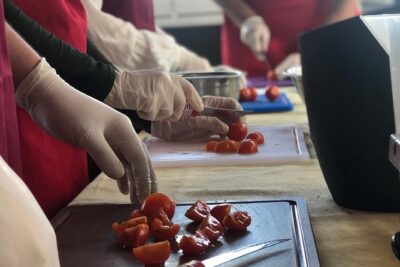
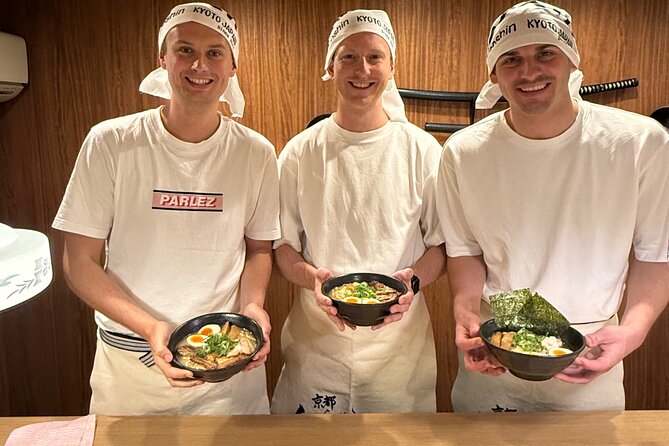
You don’t just watch someone else build ramen. Ingredients are brought from the restaurant and you cook them with the guidance of the chef and staff. That means you’ll understand which steps matter, rather than memorizing a recipe card.
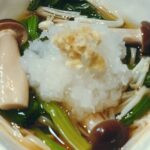
For people who have dietary needs, there’s usually a path here. The class notes a vegetarian option, and the way it’s described in the academy setup suggests they can handle common adjustments. In at least one case, vegetarian and vegan options were mentioned, and allergy handling was specifically noted as taken seriously.
One more real-world takeaway: because noodles and broth are typically prepped and brought in, you may not control every production step. The class is best for learning how ramen is assembled and seasoned, not for proving you can invent wheat dough from nothing.
What Happens Before Ramen: Temple Stops in Higashiyama
This experience includes stops at Kiyomizu-dera Temple, Kennin-ji Temple, and Sanjusangendo Temple. That’s a smart pairing for a food workshop day because it keeps you moving through Kyoto’s classic temple area before you switch gears into cooking.
The practical value of this setup is timing and context. Even if your main goal is ramen, you get a morning or early afternoon feel of Kyoto culture, rather than arriving at the restaurant straight from a transit hub and calling it a day.
Do note the tradeoff. The total duration is listed at about 1 hour 30 minutes, so you shouldn’t expect long, slow temple wandering. Think of these stops as part of a route, not a stand-alone sightseeing tour that gives each temple a full chunk of daylight.
Ramen You Eat at the End: No Hunger Panic
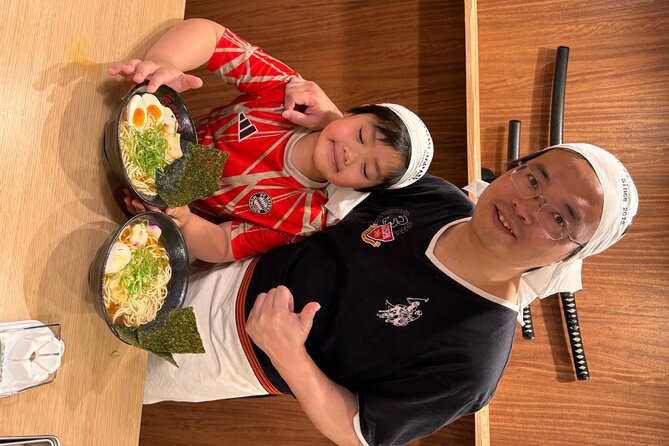
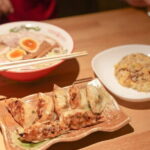
The meal portion is built into the experience. You’ll sample what you make at the end, so you’re not left standing hungry outside the kitchen while the spoon dries.
This “cook then eat” format matters because ramen is best when the temperature, texture, and seasoning align. When you’re involved in the process, you’re more likely to notice what changes the bowl the most.
And because their soup and sauce are described as heavily work-intensive (like the 12-hour soup detail), you’re tasting something that’s clearly treated as more than a quick restaurant product. You’re also getting a chance to compare your finished bowl to what you’ve had elsewhere, which makes the lesson stick.

Price and Value: What $65.89 Buys You in Kyoto
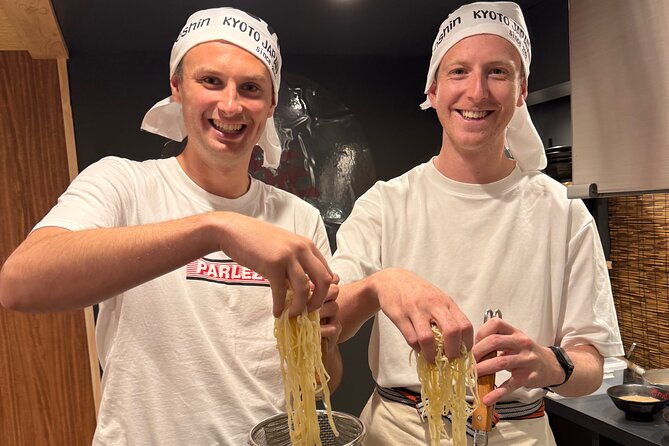
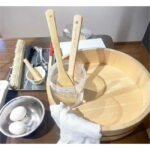
At $65.89 per person, this is not a budget craft-only activity, and it also isn’t just a restaurant meal. You’re paying for a package: chef instruction, hands-on cooking help, included cooking items like an apron and ramen components, and a ramen-themed ceramic souvenir made to be baked properly.
The value also comes from the small group size (up to 12). When a class stays small, you’re more likely to get personal coaching and not just follow along with the crowd.
One more reason the price can make sense for the right person: the teaching is framed around their system, not a generic ramen lesson. They describe a consistent method, down to how noodles rest and how long soup simmers. That kind of specificity usually translates into a clearer learning payoff.
Who Should Book This and Who Might Skip It
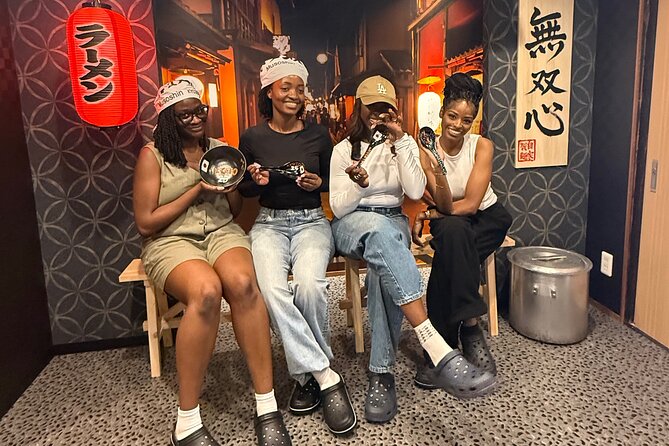
I’d book this if you want a hands-on Kyoto experience that mixes craft and food with a real chef. It’s a strong fit for ramen lovers, people who enjoy learning processes (not just tasting), and anyone who wants something memorable beyond a standard meal.
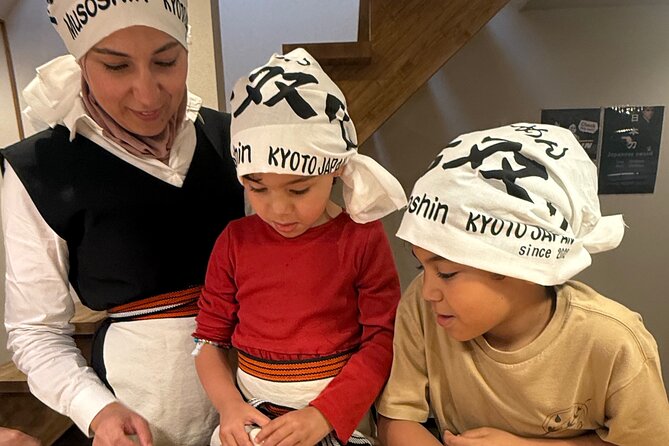
It’s also a good choice for families. Reviews for this type of format often emphasize how the chefs and assistants handle kids patiently, and this academy is described as welcoming for both adults and children.
You might consider a different option if you want a deep, slow temple day or if you want to personally make every ramen component, like the noodles from raw grain. This workshop is built around cooking the bowl using restaurant-prepped parts and teaching the method behind the flavor.
Practical Tips to Make It Go Smoothly
This is one of those experiences where small planning choices make a big difference.
First, wear comfortable shoes for the temple route. Even if the stops are time-limited, Kyoto’s sidewalks add up fast.
Second, give yourself extra time before the start. One common theme with classes in this area is simple navigation, and it can be hard to pinpoint the exact place if you arrive right on time.
Third, if you have allergies or dietary restrictions, tell the team clearly before the class. The way the academy is described suggests they take adjustments seriously, and it keeps the cooking portion safe and stress-free.
Finally, remember the spoon is part of a process. It’s not just paint for five minutes; it’s painted, then baked overnight, which is what makes the souvenir feel like real craft work.
Should You Book This Kyoto Ramen Spoon and Cooking Class?
Book it if you want a compact day that mixes Kyoto culture and a hands-on food lesson, with a keepable souvenir and a real chef-led cooking workflow. The small group size and the focus on ingredient-making details make it more educational than most ramen tours.
Skip it if you need lots of time for temple sightseeing, or if your top goal is making noodles from scratch rather than learning how ramen comes together from the key components. Also, go in knowing the spoon is baked overnight, so the souvenir rhythm is part of the deal, not a quick add-on.
If your idea of a great Kyoto day is ramen you helped build plus a handmade spoon you’ll still be using years later, this is a very solid choice.
FAQ
How long is the Kyoto ramen spoon and cooking class?
The duration is about 1 hour 30 minutes.
What does the experience cost?
It costs $65.89 per person.
How big is the group?
The class has a maximum of 12 travelers.
Do I eat the ramen during the activity?
Yes. You’ll sample the ramen you cook at the end of the session.
What souvenir do I make?
You paint your own ramen spoon, which is part of the ramen-themed craft.
When is the spoon baked?
After you paint it, the spoon is baked in a kiln overnight.
Who teaches the cooking part?
The cooking class is taught by a chef in a professional kitchen. Chef Shin is named as the lead in the provided information.
Does the class include vegetarian or vegan options?
A vegetarian option is available, and vegetarian/vegan accommodations are mentioned in the provided details.
Is this activity in a real restaurant setting?
Yes. The workshop is described as being the only ramen workshop in Kyoto that actually has a ramen restaurant.
Where is the meeting point?
The start location is listed as 440-5 Nishigomonchō, Higashiyama Ward, Kyoto, 605-0816, Japan, and the activity ends back at the meeting point.