REVIEW · KYOTO
Nishiki Market Food Tour with Cooking Class
Book on GetYourGuide →Operated by Cooking Sun · Bookable on GetYourGuide
Nishiki Market is fun, but a guide makes it click. This private tour pairs a walk through Kyoto’s famous food lanes with a hands-on cooking class, so you don’t just taste—you learn what to buy and how to turn it into a real meal. You’ll get a fluent English local Japanese guide, plus donburi ingredients are included, so you can cook what you picked without doing math on the fly.
Two things I like a lot: the market time is focused and explained (not just wandering), and the cooking class is practical, with a recipe you can actually repeat later. The one consideration is that the market portion is designed around your donburi ingredients, so if you’re hoping to snack your way through every stall, you may want extra time beyond the tour.
Timing matters here. You’ll spend roughly an hour in Nishiki Market, then move to the cooking studio, where you prep, cook, and eat for about another hour. It’s a private group, so you can ask questions as you go—and slow down when something catches your eye.
In This Review
- Key highlights you’ll feel right away
- Nishiki Market: where food shopping becomes a lesson
- The market route: how you get value out of crowded lanes
- A realistic drawback to keep in mind
- Choosing your donburi: Kaisen-don, Ten-don, or Oyako-don
- Cooking class: not just cooking, but learning how to repeat it
- The ingredient inclusion is more important than it sounds
- Tastings that add flavor context: pickles and optional sake
- Transfer to the studio: less wandering, more cooking
- What you’ll learn beyond the final bowl
- Price and value: what $109 buys you
- Who should book this tour
- Should you book the Nishiki Market food tour with cooking class?
- FAQ
- How long is the Nishiki Market Food Tour with Cooking Class?
- Is this tour private?
- Where do we meet?
- What do I cook during the class?
- Are the ingredients included in the price?
- Do I have to taste sake?
- What tastings are included besides sake?
- Is the transfer to the cooking studio included?
- What if I need to cancel?
Key highlights you’ll feel right away
- Private Nishiki Market walkthrough with an English-speaking local guide who helps you understand what you’re seeing
- Cook your own donburi bowl using ingredients purchased during the tour (ingredients included)
- Three bowl choices: Kaisen-don (seafood), Ten-don (tempura), or Oyako-don (chicken and egg)
- Free Japanese pickles tastings during the experience
- Optional sake tasting of three types for an extra Kyoto food-and-drink moment
- Taxi transfer to the cooking studio is included, so you spend less time figuring out logistics
Nishiki Market: where food shopping becomes a lesson
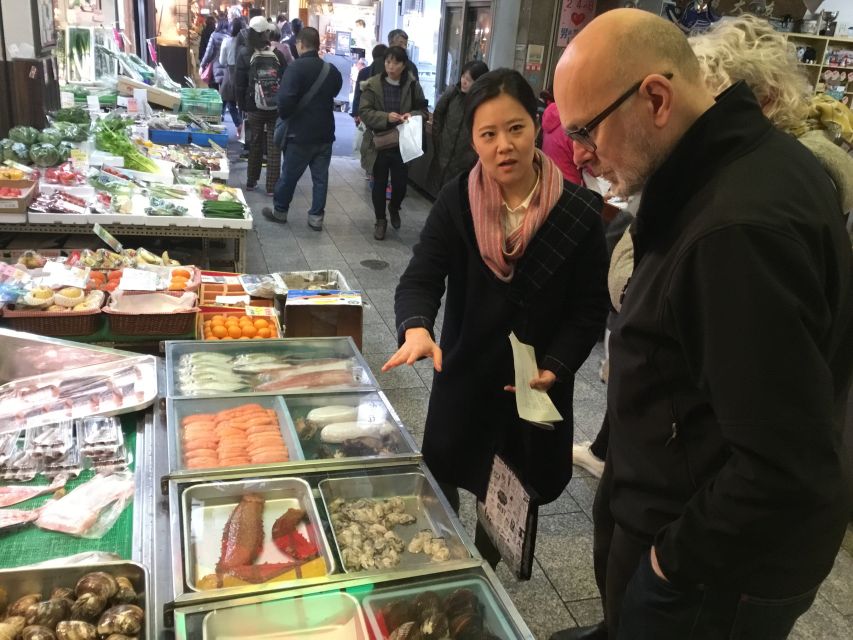
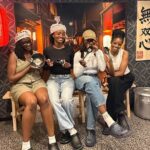
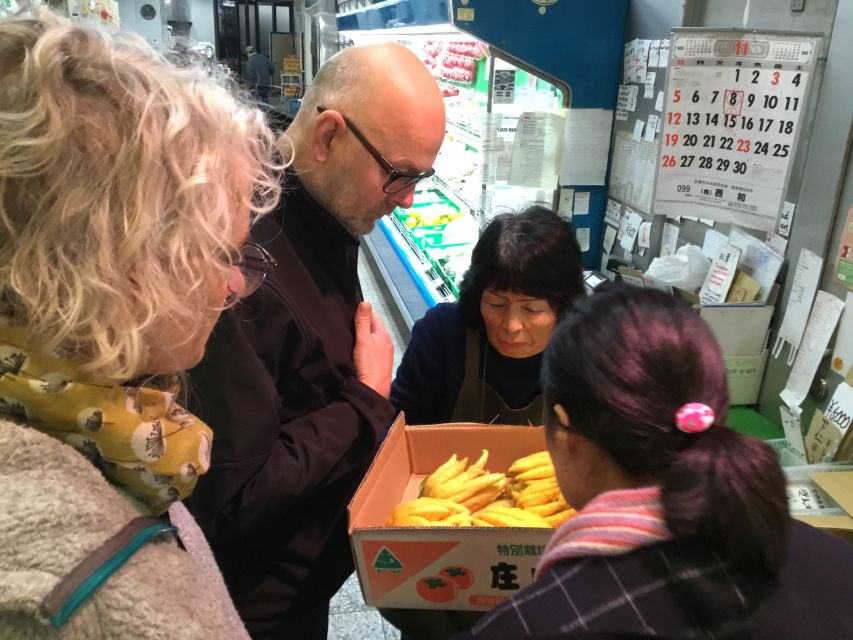
Nishiki Market can feel like sensory overload—bright packaging, seafood displays, vinegar-smelling stalls, and lines that look short until you get closer. The difference on this tour is that you’re not left to guess. You start at the western entrance, get briefed, and then the guide helps you read the market like a map.
The best part is that you’ll learn what things are for. Not just what they are, but how people actually use them. Pickles, seasonings, sauces, and topping ingredients all make sense once you connect them to a meal. One simple example from the experience: you’ll get etiquette pointers too, like the basic rule that you can’t just eat while walking through the market. That’s the kind of detail that saves you from awkward moments and helps you move with confidence.
Even if you’ve visited markets in other countries, Nishiki’s rhythm is its own thing. With a guide, the walk that can take only about 15 minutes if you’re going solo turns into something longer. You’ll spend far more time because the guide is pointing out which stalls are original versus the more tourist-oriented shops that came later.
You can also read our reviews of more tours and experiences in Kyoto.
The market route: how you get value out of crowded lanes
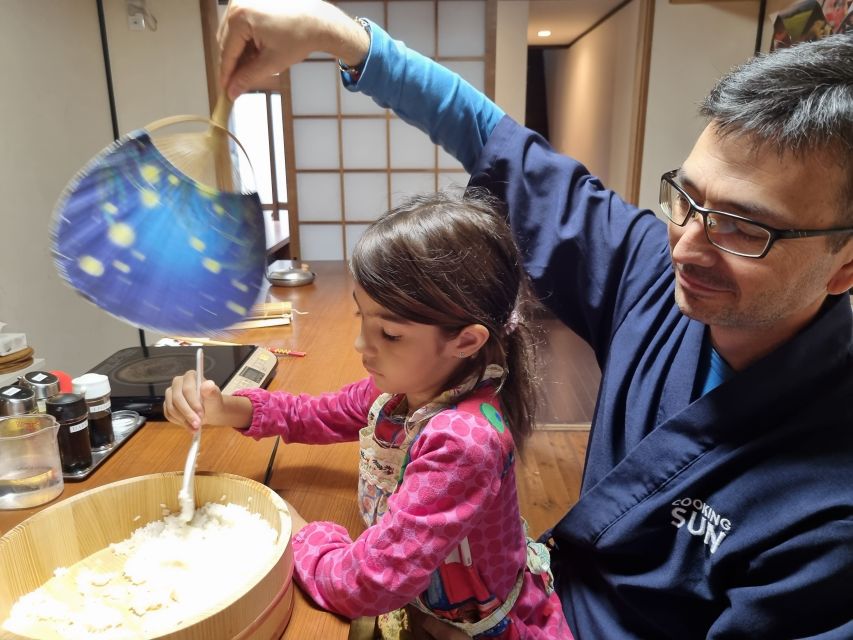
Your time in Nishiki is limited on purpose—this is a combined market + cooking class, not an all-day stall crawl. So the tour works best when you focus on learning where to shop and what to buy, not trying to sample everything.
Expect your guide to do three key jobs:
- Point out what to look for (ingredients and what makes them different)
- Help you compare choices so you don’t get stuck buying the first thing you recognize
- Translate and troubleshoot if you want a substitution or have questions about what you’re buying
One practical benefit: you’ll learn where to focus. In a market this large, that matters. People often waste time drifting, then run out of energy before they find the right ingredients to build a dish. Here, the guide keeps the shopping aligned with what you’ll cook later.
A realistic drawback to keep in mind
Because the tour is built around your donburi meal, you might not have as much free time for extra personal shopping or “just one more stall” browsing as you’d like. I’d treat it as a course in how the market feeds home cooks—not as permission to eat your way through every booth.
Choosing your donburi: Kaisen-don, Ten-don, or Oyako-don
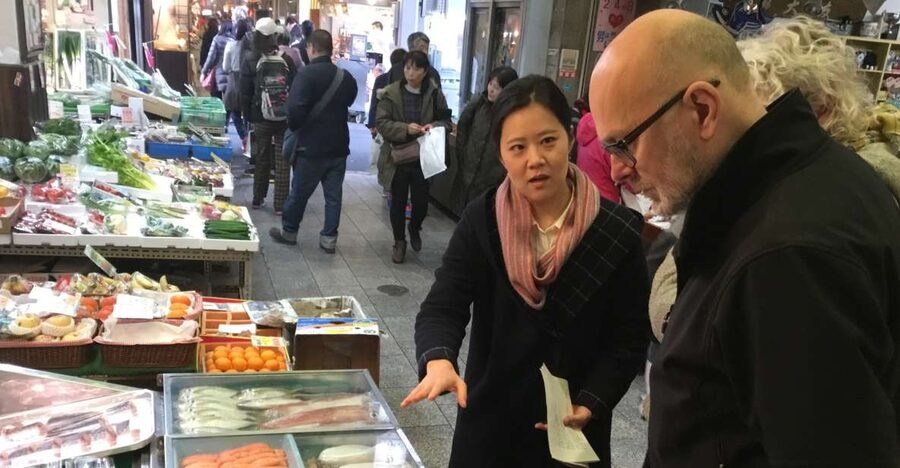
The donburi part is where this experience turns from sightseeing into something you take home. After you tour the market, you’ll cook your own bowl meal using ingredients you bought with your guide.
You get three options:
- Kaisen-don (seafood bowl)
- Ten-don (tempura bowl)
- Oyako-don (chicken and egg)
This choice matters because each bowl leads you into a different flavor logic. Seafood means you’ll think about freshness and how toppings work with rice. Ten-don means you’ll focus on tempura technique and how that crunch stays enjoyable. Oyako-don pushes you toward a classic comfort profile where chicken and egg cook together and sauce matters.
You can also ask for adjustments. In one example, a participant requested tofu instead of chicken, and that kind of substitution was handled during the meal planning. The takeaway: if you have dietary preferences or swaps you’d like, ask early and clearly.
Cooking class: not just cooking, but learning how to repeat it
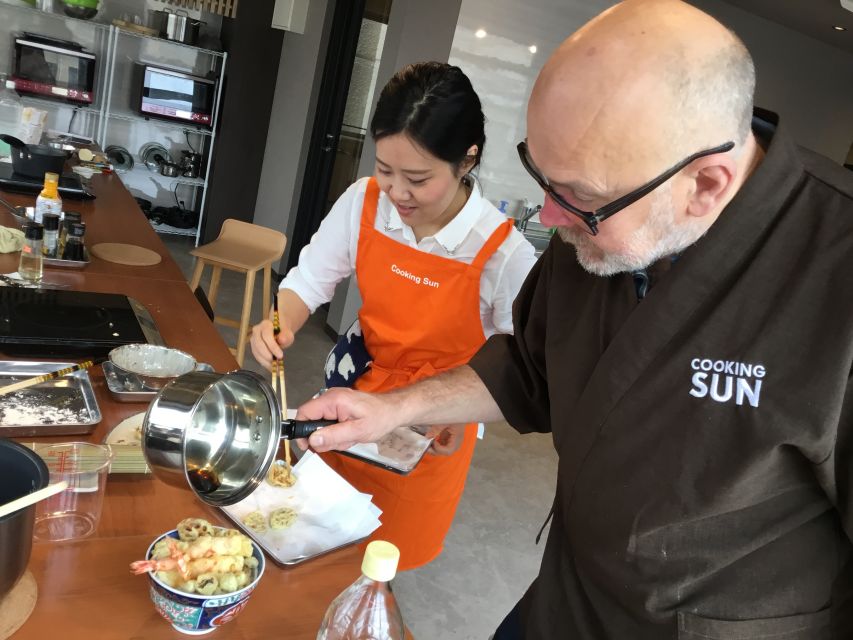
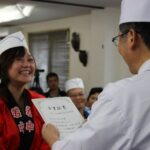
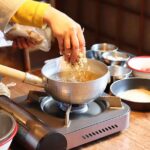
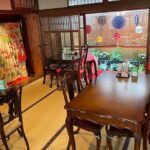
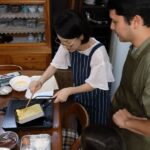
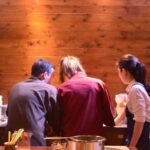
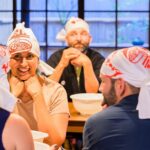
This is the big value driver. The cooking happens in a studio kitchen meant for classes, and you’re taught step-by-step, not handed a worksheet and left to figure it out.
You’ll get:
- A recipe you can use later
- Instruction on cooking methods
- Help with presentation details—how to make it taste good and look right
- Time to actually cook and eat what you made
And yes, you’ll start cooking shortly after you arrive, so it doesn’t feel like a long lecture. The pacing is friendly: about an hour for market shopping, then about an hour to cook and eat.
The ingredient inclusion is more important than it sounds
A lot of “food experiences” charge you for the tour and then expect you to pay for everything you eat or cook. Here, the ingredients for your donburi are included, which means you’re paying for the whole learning package.
If you like hands-on cooking, that’s the difference between a fun snack tour and a skill you can bring home.
Tastings that add flavor context: pickles and optional sake
You’ll get free Japanese pickles tasting as part of the experience. This sounds small, but it’s a smart way to learn how Japanese meals balance flavors. Pickles aren’t just side dishes; they’re part of the rhythm—bright, salty, and cleansing, especially when you’re working with rich bowl meals and sauces.
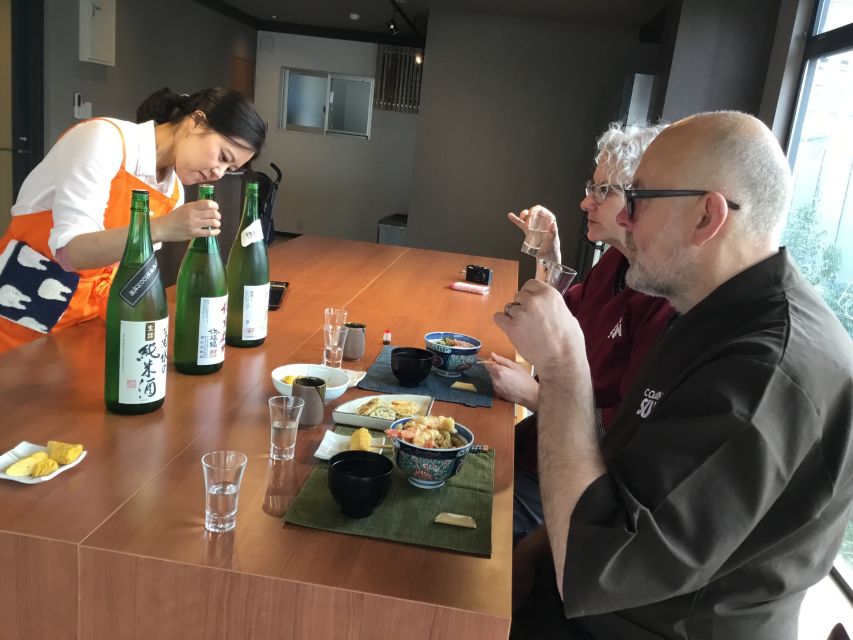
Then there’s sake. Three types of sake are offered as an optional tasting. It’s a nice extra because it connects food flavors to local drinking culture without turning the tour into a party. If you like trying beverages when they’re paired with food knowledge, this is an easy yes.
Transfer to the studio: less wandering, more cooking
After the market, you’ll head to the cooking studio by taxi, and that cost is included. That matters more than you might think. With the market crowds, finding your way out and then navigating transit can steal time and energy.
This setup keeps the second half of the experience smooth: you arrive at the kitchen ready to cook, rather than hungry and flustered.
What you’ll learn beyond the final bowl
The best lessons here aren’t only about ingredients—they’re about how Japanese cooking thinking shows up in everyday choices.
A few themes that came through clearly:
- How sauces work and when to use them
- How to season and assemble for the look and flavor balance of a donburi
- Etiquette basics so you behave naturally in the market environment
- Where Kyoto shines, at least from the market perspective—different stalls and shop traditions link to what Kyoto is known for
This is especially useful if you’re the kind of cook who wants to understand why a dish works, not just how to copy it.
Price and value: what $109 buys you
At $109 per person for a 150-minute experience, you’re paying for four real things:
- A private market guide who explains what you’re seeing and helps you shop
- Included cooking ingredients for your chosen donburi bowl
- Recipe and instruction, so you’re not guessing at home later
- Taxi transfer to the studio, which saves time and stress
If you price this out in a DIY way—guide time, market shopping guidance, cooking class instruction, and ingredient costs—it can start to look more reasonable. What makes it feel fair is that the ingredients aren’t an extra cost at the end of the tour. You’re also not stuck with one “fixed menu” since you choose between three bowl styles and can ask about substitutions.
That said, your value will depend on your appetite for learning. If you only want to eat and you don’t care about technique or recipes, it may feel pricier than a self-guided market lunch. If you want to cook and understand what’s behind the flavor, it’s a solid deal.
Who should book this tour
This experience fits best if you:
- Want a guided Nishiki Market visit but don’t want to spend hours on your own figuring out what to buy
- Like cooking classes that teach technique, not just eating
- Enjoy trying Japanese food in a practical way that you can recreate later
- Prefer private group pacing so you can ask questions and move at your rhythm
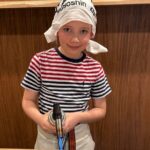
- Travel with kids and want a class setting that keeps attention (this was noted as family-friendly by participants)
It might not be ideal if your main goal is maximum street-snacking time. The tour is structured around the donburi project.
Should you book the Nishiki Market food tour with cooking class?
I’d book it if you want more than a lunch—you want the ingredient logic and the cooking method. The market guide helps you shop with confidence, and the cooking class gives you a recipe plus real technique. The included ingredients and taxi transfer make it feel like a complete package, not a pay-more-along-the-way situation.
Skip it or add extra time only if you’re the type who wants endless wandering, lots of random extra tastings, and maximum free-market time. This one is designed to deliver a strong outcome: a bowl you made yourself and actually know how to remake.
FAQ
How long is the Nishiki Market Food Tour with Cooking Class?
The experience runs 150 minutes.
Is this tour private?
Yes, it’s listed as a private group.
Where do we meet?
You meet at the western entrance of Nishiki Market.
What do I cook during the class?
You cook a donburi bowl meal. You can choose from Kaisen-don (seafood), Ten-don (tempura), or Oyako-don (chicken and egg).
Are the ingredients included in the price?
Yes. Ingredients for your donburi cooking are included.
Do I have to taste sake?
No. A sake tasting of three types is offered as an optional add-on.
What tastings are included besides sake?
You get free Japanese pickles tastings during the tour.
Is the transfer to the cooking studio included?
Yes. Taxi cost from the market to the studio is included.
What if I need to cancel?
You can cancel up to 24 hours in advance for a full refund.