REVIEW · TOKYO
Tokyo; Sushi Cooking Lesson at Japan’s Leading Culinary School
Book on Viator →Operated by ABC Cooking Travel · Bookable on Viator
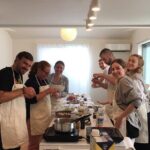
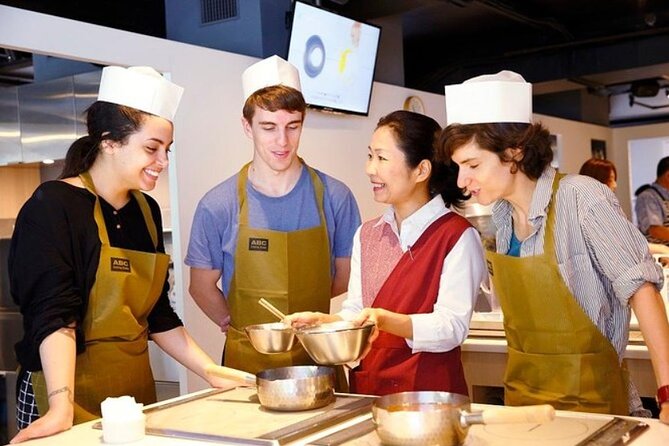
Tokyo tastes better when you cook it yourself. This small-group class (up to 6 people) is taught in English, and I love how practical it feels for both first-timers and experienced cooks. A second big plus is the chance to get real studio guidance from the instructor, with Teacher Miwa specifically called out as warm and very thorough. The one thing to think about: you’ll handle getting there on your own, since transport isn’t included.
You meet at ABC Cooking Studio on Tokyo’s Marunouchi side, on a basement level that’s connected to major subway lines. From there, the session runs about 1 hour 30 minutes and ends back where you start—so you can fit it into a half-day plan without scrambling across town.
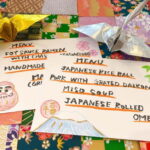
The menu details you’ll see include sushi items like sushi roll and temari sushi (ball-shaped sushi), plus tamagoyaki (Japanese egg omelet) and miso soup. At the same time, the experience description also talks about tempura gozen and frying crispy tempura, with vegetarian tempura options available. You’ll want to check your booking details for the exact mix on your day, since the class seems to combine Japan’s fried-food vibe with sushi-making skills.
In This Review
- Key things to know before you go
- ABC Cooking Studio (Marunouchi): finding it fast and staying calm
- What you’ll cook: sushi roll skills plus tamagoyaki and miso
- The tempura part: learning the crunch (and how to handle oil fear)
- A typical rhythm: from meeting to plating your own lunch
- The shochu tasting: a quick taste of Japanese distilled spirit
- Teacher Miwa and the small-group advantage
- Price and value in Tokyo: does $56.47 make sense?
- Who should book this class (and who should think twice)
- Tips to get the most out of your 90 minutes
- Should you book the Sushi Cooking Lesson at ABC Cooking Studio?
- FAQ
- What’s included in the class price?
- How long is the cooking lesson?
- Where do we meet, and is it near public transport?
- Is transportation to the studio included?
- What dishes will we make?
- Is there a vegetarian option?
Key things to know before you go
- Up to 6 people means you get real coaching, not just watching from the back.
- Teacher Miwa is a standout for being kind, detailed, and easy for kids and adults.
- You cook lunch (plus a beverage) and eat what you make—no take-away.
- Central access near Tokyo Station and Yurakucho via connected subway exits keeps logistics simple.
- Vegetarian tempura options are available if you’d rather skip meat.
- No private transportation—come ready to use trains and a short walk.
ABC Cooking Studio (Marunouchi): finding it fast and staying calm
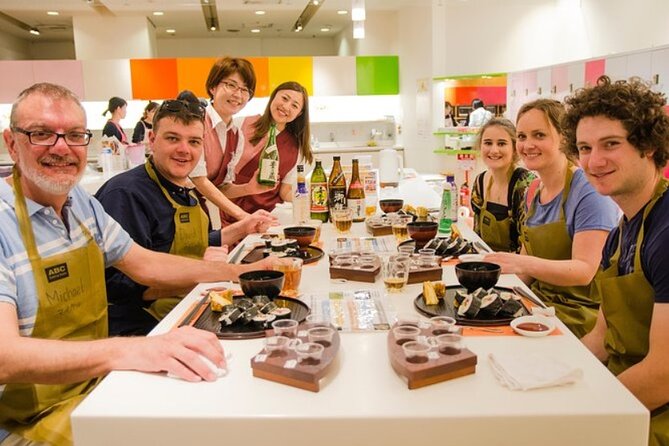
Getting to this class is half the game in Tokyo. The studio is on the 2nd basement floor of the Kokusai building area around Marunouchi (the connection info lists exits like B3 or B4 from Hibiya and Chiyoda lines, and Yurakucho Line). It’s also described as about a 3-minute walk from Tokyo International Forum, which is a great landmark when you’re orienting yourself.
If you’re coming from Tokyo Station or Yurakucho, this is exactly the kind of location that saves time. You’re close enough that you don’t need taxis or long rides—just a straightforward subway exit and a short walk down to the studio level.
A couple of small practical notes that matter once you’re there:
- Wear casual clothes and comfortable shoes. You’ll be in a working environment.
- Don’t plan on bringing strollers or luggage.
- Since it’s a studio class, you should expect a hands-on setup where moving around isn’t about sightseeing—so keep your “I’ll take photos later” brain on.
You can also read our reviews of more tours and experiences in Tokyo.

What you’ll cook: sushi roll skills plus tamagoyaki and miso
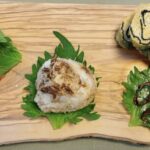
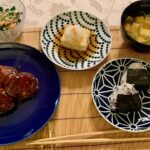
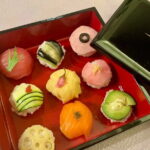
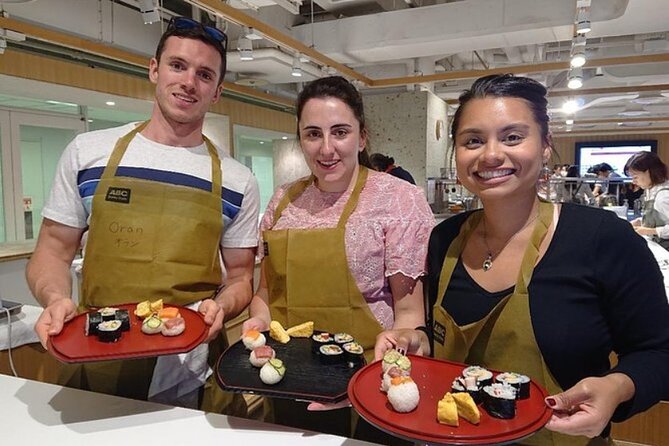
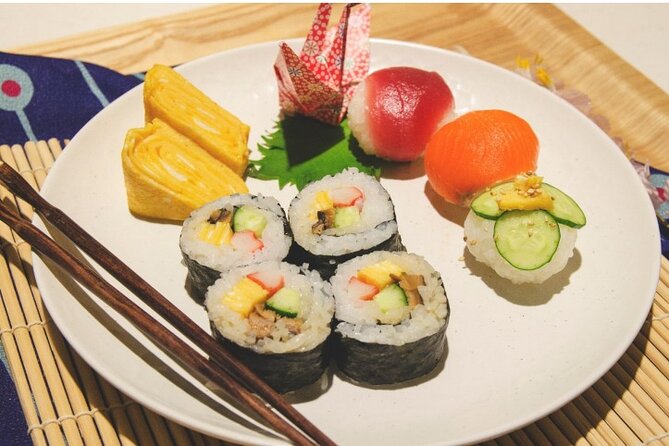
This is marketed as a sushi cooking lesson, and the dish list includes the core “you’ll leave with technique” items: sushi roll, temari sushi (ball-shaped sushi), tamagoyaki, and miso soup.
Here’s why those matter, even if you’ve never rolled sushi before:
- Sushi roll teaches the real structure: how fillings are portioned, how tightness affects the bite, and how to make it look neat enough to serve.
- Temari sushi is like sushi for people who don’t want to stress over precise cutting. You can focus on shaping and seasoning.
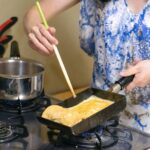
- Tamagoyaki gives you egg-omelet confidence. In Japan, it’s not just a side dish; it’s a technique test, and it’s usually more forgiving when you learn the rhythm in class.
- Miso soup is the “flavor anchor.” Even when the class is moving fast, soup teaches balance and timing.
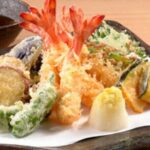
The experience description also mentions a representative meal format called tempura gozen, usually meaning a set that can include fried shrimp, vegetables, and mushrooms, plus rice, miso soup, and sides. If that frying component is part of your session, you’ll get to connect the dots between the crispy, savory fried elements and the lighter sushi flavors.
Because your exact mix can vary, treat the dish list as your best clue. When you book, confirm what your session includes so you know whether you’re mostly rolling sushi, frying tempura, or doing both.
The tempura part: learning the crunch (and how to handle oil fear)
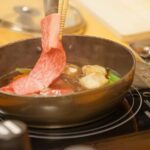
The experience description emphasizes frying crispy tempura dishes, and that’s the right focus if you want something beyond basic rolling skills. Tempura is one of those foods people love but rarely get to make at home, because the technique depends on heat control and timing.
What you should take from a class like this:
- You’re learning tempura as a process, not just a recipe.
- You’ll likely move through a frying station setup where timing and texture matter.
- If vegetarian tempura is offered for your group, you can still learn the method without meat-focused ingredients.
A quick reality check: if you’re nervous around hot oil, that’s normal. The benefit of a cooking school is that you’re in a controlled environment with tools and instruction. Wear comfortable clothing, keep your hands where the instructor says, and don’t rush your first attempt.
This is also why the class format works well for food lovers. You leave with more than a meal—you leave with a way to think about Japanese frying and how it pairs with rice, soup, and dipping sauces.
A typical rhythm: from meeting to plating your own lunch
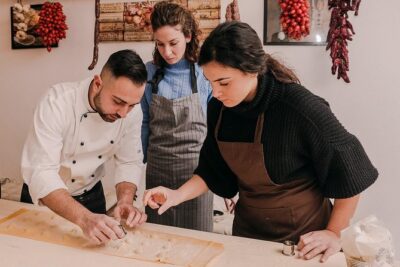
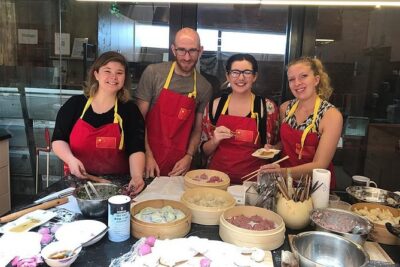
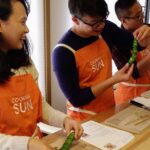
The session starts when you meet at the studio. From there, you’ll be guided through cooking tasks with an English-speaking instructor, plus you’ll get the standard tools for a studio class: an apron and handy towel (and the included materials mention a chef’s hat too).
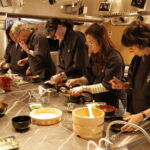
Even though the exact order can vary day to day, you can generally expect the session to be built around stations or steps where you’ll:
- prepare or handle sushi ingredients for your roll and temari sushi
- cook the tamagoyaki
- mix or assemble the miso soup
- and, if your session includes it, work on tempura gozen components
Your lunch is then served as the tasting of what you made. There’s no take-away here, so the plan is simple: cook, eat, enjoy, repeat in your head later while you’re walking off the calories.
The class duration is about 1 hour 30 minutes, which is a sweet spot. It’s long enough to feel like you accomplished something, and short enough that you still have energy for Tokyo afterward.
The shochu tasting: a quick taste of Japanese distilled spirit
One especially interesting extra in the experience description is a tasting of five different shochus (Japanese distilled liquor). If your day includes it, this is a nice way to understand how Japanese drinking culture can be tied to food, not just nightlife.
A few practical expectations:
- Tasting sets are usually meant for small sips, not a full drinking session.
- If you’re not planning to drink alcohol, you can still enjoy the variety of aromas and flavors as part of the meal experience.
- Keep your post-class plans easy. Tokyo doesn’t require you to drive, but you don’t want to be overly tired after tasting.
If alcohol isn’t your thing, it’s still worth focusing on the main event: hands-on cooking and eating.

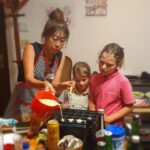
Teacher Miwa and the small-group advantage
The most consistent praise centers on teaching style. Teacher Miwa is repeatedly highlighted as warm, kind, and very thorough—exactly what you want in a class where you’re learning knife-adjacent tasks, shaping food, and trying to nail consistency.
The small group size (maximum 6) matters more than people think. When you’re cooking, the biggest frustration is getting stuck. With a tight group, the instructor can spot problems faster—like a roll that’s too loose, a filling that’s uneven, or an omelet that needs timing adjustments.
This is also why the class feels like it works across ages. The studio setup and teaching approach make it possible for parents and kids to share the same lesson and still get individual attention.
Price and value in Tokyo: does $56.47 make sense?
At $56.47 per person for about 1.5 hours, you’re paying for three things that add up fast in Tokyo:
- Instruction in English from a professional studio teacher
- Ingredients and equipment handled by the school (not a DIY kit you assemble yourself)
- Lunch (plus a beverage) that you cook and eat
If you’ve ever tried to copy Japanese home cooking from online recipes, you know the hidden cost is time, tools, and mess. Here, the school provides the structure: aprons, cooking materials, guidance, and a finished meal at the end of the session.
Also, you’re not buying a snack that disappears in 15 minutes. You’re buying a full hands-on experience with a meal built into it. That’s good value if you want something more engaging than a museum stop or a guided dinner.
The main value trade-off is that there’s no take-away meal. If you’re trying to stock up for later, this isn’t that kind of class. If you’re trying to learn technique and leave with a story, it fits well.
Who should book this class (and who should think twice)
This works best for:
- foodies who want technique, not just a tasting
- people who like cooking classes where you sit down and eat what you made
- travelers in central Tokyo who want something walkable from key stations
- families with kids who meet the minimum requirements
It may be less ideal if:
- you really want a morning or afternoon with zero cooking stress—this is active, hands-on work
- you need your own food to take home (there’s no take-away)
- you dislike the idea of frying oil at all (even though instruction and vegetarian options help)
The experience also sets a minimum age of 9 years and a minimum height of 130 cm. If you’re traveling with younger kids, you’ll need to check whether they meet the requirements.
Tips to get the most out of your 90 minutes
These are the small things that make a big difference in a studio class:
- Bring your questions to the instructor early. If something feels awkward, it’s easier to fix in minute 10 than minute 60.
- Keep your phone use light. You’ll learn more watching the instructor’s hands than filming yours.
- If you’re vegetarian or avoiding certain ingredients, mention what you need when booking, since vegetarian tempura options are available.
- Plan the rest of your day with nearby walking. After cooking, you’ll want a short, easy route to your next stop.
Also, note the studio may publish photos taken during the activity. If you’re not comfortable with that, you can decide accordingly before booking.
Should you book the Sushi Cooking Lesson at ABC Cooking Studio?
If you want a central Tokyo experience that’s practical, meal-based, and actually teaches you something, this is a strong pick. The combination of a small group, English instruction, and the standout teaching style attributed to Teacher Miwa makes it especially appealing if you’re learning for the first time.
I’d book it if you’re excited by sushi rolling and tamagoyaki, and you’re open to the possibility of a tempura gozen-style component and shochu tasting. I’d think twice only if you need transportation included or you’re hoping to take home food, since neither is part of the deal.
If you match that profile, you’ll likely leave with more than lunch—you’ll leave with skills you can repeat later, when you’re back home dreaming about crispy tempura and perfectly shaped bites.
FAQ
What’s included in the class price?
The class includes an English-speaking cooking instructor, an apron and kitchen towel (plus a chef’s hat), cooking ingredients and water, and lunch made by you. A beverage with lunch is also mentioned as included.
How long is the cooking lesson?
The duration is about 1 hour 30 minutes.
Where do we meet, and is it near public transport?
You meet at ABC Cooking Studio on the 2nd basement floor (Kokusai building area in Marunouchi). It’s described as connected to subway stations via direct exits and also walkable from Tokyo International Forum.
Is transportation to the studio included?
No. Private transportation is not included, so you’ll need to use public transit and walk to the studio.
What dishes will we make?
The listed menu includes sushi roll, temari sushi, tamagoyaki, and miso soup. The overall description also mentions tempura gozen and crispy tempura, so confirm the exact dishes for your specific session.
Is there a vegetarian option?
Vegetarian options are available for the tempura.